
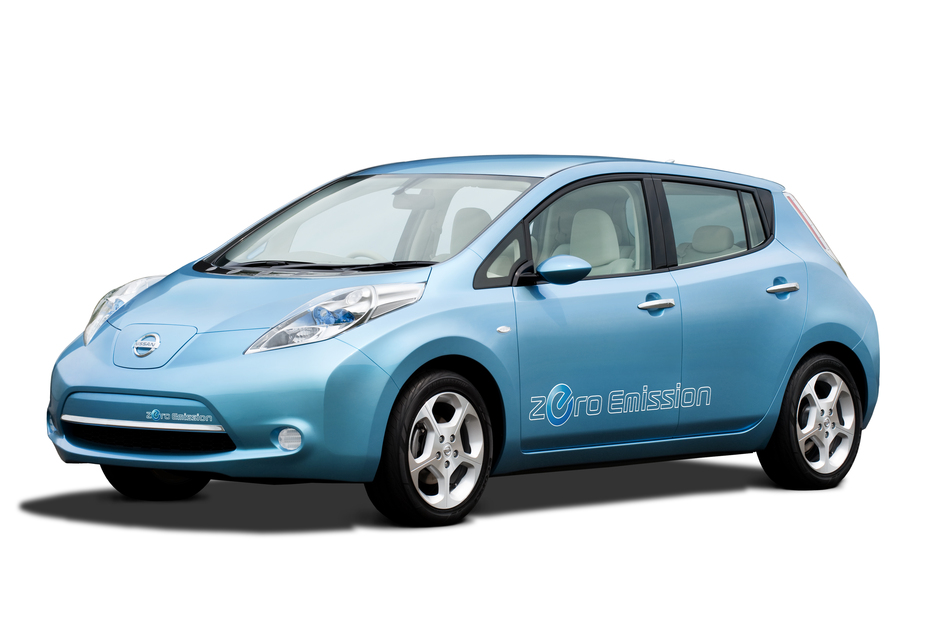
Nissan Leaf Reliability: A Complete, Real-World Owner-Focused Guide

Content in this publication
- Understanding the Nissan Leaf’s Reliability Reputation
- Why Reliability Matters More in an EV
- A Quick Reliability Snapshot
- Mechanical Reliability: A Huge Strength of the Leaf
- Battery Reliability: The Leaf's Most Discussed Topic
- Charging System Reliability: What You Should Know
- Electronics Reliability: Generally Strong, Some Weak Spots
- Build Quality: Interior and Exterior Reliability
- Long-Term Ownership Experience
- Maintenance Costs and Reliability Over Time
- Common Nissan Leaf Problems (Ranked by Frequency)
- How to Improve Your Leaf’s Long-Term Reliability
- Nissan Leaf Reliability by Model Year
- How the Leaf Compares to Other EVs
- Is the Nissan Leaf a Reliable Used Car?
- When a Nissan Leaf Stops Being Reliable
- The Future of Nissan Leaf Reliability
- Final Verdict: Is the Nissan Leaf Reliable?
- Frequently Asked Questions
Understanding the Nissan Leaf’s Reliability Reputation
When we talk about reliability in the world of electric cars, the Nissan Leaf naturally rises to the top of the conversation. As one of the world’s first mass-produced EVs, it carved a reputation that’s half innovation and half real-world experimentation. And honestly, that’s what makes its reliability story so fascinating: it’s not just folklore — it’s lived experience from hundreds of thousands of drivers.
In this guide, we unpack the Leaf’s reliability in a way that feels grounded, honest, and genuinely helpful. Think of this as the friend who tells you what’s good, what’s annoying, and what you should absolutely know before buying a Leaf — whether new or used.
Why Reliability Matters More in an EV
Reliability hits differently when you're talking about an EV. Without oil changes, belts, spark plugs, exhausts, gearboxes, or fuel systems, EV reliability becomes more about:
- Battery health
- Charging system stability
- Electronics longevity
- Cooling systems
- Software
- General build quality
The Nissan Leaf brings some wins and some quirks in all these categories — and yes, we’re going to dive into each one.
A Quick Reliability Snapshot
Before we get into layers of detail, here’s the elevator pitch version for those who love to skim:
- Early Leaf models (2011–2016) → Excellent mechanical reliability but notorious for battery degradation in hot climates.
- 2nd-gen Leaf (2018–present) → Improved battery chemistry, fewer degradation concerns, overall stronger reliability.
- Most common issues → Battery ageing, weak 12V battery, on-board charger faults, heater failures in older models, and rapid-gate thermal throttling.
- Real-world longevity → Many early Leafs have crossed 150,000–200,000 km trouble-free (beyond the battery).
- Verdict → Very reliable drivetrain, but battery ageing varies significantly by model year and climate.
Got a picture forming in your mind? Good — now let’s expand those ideas.
Mechanical Reliability: A Huge Strength of the Leaf
Let’s be honest: EVs don’t break in the way petrol or diesel cars do. There’s no turbo to fail, no clutch to burn, no injectors to clog, and no head gasket waiting to betray you at the worst moment.
Core Mechanical Components That Rarely Fail
Here’s what the Leaf nails mechanically:
- Electric motor — Nissan’s synchronous motor is famously resilient. Failures are extremely rare.
- Single-speed reduction gearbox — This is as close to “unbreakable” as cars get.
- Suspension — Simple setup, inexpensive parts, low failure rate.
- Brake durability — Regenerative braking means pads and discs can last absurdly long (100,000+ km for many owners).
If reliability were only mechanical? The Leaf would be a near-perfect scorecard.
Battery Reliability: The Leaf's Most Discussed Topic
Let’s not sugarcoat it — battery reliability is where the Leaf’s story gets complicated, especially for early models.
Why Early Leaf Batteries Aged Faster
The 24 kWh batteries used from 2011–2016 suffered from:
- Lack of liquid cooling
- High sensitivity to heat
- Older lithium-manganese chemistry
This created a perfect storm in hot climates like Arizona, Florida, Australia, and parts of Spain. If you’ve ever heard stories of Leafs losing capacity bars at alarming rates — yes, those are real.
What “Capacity Bar Loss” Means
The Leaf’s dash gauge shows 12 bars of battery capacity.
Losing bars means permanent battery degradation:
- 12 bars = 100%–85%
- 11 bars = 85%–78%
- 10 bars = 77%–72%
- 8 bars or less = Noticeably shorter range
Some early owners lost 3–4 bars in just a few years.
The Good News: Post-2018 Batteries Are Much Better
Leaf batteries from 2018 onward use improved chemistry:
- 40 kWh — Far more robust
- 62 kWh (Leaf e+) — Excellent long-term reliability
These packs age significantly slower, even in warmer climates.
Typical Battery Lifespan in the Real World
Based on thousands of user reports worldwide:
- Cool climates — 10–15+ years of usable life
- Moderate climates — 8–12 years
- Hot climates — 5–8 years (older Leafs), 8–12 years (newer Leafs)
The chemistry upgrade was a big deal. A 2020 Leaf is a different animal from a 2012 one.
Charging System Reliability: What You Should Know
Charging reliability is a mix of the car’s hardware and the infrastructure around you.
On-Board Charger (OBC)
The Leaf’s OBC converts AC power from home charging into DC power for the battery.
Failures can happen, especially in:
 Nissan Leaf Real World Range: The Complete, No-Nonsense Guide We All Wish Existed
- 2011–2014 models
- Vehicles frequently charging at low-quality or fluctuating home power supplies
Symptoms include:
- No AC charging
- Charge port lights flashing oddly
- Error messages on the dash
Good news? Replacements or repairs have become easier and cheaper.
CHAdeMO DC Fast Charging: Reliable but Aging
The Leaf uses CHAdeMO — a shrinking standard in North America and Europe. The system itself is reliable, but shrinking infrastructure impacts the experience more than reliability.
Rapid-Gate: The Leaf’s Most Hated Charging Quirk
Early 40 kWh Leafs suffered from thermal throttling during consecutive fast charges.
In simple terms:
- Charge once → fine
- Charge twice → slower
- Charge three times → painfully slow
It doesn’t break anything, but it affects usability.
Electronics Reliability: Generally Strong, Some Weak Spots
The Leaf is built with Nissan’s typical electronics design — meaning mostly reliable, but occasionally frustrating.
Common Issues Include:
- Heater failure in early models (especially PTC heaters in 2011–2013)
- AC compressor faults
- 12V battery failures — Yes, the small one
- Reverse camera malfunction
- Navigation/infotainment freezing
Why the 12V Battery Causes So Many Problems
The Leaf depends heavily on the 12V battery for:
- Powering electronics
- Activating the traction system
- Booting the EV control modules
A weak 12V battery can make the Leaf behave like it’s haunted:
- Warning lights everywhere
- No start
- Charging interruptions
- Doors failing to lock
Replacing the 12V regularly (every ~3–4 years) prevents 80% of these gremlins.
Build Quality: Interior and Exterior Reliability
Interior Durability
The Leaf interior is functional and simple, with materials that vary by generation:
- 1st-gen — Better than average; cloth holds up well
- 2nd-gen — More premium touches, but some plastics scratch easily
Notable positives:
- Seat longevity is excellent
- Electronics switches rarely fail
- Steering wheels hold up well
Exterior Reliability
Nothing dramatic to report:
- Rust resistance is strong
- Headlights are durable
- Door seals last a long time
- Handles and hinges rarely fail
Not every car gets to claim such consistency — the Leaf does.
Long-Term Ownership Experience
Owners Praise:
- Very low maintenance
- Exceptionally quiet drivetrain
- Predictable running costs
- Proven motor longevity
- Low brake wear
- Cheap annual servicing
Owners Criticise:
- Battery ageing (older models)
- Range anxiety in degraded 24 kWh Leafs
- Rapid-gate in early 40 kWh models
- Inconsistent range display estimates
- CHAdeMO infrastructure decline
This balance is what makes the Leaf both adored and debated.
Maintenance Costs and Reliability Over Time
One of the Leaf’s biggest selling points is how little it costs to maintain.
Typical Annual Maintenance Items
- Brake fluid replacement
- Cabin filter
- Coolant (every ~10 years depending on model year)
- Tyres
- Wipers
- 12V battery
There is no:
- Oil
- Timing belt
- Spark plugs
- Exhaust system
- Clutch
- Gearbox service
- Fuel pump
- Catalytic converter
In cost-of-ownership terms? The Leaf is a dream.
Common Nissan Leaf Problems (Ranked by Frequency)
1. Battery Degradation
This is the defining Leaf conversation.
Severity depends on:
- Model year
- Climate
- Charging habits
2. Weak 12V Battery
Causes unpredictable electronic behaviour.
3. Heater Failure
Most common in 2011–2013.
You may be interested in readingNissan Leaf Real World Range: The Complete, No-Nonsense Guide We All Wish ExistedYou may be interested in reading
 Citroën C3 Aircross Dimensions: Complete Guide to Both Generations
4. On-Board Charger Issues
Especially early Leafs.
5. Rapid-Gate Charging Slowdown
Affects usability, not reliability.
6. Charger Port Door Motor Failure
Rare but annoying.
7. AC Compressor Failure
Happens but not widespread.
How to Improve Your Leaf’s Long-Term Reliability
Nissan Leaf longevity is strongly influenced by how you treat the battery.
Battery Care Tips
- Avoid charging to 100% daily
- Avoid letting the battery drop below 10%
- Keep the car cool when possible
- Use moderate-speed charging for most sessions
- Fast charge only when needed
- Don’t store the car fully charged for long periods
General Reliability Tips
- Replace the 12V battery every 3–4 years
- Keep the cabin and battery cooling systems clean
- Update the infotainment/firmware periodically
- Rotate tyres often
- Don’t ignore brake fluid changes
These simple habits can add years to your Leaf’s life.
Nissan Leaf Reliability by Model Year
2011–2012
- Very reliable mechanically
- Significant battery degradation in hot climates
- Heater failures common
2013–2015
- More robust battery chemistry
- Fewer heater problems
- Still no active thermal management
2016–2017
- One of the best used buys
- Batteries age slower
- Very few electronic failures
2018–2020 (2nd Gen)
- Major battery improvements
- 40 kWh pack offers solid longevity
- Some rapid-gate complaints
2020–Present (Leaf e+)
- 62 kWh pack = excellent reliability
- Far fewer degradation reports
- Strong all-round stability
If you want the most reliable Leaf overall? The 62 kWh e+ is hard to beat.
How the Leaf Compares to Other EVs
Leaf vs Tesla Model 3
- Tesla has better battery cooling
- Leaf has fewer mechanical failures
- Tesla has more electronics issues
- Leaf batteries degrade faster without liquid cooling
- Tesla infrastructure is far better
Leaf vs Renault Zoe
- Leaf has fewer electronics failures
- Zoe batteries tend to degrade slower
- Leaf is generally more durable long-term
Leaf vs Hyundai Ioniq Electric
- Ioniq is more efficient
- Both are extremely reliable
- Leaf parts are cheaper and more available
- Ioniq battery cooling gives it an advantage
Is the Nissan Leaf a Reliable Used Car?
Yes — but with context.
Great Used-Car Choices
- 2016–2017
- 2019–2021
- 62 kWh e+ (any year)
Leaf Models to Approach Carefully
- 2011–2013 in hot climates
- Any Leaf that has lost 3+ capacity bars
- Leafs with irregular charging history
A well-chosen Leaf is one of the most reliable EVs on the used market.
When a Nissan Leaf Stops Being Reliable
Even very reliable cars have thresholds. A Leaf becomes problematic when:
- The battery degradation becomes too severe
- Range drops below your daily requirements
- Charging times become impractical
- CHAdeMO availability affects mobility
Interestingly, it’s rarely mechanical failures that retire a Leaf — it’s range loss.
The Future of Nissan Leaf Reliability
The Leaf continues to improve with each model year. Nissan is refining:
- Battery chemistry
- Charging management
- Electronics robustness
- Software logic
Does the lack of liquid cooling remain a concern? Yes.
But for most daily drivers in moderate climates, it’s not a dealbreaker.
The Leaf’s evolution shows one thing clearly: Nissan is committed to making this car dependable for the long haul.
Final Verdict: Is the Nissan Leaf Reliable?
Absolutely — with important nuances.
The Leaf is reliable if:
- You choose the right model year
- You maintain the battery smartly
- You replace the 12V battery regularly
- You live in a moderate climate
The Leaf may be less reliable if:
- You buy an early model in a hot region
- You need frequent rapid charging
- You rely heavily on shrinking CHAdeMO networks
Overall, the Nissan Leaf is one of the most mechanically reliable electric cars ever built. Battery longevity is its only major caveat — but even that has improved dramatically over the last decade.
If you want an EV with simple upkeep, predictable behaviour, low long-term costs, and proven worldwide durability, the Leaf stands as a top contender.
Frequently Asked Questions
1. Do Nissan Leaf batteries last long?
Yes. Newer Leaf batteries often last 8–12+ years, especially in cooler climates.
2. What is the biggest reliability issue with the Leaf?
Battery degradation in early models (2011–2016) is the most commonly reported problem.
3. Is the Nissan Leaf expensive to maintain?
Not at all. Maintenance costs are extremely low thanks to the EV drivetrain.
You may be interested in readingNissan Leaf Real World Range: The Complete, No-Nonsense Guide We All Wish ExistedYou may be interested in reading
Citroën C3 Aircross Dimensions: Complete Guide to Both GenerationsYou may be interested in reading
 Citroën C3 Aircross Reliability: An In-Depth Owner-Focused Guide
4. Are Nissan Leafs reliable for long trips?
Mechanically yes, but range and charging infrastructure limit road-trip practicality.
5. Does the Nissan Leaf suffer motor failures?
Very rarely. The electric motor is one of its strongest reliability features.
If you want to know other articles similar to Nissan Leaf Reliability: A Complete, Real-World Owner-Focused Guide you can visit the category Blog.
Vauxhall Meriva Insurance Group UK: Costs, Ratings and Savings

Is Hyundai i40 a Good Car? An Honest Used-Car Review
Hyundai i40 Years to Avoid: The Complete Used-Car Guide
Hyundai i40 Reliability: Common Problems, Lifespan, and Buying Advice
Which Kia Rio Engine Is Best? A Smart Buyer’s Guide
Kia Rio Reliability: A Real-World Guide for Smart Buyers
Leave a Reply
More content of your interest