

Subaru Outback Fuel Economy: The Complete Real-World Guide

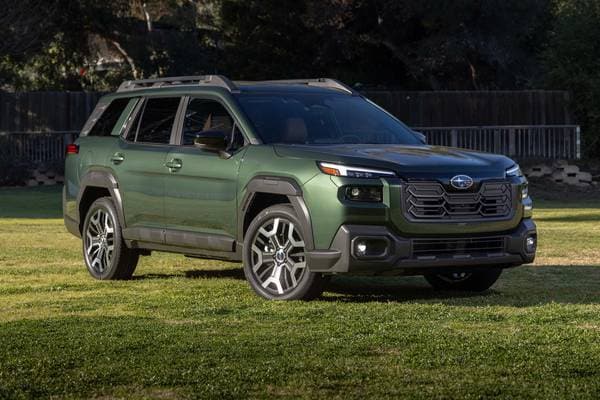
Content in this publication
- Understanding Why Fuel Economy Matters More Than Ever
- The Subaru Outback’s MPG Ratings Across Generations
- Why the Outback Performs Better Than Many Rivals
- Real-World Fuel Economy: What Drivers Actually Get
- How Driving Style Impacts Your Outback’s Efficiency
- Fuel Economy Differences: Turbo vs Non-Turbo Outback
- Fuel Type and Octane: Does Premium Improve MPG?
- Fuel Efficiency by Trim Level and Wheel Size
- Seasonal Fuel Economy Shifts
- Load, Cargo, and Roof Accessories Impact on MPG
- Best Maintenance Practices to Boost MPG
- Long-Distance Highway MPG: The Outback’s Strongest Zone
- City Driving: What to Expect and How to Improve
- A Deep Dive Into the Outback Boxer Engine Efficiency
- Aerodynamics: Why the Outback Cuts Through Air Better Than You Think
- How to Maximise Your Subaru Outback Fuel Economy Today
- Final Thoughts: The Outback’s Fuel Economy Is a Quiet Superpower
- FAQs
Understanding Why Fuel Economy Matters More Than Ever
Fuel economy has become the heartbeat of modern car ownership. We all want a vehicle that keeps adventure alive without draining our wallets. And if you’re considering a Subaru Outback—or already own one—you probably know the model's reputation for long-distance comfort, rugged capability, and a surprisingly frugal appetite when driven right. But what does “good fuel economy” truly look like for an Outback? And how can we squeeze every extra mile out of each tank?
We explore all of that here—mixing real-world insights, engineering breakdowns, and practical advice—so you walk away knowing exactly how to maximise your Subaru Outback’s MPG like a pro.
The Subaru Outback’s MPG Ratings Across Generations
If we zoom out for a moment, the Outback’s efficiency story is a tale of evolution. Over the years, Subaru has refined engines, improved aerodynamics, trimmed weight, and sharpened its all-wheel-drive components—all contributing to better real-world fuel economy.
EPA Estimates by Engine Type (Recent Model Years)
- 2.5L Naturally Aspirated Boxer (most common)
- 26 MPG city
- 33 MPG highway
- 29 MPG combined
- 2.4L Turbo Boxer
- 23 MPG city
- 30 MPG highway
- 26 MPG combined
- 3.6L Flat-Six (older models)
- 20 MPG city
- 27 MPG highway
- 22 MPG combined
When we look behind the numbers, it becomes obvious: the 2.5L boxer engine is the sweet spot for drivers who prioritise fuel savings, while the turbo variant trades a bit of efficiency for more effortless power.
Why the Outback Performs Better Than Many Rivals
We’re often asked, “Why does the Outback do so well on MPG for an AWD SUV?” Good question. The answer lies in Subaru’s engineering philosophy.
Key Factors Improving Fuel Economy
Subaru’s Signature Symmetrical AWD
Most SUVs engage the rear wheels only when needed. Subaru, however, gives you permanent AWD—yet does it so efficiently that the system wastes almost no energy.
Low-Slung Boxer Engine
Think of it as the Outback’s “stability superpower.” The flat engine lowers the centre of gravity, meaning:
- The body doesn’t lean as much.
- Aerodynamics stay more consistent.
- The car wastes less energy correcting motion.
Continuously Variable Transmission (CVT)
Whether we love it or hate it, the CVT plays a huge role in delivering strong real-world MPG because it keeps the engine in its efficiency sweet spot.
Real-World Fuel Economy: What Drivers Actually Get
Official numbers are great, but what do everyday drivers report? From long-distance road-trippers to mountain-trail adventure lovers, the consensus is clear: Outbacks often outperform their own ratings.
Typical Real-World MPG Results
- Highway driving: 31–36 MPG
- City driving: 23–27 MPG
- Mixed driving: 27–31 MPG
- Light-footed hypermiling: Up to 38 MPG (yes, achievable!)
These values obviously vary depending on terrain, temperature, and driving style—but overall, the Outback tends to impress.
How Driving Style Impacts Your Outback’s Efficiency
One of the easiest ways to boost MPG is changing how we drive. Most of us lose 3–6 MPG simply by accelerating harder than needed.
Driving Habits That Increase Fuel Economy
- Smooth acceleration—no jackrabbit starts.
- Keeping a steady pace on the highway.
- Using cruise control where possible.
- Maintaining momentum on hills rather than surging.
Habits That Hurt MPG
- Hard acceleration or braking.
- Constant lane switching.
- Driving above 70 mph.
- Over-revving the engine manually in “manual mode.”
Each of these can nibble away at efficiency little by little, like a slow leak in your wallet.
Fuel Economy Differences: Turbo vs Non-Turbo Outback
Let’s break it down without the fluff.
2.5L Naturally Aspirated
- Best for economy
- Smooth power delivery
- Ideal for commuters
2.4L Turbocharged
- Punchier acceleration
- Better towing and passing power
- Slightly lower MPG
- Great for drivers who often carry passengers or gear
Turbo engines shine when you need muscle, but they sip more fuel when pushed hard.
Subaru Outback engines are designed to run perfectly on regular 87-octane fuel. While some drivers swear premium gives them better MPG, the improvement is usually:
- Minimal (1–2 MPG at best)
- Not worth the cost difference
Unless you're driving a turbocharged Outback and want maximum engine performance under heavy loads, regular unleaded is your wallet-friendly winner.
Fuel Efficiency by Trim Level and Wheel Size
A less obvious MPG influencer is wheel and tyre choice.
Why Size Matters
Bigger wheels =
- More weight
- More rolling resistance
- Slight MPG penalty
For example:
- Outbacks with 18-inch wheels often report 1–2 MPG lower economy vs. 17-inch variants.
It’s not a dealbreaker, but it’s good to know if efficiency is your top priority.
Seasonal Fuel Economy Shifts
If your Outback suddenly loses MPG in winter, don’t panic—it’s normal.
Why MPG Drops in Cold Weather
- Engines take longer to reach operating temperature
- Winter fuel blends contain more additives
- Tyres lose pressure
- More idling
- Denser cold air increases drag
Expected Winter Drop
Most drivers see a 2–5 MPG reduction when temperatures fall.
Load, Cargo, and Roof Accessories Impact on MPG
We buy an Outback partly because we want adventure—kayaks, bikes, roof boxes, the whole picture. But accessories do influence economy.
Items That Reduce Fuel Efficiency
- Roof boxes: −2 to −4 MPG
- Kayaks / bikes: −3 to −6 MPG
- Heavy cargo: More weight = more fuel
- Off-road tyres: Increased rolling resistance
If you want maximum MPG on highways, remove roof gear when not in use.
Best Maintenance Practices to Boost MPG
Think of this section as the Outback’s “fuel-saving health plan.”
Maintenance Items That Improve Fuel Economy
- Regular oil changes with Subaru-approved viscosity
- Clean engine air filter
- Properly inflated tyres
- Fresh spark plugs
- CVT fluid changes on schedule
- Wheel alignment checks
- Correct tyre type
A properly maintained Outback can run smoother, accelerate cleaner, and burn fuel more efficiently.
Long-Distance Highway MPG: The Outback’s Strongest Zone
The Subaru Outback is a born cruiser. Long, level highway journeys show the model’s efficiency potential.
Real-World Highway Examples
- Flat Midwest roads: Up to 36–38 MPG
- Mountain highways: Around 28–33 MPG
- Coastal routes with wind: 26–31 MPG
Wind direction matters more than most people realise—tailwinds can turn the Outback into an MPG champion.
City Driving: What to Expect and How to Improve
City environments challenge every vehicle’s fuel economy, including the Outback.
Why MPG Drops in the City
- Constant braking
- Idle time
- Short trips where engine never warms fully
Ways to Reduce City Fuel Consumption
- Avoid unnecessary idling
- Keep tyres inflated
- Combine errands into one longer trip
- Use eco-driving techniques
These adjustments might seem small, but they stack up over time.
A Deep Dive Into the Outback Boxer Engine Efficiency
The boxer engine isn’t just cool to look at—it’s inherently designed for efficiency.
Benefits of the Boxer Layout
- Less vibration
- Better thermal balance
- More compact profile
- Reduced energy loss
When paired with the CVT, the Outback creates an equilibrium between performance and economy that many rivals struggle to match.
Aerodynamics: Why the Outback Cuts Through Air Better Than You Think
Even though it’s a rugged wagon-SUV hybrid, the Outback has a surprisingly aerodynamic silhouette.
Contributing Features
- Streamlined roofline
- Flow-managed bumpers
- Integrated roof rails
- Airflow-optimised wheel arch shapes
The result? Less drag. More MPG. Fewer fuel stops.
How to Maximise Your Subaru Outback Fuel Economy Today
Here’s your quick, practical checklist—easy steps that deliver real improvements.
Fuel-Saving Action List
- Keep tyres at recommended pressure
- Remove unused roof gear
- Avoid heavy, unnecessary cargo
- Drive smoother and slower
- Keep up with maintenance
- Use cruise control on highways
- Stick to regular unleaded fuel
Small steps, big results—just like tightening a jar lid to keep all the freshness inside.
Final Thoughts: The Outback’s Fuel Economy Is a Quiet Superpower
After breaking everything down, we can confidently say the Subaru Outback’s fuel economy is one of the model’s most underrated attributes. Whether you’re commuting through the city, carving through mountain passes, or road-tripping across the country, the Outback consistently performs better than many expect. It’s the kind of car that rewards smooth, thoughtful driving—much like a calm conversation that carries more meaning than a loud, rushed one.
With the right habits, a well-maintained Outback isn't just fuel-efficient—it becomes a long-distance companion that sips fuel gently while giving you the freedom to explore far beyond your postcode.
FAQs
1. Does the Subaru Outback get good gas mileage?
Yes. Modern models average 26–33 MPG depending on engine choice and driving conditions, often exceeding EPA ratings.
2. Which Subaru Outback engine is most fuel-efficient?
The 2.5L naturally aspirated engine delivers the best fuel economy across real-world driving scenarios.
3. Can roof racks reduce my Outback’s MPG?
Absolutely. Roof boxes and bikes can reduce MPG by 2–6.
4. What RPM is ideal for best fuel economy?
Keeping RPM between 1,500–2,200 provides the most efficient operation for the boxer engine.
Not significantly. Regular 87-octane is recommended and performs efficiently for nearly all driving conditions.
If you want to know other articles similar to Subaru Outback Fuel Economy: The Complete Real-World Guide you can visit the category Driving.
Kia Sorento Fuel Economy: MPG, Hybrid, and Plug-In Hybrid Explained
BYD Shark 6 Fuel Consumption: Real-World Economy, Range and What to Expect
Vauxhall Agila MPG: Real-World Fuel Economy and Engine Guide

Honda Passport MPG: Real-World Fuel Economy, Ratings, and What to Expect

Nissan Rogue Fuel Economy: MPG, Range, Costs, and Real-World Efficiency
BYD Shark 6 Long Range Fuel Tank: Is the 120L Upgrade Worth It?
Leave a Reply
More content of your interest