

Kia Ceed Indicators Not Working: The Complete Troubleshooting Guide We All Need

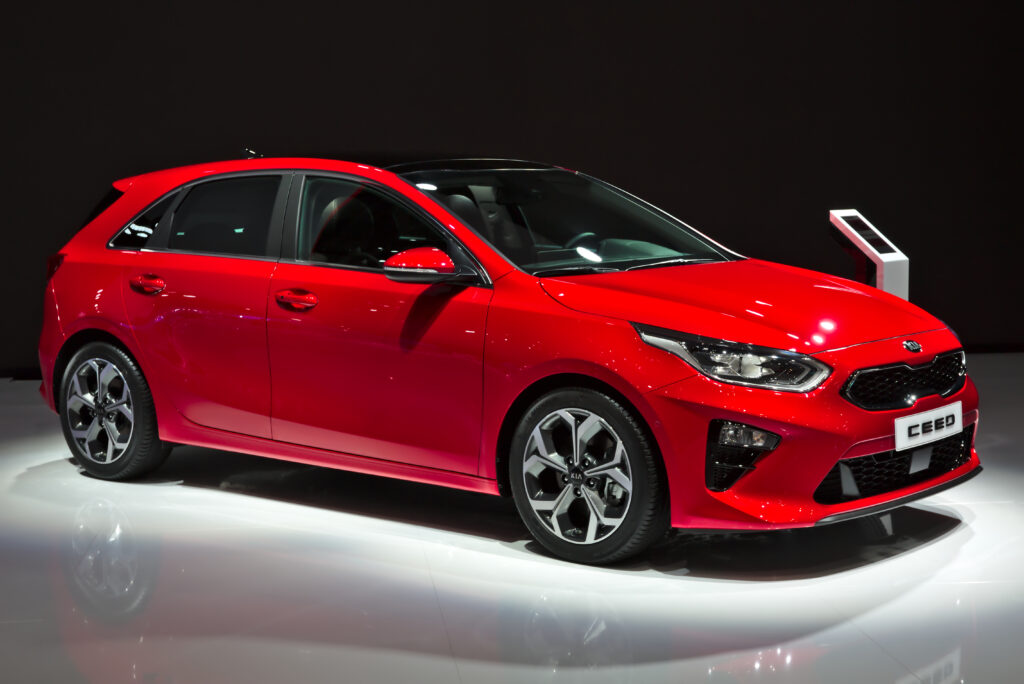
When our Kia Ceed indicators stop working, it can feel like standing at a crossroads with no signpost. We’re left guessing, hoping the system magically resets itself. But indicators are more than flashing lights—they’re the language our car uses to speak to other drivers. When they fail, safety takes a back seat. So today, we’re diving deep—really deep—into every reason, fix, symptom, and component that could be behind Kia Ceed indicator problems.
Together, we’ll strip away misconceptions, decode the electrical labyrinth, and bring clarity to a problem that too many Ceed drivers face. Buckle up; we’re going full beam.
Content in this publication
- Why Kia Ceed Indicators Stop Working: The Root Causes
- Symptoms of Kia Ceed Indicator Failure
- Step-by-Step Guide: How We Diagnose Faulty Indicators on a Kia Ceed
- Common Fixes for Kia Ceed Indicator Problems
- Why the Hazard Light Switch Matters More Than We Think
- Kia Ceed Generational Differences in Indicator Issues
- Preventing Future Indicator Issues
- When to Visit a Mechanic Instead of DIY
- Cost Breakdown of Common Repairs
- Why Indicators Are a Safety Priority
- Final Thoughts: Bringing Clarity Back to Your Ceed
- FAQs
Why Kia Ceed Indicators Stop Working: The Root Causes
The indicator circuit is surprisingly intricate. A tiny fault in one corner can ripple across the entire system. Below, we unravel the most common culprits behind malfunctioning Kia Ceed indicators.
Electrical Faults in the Indicator Circuit
Electrical gremlins seldom travel alone. When we encounter flickering, slow blinking, or total failure, wiring is often the hidden villain.
Blown Indicator Bulbs
Simple, yes. Common, absolutely. A blown bulb can cause hyper-flashing, no flashing, or one-side failure.
Faulty Indicator Relay
Earlier Ceed models rely heavily on a flasher relay. If worn or burnt, it disrupts the rhythm entirely.
Steering Column Switch Failure
The indicator stalk is a tactile extension of us. But inside? Tiny copper contacts that wear out over time.
Fuse Issues
A fuse protects the indicator circuit from overload. If blown, the system simply goes dark.
Faulty Hazard Light Switch
Oddly enough, the hazard switch is part of the indicator circuit. If it fails, indicators can stop altogether.
BCM (Body Control Module) Malfunctions
The BCM is the Ceed’s electrical brain. A glitch here can knock out indicators, interior lamps, and more.
Trailer Module Failure
If your Ceed tows, a failing trailer module can interfere with the car’s own indicator function.
Symptoms of Kia Ceed Indicator Failure
Complete Loss of Indicator Function
When nothing lights up, we know we’re dealing with a circuit-level failure.
Fast Flashing Indicators (Hyper-Flash)
Hyper-flash means the system is warning us about a failed bulb or mismatched LED retrofit.
Indicators Blink Once Then Stop
Often caused by relay fatigue or failing stalk contacts.
Only One Side Not Working
Classic sign of a blown bulb or wiring issue on that side.
Dashboard Indicator Lights Work, External Ones Don’t
Usually issues with bulbs, wiring near light clusters, or grounding points.
Indicators Work Intermittently
Electrical. Always electrical. Something is loose, corroded, or overheating.
Step-by-Step Guide: How We Diagnose Faulty Indicators on a Kia Ceed
Before replacing half the car, we take a structured approach. Think of it as detective work—with gloves.
Step 1: Check All Indicator Bulbs
- Inspect front, rear, and side repeaters.
- Look for blackened filaments or moisture inside the casing.
- Test each with hazard lights activated.
Step 2: Test the Fuses
Locate the fuse boxes (one inside cabin, one in engine bay) and identify:
- Turn signal fuse
- Hazard fuse
- BCM-related fuses
Replace only with identical amp ratings.
Step 3: Listen for the Relay
Turn on indicators and listen:
- No clicking? Relay likely dead.
- Erratic clicking? Relay or wiring issue.
Step 4: Inspect the Indicator Stalk
Faulty stalk symptoms:
- Feels loose
- Click position doesn’t engage
- Indicators fail when pushed lightly but work when pushed harder
Step 5: Check Earth Connections
Bad grounds cause:
- Dim lights
- Intermittent function
- One side working better than the other
Step 6: Scan the Car for BCM Fault Codes
Using OBD:
- Look for codes related to “lighting control” or “communication failures.”
Step 7: Inspect the Hazard Switch
If hazards don’t work, indicators won’t either—because the switch links both systems.
Common Fixes for Kia Ceed Indicator Problems
Replace Burned-Out Bulbs
Use correct wattage and avoid cheap alternatives.
Install a New Relay
Affordable, quick, and a frequent cause in Ceed models from 2006–2012.
Repair or Replace the Indicator Stalk
Often requires steering column trim removal.
Fix Wiring Faults
Corrosion in Ceeds is common around:
- Rear clusters
- Under-wheel arch liners
- Trailer harness points
Replace Faulty Fuse
Cheap fix—and sometimes the overlooked hero.
BCM Reset or Reprogramming
When the system behaves erratically, a software refresh can revive it.
Replace Trailer Module
Tow-equipped Ceeds rely on these modules to maintain correct light loads.
Why the Hazard Light Switch Matters More Than We Think
The hazard switch isn’t just a button; it’s a gateway. In the Ceed, it routes turn signal voltage. If it fails, indicators can:
- Stop working
- Work only on one side
- Work only with hazards engaged
It’s a small part with a large influence.
Kia Ceed Generational Differences in Indicator Issues
First Generation (2006–2012)
- Relays fail more frequently
- Indicator stalk wear is common
- Grounding faults near rear light clusters
Second Generation (2012–2018)
- BCM faults more likely
- LED retrofits cause hyper-flash
- Hazard switch faults slightly improved
Third Generation (2018–present)
- Fewer physical issues
- BCM logic faults occasionally freeze indicator function
- Software updates often cure intermittent failures
Preventing Future Indicator Issues
Use Quality Bulbs
Cheap LEDs create inconsistent resistance and confuse the circuit.
Inspect Grounds Every Year
A 10-minute check saves hours later.
Avoid Moisture Build-Up
Condensation inside clusters often leads to corrosion.
Limit Cheap Towbar Harnesses
Compatibility matters more than price.
When to Visit a Mechanic Instead of DIY
We love DIY—but sometimes a professional touch saves time and trouble.
Seek help if:
- Indicators fail alongside unrelated systems
- BCM codes won’t clear
- Wiring faults appear deep within harnesses
- You smell burning or see melted connectors
Cost Breakdown of Common Repairs
| Repair | Estimated Cost (UK) |
|---|---|
| Bulb replacement | £5–£15 |
| Relay replacement | £15–£40 |
| Indicator stalk | £60–£120 |
| BCM reprogramming | £80–£150 |
| BCM replacement | £250–£600 |
| Trailer module replacement | £80–£200 |
Why Indicators Are a Safety Priority
Indicators are trust signals. They tell drivers:
- “I’m turning.”
- “I’m changing lanes.”
- “I’m manoeuvring.”
Without them, we’re communication-silent on the road.
Final Thoughts: Bringing Clarity Back to Your Ceed
When our Kia Ceed indicators stop working, the cause might be tiny, but the impact feels enormous. By breaking down the issue from bulbs to BCM, we’ve taken a journey through both the mechanical and the electrical soul of the car.
Sometimes it’s a simple bulb; sometimes it’s a deeper electrical mystery—but with the right approach, we can bring that familiar, reassuring blink back to life. Keeping our Ceed healthy means keeping our communication bright, clear, and reliable.
FAQs
1. Why are my Kia Ceed indicators blinking fast?
Because the system detects incorrect resistance—usually a blown bulb or incompatible LED.
2. Why do my indicators work sometimes but not always?
Loose wiring or worn indicator stalk contacts often cause intermittent behaviour.
3. Can a bad hazard switch stop the indicators?
Absolutely. In the Ceed, it’s part of the indicator circuit.
4. Why are my dashboard indicators working but the external lights aren’t?
Most likely blown bulbs, bad grounds, or corroded connectors.
5. Can the BCM cause all indicators to stop working?
Yes. The BCM controls the indicator logic and can disable function during faults.
If you want to know other articles similar to Kia Ceed Indicators Not Working: The Complete Troubleshooting Guide We All Need you can visit the category Common Problems.
Toyota Hilux DPF Problems: Causes, Symptoms, Fixes, and Prevention
Toyota Hilux Issues: Common Problems, Causes and What to Check

Subaru XV Not Starting: Causes, Diagnosis, and Fixes
BMW M2 Issues: Common Problems, Reliability and What Owners Should Know
Subaru XV Issues: Common Problems, Reliability and What Owners Should Know
Subaru XV Hybrid Problems: What Owners Should Know
Leave a Reply
More content of your interest