

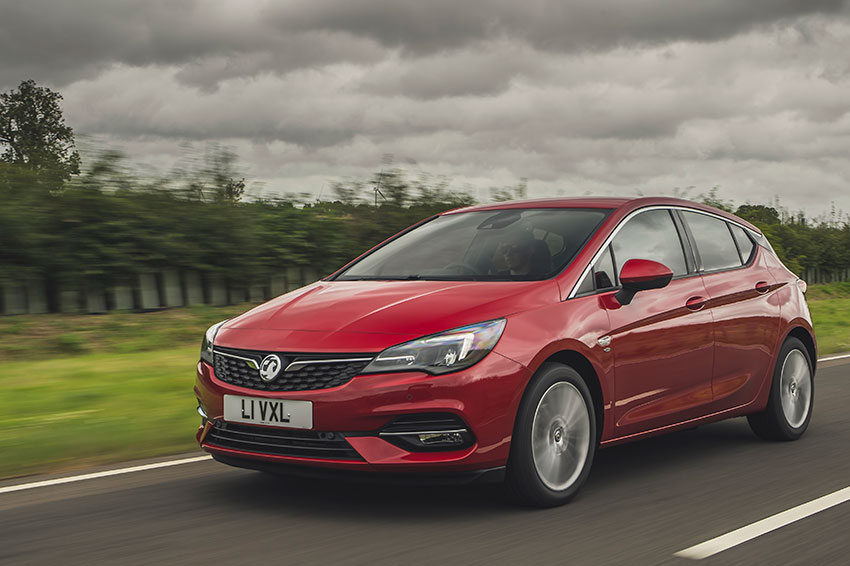
Vauxhall Astra Real MPG (2015–Present): Real-World Fuel Economy Explained

Content in this publication
- A Clear Look at Real MPG Performance
- Real MPG at a Glance
- Owner-Reported Data: What It Tells Us
- Petrol Engines: Real-World Consumption
- Diesel Engines: Real-World Consumption
- Manual vs Automatic: MPG Differences
- Driving Conditions That Shape Real MPG
- How Driving Style Alters Fuel Economy
- Maintenance and MPG: A Direct Link
- Real MPG Compared to Official Figures
- Astra vs Key Rivals (Real MPG Perspective)
- Used Market Insight: Economy Over Time
- Strengths That Matter to Real MPG Drivers
- Limitations Worth Knowing
- Ownership Verdict
- Frequently Asked Questions
A Clear Look at Real MPG Performance
We assess the real-world fuel economy of the Vauxhall Astra (from 2015 onwards) using owner-submitted Real MPG data, practical driving insights, and engine-by-engine analysis. This guide focuses on what drivers actually achieve on the road—across urban commutes, mixed use, and long motorway runs—so expectations align with everyday ownership rather than brochure claims.
Real MPG at a Glance
- Model generation: Astra K (2015–2021) and early Astra L cross-over years where relevant
- Strengths: Consistently competitive real-world economy, low running costs, broad engine choice
- Trade-offs: Variability between engines and gearboxes, economy sensitive to driving style
Owner-Reported Data: What It Tells Us
Hundreds of Real MPG submissions paint a dependable picture. Across petrol and diesel options, the Astra tends to deliver honest, repeatable efficiency with minimal surprises—particularly when serviced on schedule and driven smoothly.
- Petrol engines offer respectable returns for mixed use and urban driving
- Diesels excel on longer journeys with strong motorway efficiency
- Manual gearboxes typically edge automatics for economy, especially in town
Petrol Engines: Real-World Consumption
1.0 Turbo (105 PS)
- Typical Real MPG: ~45–50 mpg
- Best for: City driving, short commutes
- Notes: Lightweight and efficient when not heavily loaded; economy drops with aggressive acceleration.
1.4 Turbo (125–150 PS)
- Typical Real MPG: ~40–45 mpg
- Best for: Balanced performance and daily usability
- Notes: The sweet spot for many owners—strong mid-range pull without excessive fuel use.
1.6 Petrol (Naturally Aspirated)
- Typical Real MPG: ~38–42 mpg
- Best for: Simplicity-focused drivers
- Notes: Less efficient than turbo units; predictable and smooth.
Diesel Engines: Real-World Consumption
1.6 CDTi (110–136 PS)
- Typical Real MPG: ~55–60 mpg
- Best for: High-mileage users, motorway driving
- Notes: One of the strongest real-world performers; excellent cruising efficiency.
1.6 CDTi BiTurbo
- Typical Real MPG: ~50–55 mpg
- Best for: Drivers needing extra torque without a major economy penalty
- Notes: Slightly lower mpg than single-turbo but still impressive.
Manual vs Automatic: MPG Differences
Manual Astras consistently return 2–4 mpg better than their automatic counterparts. Automatics perform best on steady motorway routes, while manuals shine in mixed and urban driving.
Driving Conditions That Shape Real MPG
Urban Use
- Frequent stop-start reduces mpg by 10–20%
- Cold starts significantly impact short journeys
Motorway Cruising
- Optimal efficiency achieved between 60–70 mph
- Diesel engines show the greatest gains here
Mixed Driving
- Most owners fall into this category
- Balanced acceleration and early gear changes deliver the best results
How Driving Style Alters Fuel Economy
- Smooth throttle inputs preserve turbo efficiency
- Anticipation and coasting reduce fuel demand
- Consistent speeds outperform frequent acceleration
Small habits compound over time, often creating a 5–8 mpg difference between drivers of identical cars.
Maintenance and MPG: A Direct Link
- Correct tyre pressures improve rolling efficiency
- Timely air filter and oil changes preserve combustion efficiency
- Software updates can subtly enhance throttle response and economy
Real MPG Compared to Official Figures
Official WLTP and earlier NEDC figures tend to be optimistic. Real MPG results are typically 10–15% lower, which places the Astra in line with its class rivals—and often ahead of them in diesel form.
Astra vs Key Rivals (Real MPG Perspective)
- Ford Focus: Similar petrol efficiency, slightly lower diesel mpg
- Volkswagen Golf: Comparable but often more expensive to buy used
- Peugeot 308: Strong diesel returns, petrols less consistent
The Astra stands out for value per mile, especially on the used market.
Used Market Insight: Economy Over Time
As mileage rises, Astra engines—particularly the 1.6 CDTi—maintain stable fuel economy when serviced correctly. Depreciation works in the buyer’s favour, turning solid Real MPG into excellent long-term value.
Strengths That Matter to Real MPG Drivers
- Lightweight platform enhances efficiency
- Aerodynamic design supports motorway economy
- Broad engine range suits varied driving profiles
Limitations Worth Knowing
- Larger wheels marginally reduce mpg
- Automatic gearboxes prioritise comfort over efficiency
- Urban-only use diminishes diesel advantages
Ownership Verdict
We find the Vauxhall Astra (2015–present) to be a consistently efficient real-world performer. Its Real MPG figures reflect sensible engineering, practical gearing, and engines tuned for everyday use rather than headline numbers. For drivers seeking dependable fuel economy without premium pricing, the Astra remains a benchmark choice.
Frequently Asked Questions
Is the Vauxhall Astra economical in real-world driving?
Yes. Owner-reported data confirms strong, repeatable fuel economy across petrol and diesel variants.
Which Astra engine delivers the best Real MPG?
The 1.6 CDTi diesel consistently achieves the highest real-world mpg, particularly on longer journeys.
Do petrol Astras still offer good fuel economy?
Absolutely. Turbocharged petrol engines provide competitive mpg for mixed and urban use.
Does wheel size affect Real MPG?
Yes. Larger alloy wheels slightly reduce efficiency due to increased rolling resistance.
Is the Astra a good used car for fuel-conscious buyers?
Very much so. Strong Real MPG combined with heavy depreciation creates excellent value per mile.
If you want to know other articles similar to Vauxhall Astra Real MPG (2015–Present): Real-World Fuel Economy Explained you can visit the category Driving.
Kia Sorento Fuel Economy: MPG, Hybrid, and Plug-In Hybrid Explained
BYD Shark 6 Fuel Consumption: Real-World Economy, Range and What to Expect
Vauxhall Agila MPG: Real-World Fuel Economy and Engine Guide

Honda Passport MPG: Real-World Fuel Economy, Ratings, and What to Expect

Nissan Rogue Fuel Economy: MPG, Range, Costs, and Real-World Efficiency
BYD Shark 6 Long Range Fuel Tank: Is the 120L Upgrade Worth It?
Leave a Reply
More content of your interest