

Mercedes Benz A-Class Fuel Consumption: Real-World MPG, Costs & Smart Driving

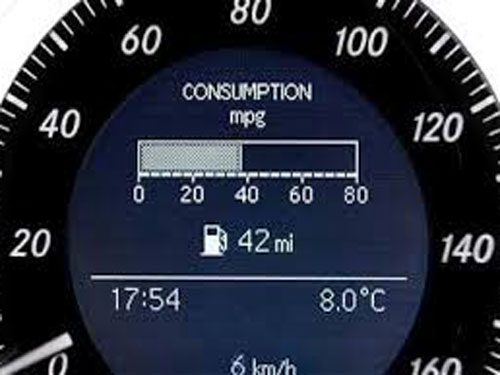
Fuel economy isn’t just a number on a brochure—it’s the rhythm of your daily drive. It’s how often you stop at the pump, how much you spend over a year, and how guilt-free that weekend road trip feels. With the Mercedes-Benz A-Class, we’re promised premium comfort in a compact shell, but how does it really sip fuel in the real world?
Let’s break it down—generation by generation, engine by engine, and mile by mile. We’ll cut through marketing fluff and talk about actual consumption, ownership costs, and the small habits that turn a thirsty hatchback into a disciplined cruiser.
Content in this publication
- Why Fuel Consumption Matters More Than Ever
- Mercedes A-Class Generations at a Glance
- Petrol vs Diesel: The A-Class Divide
- Fuel Consumption by Popular Models
- Hybrid & Mild-Hybrid Efficiency
- City vs Motorway Consumption
- What Impacts Your Real MPG?
- Eco Driving Tips That Actually Work
- Annual Fuel Cost Estimates
- A-Class vs Rivals
- Long-Term Ownership: Efficiency Over Time
- Is the A-Class a Good Choice for High-Mileage Drivers?
- Fuel Consumption Myths Debunked
- The Emotional Side of MPG
- Closing Thoughts
- FAQs
Why Fuel Consumption Matters More Than Ever
Fuel prices fluctuate like tides, and urban driving is only getting denser. In this climate, efficiency is freedom.
- Fewer fill-ups
- Lower monthly running costs
- Reduced emissions
- Higher resale value
The A-Class aims to balance luxury and economy—but the balance shifts depending on which A-Class you own.
Mercedes A-Class Generations at a Glance
W168 (1997–2004) – The Pioneer
- Tall body, lightweight build
- Engines: 1.4–2.1L petrol & diesel
- Average real MPG: 38–48 mpg (UK)
W169 (2004–2012) – The Refined Box
- Improved aerodynamics
- Better diesel efficiency
- Real MPG: 42–55 mpg
W176 (2012–2018) – The Sporty Shift
- Hatchback redesign
- Turbocharged engines
- Real MPG: 45–62 mpg
W177 (2018–Present) – The Tech Era
- Mild hybrids & refined diesels
- Best real MPG: 55–68 mpg
Each generation shaved grams, streamlined airflow, and tuned gear ratios—all in pursuit of fewer fuel stops.
Petrol vs Diesel: The A-Class Divide
Petrol Models
- Quieter, smoother
- Better for short trips
- Typical real MPG: 38–50 mpg
Diesel Models
- Torque-rich
- Long-distance kings
- Real MPG: 55–70 mpg
Think of petrol as a sprinter—quick, responsive. Diesel? A marathon runner that barely breaks a sweat at motorway speeds.
Fuel Consumption by Popular Models
A180 (Petrol)
- Real MPG: 42–47
- Urban-friendly
- Ideal for city commuters
A200 (Petrol)
- Real MPG: 38–44
- More power, slightly thirstier
A180d (Diesel)
- Real MPG: 58–65
- Budget champion
A200d (Diesel)
- Real MPG: 55–62
- Perfect for motorway drivers
A250 & AMG Variants
- Real MPG: 28–36
- Performance first, economy second
Hybrid & Mild-Hybrid Efficiency
The W177 introduced 48-volt mild-hybrid tech. It doesn’t drive on electricity alone—but it:
- Assists acceleration
- Powers stop-start systems
- Recovers braking energy
Real-world gains? Around 5–10% better economy in mixed driving.
It’s like having a quiet co-pilot giving your engine gentle nudges.
City vs Motorway Consumption
| Driving Style | Typical MPG |
|---|---|
| Urban traffic | 32–40 |
| Mixed driving | 40–55 |
| Motorway cruising | 55–70 |
Stop-start traffic is where fuel goes to die. Open roads? That’s where the A-Class shines.
What Impacts Your Real MPG?
1. Driving Style
Smooth inputs = smooth consumption.
- Gentle acceleration
- Early upshifts
- Predictive braking
2. Vehicle Weight
Boot full? Passengers aboard? Expect a dip.
3. Tyres & Pressure
Under-inflated tyres can increase fuel use by up to 5%.
4. Maintenance
Dirty air filters and old spark plugs make engines work harder.
5. Climate & Terrain
Cold starts and hills raise consumption.
Eco Driving Tips That Actually Work
- Shift up early
- Use cruise control on highways
- Avoid roof racks unless needed
- Warm up by driving, not idling
- Combine errands into one trip
Each tip alone seems small. Together? They can save hundreds per year.
Annual Fuel Cost Estimates
Assuming 12,000 miles/year and average UK prices:
| Model | MPG | Annual Fuel Cost |
|---|---|---|
| A180 Petrol | 45 | ~£1,700 |
| A200 Petrol | 40 | ~£1,900 |
| A180d Diesel | 62 | ~£1,300 |
| A200d Diesel | 58 | ~£1,400 |
| AMG A35 | 30 | ~£2,500 |
Fuel choice isn’t just technical—it’s financial strategy.
A-Class vs Rivals
BMW 1 Series
- Similar petrol MPG
- Slightly better diesel economy
Audi A3
- Marginally more efficient hybrids
- Comparable petrol figures
VW Golf
- Often cheaper to run
- Less premium feel
The A-Class wins on balance—not always the most frugal, but rarely the worst.
Long-Term Ownership: Efficiency Over Time
As mileage climbs:
- Injectors age
- Turbo efficiency drops
- Sensors drift
A well-maintained A-Class retains its economy. Neglect turns it into a leaky wallet.
Is the A-Class a Good Choice for High-Mileage Drivers?
Yes—if you choose wisely.
Best picks:
- A180d
- A200d
- Mild-hybrid petrol models
Avoid if:
- You mainly drive short urban trips in diesel
- You prioritize performance over cost
Fuel Consumption Myths Debunked
- “AMG can be efficient if driven gently” – Only partly true
- “Diesel is always cheaper” – Depends on mileage
- “Eco mode ruins performance” – It simply softens throttle response
Efficiency isn’t about sacrificing joy—it’s about using it wisely.
The Emotional Side of MPG
Every time we stretch a tank further than expected, it feels like beating the system. That moment when the fuel gauge barely moves on a long drive? That’s satisfaction. The A-Class, when driven thoughtfully, gives us that quiet victory.
Closing Thoughts
The Mercedes-Benz A-Class proves that premium doesn’t have to mean wasteful. From frugal diesels sipping fuel like espresso to mild hybrids smoothing city drives, there’s an A-Class for every rhythm of life.
Choose the right engine. Drive with intention. Maintain with care. Do that—and your A-Class won’t just carry you forward—it’ll do so efficiently, elegantly, and economically.
FAQs
1. What is the most fuel-efficient A-Class?
The A180d and A200d models, often achieving 60–70 mpg in real driving.
2. Are petrol A-Class models expensive to run?
Not excessively—most average 40–45 mpg, competitive for the segment.
3. Does Eco mode really save fuel?
Yes. It softens throttle response and optimizes gear changes for efficiency.
4. Is diesel still worth it in cities?
Only if you regularly drive longer distances; otherwise petrol suits better.
5. Do AMG models have poor fuel economy?
They’re performance-focused, averaging 28–35 mpg—fun first, savings second.
If you want to know other articles similar to Mercedes Benz A-Class Fuel Consumption: Real-World MPG, Costs & Smart Driving you can visit the category Driving.
Kia Sorento Fuel Economy: MPG, Hybrid, and Plug-In Hybrid Explained
BYD Shark 6 Fuel Consumption: Real-World Economy, Range and What to Expect
Vauxhall Agila MPG: Real-World Fuel Economy and Engine Guide

Honda Passport MPG: Real-World Fuel Economy, Ratings, and What to Expect

Nissan Rogue Fuel Economy: MPG, Range, Costs, and Real-World Efficiency
BYD Shark 6 Long Range Fuel Tank: Is the 120L Upgrade Worth It?
Leave a Reply
More content of your interest