
Volkswagen Passat Fuel Tank Capacity

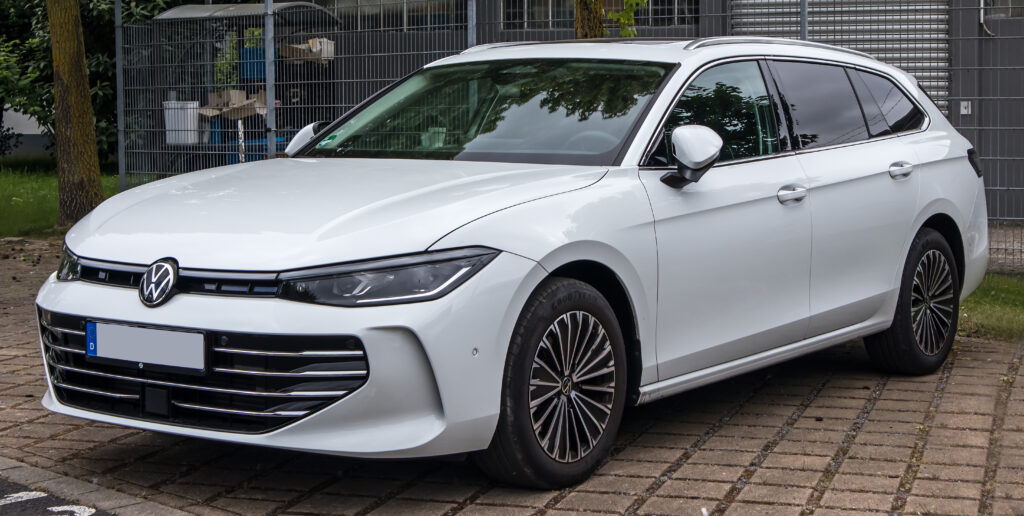
When we talk about the Volkswagen Passat, we often drift toward its comfort, German engineering, and mile-eating personality. Yet one question keeps circling like a loyal co-pilot: how big is the Volkswagen Passat fuel tank, and what does that really mean for everyday driving? We’ve all felt that small thrill when a car promises long stretches between fuel stops. The Passat, across its many generations, has built a reputation for exactly that—steady range, sensible consumption, and tanks sized for real life.
In this guide we explore everything around the Volkswagen Passat fuel tank capacity—by generations, body styles, engines, and practical ownership angles. We’ll keep it conversational, as if we’re chatting over coffee at a service station, keys on the table and a road trip ahead.
Content in this publication
- Why Fuel Tank Capacity Matters More Than You Think
- Volkswagen Passat Through the Years: Tank Sizes at a Glance
- Sedan vs Wagon: Does Body Style Change the Tank?
- Petrol vs Diesel: Same Tank, Different Story
- How Volkswagen Designs the Passat Fuel Tank
- Real-World Factors That Shrink Your Range
- Fuel Gauge Truths: Why 0 Isn’t Really Empty
- Plug-In Hybrid Passat: Smaller Tank, Bigger Idea
- How to Check Your Exact Passat Tank Size
- Filling Habits That Help the Passat Live Longer
- Comparing Passat With Rivals
- Long Trip Planning With a Passat
- Common Questions Owners Whisper
- Maintenance Issues Around the Fuel Tank
- Tips to Stretch Every Liter
- Is Bigger Always Better?
- The Emotional Side of Range
- Final Thoughts
- FAQs
Why Fuel Tank Capacity Matters More Than You Think
Fuel tank size isn’t just a number in a brochure. It shapes the rhythm of our journeys.
- Fewer stops on long highways
- Better planning for remote trips
- Realistic commuting costs
- Confidence during fuel price swings
Think of the tank as the car’s backpack. A larger one doesn’t make the car faster, but it lets us wander farther without hunting for the next pump like a thirsty traveler in the desert.
Volkswagen Passat Through the Years: Tank Sizes at a Glance
B5 and B5.5 (1996–2005)
These classic Passats typically carried 62 liters (16.4 gallons). Diesel versions, famous for sipping fuel, could stretch well beyond 1,000 km on a single fill.
B6 (2005–2010)
Capacity remained around 70 liters in many markets, giving this generation an excellent touring character.
B7 (2010–2014)
Most models featured 70 liters, though some petrol trims dropped to 68 liters depending on drivetrain.
B8 (2015–2023)
Modern efficiency arrived with tanks between 66 and 70 liters, balanced against weight savings.
Latest Passat (B9, 2024–present)
European wagon-focused models hover around 66 liters, while plug-in hybrids reduce physical tank size due to battery packaging.
Sedan vs Wagon: Does Body Style Change the Tank?
We often assume the larger estate gets a bigger tank. Surprisingly, Volkswagen usually keeps capacity identical between sedan and Variant. The difference lies not in the tank, but in weight and aerodynamics, which influence real-world range.
Petrol vs Diesel: Same Tank, Different Story
Petrol Passat Reality
A 66-liter tank with a 2.0 TSI averaging 7.5 L/100 km delivers:
- Around 880 km theoretical range
- Roughly 750 km real mixed driving
Diesel Passat Magic
The legendary 2.0 TDI at 5.0 L/100 km can achieve:
- 1,300 km potential range
- Easy four-figure distances on highways
It’s like giving two hikers the same water bottle—one sips, the other gulps.
How Volkswagen Designs the Passat Fuel Tank
The tank isn’t just a metal box. It’s a carefully shaped polymer unit designed to:
- Resist corrosion
- Reduce evaporation
- Survive impacts
- Fit around suspension and exhaust
Modern Passats use saddle-shaped tanks straddling the driveshaft tunnel, maximizing space like a clever suitcase.
Real-World Factors That Shrink Your Range
Even with the official Volkswagen Passat fuel tank capacity, life gets in the way:
- Aggressive acceleration
- Winter temperatures
- Roof boxes
- Low tire pressure
- Short urban trips
Range is a living thing, not a promise carved in stone.
Fuel Gauge Truths: Why 0 Isn’t Really Empty
Volkswagen builds in a reserve—usually 5 to 7 liters. The car wants to protect the fuel pump from running dry. So when the needle kisses zero, there’s still a safety cushion, like the last slice of bread hidden at the back of the bag.
Plug-In Hybrid Passat: Smaller Tank, Bigger Idea
The Passat GTE trades tank volume for electrons.
- Around 50 liters fuel capacity
- Plus 30–60 km electric range
- Ideal for commuters with charging access
It’s a duet between petrol and battery rather than a solo performance.
How to Check Your Exact Passat Tank Size
Not all Passats are equal. To confirm:
- Look in the owner’s manual under “Capacities”
- Check the fuel flap sticker
- Decode the VIN equipment sheet
- Ask a dealer with PR codes
Filling Habits That Help the Passat Live Longer
We’ve learned a few rituals over the years:
- Don’t overfill after the first click
- Use quality fuel to protect injectors
- Keep above quarter tank in winter
- Avoid running to absolute empty
Treat the tank kindly and it returns the favor with reliability.
Comparing Passat With Rivals
| Model | Typical Capacity |
|---|---|
| VW Passat | 66–70 L |
| Skoda Superb | 66 L |
| Ford Mondeo | 62 L |
| Mazda 6 | 62 L |
| Toyota Camry | 60 L |
The Passat often sits at the generous end of the table.
Long Trip Planning With a Passat
With a 70-liter diesel Passat we can:
- Cross several countries on one tank
- Skip expensive motorway fuel
- Plan scenic routes without anxiety
The car becomes a patient companion rather than a demanding child.
Common Questions Owners Whisper
Can the tank be upgraded?
Not realistically. Aftermarket tanks are rare and impractical due to safety and emissions rules.
Does AWD reduce capacity?
On some generations, yes—by 2–4 liters because of drivetrain packaging.
Why didn’t I get the advertised liters?
Pump cut-offs, filler neck design, and reserve margins often limit usable volume.
Maintenance Issues Around the Fuel Tank
Watch for:
- Evap system faults
- Filler flap motors
- Tank strap corrosion on older models
- Fuel pump wear from low-tank driving
None are common disasters, more like small clouds on an otherwise clear sky.
Tips to Stretch Every Liter
- Use cruise control
- Anticipate traffic
- Remove roof racks
- Keep tires at spec
- Service the engine on time
Efficiency is a habit, not a button.
Is Bigger Always Better?
A huge tank adds weight. Volkswagen tries to balance:
- Vehicle mass
- Crash safety
- Emissions
- Practical range
The Passat’s size is a compromise that usually feels just right.
The Emotional Side of Range
There’s a quiet comfort knowing the Passat can go far. It’s like a friend who never rushes you home, happy to chase sunsets until the road ends.
Final Thoughts
The Volkswagen Passat fuel tank capacity has remained one of the model’s unsung strengths. Across decades it has offered 66–70 liters of dependable freedom, pairing beautifully with efficient engines. Whether petrol, diesel, or hybrid, the Passat treats fuel as a tool for journeys rather than a constant worry.
FAQs
1. What is the average Volkswagen Passat fuel tank capacity?
Most modern Passats carry between 66 and 70 liters, depending on generation and drivetrain.
2. How far can a Passat go on a full tank?
Diesels often exceed 1,100 km, while petrol models typically achieve 700–900 km.
3. Do Passat wagons have larger tanks than sedans?
Generally no—the capacity is usually identical between body styles.
4. Why does my Passat not take the full stated liters?
Reserve fuel, pump cut-off systems, and filler design reduce usable volume.
5. Does the Passat GTE have a smaller tank?
Yes, plug-in hybrid versions drop to around 50 liters to make space for the battery.
If you want to know other articles similar to Volkswagen Passat Fuel Tank Capacity you can visit the category Service and Parts.
Nissan Qashqai Fuel Tank Capacity: Complete Guide

Suzuki Swift Fuel Tank Capacity: Complete Guide
Mazda CX-5 Weight (2013–2026): Complete Guide in Pounds and KG
Kia Sportage Dashboard Symbols and Warning Lights

MINI Cooper Weight (2002–2027): Complete Weight Chart & Guide
Toyota RAV4 Engine Sizes: Complete Guide (1994–2026)
Leave a Reply
More content of your interest