
Dacia Duster Common Faults: The Honest Owner’s Survival Guide

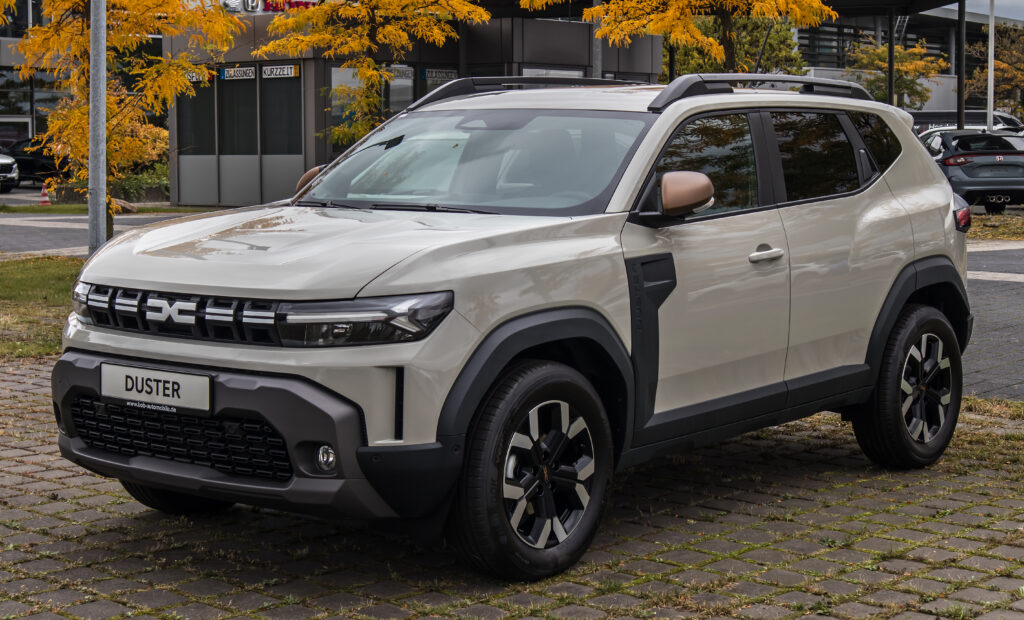
We all love the idea of a rugged SUV that costs less than a city hatchback. That’s basically the magic trick the Dacia Duster pulls off. It’s affordable, simple, surprisingly capable off-road, and refreshingly honest in a world full of over-engineered crossovers.
But let’s be real — simplicity doesn’t mean perfection.
Owning a Duster is a bit like owning a loyal farm dog. Tough, dependable, always willing… yet occasionally muddy, noisy, and prone to weird habits. Today we’re walking through the real-world common faults, what causes them, how serious they are, and whether they should scare you away (spoiler: usually not).
Content in this publication
- Why the Duster Has Faults — And Why That’s Normal
- The Most Common Dacia Duster Problems Overview
- Engine Problems
- Transmission and Clutch Issues
- Steering Problems
- Suspension and Ride Faults
- Brake Issues
- Electrical Problems
- Water Leaks and Cabin Issues
- Interior Wear and Tear
- Cooling System Problems
- Exhaust System Issues
- 4x4 System Concerns
- What Faults Are Actually Serious?
- How to Make a Duster Last Forever
- Ownership Reality: Cheap Doesn’t Mean Fragile
- Closing Thoughts
- FAQs
Why the Duster Has Faults — And Why That’s Normal
Before diving into issues, we need context.
Dacia built the Duster with three priorities:
- Low cost
- Durability
- Ease of repair
Notice what’s missing? Luxury refinement.
So many “faults” aren’t catastrophic failures — they’re compromises. A rattle instead of silence. Wear instead of electronics. Mechanical solutions instead of digital ones.
Understanding that helps you separate annoyances from real reliability problems.
The Most Common Dacia Duster Problems Overview
Let’s map the big picture first.
Top Reported Issues
- Suspension knocking
- Steering column noise
- Turbo and EGR faults
- Electrical gremlins
- Gearbox stiffness
- Water leaks
- Clutch wear
- Brake squeal
- Interior rattles
- DPF clogging (diesel models)
Now we’ll dissect each one like a mechanic with a cup of coffee and too much experience.
Engine Problems
Turbocharger Issues (1.5 dCi Diesel)
If the Duster had a celebrity fault, this would be it.
The 1.5 dCi engine is legendary — but sensitive to maintenance. The turbo rarely fails randomly. It usually dies from neglect.
Symptoms
- Whistling noise
- Loss of power
- Black smoke
- Limp mode
Cause
Oil starvation.
Small service delays + cheap oil = turbo sadness.
Prevention
Change oil every 8,000–10,000 km, not factory intervals.
Think of the turbo like a marathon runner — you don’t feed it junk and expect peak performance.
EGR Valve Carbon Build-Up
Modern diesels breathe exhaust gases back into the engine. Great for emissions, terrible for cleanliness.
Typical Signs
- Hesitation when accelerating
- Jerking at low speeds
- Engine warning light
What’s Happening
Short urban trips never heat the engine enough. Soot accumulates like cholesterol in arteries.
Quick Fix
A proper highway drive:
20 minutes above 2,500 RPM
Yes — sometimes the cure is simply driving the car properly.
DPF Clogging (Diesel Only)
This is less a fault and more a lifestyle incompatibility.
The Duster wants countryside roads. City stop-start life suffocates the DPF.
Red Flags
- Cooling fan runs constantly
- Fuel consumption rises
- Regeneration failures
Prevent It
Weekly motorway drive = healthy DPF.
Petrol Engine Coil Pack Failure
Petrol TCe engines are reliable but coils wear early.
Symptoms:
- Misfire
- Rough idle
- Flashing engine light
Luckily — cheap and easy repair.
Transmission and Clutch Issues
Stiff Gear Changes (Manual Gearbox)
Many owners think the gearbox is broken.
It isn’t.
It’s just… agricultural.
Why It Happens
- Thick factory gearbox oil
- Cold temperatures
- Cable adjustment tolerance
Solution
Replace gearbox oil with better spec fluid — dramatically smoother shifts.
Premature Clutch Wear
Especially common in:
- 4x4 models
- City drivers
- Towing use
The clutch is strong but small.
You may be interested in reading Dacia Duster Key Fob Not Working — The Complete Fix Guide
Imagine pulling a caravan with hiking boots — they work, but they wear.
Steering Problems
Steering Column Clicking Noise
One of the most talked-about Duster quirks.
Noise Description
Click or knock when turning at low speed.
Cause
Intermediate steering shaft play.
Is It Dangerous?
No — mostly annoying.
Repair
Lubrication or shaft replacement.
Suspension and Ride Faults
Front Suspension Knocking
If a Duster could talk, it would sound like this over bumps.
Clonk. Clonk. Clonk.
Main Culprits
- Drop links
- Top mounts
- Anti-roll bar bushes
They wear fast because the suspension travels a lot — off-road geometry sacrifices longevity for movement.
Rear Shock Absorber Leaks
Especially on rough roads.
Signs:
- Bouncy rear
- Uneven tyre wear
- Floaty handling
Not catastrophic — just aging parts doing their job.
Brake Issues
Brake Squeal
Very common.
Usually not failure — just pad material + dust accumulation.
Fixes
- Clean brakes
- Replace pads
- Copper grease on backing plate
Cheap, simple, effective.
Rear Brake Binding (4x4 Models)
After mud or rain, rear drums may stick overnight.
Morning drive feels like towing a boat anchor.
Drive slowly for 100 meters — usually frees itself.
Electrical Problems
Random Warning Lights
Dusters sometimes behave like they saw a ghost.
ABS light.
Airbag light.
ESP light.
Then disappear.
Cause
Battery voltage fluctuations.
Weak battery = confused computers.
Replace battery → problems vanish.
Central Locking Failure
Key fob stops unlocking doors.
Common reasons:
- Key battery
- Door actuator wear
- Moisture in connectors
Usually a €5 fix, not a €500 nightmare.
Infotainment Freezing
Not broken — just budget hardware thinking hard.
Reboot system:
Hold power button 10 seconds.
Like restarting a tired laptop.
Water Leaks and Cabin Issues
Boot Water Ingress
Water appears in spare wheel well after rain.
Cause:
Poor tailgate seal alignment.
Simple adjustment fixes it.
You may be interested in readingDacia Duster Key Fob Not Working — The Complete Fix GuideYou may be interested in reading
 Dacia Duster Not Starting — Complete Troubleshooting Guide
Door Seal Wind Noise
At motorway speeds, the Duster whispers like an old farmhouse window.
Not a defect — thin seals chosen for cost savings.
Interior Wear and Tear
Dashboard Rattles
Cold weather = orchestra of plastic.
The cabin isn’t fragile — just honest.
Fix:
Felt tape and patience.
Seat Fabric Wear
Driver seat bolsters age early.
Common in high-mileage vehicles.
Cooling System Problems
Coolant Loss
Usually not head gasket panic.
Instead:
- Expansion tank cap
- Hose clips
- Thermostat housing seepage
Small leaks, easy fixes.
Exhaust System Issues
Exhaust Heat Shield Rattle
Metallic buzzing over bumps.
Cause:
Rusty mounting washers.
Repair cost: basically coins.
4x4 System Concerns
Rear Differential Noise
Mostly harmless humming under load.
The AWD system is mechanical and durable — noises don’t equal failure.
What Faults Are Actually Serious?
Let’s separate myth from risk.
Serious
- Turbo oil starvation
- Ignoring DPF warning
- Overheating
Minor
- Steering clicks
- Rattles
- Warning light glitches
- Suspension noises
Most Duster problems are irritations — not breakdowns.
How to Make a Duster Last Forever
Think of maintenance as friendship.
Treat it right → it stays loyal.
Golden Rules
- Oil every 10k km
- Warm engine before hard driving
- Weekly highway drive (diesel)
- Clean suspension after off-road use
- Replace battery proactively
Follow these and the Duster becomes astonishingly durable.
Ownership Reality: Cheap Doesn’t Mean Fragile
The Duster isn’t trying to be a luxury SUV.
It’s trying to be:
- repairable
- understandable
- affordable
And it succeeds.
Its faults are mostly mechanical, visible, and solvable — unlike modern cars where problems hide behind software walls.
Closing Thoughts
Living with a Dacia Duster is a bit like living in the countryside. Not perfectly quiet. Not perfectly polished. But dependable, forgiving, and refreshingly uncomplicated.
Most of its “common faults” are personality traits — the price of honesty in a dishonest automotive world.
Take care of it, drive it properly, and it’ll outlast far more expensive vehicles.
Sometimes reliability isn’t about perfection.
It’s about resilience.
FAQs
1. Is the Dacia Duster unreliable?
No. It has many minor issues but few major failures. Most problems are inexpensive and easy to repair.
2. Which engine is most reliable?
The 1.5 dCi diesel with frequent oil changes is extremely durable.
3. Do Dusters rust easily?
Not usually. Later generations have good corrosion protection.
4. Are electrical faults serious?
Rarely. Most come from battery voltage or connectors.
5. Is the Duster good for long-term ownership?
Yes — especially if maintained more often than official service intervals.
You may be interested in readingDacia Duster Key Fob Not Working — The Complete Fix GuideYou may be interested in reading
Dacia Duster Not Starting — Complete Troubleshooting GuideYou may be interested in reading
 Dacia Duster Fan Not Working — Complete Troubleshooting Guide
If you want to know other articles similar to Dacia Duster Common Faults: The Honest Owner’s Survival Guide you can visit the category Common Problems.
Audi A4 Key Not Working: Causes, Fixes, and Troubleshooting Guide
Audi A4 Juddering When Pulling Away: Causes, Fixes, and Costs
Audi A4 Drive System Fault: Causes, Symptoms, and Fixes
Audi A4 Not Starting: Causes, Diagnosis, and Fixes

Subaru Impreza Key Stuck in Ignition: Causes, Fixes, and Prevention

Ford Edge Transmission Issues: Problems, Symptoms, Causes, and Fixes
Leave a Reply
More content of your interest