
Mazda CX-30 vs Toyota C-HR: The Real-World Compact SUV Showdown

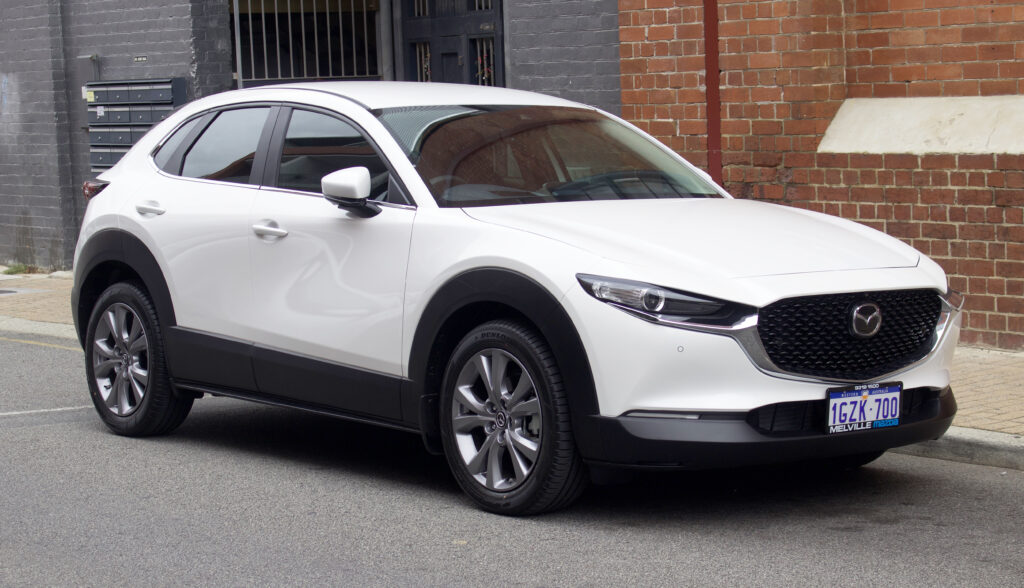
Choosing between two stylish crossovers can feel like choosing between espresso and cappuccino — same family, wildly different personality. Both the Mazda CX-30 and the Toyota C-HR sit in the sweet spot between hatchback practicality and SUV presence. Yet once we live with them, drive them daily, and stack them against real life instead of brochures… they diverge dramatically.
So we spent time imagining ownership — commuting, parking, road trips, passengers complaining, fuel stops, winter mornings — the things that actually matter.
Let’s break them down properly.
Content in this publication
- First Impressions: Design Philosophy Clash
- Dimensions and Road Presence
- Interior Experience: Premium vs Playful
- Driving Position & Visibility
- Infotainment & Controls
- Engine Options & Performance
- Handling & Driving Enjoyment
- Ride Comfort Over Bad Roads
- Fuel Economy Real-World
- Noise & Refinement
- Practicality & Space
- Safety Technology
- Reliability & Ownership Expectations
- Maintenance Costs
- Insurance & Resale Value
- Daily Ownership Experience
- Who Should Choose Each?
- The Emotional Factor
- Final Verdict: Which Is Better?
- Conclusion
- FAQs
First Impressions: Design Philosophy Clash
Mazda’s Minimalist Elegance
Mazda designs cars like furniture designers craft chairs — form follows emotion. The CX-30 uses flowing surfaces, minimal lines, and reflections that move as light shifts.
Instead of screaming for attention, it whispers confidence.
Toyota’s Bold Concept-Car Energy
The C-HR, meanwhile, looks like a transformer mid-transformation. Angular panels, hidden rear handles, dramatic creases — you either love it instantly or never will.
It’s the extrovert parked next to the introvert.
Which Ages Better?
Design trends matter long-term:
- Radical designs date quickly
- Clean designs age gracefully
Winner: Mazda CX-30
Because five years later it still looks modern, not experimental.
Dimensions and Road Presence
| Measurement | Mazda CX-30 | Toyota C-HR |
|---|---|---|
| Length | Longer | Shorter |
| Width | Wider | Narrower |
| Height | Taller stance | Lower coupe profile |
| Ground clearance | Better for rough roads | Urban focused |
What This Means in Daily Life
- CX-30 feels more like a small SUV
- C-HR feels like a tall hatchback
If you hit potholes, speed bumps, or gravel — the Mazda feels calmer.
Mazda Cabin Philosophy
Mazda treats interior space like a cockpit:
- Horizontal dashboard
- Physical buttons
- Clear driving focus
- No visual clutter
It feels expensive without trying.
Toyota Cabin Philosophy
Toyota focuses on youthful styling:
- Floating screens
- Gloss plastics
- Contrasting colors
- Sporty textures
It feels energetic — but not luxurious.
Material Quality Comparison
| Area | CX-30 | C-HR |
|---|---|---|
| Dashboard | Soft-touch | Mixed plastics |
| Doors | Padded | Harder panels |
| Steering wheel | Thick leather feel | Thinner |
| Switchgear | Solid clicks | Lighter feel |
Winner: CX-30 — by a big margin
After 2 years of ownership, this difference matters more than horsepower.
Driving Position & Visibility
Mazda
- High seating
- Thin pillars
- Natural mirror placement
Toyota
- Small rear windows
- Thick rear pillars
- Coupe-like visibility compromises
In tight parking situations, the Toyota demands trust in sensors. The Mazda lets you use your eyes.
Infotainment & Controls
Mazda: Commander Dial Approach
Instead of touchscreen dependency, Mazda uses a rotary controller.
At first: strange
After a week: addictive
Benefits:
- Less distraction
- Muscle memory control
- Easier on rough roads
Toyota: Traditional Touchscreen
Familiar but:
- Fingerprints
- Reaching forward
- More attention off road
Long-term comfort winner: Mazda
Engine Options & Performance
Mazda CX-30 Engines
- 2.0L naturally aspirated
- 2.5L naturally aspirated
- Skyactiv-X mild hybrid (in some markets)
- Optional AWD
Toyota C-HR Engines
- 1.2 turbo petrol (older markets)
- 1.8 hybrid
- 2.0 hybrid
Toyota focuses efficiency. Mazda focuses response.
You may be interested in reading Mazda CX-30 vs Toyota RAV4: The Small Premium Feel vs The Practical Giant
Acceleration Feel
| Trait | CX-30 | C-HR |
|---|---|---|
| Throttle response | Immediate | Smooth but soft |
| Highway merging | Strong | Adequate |
| Overtaking | Confident | Planned |
| Character | Driver-focused | Relaxed |
Mazda feels alive. Toyota feels calm.
Handling & Driving Enjoyment
Mazda Philosophy: Jinba Ittai
The idea: horse and rider as one.
And yes — you actually feel it:
- Natural steering weight
- Balanced chassis
- Predictable body movement
Toyota Philosophy: Stability First
- Soft suspension
- Secure cornering
- Low drama
Fun vs comfort.
Driving enjoyment winner: Mazda CX-30
Ride Comfort Over Bad Roads
This is where surprises happen.
The C-HR looks sporty but rides softer.
The CX-30 looks rugged but rides tighter.
However:
- At low speeds → Toyota smoother
- At high speeds → Mazda more stable
So highway users prefer Mazda. City commuters prefer Toyota.
Fuel Economy Real-World
Typical Consumption
| Situation | CX-30 | C-HR Hybrid |
|---|---|---|
| City | Moderate | Excellent |
| Highway | Good | Very good |
| Traffic | Higher | Extremely low |
Toyota’s hybrid system dominates stop-start driving.
Fuel economy winner: Toyota C-HR
Noise & Refinement
Mazda engineers obsess over sound frequency. Not just volume — tone.
What You Notice
- Mazda feels quiet even at speed
- Toyota hybrid becomes louder under acceleration
Mazda feels premium. Toyota feels efficient.
Practicality & Space
Rear Seat Space
| Area | CX-30 | C-HR |
|---|---|---|
| Headroom | Better | Lower |
| Legroom | Similar | Similar |
| Light | Airy | Dark |
The C-HR’s small windows make passengers feel enclosed.
Boot Capacity
- CX-30: more usable shape
- C-HR: smaller opening
For luggage, strollers, or airport runs — Mazda wins easily.
Safety Technology
Both come packed:
Shared features
- Adaptive cruise control
- Lane assist
- Emergency braking
- Blind spot monitoring
Toyota’s system intervenes earlier.
Mazda’s intervenes smoother.
Different personalities again.
Reliability & Ownership Expectations
Toyota Reputation
- Hybrid durability
- Low maintenance stress
- Proven components
Mazda Reputation
- Strong reliability
- Simpler engines
- Fewer complex hybrid parts
Long-term risk:
- Toyota: battery aging (eventually)
- Mazda: slightly higher fuel use
Both are dependable — just different philosophies.
Maintenance Costs
Toyota saves money in fuel
Mazda saves money in complexity
Hybrid systems reduce fuel but increase long-term component cost potential.
You may be interested in readingMazda CX-30 vs Toyota RAV4: The Small Premium Feel vs The Practical GiantYou may be interested in reading
 Mazda CX-30 Versus Hyundai Kona: The Real-World Crossover Showdown
Naturally aspirated engines age gracefully.
Insurance & Resale Value
Toyota:
- Easier resale
- Hybrid demand
- Urban popularity
Mazda:
- Higher perceived quality
- Enthusiast buyers
Resale winner depends on market — but Toyota usually edges ahead.
Daily Ownership Experience
Living With the Mazda CX-30
Feels like a compact luxury car pretending to be affordable. Every drive feels intentional.
Living With the Toyota C-HR
Feels effortless. Start, drive, forget fuel stations.
Emotion vs convenience.
Who Should Choose Each?
Choose Mazda CX-30 If You Want:
- Driving enjoyment
- Premium feel
- Quiet cabin
- Road-trip comfort
Choose Toyota C-HR If You Want:
- Maximum efficiency
- Easy city driving
- Low running costs
- Relaxed commuting
The Emotional Factor
Cars are irrational purchases.
The Mazda makes you look back after parking.
The Toyota makes you appreciate your wallet.
One feeds the heart.
One feeds practicality.
Final Verdict: Which Is Better?
There is no universal winner — only lifestyle alignment.
- Drivers → Mazda CX-30
- Commuters → Toyota C-HR
If cars were shoes:
Mazda = leather boots
Toyota = running sneakers
Both excellent. Different journeys.
Conclusion
The CX-30 and C-HR represent two philosophies shaping modern crossovers:
Mazda believes driving should feel special every time.
Toyota believes driving should be effortless every day.
We discovered something interesting: people who prioritize comfort choose Toyota first — then later crave Mazda. People who choose Mazda rarely regret it.
That tells a story beyond specifications.
Choose the one matching your daily life rhythm, not just your test drive impression.
FAQs
1. Is the Mazda CX-30 more reliable than the Toyota C-HR?
Both are reliable. Toyota leads in hybrid longevity, while Mazda benefits from mechanical simplicity.
2. Which is cheaper to run long term?
Toyota C-HR due to fuel savings, especially in city traffic.
3. Which is better for long highway trips?
Mazda CX-30 thanks to comfort, noise isolation, and stability.
4. Is the C-HR underpowered?
Not underpowered — but less responsive than the Mazda.
You may be interested in readingMazda CX-30 vs Toyota RAV4: The Small Premium Feel vs The Practical GiantYou may be interested in reading
Mazda CX-30 Versus Hyundai Kona: The Real-World Crossover ShowdownYou may be interested in reading
 Mazda CX-30 Versus Toyota Corolla Cross: The Driver’s Choice or The Sensible Pick?
5. Which has the better interior quality?
Mazda CX-30 by a noticeable margin.
If you want to know other articles similar to Mazda CX-30 vs Toyota C-HR: The Real-World Compact SUV Showdown you can visit the category Models.
Mitsubishi Colt Models: A Complete Guide to Every Generation and Variant
BMW 4 Series vs Ford Mustang: Which Performance Coupe Deserves Your Garage?
BMW 4 Series or 6 Series: Which BMW Coupe Is the Better Choice?
BMW 4 Series or Similar: The Ultimate Guide to Stylish Luxury Coupes
BMW 4 Series vs Mercedes E-Class Coupe: Which Luxury Coupe Deserves Your Garage?
BMW 4 Series vs Z4: Which BMW Delivers the Ultimate Driving Experience?
Leave a Reply
More content of your interest