
Land Rover Discovery Sport Parking Sensors Not Working: Causes, Fixes, and Expert Troubleshooting Guide

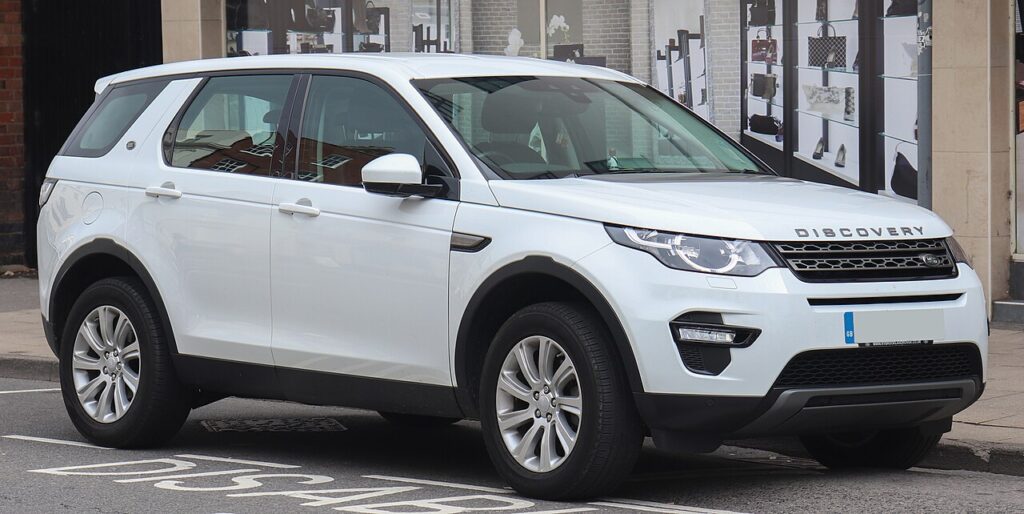
Parking sensors are like an extra pair of eyes when maneuvering a large SUV. They quietly watch the space behind and around your vehicle, warning you when something gets too close. But what happens when those digital eyes suddenly go blind?
If your Land Rover Discovery Sport parking sensors are not working, you might notice silence when reversing, constant warning tones, or error messages on the dashboard. It’s frustrating—especially in tight parking spots or busy UK streets.
In this in-depth guide, we’ll explore why parking sensors fail, how to diagnose the problem, and what you can do to fix it. Think of it as a practical roadmap for Discovery Sport owners who want answers without wading through confusing technical jargon.
Content in this publication
- Understanding the Parking Sensor System in the Land Rover Discovery Sport
- Common Symptoms of Parking Sensors Not Working
- Why Land Rover Discovery Sport Parking Sensors Stop Working
- Dirty or Blocked Sensors
- Faulty Ultrasonic Sensor
- Wiring Problems Behind the Bumper
- Parking Sensor Module Failure
- Software Glitches and Electronic Bugs
- Blown Fuse in the Parking Aid Circuit
- Weather and Environmental Factors
- How to Diagnose the Problem Step-by-Step
- Using an OBD Scanner for Parking Sensor Faults
- Cost to Fix Discovery Sport Parking Sensors
- DIY Fix vs Professional Repair
- Preventing Future Parking Sensor Problems
- When Parking Sensors Fail Completely
- Are Parking Sensor Issues Common on Discovery Sport?
- The Future of Parking Technology
- Conclusion: Solving Discovery Sport Parking Sensor Problems
- Frequently Asked Questions
Understanding the Parking Sensor System in the Land Rover Discovery Sport
Before we dive into faults and fixes, it helps to understand how the system works.
The Land Rover Discovery Sport parking aid system uses ultrasonic sensors mounted in the front and rear bumpers. These sensors emit sound waves that bounce off nearby objects and return to the vehicle.
The control module interprets these signals and alerts the driver through:
- Audible beeping sounds
- Visual graphics on the infotainment screen
- Distance indicators
Where the Sensors Are Located
You’ll typically find sensors in these positions:
- Four sensors in the rear bumper
- Four sensors in the front bumper
- Occasionally additional side sensors on certain trims
Each one plays a role in building a “digital map” of the space around the SUV.
If even one sensor stops working, the entire system may shut down or display an error.
Common Symptoms of Parking Sensors Not Working
When the system fails, the Discovery Sport usually gives some clues.
Typical Warning Signs
Drivers often report:
- No sound when reversing
- Continuous beep when selecting reverse
- “Parking Aid Fault” message on the dashboard
- Sensors activating randomly
- Sensors not detecting objects
Sometimes the issue appears intermittently, which can make diagnosis tricky.
Dashboard Messages You Might See
The Discovery Sport may show alerts such as:
- Parking Aid Not Available
- Parking Sensors Blocked
- Parking Assist Fault
These warnings are the vehicle’s way of telling us something isn’t right.
Why Land Rover Discovery Sport Parking Sensors Stop Working
Parking sensor failures usually fall into a handful of categories.
The Most Frequent Causes
Let’s break down the usual suspects.
- Dirt or debris covering sensors
- Faulty ultrasonic sensor
- Damaged wiring harness
- Blown fuse
- Software glitch
- Water intrusion in bumper wiring
- Faulty parking aid module
Think of the system like a chain—if one link breaks, the entire feature can stop functioning.
Dirty or Blocked Sensors
This is the simplest and most common issue.
Parking sensors rely on ultrasonic waves. If something blocks the sensor surface, the signal can’t transmit properly.
Common Blockages
- Mud
- Snow
- Ice
- Road salt
- Wax residue after washing
How to Fix It
Cleaning takes less than a minute.
- Wipe sensors with a soft cloth
- Use mild soap and water
- Avoid pressure washers directly on sensors
You’d be surprised how often a simple clean restores full functionality.
Faulty Ultrasonic Sensor
If cleaning doesn’t help, one sensor may have failed internally.
Each sensor contains tiny electronics that can wear out over time.
Signs of a Bad Sensor
- Constant tone when reverse gear is engaged
- One sensor not clicking when touched
- System disabled completely
The “Click Test” Trick
Here’s a quick DIY check:
You may be interested in reading Land Rover Discovery Sport Coolant Level Low: Causes, Fixes, and Prevention Guide
- Turn ignition on
- Engage reverse gear (with parking brake applied)
- Place your finger lightly on each sensor
A working sensor will produce a faint ticking or clicking sound.
If one stays silent, it’s likely defective.
Wiring Problems Behind the Bumper
Modern vehicles rely heavily on wiring networks.
If the Discovery Sport’s wiring harness gets damaged, sensors may lose communication with the control module.
Common Causes of Wiring Damage
- Minor accidents
- Rodent damage
- Corrosion from water exposure
- Loose connectors
Wiring faults often produce intermittent problems, which can drive owners crazy.
Parking Sensor Module Failure
The Parking Aid Control Module (PACM) is the brain behind the system.
It processes signals from each sensor and sends information to the infotainment screen.
If this module fails, the sensors may appear completely dead.
Symptoms of Module Failure
- System disabled message
- Sensors stop working simultaneously
- Diagnostic scanner shows module error codes
Module failures are less common but not unheard of in older Discovery Sport models.
Software Glitches and Electronic Bugs
Sometimes the issue isn’t hardware—it’s software.
Vehicles like the Discovery Sport rely on complex electronic systems that occasionally glitch.
Situations That Can Cause Software Errors
- Battery replacement
- Low voltage events
- Infotainment updates
- Electronic control unit resets
In many cases, a system reset or software update can fix the problem.
Blown Fuse in the Parking Aid Circuit
Like most vehicle electronics, parking sensors depend on fuses.
A blown fuse can disable the system entirely.
How to Check the Fuse
- Locate the fuse box (usually under the bonnet or dashboard)
- Check the owner’s manual for the parking sensor fuse
- Inspect the fuse for damage
Replacing a fuse is inexpensive and takes just minutes.
Weather and Environmental Factors
Harsh conditions can affect sensor performance.
Conditions That Interfere With Sensors
- Heavy rain
- Snow accumulation
- Ice buildup
- Thick mud
Sometimes the system temporarily disables itself to avoid false alerts.
Once the sensors are clear, normal operation returns.
How to Diagnose the Problem Step-by-Step
Let’s walk through a simple troubleshooting process.
Quick DIY Diagnosis Checklist
- Clean all sensors thoroughly
- Restart the vehicle
- Check for warning messages
- Perform the sensor click test
- Inspect fuses
- Scan the car with an OBD diagnostic tool
This process solves a surprising number of sensor issues.
Using an OBD Scanner for Parking Sensor Faults
Modern Land Rovers store detailed fault codes.
A diagnostic scanner can reveal the exact problem.
Common Fault Codes
Examples include:
- Sensor circuit malfunction
- Parking aid module communication error
- Sensor short circuit
With this information, a mechanic can quickly pinpoint the faulty component.
You may be interested in readingLand Rover Discovery Sport Coolant Level Low: Causes, Fixes, and Prevention GuideYou may be interested in reading
 Land Rover Discovery Sport No Sound: Causes, Fixes, and Complete Troubleshooting Guide
Cost to Fix Discovery Sport Parking Sensors
Repair costs vary depending on the cause.
Typical Repair Costs (UK Estimates)
- Sensor replacement: £80 – £200 per sensor
- Wiring repair: £150 – £400
- Parking module replacement: £400 – £900
- Software update: £50 – £120
Sometimes the solution is as simple as cleaning sensors—which costs nothing.
DIY Fix vs Professional Repair
Should you fix it yourself or visit a garage?
DIY Repairs Suitable for Owners
- Cleaning sensors
- Checking fuses
- Performing sensor tests
- Basic diagnostics
Repairs Best Left to Professionals
- Wiring harness repairs
- Module replacement
- Advanced software calibration
Modern Land Rovers contain complex electronics, so sometimes expert help is the safest route.
Preventing Future Parking Sensor Problems
Prevention saves time and money.
Simple Maintenance Tips
- Wash sensors regularly
- Avoid high-pressure washing directly on sensors
- Inspect bumpers after minor impacts
- Fix electrical issues early
- Keep battery voltage healthy
Think of sensor care like cleaning a camera lens—clarity matters.
When Parking Sensors Fail Completely
Sometimes the system shuts down entirely.
In these cases, the Discovery Sport disables the feature to prevent inaccurate readings.
You may notice:
- No sound alerts
- Greyed-out parking display
- Warning message on the dash
This typically means a sensor or module has failed and requires repair.
Are Parking Sensor Issues Common on Discovery Sport?
The Discovery Sport is generally reliable, but parking sensor issues are not uncommon.
Many owners report problems after:
- Heavy winter driving
- Minor bumper damage
- Long-term exposure to road salt
Fortunately, most problems are relatively inexpensive to fix.
The Future of Parking Technology
Modern vehicles are moving beyond simple sensors.
Newer Land Rover models now include:
- 360-degree cameras
- Automated parking assist
- Cross-traffic detection
These technologies complement traditional sensors to create a safer parking experience.
Conclusion: Solving Discovery Sport Parking Sensor Problems
When Land Rover Discovery Sport parking sensors stop working, the problem usually isn’t catastrophic.
In fact, many issues come down to something surprisingly simple—dirty sensors, a faulty unit, or a minor wiring problem.
By following a logical troubleshooting process, we can often identify the cause quickly.
Think of parking sensors like a digital radar system. When one part stops communicating, the entire system struggles. But once the faulty piece is repaired, everything snaps back into harmony.
And that’s the good news: most fixes are straightforward and far cheaper than you might expect.
Frequently Asked Questions
Why are my Discovery Sport parking sensors constantly beeping?
Constant beeping usually indicates a faulty sensor or an obstruction. Cleaning the sensors or replacing a damaged one typically resolves the issue.
How do I reset the parking sensors on a Discovery Sport?
Try turning the ignition off, locking the vehicle for a few minutes, and restarting it. In some cases, disconnecting the battery or updating the vehicle software may reset the system.
Can I drive safely if the parking sensors stop working?
Yes, but you’ll lose the proximity alerts that help prevent low-speed collisions. Extra caution when reversing is recommended.
You may be interested in readingLand Rover Discovery Sport Coolant Level Low: Causes, Fixes, and Prevention GuideYou may be interested in reading
Land Rover Discovery Sport No Sound: Causes, Fixes, and Complete Troubleshooting GuideYou may be interested in reading
 Land Rover Discovery Sport Heater Not Working: Causes, Fixes, and Troubleshooting Guide
How long do parking sensors last?
Most ultrasonic sensors last 5–10 years, depending on driving conditions, weather exposure, and electrical health.
How much does it cost to replace a Discovery Sport parking sensor?
Replacement typically costs £80 to £200 per sensor, including parts and labor.
If you want to know other articles similar to Land Rover Discovery Sport Parking Sensors Not Working: Causes, Fixes, and Expert Troubleshooting Guide you can visit the category Common Problems.
Vauxhall Meriva Gear Change Problems: Causes, Symptoms, and Practical Fixes
Vauxhall Meriva Gearbox Problems: Symptoms, Causes, Repairs, and Costs
Vauxhall Meriva Petrol Cap Won’t Open: Causes, Quick Fixes, and Repairs
Vauxhall Meriva Key Stuck in Ignition: Causes and Fixes
Vauxhall Meriva Heater Not Working: Causes, Checks, and Fixes
Vauxhall Meriva Door Lock Fault: Causes, Diagnosis, and Fixes
Leave a Reply
More content of your interest