
BMW X1 Life Expectancy: How Long Does a BMW X1 Really Last?

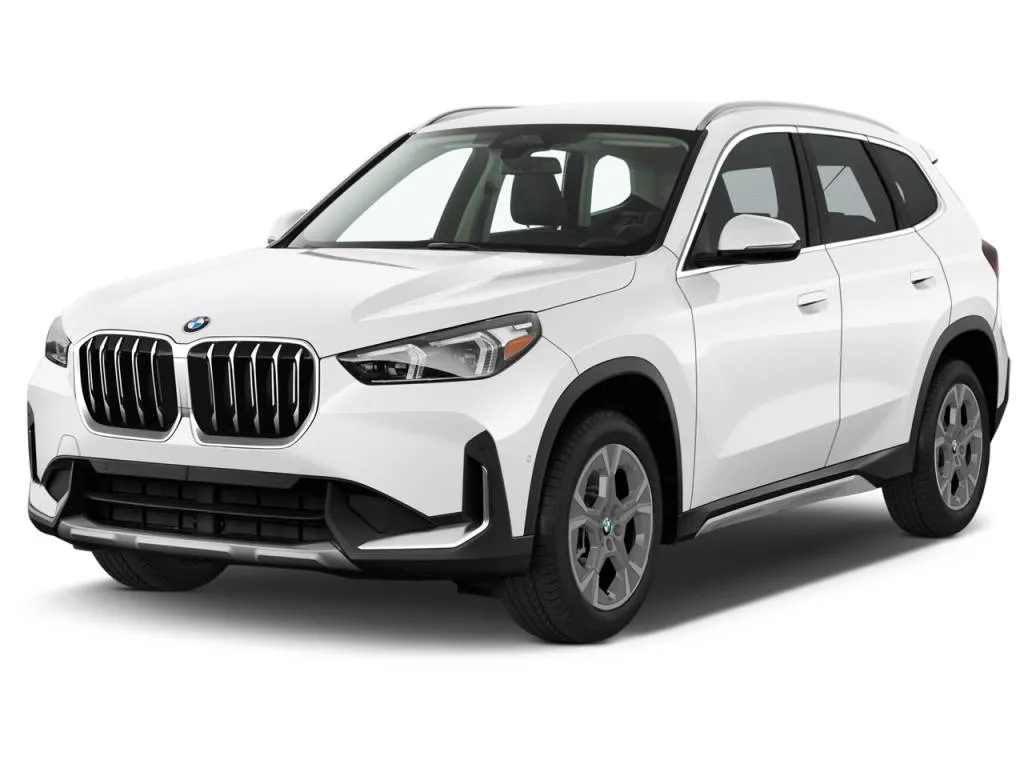
When we think about buying a premium compact SUV, longevity becomes one of the most important questions. After all, nobody wants to invest in a stylish vehicle only to discover it ages like milk rather than wine. So naturally, one question often pops up among drivers and buyers alike: what is the real BMW X1 life expectancy?
The truth is a little more nuanced than a single number. Some BMW X1 models cruise past 200,000 miles without breaking a sweat, while others demand a bit more care along the way. In this guide, we’ll unpack the lifespan of the BMW X1, explore the factors that influence longevity, and reveal how to stretch the life of this popular luxury crossover.
So buckle up—we’re about to explore how long a BMW X1 can realistically last.
Content in this publication
- Understanding the Average BMW X1 Life Expectancy
- BMW X1 Generations and Their Longevity
- Mileage Benchmarks for a BMW X1
- Key Factors That Influence BMW X1 Longevity
- Common Issues That Can Affect BMW X1 Lifespan
- How Maintenance Extends BMW X1 Life Expectancy
- High Mileage BMW X1: What Owners Report
- Cost of Ownership Over the Vehicle’s Lifetime
- Signs Your BMW X1 May Be Near the End of Its Life
- Tips to Maximize BMW X1 Life Expectancy
- Is the BMW X1 a Long-Lasting SUV?
- Conclusion
- Frequently Asked Questions
Understanding the Average BMW X1 Life Expectancy
In general terms, a BMW X1 typically lasts between 150,000 and 200,000 miles when properly maintained.
For the average driver covering roughly 12,000 miles per year, that translates to:
- 12–15 years of reliable ownership
- Sometimes 20 years with excellent maintenance
But numbers alone don't tell the full story.
Luxury vehicles like the BMW X1 often depend heavily on maintenance discipline. Treat it well, and it will reward you with longevity. Ignore servicing schedules, and its lifespan shrinks quickly.
Think of it like a marathon runner. With training, nutrition, and care, endurance thrives. Without it, burnout arrives early.
BMW X1 Generations and Their Longevity
First Generation: BMW X1 E84 (2012–2015 in many markets)
The original BMW X1 introduced the brand’s smallest SUV concept.
Key characteristics:
- Rear-wheel-drive based platform
- Proven inline engines
- Traditional mechanical design
These models tend to age fairly well.
Many owners report:
- 180,000+ miles possible
- Durable engines when serviced
- Occasional electrical gremlins
Overall, the E84 generation is often considered one of the more robust BMW compact SUVs.
Second Generation: BMW X1 F48 (2016–2022)
The F48 generation marked a big change.
BMW switched to:
- Front-wheel-drive architecture
- Turbocharged engines
- More advanced electronics
While performance and efficiency improved, complexity increased.
Expected lifespan:
- 150,000–200,000 miles
- Possibly more with attentive maintenance
These models offer strong reliability but rely more heavily on proper servicing.
Third Generation: BMW X1 U11 (2023–Present)
The newest BMW X1 brings even more technology.
Features include:
- Advanced driver assistance
- Hybrid and electric options
- Larger infotainment systems
Because these vehicles are newer, long-term data is limited. However, BMW’s engineering suggests a similar lifespan to previous generations, assuming proper care.
Mileage Benchmarks for a BMW X1
To better understand longevity, let’s look at common milestones.
0–50,000 Miles
This is the honeymoon phase.
You’ll usually see:
- Minimal mechanical issues
- Warranty coverage
- Strong performance
Maintenance is limited to:
- Oil changes
- Brake pads
- Tire rotations
50,000–100,000 Miles
This stage is where regular maintenance becomes critical.
Typical services include:
- Transmission fluid replacement
- Spark plug changes
- Brake replacements
- Battery replacement
If the vehicle is maintained correctly, it will still feel youthful.
100,000–150,000 Miles
At this stage, some components start showing age.
Common replacements:
- Suspension components
- Water pump
- Thermostat
- Sensors
None of these issues are unusual for vehicles in this mileage range.
150,000–200,000 Miles
This is where durability becomes the true test.
You may be interested in reading Are BMW X1 Expensive to Maintain? A Real Owner’s Cost Breakdown
Well-maintained BMW X1 models can still run smoothly, but expect repairs like:
- Turbocharger wear
- Fuel injectors
- Control arms
- Electronic modules
With care, many X1s remain perfectly usable at this stage.
Key Factors That Influence BMW X1 Longevity
Several factors determine whether your BMW X1 lasts 120,000 miles—or 220,000.
1. Maintenance Habits
Maintenance is the single biggest factor.
Owners who follow BMW’s service intervals often experience far fewer major issues.
Critical services include:
- Oil changes every 5,000–7,000 miles
- Cooling system checks
- Transmission servicing
- Brake fluid changes
Skipping these steps is like skipping dentist visits—it works for a while, until suddenly it doesn’t.
2. Driving Style
Driving behavior dramatically affects longevity.
Aggressive driving:
- Accelerates engine wear
- Damages suspension
- Increases brake usage
Calm driving habits allow components to last much longer.
3. Environment and Climate
Vehicles driven in harsh environments experience faster wear.
Examples include:
- Extreme cold climates
- Heavy salt exposure
- Frequent stop-and-go traffic
Urban drivers often see faster component wear than highway drivers.
4. Build Quality and Model Year
Not every BMW X1 model year performs equally.
Some years have fewer reliability issues than others.
For example:
- Early E84 models have simpler electronics
- Later F48 models benefit from improved turbo engines
Choosing the right model year can influence lifespan significantly.
Common Issues That Can Affect BMW X1 Lifespan
No car is perfect, and the BMW X1 is no exception.
Some issues appear more frequently than others.
Timing Chain Concerns
Certain BMW turbo engines experienced timing chain wear.
Symptoms include:
- Rattling noises
- Engine misfires
- Warning lights
When addressed early, repairs are manageable.
Cooling System Failures
BMW cooling systems are known for plastic components.
Over time:
- Water pumps fail
- Thermostats stick
- Coolant leaks appear
Preventive maintenance helps avoid overheating damage.
Turbocharger Wear
Turbocharged engines provide strong performance, but turbos eventually wear out.
Signs of wear include:
- Reduced power
- Whining sounds
- Increased oil consumption
Most turbochargers last 120,000–150,000 miles.
Electrical System Issues
Modern BMW vehicles rely heavily on electronics.
Common problems may involve:
- Sensors
- infotainment glitches
- parking sensors
- battery drain
These issues rarely end a car’s life but can cause frustration.
How Maintenance Extends BMW X1 Life Expectancy
If you want your BMW X1 to live a long life, maintenance becomes your secret weapon.
You may be interested in readingAre BMW X1 Expensive to Maintain? A Real Owner’s Cost BreakdownYou may be interested in reading
 Is BMW X1 Bigger Than X2? A Complete Size Comparison Guide
Let’s explore the most important areas.
Engine Maintenance
Key habits include:
- Frequent oil changes
- High-quality synthetic oil
- Regular air filter replacements
These simple steps dramatically reduce engine wear.
Transmission Care
Many drivers overlook transmission servicing.
However, replacing fluid every 60,000–80,000 miles can prevent costly failures.
Cooling System Servicing
Prevent overheating by maintaining:
- Radiator
- coolant hoses
- thermostat
- water pump
A healthy cooling system protects the engine.
Suspension Maintenance
After 100,000 miles, suspension components may wear out.
Replacing worn parts improves:
- ride comfort
- tire wear
- handling stability
High Mileage BMW X1: What Owners Report
Many owners share stories of impressive mileage.
Some examples include:
- BMW X1 surpassing 220,000 miles
- Original engines lasting over 15 years
- Minimal major repairs with good servicing
These stories prove that the X1 can be surprisingly durable.
Cost of Ownership Over the Vehicle’s Lifetime
Luxury vehicles require more expensive maintenance than economy cars.
Typical long-term ownership costs include:
- Annual maintenance: $800–$1,500
- Major repairs after 100k miles
- Premium parts pricing
However, compared to other luxury brands, the BMW X1 is relatively affordable to maintain.
Signs Your BMW X1 May Be Near the End of Its Life
Even the best vehicles eventually reach the end of their road.
Warning signs include:
- Frequent major repairs
- engine compression loss
- transmission slipping
- structural rust
- electrical failures across multiple systems
When repair costs exceed vehicle value, it may be time to move on.
Tips to Maximize BMW X1 Life Expectancy
Want your BMW X1 to last as long as possible?
Follow these practical tips:
- Change oil regularly
- Warm up the engine before aggressive driving
- Avoid cheap aftermarket parts
- Fix small problems early
- Follow factory maintenance schedules
- Keep software updated
Treat your vehicle like a long-term partner rather than a disposable gadget.
Is the BMW X1 a Long-Lasting SUV?
Overall, the BMW X1 offers respectable longevity for a luxury compact SUV.
Compared to rivals in its class, it performs quite well in terms of durability.
Strengths include:
- Efficient turbo engines
- solid German engineering
- relatively strong resale value
- manageable ownership costs
While it may not match the bulletproof reputation of some Japanese SUVs, it remains a dependable premium option when maintained properly.
Conclusion
So, what is the real BMW X1 life expectancy?
Most models comfortably reach 150,000 to 200,000 miles, and many go even further with diligent maintenance. The key to longevity lies not only in engineering but in how the vehicle is cared for throughout its life.
A well-maintained BMW X1 can serve as a reliable companion for well over a decade. Like a finely crafted watch, it thrives when treated with respect and regular attention.
If you maintain it wisely, your BMW X1 won't just last—it will continue delivering the driving pleasure that BMW is famous for.
Frequently Asked Questions
How many miles can a BMW X1 last?
Most BMW X1 models last between 150,000 and 200,000 miles, though well-maintained vehicles can exceed this range.
Is the BMW X1 reliable for long-term ownership?
Yes. While maintenance costs are higher than economy cars, the BMW X1 can remain reliable for many years with proper servicing.
What is considered high mileage for a BMW X1?
High mileage typically begins around 120,000 miles, though many vehicles continue running well beyond that.
You may be interested in readingAre BMW X1 Expensive to Maintain? A Real Owner’s Cost BreakdownYou may be interested in reading
Is BMW X1 Bigger Than X2? A Complete Size Comparison GuideYou may be interested in reading
BMW X1 vs VW Tiguan: Which Compact SUV Truly Wins?Does maintenance affect BMW X1 lifespan?
Absolutely. Regular oil changes, fluid servicing, and preventive maintenance greatly increase longevity.
Which BMW X1 generation lasts the longest?
The first-generation E84 is often considered particularly durable due to simpler mechanical systems.
If you want to know other articles similar to BMW X1 Life Expectancy: How Long Does a BMW X1 Really Last? you can visit the category Blog.
Is Vauxhall Agila a Good Car? Reliability, Problems and Buying Guide

Honda Passport Life Expectancy: How Many Miles Can It Last?
Honda Passport Depreciation: How Well Does It Hold Its Value?

Nissan Rogue Reliability Rating: How Reliable Is the Rogue?
Nissan Rogue Life Expectancy: How Long Does It Last?
Vauxhall Agila Reliability: Common Problems, Best Engines and What to Check
Leave a Reply
More content of your interest