
BMW X1 Not Starting: Causes, Fixes, and Troubleshooting Guide

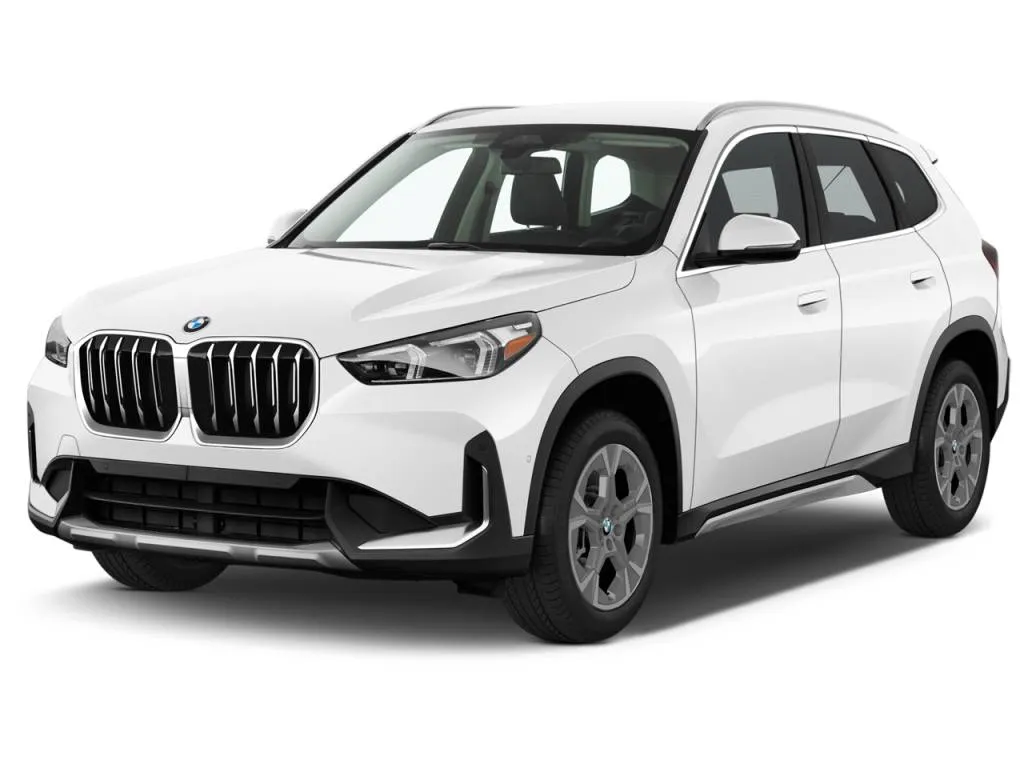
Few things are more frustrating than getting into your car, pressing the start button, and… nothing happens. If your BMW X1 won’t start, you’re not alone. It’s a surprisingly common issue reported by owners across multiple generations of the X1—from the early E84 models to the newer F48 and U11 versions.
The good news? Most starting problems aren’t catastrophic. In many cases, the issue can be traced back to something simple like a weak battery, a faulty key fob, or a fuel delivery hiccup.
In this guide, we’ll walk through the most common reasons a BMW X1 won’t start, how to diagnose them, and what you can do to fix the issue quickly.
Content in this publication
- Understanding Why Your BMW X1 Won’t Start
- Common Symptoms When a BMW X1 Won’t Start
- Dead or Weak Battery: The Most Common Cause
- Starter Motor Failure
- Faulty Key Fob or Key Battery
- Fuel System Problems
- Ignition System Failure
- Immobilizer System Problems
- Fuel Pump Failure
- Faulty Crankshaft Position Sensor
- Electrical System Issues
- Alternator Failure
- Brake Pedal or Clutch Sensor Failure
- Cold Weather Starting Issues
- Step-by-Step BMW X1 Troubleshooting Checklist
- BMW X1 Generations and Starting Issues
- When to Call a Mechanic
- Preventing BMW X1 Starting Problems
- Final Thoughts
- Frequently Asked Questions
Understanding Why Your BMW X1 Won’t Start
Before diving into troubleshooting, it helps to understand how modern BMW ignition systems work.
The Starting Process Explained
When you start a BMW X1:
- The key fob communicates with the car’s immobilizer system
- The battery powers the starter motor
- The starter turns the engine
- The fuel and ignition systems ignite the engine
If any one of these steps fails, the car won’t start.
That’s why diagnosing the problem involves narrowing down which part of the process is breaking down.
Common Symptoms When a BMW X1 Won’t Start
Not all starting issues are the same. The symptoms often reveal the root cause.
Typical Signs Drivers Notice
- The engine doesn’t crank
- The engine cranks but won’t start
- Dashboard lights flicker or go dim
- Clicking noise when pressing the start button
- “Drivetrain malfunction” warning
- “Key not detected” message
- Complete electrical silence
Each symptom tells a different story.
Dead or Weak Battery: The Most Common Cause
Let’s start with the usual suspect: the battery.
Modern BMWs rely heavily on electronics. If the battery voltage drops too low, the car simply refuses to start.
Signs Your Battery Is the Problem
- Slow engine cranking
- Clicking sound when starting
- Dim interior lights
- Electronics resetting
- Warning lights appearing randomly
Why BMW Batteries Fail
BMW X1 batteries typically last 3–5 years. Several factors can shorten that lifespan:
- Cold weather
- Short trips
- Parasitic electrical drain
- Aging battery cells
Quick Fix
Try jump-starting the vehicle.
If the car starts afterward, the battery is likely the culprit.
Starter Motor Failure
If the battery is healthy but the engine still won’t crank, the starter motor might be failing.
What the Starter Motor Does
The starter motor spins the engine fast enough for combustion to begin.
If it fails, the engine can’t turn over.
Starter Motor Warning Signs
- Loud clicking when starting
- Grinding noises
- Engine doesn’t crank
- Intermittent starting issues
Typical Repair Cost
Starter replacement for a BMW X1 typically costs:
- $500 – $1,200 depending on model
Faulty Key Fob or Key Battery
Sometimes the car itself is fine — it simply doesn’t recognize the key.
Symptoms of Key Recognition Issues
- “Key not detected” message
- Push button start doesn’t respond
- Remote locking stops working
BMW key fobs use small coin-cell batteries that wear out over time.
Replacing the key battery is simple and inexpensive.
How to Replace the Key Battery
- Remove the physical key from the fob
- Open the key housing
- Replace the coin battery (usually CR2032)
Fuel System Problems
If the engine cranks but refuses to start, the issue might lie in the fuel delivery system.
- Faulty fuel pump
- Clogged fuel filter
- Empty fuel tank (yes, it happens!)
- Faulty fuel pressure regulator
Symptoms of Fuel Problems
- Engine cranks but won’t fire
- Strong smell of fuel
- Engine stalls before starting
Ignition System Failure
The ignition system provides the spark that ignites fuel inside the engine.
If that spark doesn’t happen, the engine won’t start.
Components That May Fail
- Ignition coils
- Spark plugs
- Crankshaft position sensor
Warning Signs
- Rough idle before failure
- Misfires
- Engine stalls frequently
Immobilizer System Problems
BMW vehicles use a sophisticated anti-theft immobilizer system.
If the system doesn’t recognize the key, the engine will not start.
Possible Causes
- Faulty key chip
- Immobilizer module failure
- Software glitches
Common Dashboard Messages
- “Key not recognized”
- “Remote control malfunction”
Sometimes removing the key, waiting a few seconds, and trying again resolves the issue.
Fuel Pump Failure
The fuel pump supplies gasoline from the tank to the engine.
If it fails, the engine will crank but never start.
Fuel Pump Warning Signs
- Whining sound from the rear seat area
- Engine sputtering before failure
- Loss of power while driving
Fuel Pump Replacement Cost
Typically between:
- $700 – $1,500
depending on the model year.
Faulty Crankshaft Position Sensor
This sensor tells the engine computer when to ignite fuel.
Without it, the engine management system can’t operate.
Symptoms
- Engine cranks but won’t start
- Engine randomly stalls
- Check engine light appears
It’s a small part but critical for engine timing.
Electrical System Issues
Modern BMWs are packed with electronics. Sometimes the starting issue is electrical.
Possible Electrical Problems
- Blown fuse
- Corroded battery terminals
- Damaged wiring
- Faulty ECU module
Electrical faults can cause intermittent starting problems that are difficult to diagnose.
Alternator Failure
The alternator charges the battery while driving.
If it fails, the battery drains until the car eventually won’t start.
Signs of Alternator Problems
- Battery warning light
- Flickering headlights
- Electrical accessories malfunctioning
Brake Pedal or Clutch Sensor Failure
In BMWs with push-button start, the car requires either:
- Brake pedal pressed (automatic)
- Clutch pressed (manual)
If the sensor fails, the car thinks you’re not pressing the pedal.
Result? The engine won’t start.
Cold Weather Starting Issues
Extreme cold can make starting difficult.
Why Cold Weather Causes Problems
- Battery efficiency drops
- Oil thickens
- Fuel vaporization decreases
Older batteries are particularly vulnerable.
Step-by-Step BMW X1 Troubleshooting Checklist
If your BMW X1 won’t start, follow this simple process.
Quick Diagnosis Steps
- Check the battery voltage
- Look for dashboard warning messages
- Listen for clicking or cranking sounds
- Try jump-starting the vehicle
- Replace the key fob battery
- Check fuel level
- Inspect fuses
This process helps narrow down the issue quickly.
BMW X1 Generations and Starting Issues
Different X1 generations can have slightly different common faults.
E84 (2010–2015)
Common issues:
- Battery failure
- Starter motor wear
- Fuel pump problems
F48 (2016–2022)
Common issues:
- Key detection problems
- Electronic module faults
- Battery management system alerts
U11 (2023–Present)
Still relatively new, but software glitches occasionally affect starting systems.
When to Call a Mechanic
Sometimes DIY troubleshooting isn’t enough.
You should consult a professional if:
- The engine won’t crank after jump-starting
- Warning lights appear
- The problem happens repeatedly
- You smell burning or fuel
Modern BMW systems often require diagnostic scanning tools.
Preventing BMW X1 Starting Problems
Prevention is always easier than repair.
Simple Maintenance Tips
- Replace the battery every 4–5 years
- Keep battery terminals clean
- Replace spark plugs regularly
- Avoid leaving electronics running
- Use high-quality fuel
Routine maintenance can dramatically reduce starting issues.
Final Thoughts
A BMW X1 not starting can feel like a major headache—but in most cases, the solution is surprisingly simple. Weak batteries, faulty key fobs, and worn starter motors account for the majority of starting problems.
By understanding the symptoms and following a logical troubleshooting process, we can often pinpoint the issue quickly and avoid unnecessary repairs.
Think of it like detective work. Each sound, warning light, or dashboard message is a clue leading you closer to the solution.
And more often than not, the fix is simpler than you’d expect.
Frequently Asked Questions
1. Why does my BMW X1 click but not start?
A clicking sound usually indicates a weak battery or failing starter motor. The starter is trying to engage but doesn’t have enough power.
2. Why does my BMW X1 crank but not start?
If the engine cranks but doesn’t start, the issue could involve:
- Fuel pump failure
- Ignition system problems
- Crankshaft sensor failure
3. How long do BMW X1 batteries last?
Most BMW X1 batteries last 3–5 years, depending on driving conditions and climate.
4. Can a bad key fob stop a BMW from starting?
Yes. If the car cannot detect the key, the immobilizer system prevents the engine from starting.
5. How much does it cost to fix a BMW X1 starting problem?
Costs vary widely:
- Battery replacement: $150–$400
- Starter replacement: $500–$1,200
- Fuel pump replacement: $700–$1,500
Diagnosis is key before replacing parts.
If you want to know other articles similar to BMW X1 Not Starting: Causes, Fixes, and Troubleshooting Guide you can visit the category Common Problems.
Volvo XC40 Sound Not Working? Complete Troubleshooting Guide

Mazda Diesel Engine Problems: Common Faults and Fixes
Volkswagen Key Not Detected or No Key Error: Causes and Fixes
Volvo S90 Common Problems: Reliability & Repair Guide
Volvo S90 No Sound: Causes, Fixes and Solutions

Nissan Rogue Smells Like Gas: Causes and Fixes
Leave a Reply
More content of your interest