
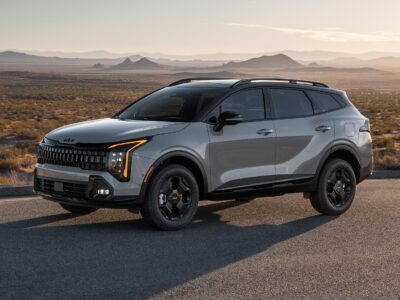
Toyota RAV4 Depreciation: Complete Resale Value Guide


The Toyota RAV4 is one of the most recognizable compact SUVs on the road, offering a combination of practicality, efficiency, reliability, and strong resale demand. But even a popular Toyota loses value over time, which makes understanding Toyota RAV4 depreciation essential before buying, financing, or selling one.
Whether we're considering a brand-new RAV4, a used gasoline model, or a hybrid version, depreciation can make a substantial difference in the total cost of ownership.
The good news is that the RAV4 generally holds its value better than many competing SUVs. Its reputation for durability, widespread consumer appeal, and relatively strong used-car demand help protect owners from some of the depreciation experienced by other vehicles.
According to iSeeCars' 2026 resale-value estimates, the conventional Toyota RAV4 retains approximately 74.6% of its value after five years. That represents a depreciation rate of around 25.4%, although individual vehicles can perform differently.
In this Toyota RAV4 depreciation guide, we'll explore how much value the SUV loses, how gasoline and hybrid models compare, what affects resale prices, and how we can minimize depreciation throughout ownership.
Content in this publication
- How Much Does a Toyota RAV4 Depreciate?
- Toyota RAV4 Depreciation by Year
- Toyota RAV4 Resale Value After Five Years
- Toyota RAV4 Hybrid vs Gasoline Depreciation
- Does the RAV4 Plug-in Hybrid Hold Its Value?
- Toyota RAV4 Depreciation vs Competitors
- Why Does the Toyota RAV4 Hold Its Value?
- What Factors Affect Toyota RAV4 Depreciation?
- Which Toyota RAV4 Trim Holds Its Value Best?
- How Mileage Changes Toyota RAV4 Resale Value
- Toyota RAV4 Depreciation Calculator
- Is It Better to Buy a New or Used Toyota RAV4?
- Best Used Toyota RAV4 Years for Value Retention
- How the 2026 Toyota RAV4 Affects Depreciation
- How to Reduce Toyota RAV4 Depreciation
- When Is the Best Time to Sell a Toyota RAV4?
- Toyota RAV4 Trade-In Value vs Private Sale
- Toyota RAV4 Depreciation and Financing
- Is the Toyota RAV4 a Good Long-Term Purchase?
- Frequently Asked Questions About Toyota RAV4 Depreciation
- Conclusion: Does the Toyota RAV4 Hold Its Value?
How Much Does a Toyota RAV4 Depreciate?
A Toyota RAV4 typically loses around 25% of its original value over five years, based on current model-level estimates from iSeeCars.
That makes it a particularly strong performer in the compact SUV segment.
Depreciation refers to the difference between what a vehicle originally cost and what it can reasonably sell for later.
For example, if we purchase a RAV4 for $35,000 and eventually sell it for $26,250, the depreciation is $8,750.
That represents a 25% reduction in value.
Several factors influence the actual amount, including:
- Vehicle age and model year.
- Mileage accumulated.
- Overall mechanical and cosmetic condition.
- Gasoline, hybrid, or plug-in hybrid powertrain.
- Trim level and equipment.
- Accident and maintenance history.
- Regional supply and demand.
- Changes in the wider used-car market.
A well-maintained RAV4 with relatively low mileage may retain significantly more value than an identical model with excessive mileage or accident damage.
It's also important to remember that depreciation studies represent averages and estimates, not guaranteed future selling prices.
Toyota RAV4 Depreciation by Year
Understanding how the RAV4 loses value as it ages can help us decide whether buying new, purchasing used, or keeping an existing vehicle makes the most financial sense.
Depreciation is not perfectly linear. Some years experience larger losses than others, particularly when vehicle prices, incentives, fuel costs, or consumer demand change.
Toyota RAV4 Depreciation Chart
The following table summarizes approximate depreciation figures using iSeeCars model-level data.
| Vehicle Age | Approximate Depreciation | Value Retained |
|---|---|---|
| New | 0% | 100% |
| 5 years | 25.4% | 74.6% |
| 7 years | 36.5% | 63.5% |
| 10 years | 53.9% | 46.1% |
These percentages are historical model-level estimates. They should not be interpreted as a guaranteed depreciation schedule for an individual RAV4 or the redesigned 2026 model.
First-Year Depreciation
The first year of ownership is traditionally one of the most expensive periods for vehicle depreciation.
A new vehicle usually loses some of its retail value as soon as it becomes used.
However, the Toyota RAV4 can be an exception to typical depreciation patterns during periods of limited inventory or unusually strong demand.
Factors influencing first-year depreciation include:
- The purchase price relative to MSRP.
- Dealer discounts or additional markups.
- Availability of competing new vehicles.
- Mileage during the first 12 months.
- Changes in manufacturer incentives.
A buyer who negotiates a favorable purchase price may experience a smaller financial loss than someone paying substantially above MSRP.
Depreciation After Three Years
At approximately three years old, a RAV4 can remain highly desirable in the used-car market.
Many examples still offer modern safety technology, attractive fuel efficiency, and relatively low mileage.
This helps support resale prices.
Three-year-old SUVs are also popular among buyers looking to avoid the initial cost of purchasing new.
However, actual depreciation depends heavily on the original transaction price and market conditions. We should compare current listings and completed transactions rather than assume every three-year-old RAV4 has lost the same percentage.
Depreciation After Five Years
The five-year mark is particularly useful because automotive depreciation studies frequently use it as a standard comparison period.
For the Toyota RAV4, current iSeeCars estimates indicate approximately:
- Five-year depreciation: 25.4%.
- Five-year residual value: 74.6%.
- Five-year depreciation on a hypothetical $35,000 purchase: approximately $8,890.
- Estimated remaining value in that example: approximately $26,110.
These calculations exclude taxes, financing costs, maintenance, and other ownership expenses.
The actual resale value may be higher or lower depending on the specific vehicle.
Depreciation After Ten Years
After ten years, a vehicle's resale value depends increasingly on its mechanical condition, service history, and accumulated mileage.
Current model-level estimates suggest that the RAV4 may lose approximately 53.9% of its value by this age.
That still represents a meaningful retained value for a decade-old vehicle.
A properly maintained RAV4 can remain useful well beyond ten years, potentially making long-term ownership financially attractive.
However, older vehicles may require additional spending on suspension components, tires, brakes, cooling systems, or other age-related repairs.
Toyota RAV4 Resale Value After Five Years
The RAV4's five-year resale performance is one of its strongest selling points.
According to iSeeCars' 2026 rankings, the Toyota RAV4 leads the small and compact SUV category for estimated five-year resale-value retention.
Its approximately 74.6% retained value compares favorably with many direct competitors.
The main reasons behind this performance include its established reputation, practical design, and broad appeal to used-car buyers.
Families, commuters, and drivers seeking a relatively economical SUV all contribute to demand.
However, strong resale value does not mean every owner will recover three-quarters of the original purchase price.
A trade-in offer may be lower than a vehicle's private-party selling price. Additionally, a heavily optioned version purchased at a premium may lose more money in absolute terms than a basic model.
Toyota RAV4 Hybrid vs Gasoline Depreciation
One of the most important considerations for RAV4 buyers is whether hybrid models retain their value better than conventional gasoline versions.
Historically, Toyota has offered both gasoline and hybrid RAV4 models in the United States.
The redesigned 2026 U.S. RAV4 changes that formula by making electrified powertrains standard, with hybrid and plug-in hybrid configurations.
Therefore, comparing conventional gasoline and hybrid depreciation is particularly relevant when shopping for older model years.
RAV4 Gasoline Depreciation
Conventional gasoline RAV4 models benefit from straightforward operation, established reliability, and relatively accessible used-car pricing.
They remain attractive to buyers who prioritize affordability and familiarity.
Current model-level estimates indicate approximately 25.4% depreciation over five years.
RAV4 Hybrid Depreciation
The separately tracked Toyota RAV4 Hybrid performs slightly better in iSeeCars' 2026 resale-value rankings.
It retains approximately 75.4% of its value after five years, corresponding to roughly 24.6% depreciation.
Hybrid versions can attract buyers interested in reducing fuel consumption without depending on external charging.
Gasoline vs Hybrid Resale Comparison
| Factor | RAV4 Gasoline | RAV4 Hybrid |
|---|---|---|
| Approximate 5-year depreciation | 25.4% | 24.6% |
| Approximate value retained | 74.6% | 75.4% |
| Fuel economy | Generally lower | Generally higher |
| Initial purchase price | Historically lower | Historically higher |
| Used-market demand | Strong | Strong |
| Main ownership advantage | Lower initial cost | Fuel efficiency |
The small difference in estimated percentage depreciation does not automatically make the hybrid cheaper to own.
We also need to consider the purchase-price premium, annual fuel savings, financing terms, and potential repair expenses.
For many drivers, a hybrid's fuel efficiency can improve its overall ownership economics even if the depreciation difference is relatively modest.
Does the RAV4 Plug-in Hybrid Hold Its Value?
The RAV4 plug-in hybrid, previously sold in the United States under the RAV4 Prime name, offers a different ownership proposition.
Its larger battery and ability to travel on electric power can appeal to drivers who charge regularly.
However, plug-in hybrid depreciation can be affected by additional factors:
- Higher original purchase prices.
- Availability of home charging.
- Competition from newer plug-in hybrids.
- Battery warranty and condition.
- Government incentives and changes in eligibility.
- Consumer demand for electric driving capability.
iSeeCars' 2026 rankings estimate approximately 69.4% five-year value retention for the RAV4 Prime, which is lower than the separately tracked conventional RAV4 Hybrid.
This does not necessarily mean the plug-in hybrid is a poor purchase.
Instead, it highlights why we should evaluate depreciation in dollar terms alongside fuel and electricity savings.
A plug-in hybrid purchased with a substantial discount may have a very different cost profile from one purchased at full retail price.
Toyota RAV4 Depreciation vs Competitors
Depreciation becomes more meaningful when we compare the RAV4 with other popular compact SUVs.
The Honda CR-V, Toyota Corolla Cross, Mazda CX-5, Subaru Forester, and Nissan Rogue all compete for similar buyers.
Five-Year Resale Value Comparison
The following figures are based on iSeeCars' 2026 small and compact SUV rankings.
| SUV | Estimated Value Retained | Estimated Depreciation |
|---|---|---|
| Toyota RAV4 | 74.6% | 25.4% |
| Toyota Corolla Cross | 74.0% | 26.0% |
| Honda CR-V | 70.3% | 29.7% |
| Small/compact SUV category average | 58.8% | 41.2% |
The RAV4 performs particularly well in this comparison.
Its projected percentage value retention exceeds the category average by approximately 15.8 percentage points.
That difference can translate into substantial savings over several years.
However, depreciation is only one part of the buying decision.
A competing SUV may offer a better purchase discount, lower insurance premiums, superior comfort, or equipment that better suits our needs.
The most economical choice depends on total ownership costs rather than resale value alone.
Why Does the Toyota RAV4 Hold Its Value?
Several characteristics help explain the Toyota RAV4's strong resale performance.
Toyota's Reliability Reputation
Toyota has developed a reputation for producing durable vehicles with relatively predictable maintenance requirements.
This reputation can increase buyer confidence in higher-mileage used examples.
Still, reliability depends on the particular model year, maintenance history, and vehicle condition.
A Toyota badge does not eliminate the possibility of mechanical problems.
Strong Demand for Compact SUVs
Compact SUVs remain attractive because they combine useful passenger space, cargo capacity, and manageable exterior dimensions.
The RAV4 fits this category particularly well.
Its broad audience creates a large potential market for used examples.
Practical Ownership Costs
Reasonable fuel consumption, commonly available replacement parts, and widespread servicing options can make the RAV4 appealing to cost-conscious drivers.
These characteristics help support demand in the secondhand market.
You may be interested in reading Toyota RAV4 Manual Transmission: Complete Guide for Enthusiasts & Buyers
Established Brand Recognition
Used-car buyers often recognize the Toyota name and associate it with longevity.
This can make a well-presented RAV4 easier to market than an unfamiliar or less-established vehicle.
Nevertheless, individual condition and pricing remain critical.
What Factors Affect Toyota RAV4 Depreciation?
Not all RAV4 models depreciate at the same rate.
The following factors can significantly change the price a seller receives.
1. Mileage
Mileage is one of the most visible factors in used-car valuation.
A five-year-old RAV4 with 35,000 miles will generally attract different offers from one with 100,000 miles.
Lower mileage can support a higher asking price, assuming the vehicle has been maintained properly.
However, extremely low mileage is not automatically proof of excellent condition.
2. Maintenance History
A documented maintenance record can make potential buyers more comfortable.
Routine oil changes, brake servicing, tire replacements, and recommended inspections demonstrate responsible ownership.
For hybrid models, following manufacturer maintenance requirements is especially important.
3. Accident History
Collision damage can significantly reduce resale value, especially if the vehicle has experienced structural repairs.
Even properly repaired damage can affect buyer confidence.
Accurate repair documentation helps potential purchasers understand what happened.
4. Interior and Exterior Condition
Scratches, dents, damaged upholstery, unpleasant odors, and neglected paintwork can reduce the amount buyers are willing to pay.
A clean vehicle generally creates a stronger first impression.
We should also remember that expensive cosmetic repairs do not always generate an equivalent increase in resale value.
5. Trim Level
The RAV4 has been sold in numerous trims, including LE, XLE, XLE Premium, SE, XSE, Limited, and adventure-oriented configurations, depending on the model year.
Higher trims generally command higher used prices.
However, their additional equipment does not necessarily retain the same percentage of its original cost.
6. Local Market Conditions
A RAV4's value may vary between states and metropolitan areas.
Demand for all-wheel drive, hybrid efficiency, or specific equipment can influence local prices.
Dealer inventory and seasonal market changes also matter.
Which Toyota RAV4 Trim Holds Its Value Best?
There is no single RAV4 trim that consistently delivers the highest resale return in every market and model year.
However, mainstream trims often offer a practical balance between purchase price, equipment, and buyer demand.
Toyota RAV4 LE
The LE typically offers a relatively affordable entry point.
Because it avoids many expensive luxury extras, it may limit the amount of money exposed to depreciation.
It can be attractive to buyers primarily interested in dependable transportation.
These trims are frequently appealing because they balance comfort features with everyday practicality.
They may be particularly suitable for buyers who want desirable equipment without paying the highest trim prices.
Toyota RAV4 Limited
The Limited includes more premium features, depending on the model year.
Its resale price may remain comparatively high in absolute terms.
However, the additional original purchase cost is not always fully recovered when selling.
Toyota RAV4 Woodland and Adventure-Oriented Trims
Specialized trims can attract buyers interested in distinctive styling, capability, or standard equipment.
Demand may be strong in certain regions but more limited elsewhere.
We should compare actual local resale prices before assuming a specialized trim will depreciate less.
How Mileage Changes Toyota RAV4 Resale Value
Mileage can sometimes have a greater effect on value than vehicle age alone.
Consider two identical RAV4 SUVs purchased in the same year.
One has accumulated 40,000 miles, while the other has traveled 95,000 miles.
Even if both have received regular maintenance, buyers may assign a higher value to the lower-mileage vehicle because of its potentially longer remaining service life.
Low-Mileage RAV4
A lower-mileage example may offer:
- Less apparent wear on interior components.
- Lower accumulated usage of major mechanical systems.
- More appealing resale listings.
- Potentially stronger trade-in offers.
High-Mileage RAV4
A higher-mileage vehicle can still represent excellent value.
However, buyers may consider upcoming maintenance expenses and the remaining warranty coverage.
Important items include suspension condition, cooling-system maintenance, transmission operation, tire condition, and hybrid-system health where applicable.
A comprehensive pre-purchase inspection becomes increasingly valuable as mileage rises.
Toyota RAV4 Depreciation Calculator
We can calculate basic Toyota RAV4 depreciation using a simple formula.
Depreciation = Original Purchase Price − Current Resale Value
To calculate depreciation as a percentage:
Depreciation Rate = (Depreciation ÷ Original Purchase Price) × 100
Example: RAV4 Purchased for $35,000
Suppose we purchase a Toyota RAV4 for $35,000 and sell it five years later for $26,000.
Our calculation would be:
$35,000 − $26,000 = $9,000
Then:
($9,000 ÷ $35,000) × 100 = 25.7%
In this example, the RAV4 depreciated approximately 25.7%.
Calculating Average Annual Depreciation
We can also divide the total depreciation by the number of years owned.
$9,000 ÷ 5 = $1,800 per year
This gives an average annual depreciation cost of $1,800.
It does not mean the vehicle lost exactly $1,800 every year.
Depreciation can vary significantly between individual years.
Different Depreciation Scenarios
Using a hypothetical original purchase price of $35,000:
| Five-Year Depreciation | Estimated Resale Value | Total Value Lost |
|---|---|---|
| 20% | $28,000 | $7,000 |
| 25% | $26,250 | $8,750 |
| 30% | $24,500 | $10,500 |
| 35% | $22,750 | $12,250 |
| 40% | $21,000 | $14,000 |
These examples demonstrate how depreciation affects the financial outcome of ownership.
They are illustrative scenarios, not predictions for a specific model year.
Is It Better to Buy a New or Used Toyota RAV4?
Both options have advantages.
The right choice depends on purchase prices, financing rates, expected ownership duration, and available inventory.
Buying a New Toyota RAV4
Purchasing new offers several benefits.
We receive the latest design, technology, factory warranty coverage, and a known ownership history.
New vehicles may also qualify for attractive manufacturer financing offers.
However, the initial purchase price is typically higher, and the owner absorbs the early depreciation.
The redesigned 2026 RAV4 begins at a U.S. manufacturer's suggested retail price of $31,900 for the LE hybrid, excluding applicable additional charges.
Actual transaction prices can differ.
Buying a Used Toyota RAV4
Buying used can allow us to avoid part of the depreciation already experienced by the original owner.
A three- to five-year-old RAV4 may provide a useful combination of modern equipment and reduced purchase cost.
Nevertheless, strong Toyota resale prices can narrow the savings between new and used examples.
If a lightly used RAV4 costs almost as much as a comparable new one, purchasing new may provide better overall value.
New vs Used: Important Considerations
| Factor | New RAV4 | Used RAV4 |
|---|---|---|
| Purchase price | Usually higher | Usually lower |
| Early depreciation | Paid by first owner | Partly absorbed already |
| Warranty | Full new-vehicle coverage | Depends on age and terms |
| Maintenance history | Known from new | Must be verified |
| Financing | May qualify for promotional rates | Rates may be higher |
| Vehicle selection | Current models and trims | Previous generations available |
We should compare the total cost of buying and owning each vehicle rather than focusing exclusively on the asking price.
Best Used Toyota RAV4 Years for Value Retention
Buyers looking to reduce depreciation may find attractive opportunities among RAV4 models that are approximately three to five years old.
At this age, many vehicles retain modern safety features and useful technology while costing less than new examples.
However, the best model year is not necessarily the oldest or cheapest.
Three-Year-Old RAV4
A three-year-old example can be appealing for drivers who want relatively recent technology and moderate mileage.
The main drawback is that strong resale demand may keep prices close to those of newer vehicles.
You may be interested in readingToyota RAV4 Manual Transmission: Complete Guide for Enthusiasts & BuyersYou may be interested in reading
 Are MINI Coopers Reliable? Best Years, Problems & Costs
Five-Year-Old RAV4
A five-year-old RAV4 may offer a better balance between purchase cost and remaining useful life.
It can make financial sense for buyers planning to keep the SUV for several additional years.
Seven-Year-Old RAV4
Older RAV4 models generally cost less to purchase, although maintenance needs may become more important.
At this point, the individual vehicle's service history can matter more than minor differences between model years.
How to Choose the Best Used Model
Before buying, we should examine:
- Vehicle history reports.
- Outstanding safety recalls.
- Complete maintenance documentation.
- Tire age and condition.
- Evidence of accident repairs.
- Mileage relative to age.
- Independent mechanical inspection results.
- Prices of comparable local listings.
A carefully maintained older RAV4 may be a better financial decision than a neglected newer example.
How the 2026 Toyota RAV4 Affects Depreciation
The redesigned sixth-generation Toyota RAV4 introduces important changes to the U.S. lineup.
Most significantly, the 2026 model adopts hybrid and plug-in hybrid powertrains rather than continuing the previous conventional gasoline-only option.
The redesigned vehicle also introduces updated styling, technology, and equipment.
Impact on Older Gasoline RAV4 Models
The absence of a conventional gasoline version in the new U.S. lineup could influence demand for older gasoline models.
Some buyers may specifically prefer a non-hybrid vehicle.
Others may choose the newer hybrid because of its efficiency and updated features.
The net effect on used gasoline RAV4 prices is uncertain.
Impact on Previous-Generation Hybrids
Older RAV4 Hybrid models may remain appealing because of their established fuel economy and lower purchase prices compared with new examples.
However, the redesigned hybrid could also create additional competition.
Can We Predict 2026 RAV4 Depreciation?
Not precisely.
As of October 2026, there is not yet a five-year ownership history for the redesigned 2026 RAV4.
Existing depreciation studies largely reflect older generations and market conditions.
Therefore, their percentages are useful benchmarks rather than verified forecasts for the new generation.
How to Reduce Toyota RAV4 Depreciation
Although depreciation cannot be eliminated, we can take practical steps to protect resale value.
Follow the Recommended Maintenance Schedule
Regular servicing helps preserve mechanical condition and provides reassurance to potential buyers.
Keep receipts and documentation for completed work.
Avoid Excessive Mileage When Practical
Annual mileage influences resale value.
Combining unnecessary journeys or using alternative transportation occasionally may help reduce accumulated mileage, although the savings should justify the inconvenience.
Repair Problems Before They Become Serious
Ignoring warning lights, fluid leaks, unusual noises, or cooling-system problems can lead to more expensive repairs later.
Prompt maintenance may protect both safety and resale value.
Maintain the Interior
Clean upholstery, intact trim, and a well-kept cabin can improve buyer impressions.
Avoid permanent modifications that may limit the vehicle's appeal.
Protect the Exterior
Regular washing and appropriate paint care help preserve exterior condition.
Repairing minor damage may be worthwhile, but we should compare the repair cost with the likely increase in resale value.
Choose Equipment Carefully
Expensive optional features do not always generate an equivalent increase in resale price.
Buying the trim that meets our needs, rather than automatically selecting the most expensive version, can help limit total depreciation.
Keep Complete Records
Service receipts, inspection reports, and ownership documents simplify the selling process.
Transparency can increase buyer confidence and help justify an asking price.
When Is the Best Time to Sell a Toyota RAV4?
There is no universally perfect selling date.
The ideal time depends on mileage, mechanical condition, ownership goals, and market demand.
However, several circumstances may make selling more attractive.
Before Major Repairs Become Necessary
If a RAV4 is approaching an expensive repair, selling beforehand may seem appealing.
We should still compare the expected repair cost with the cost of replacing the vehicle.
Replacing an otherwise dependable SUV simply to avoid routine maintenance can be more expensive in the long term.
While Demand Is Strong
Used-car prices can increase when inventories are constrained or consumer demand rises.
Obtaining several current offers is more useful than relying on an outdated valuation.
Before Excessive Mileage Accumulates
Mileage can affect buyer interest and eligibility for certain financing or warranty programs.
Selling before a major mileage milestone may improve marketability, although no particular odometer reading guarantees a higher price.
When Ownership Needs Change
Sometimes the best time to sell has little to do with depreciation.
A growing family, changing commute, or desire to reduce monthly expenses may justify replacing the vehicle.
Toyota RAV4 Trade-In Value vs Private Sale
When selling a RAV4, we generally have two common options: trading it in at a dealership or selling it directly to another buyer.
Trading In Your RAV4
A dealer trade-in can simplify the transaction.
The dealership handles much of the paperwork and may apply the value toward another vehicle.
However, dealers typically offer less than the price they expect to receive when reselling the SUV.
Their offer must account for reconditioning, inventory expenses, and potential profit.
Selling Your RAV4 Privately
A private sale can generate a higher selling price.
It also requires more involvement, including advertising, answering questions, arranging inspections, and handling payment safely.
The best option depends on convenience, financial priorities, and local market conditions.
How to Estimate Your RAV4's Current Value
We recommend comparing several sources:
- Obtain multiple dealership trade-in quotes.
- Research comparable vehicles listed locally.
- Compare mileage, trim, and accident history.
- Review private-party valuation estimates.
- Consider the value of any applicable trade-in tax benefits.
- Set a realistic asking price based on the vehicle's actual condition.
The advertised price of a similar vehicle is not necessarily its final selling price.
Toyota RAV4 Depreciation and Financing
Depreciation becomes particularly important when a vehicle is financed.
A car's market value and outstanding loan balance do not necessarily decrease at the same rate.
For example, consider a RAV4 currently worth $25,000 with an outstanding auto loan balance of $29,000.
The owner has approximately $4,000 in negative equity.
That means selling the SUV would not generate enough money to fully repay the loan.
How to Reduce Negative Equity Risk
We can reduce this risk by:
- Making a reasonable down payment.
- Avoiding excessive dealer markups.
- Selecting an appropriate loan term.
- Comparing interest rates before financing.
- Limiting unnecessary optional products.
- Avoiding frequent vehicle replacements.
A vehicle with strong resale value can reduce depreciation-related risk, but it does not eliminate the possibility of negative equity.
Is the Toyota RAV4 a Good Long-Term Purchase?
From a depreciation perspective, the Toyota RAV4 is a compelling compact SUV.
Its strong resale performance can help reduce the long-term cost of ownership.
However, a vehicle is generally a depreciating asset rather than a financial investment expected to appreciate.
The RAV4's real economic value comes from providing dependable transportation while retaining a relatively large portion of its purchase price.
To determine whether it is a good purchase, we should consider:
- Purchase price.
- Expected depreciation.
- Fuel expenses.
- Insurance premiums.
- Maintenance and repairs.
- Financing interest.
- Taxes and registration.
- Planned ownership duration.
A lower depreciation rate is helpful, but it is only one part of the financial picture.
Frequently Asked Questions About Toyota RAV4 Depreciation
1. How much does a Toyota RAV4 depreciate in five years?
Current iSeeCars model-level estimates suggest approximately 25.4% depreciation over five years for the conventional Toyota RAV4, meaning it retains around 74.6% of its original value. Actual results vary by model year, mileage, condition, and market conditions.
2. Does the Toyota RAV4 Hybrid hold its value better?
The separately tracked RAV4 Hybrid retains approximately 75.4% of its value after five years in iSeeCars' 2026 rankings, slightly more than the conventional RAV4. However, the financial advantage depends on original purchase price, fuel savings, and the individual vehicle.
3. What is a Toyota RAV4 worth after ten years?
Current model-level depreciation estimates suggest the conventional RAV4 retains approximately 46.1% of its original value after ten years. A vehicle originally purchased for $35,000 would therefore have an illustrative remaining value of approximately $16,135. This is not a guaranteed appraisal.
4. Which Toyota RAV4 model depreciates the least?
Current U.S. resale-value rankings place the separately tracked RAV4 Hybrid slightly ahead of the conventional RAV4 in five-year percentage retention. However, there is no universally lowest-depreciating trim or model year. Purchase price, mileage, condition, and local demand can change the outcome.
5. Is it better to buy a new or used Toyota RAV4?
A used RAV4 can reduce upfront costs and allow the first owner to absorb some depreciation. However, strong Toyota resale values sometimes make lightly used examples surprisingly expensive. Buying new may be worthwhile when discounts, warranty coverage, and financing offers compensate for the higher price.
Conclusion: Does the Toyota RAV4 Hold Its Value?
The Toyota RAV4 remains one of the stronger compact SUVs for resale-value retention, making it an attractive option for buyers concerned about depreciation.
With an estimated five-year depreciation rate of approximately 25.4% for the conventional model and 24.6% for the separately tracked RAV4 Hybrid, the vehicle compares favorably with many competitors.
Its combination of practicality, established brand reputation, fuel efficiency, and widespread used-market demand helps support resale values.
Nevertheless, we should never assume that every RAV4 will follow the same depreciation pattern.
Mileage, maintenance history, accident damage, trim level, original purchase price, and local market conditions can all affect the final selling price.
For buyers prioritizing long-term financial value, choosing a reasonably priced RAV4, maintaining it carefully, and keeping it for several years can be a sensible strategy.
Ultimately, the best way to minimize Toyota RAV4 depreciation is to buy at a competitive price, avoid unnecessary expenses, and preserve the vehicle's condition throughout ownership.
You may be interested in readingToyota RAV4 Manual Transmission: Complete Guide for Enthusiasts & BuyersYou may be interested in reading
Are MINI Coopers Reliable? Best Years, Problems & CostsYou may be interested in reading
 Difference Between Mini Cooper and Mini Hatch: A Complete, Real-World Guide
If you want to know other articles similar to Toyota RAV4 Depreciation: Complete Resale Value Guide you can visit the category Blog.
Kia Sportage Gas Tank Size: Complete Guide

BMW X1 Life Expectancy: How Long Does It Last?
Is the Toyota Yaris Cross Reliable? 2026 Guide
Kia Sportage Weight Guide: Curb, Kerb & GVWR

Toyota RAV4 Gas Tank Size (Chart & Explanation)
Volkswagen Passat Years to Avoid: Complete Reliability Guide
Leave a Reply
More content of your interest