
What Toyota Prius Years to Avoid: A Complete Buyer’s Guide

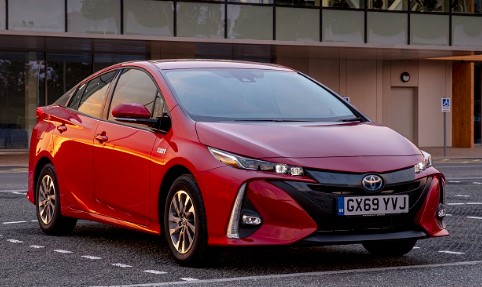
Let’s be honest—when we think about reliability, the Toyota Prius often sits comfortably on the throne. It’s the quiet overachiever of the automotive world, sipping fuel like it’s on a diet and lasting longer than most relationships.
But here’s the twist: not every Prius year is created equal.
Some years? Absolute legends.
Others? Well… let’s just say they come with “character”—and by character, we mean expensive problems.
So if you’re thinking of buying a used Prius, we’re about to save you from making a costly mistake.
Content in this publication
- Why Knowing Prius Years to Avoid Matters
- Quick Overview: Toyota Prius Years to Avoid
- Understanding Prius Generations (Context Matters)
- 2005–2007 Prius: The Dashboard Nightmare
- 2010–2013 Prius: The Head Gasket Saga
- 2010 Prius: The Worst Offender?
- 2011–2013 Prius: Slightly Better, Still Risky
- 2016 Prius: First-Year Blues
- Hybrid Battery Concerns Across All Years
- Transmission Issues: Rare but Costly
- Best Prius Years (For Balance)
- What Causes “Bad Years” in Cars?
- How to Spot a Problematic Prius Before Buying
- Should You Completely Avoid These Years?
- Real-World Ownership: What People Say
- Cost of Ownership: The Hidden Factor
- Final Thoughts: Choose Smart, Drive Happy
- FAQs About Toyota Prius Years to Avoid
- Conclusion
Why Knowing Prius Years to Avoid Matters
Buying a used car without research is like walking blindfolded into a maze—you might get lucky, but odds aren’t on your side.
With hybrids like the Prius, this matters even more because:
- Repairs can be more complex
- Battery systems are expensive to replace
- Some design flaws repeat across certain years
The good news? Once we know which years to skip, we can focus on the gems.
Quick Overview: Toyota Prius Years to Avoid
Let’s cut straight to it. These are the Prius years that tend to raise eyebrows:
- 2005–2007 (2nd Gen)
- 2010–2013 (3rd Gen, early years)
- 2016 (early 4th Gen)
Now let’s unpack why these years can be problematic.
Understanding Prius Generations (Context Matters)
Before we dive into the “bad years,” we need a quick map of Prius generations:
1st Generation (2001–2003)
- Rare in today’s market
- Basic hybrid tech
- Not commonly recommended
2nd Generation (2004–2009)
- Major leap in design and popularity
- Some reliability hiccups
3rd Generation (2010–2015)
- Better performance and efficiency
- Early models had serious issues
4th Generation (2016–2022)
- Modern design and improved safety
- First year teething problems
2005–2007 Prius: The Dashboard Nightmare
The Problem: Failing Combination Meter
One of the most notorious issues in these years is the dashboard going completely dark.
What Happens?
- Speedometer stops working
- Fuel gauge disappears
- Car may not shut off properly
Why It’s a Big Deal
Imagine driving at night with no speed reading—it’s like flying blind.
Other Common Issues
- Hybrid battery degradation
- Weak interior materials
- Multi-function display glitches
2010–2013 Prius: The Head Gasket Saga
If the Prius had a “drama season,” this would be it.
The Problem: Head Gasket Failure
This is the big one—and it’s expensive.
Symptoms
- Engine knocking
- Coolant loss
- White smoke from exhaust
Why It Happens
The design of the EGR (Exhaust Gas Recirculation) system leads to clogging, causing overheating and eventual engine damage.
Secondary Issues in These Years
1. Excessive Oil Consumption
- You may find yourself topping up oil more often than expected
2. EGR System Clogging
- Leads to reduced engine efficiency
- Increases risk of engine failure
3. Brake Actuator Problems
- Expensive repairs (often $1,000+)
2010 Prius: The Worst Offender?
If we had to point fingers, the 2010 model year often tops the “avoid” list.
You may be interested in reading Volkswagen Up Reliability: The Honest Long-Term Ownership Guide
Why?
- First year of the 3rd generation
- Multiple design flaws introduced at once
- Higher-than-average complaints
Think of it as version 1.0 of a new software—bugs included.
2011–2013 Prius: Slightly Better, Still Risky
Toyota improved things—but not enough.
What Improved
- Slight software updates
- Minor refinements
What Didn’t
- Head gasket issues still common
- EGR clogging still present
It’s like patching a leak with tape—it helps, but doesn’t fix the root problem.
2016 Prius: First-Year Blues
New generation, new problems.
Common Complaints
- Electrical glitches
- Infotainment bugs
- Build quality inconsistencies
Reality Check
These issues aren’t catastrophic—but they can be annoying.
If you’re someone who hates small problems piling up, this year might test your patience.
Hybrid Battery Concerns Across All Years
Let’s address the elephant in the room: the hybrid battery.
What You Should Know
- Lifespan: 8–15 years
- Replacement cost: $1,500–$3,000+
Years More Likely to Need Replacement
- 2004–2009 models
- Early 2010s models
That said, not all batteries fail early—it depends heavily on maintenance and driving habits.
Transmission Issues: Rare but Costly
The Prius uses a CVT (Continuously Variable Transmission).
Problem Areas
- Lack of fluid changes
- Wear over time
Symptoms
- Whining noises
- Reduced acceleration
Thankfully, transmission failures are less common compared to engine or battery issues.
Best Prius Years (For Balance)
We’ve talked about what to avoid—now let’s highlight the winners.
Safest Bets
- 2008–2009
- 2014–2015
- 2017–2020
These years offer:
- Improved reliability
- Fewer reported issues
- Better overall value
What Causes “Bad Years” in Cars?
It’s not random.
Common Reasons
- First-year redesigns
- New technology rollouts
- Manufacturing changes
In simple terms: when manufacturers try something new, things can go sideways.
How to Spot a Problematic Prius Before Buying
Even a “bad year” can be a good car—if it’s been maintained well.
You may be interested in readingVolkswagen Up Reliability: The Honest Long-Term Ownership GuideYou may be interested in reading
Volkswagen Up Wheel Size: The Complete Guide to Fitment, Tyres, and PerformanceChecklist Before Buying
- ✅ Ask for full service history
- ✅ Check for EGR cleaning (critical for 2010–2013)
- ✅ Inspect hybrid battery health
- ✅ Look for warning lights
- ✅ Take a long test drive
Should You Completely Avoid These Years?
Not necessarily.
Here’s the nuance:
Avoid If
- You want a stress-free ownership experience
- You don’t want to deal with repairs
Consider If
- Price is significantly lower
- Repairs have already been done
- You’re comfortable with maintenance
Real-World Ownership: What People Say
Owners often describe the Prius as:
- “Bulletproof… until it’s not”
- “Cheap to run, expensive to fix when things go wrong”
It’s a paradox—but a predictable one once you know the weak spots.
A cheaper purchase price doesn’t always mean a better deal.
Example
- Buy a 2010 Prius for cheap
- Spend $2,000 on repairs
Suddenly, that “deal” doesn’t look so good.
Final Thoughts: Choose Smart, Drive Happy
Buying a used Prius is like picking fruit from a tree—most are great, but a few are rotten.
If we stay informed and avoid the risky years, we can enjoy:
- Incredible fuel economy
- Long lifespan
- Low daily running costs
Just remember: knowledge is your best warranty.
FAQs About Toyota Prius Years to Avoid
1. What is the worst Toyota Prius year?
The 2010 Prius is widely considered the worst due to head gasket and EGR-related issues.
2. Are older Prius models unreliable?
Not necessarily. Some older models (like 2008–2009) are actually very reliable if maintained properly.
3. How long does a Prius engine last?
With proper care, a Prius engine can last 200,000–300,000 miles or more.
4. Is the hybrid battery a deal-breaker?
No—but you should factor replacement cost into your budget when buying used.
5. Should I avoid all first-generation models?
They’re not ideal for modern buyers due to outdated tech and limited availability, but they’re not inherently bad.
Conclusion
At the end of the day, the Prius is still one of the smartest used car choices out there. But like any long-running model, it has its ups and downs.
Avoid the problematic years, focus on proven ones, and you’ll likely end up with a car that quietly saves you money mile after mile.
You may be interested in readingVolkswagen Up Reliability: The Honest Long-Term Ownership GuideYou may be interested in reading
Volkswagen Up Wheel Size: The Complete Guide to Fitment, Tyres, and PerformanceYou may be interested in reading
Is a VW Up a Good Car? The Honest, Real-World VerdictAnd honestly… isn’t that the whole point?
If you want to know other articles similar to What Toyota Prius Years to Avoid: A Complete Buyer’s Guide you can visit the category Blog.
Is Vauxhall Agila a Good Car? Reliability, Problems and Buying Guide

Honda Passport Life Expectancy: How Many Miles Can It Last?
Honda Passport Depreciation: How Well Does It Hold Its Value?

Nissan Rogue Reliability Rating: How Reliable Is the Rogue?
Nissan Rogue Life Expectancy: How Long Does It Last?
Vauxhall Agila Reliability: Common Problems, Best Engines and What to Check
Leave a Reply
More content of your interest