

Are Toyota Prius Good Cars? A Deep, Honest Look Before You Buy

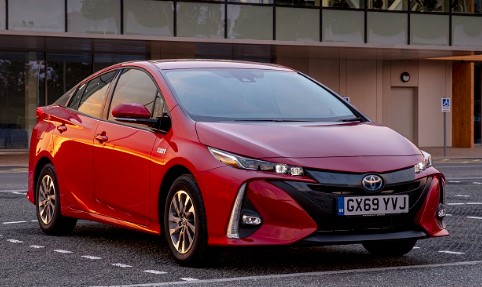
When we think of hybrid cars, one name almost always floats to the top like a buoy in calm water: the Toyota Prius. But here’s the real question—is it actually a good car, or just a well-marketed icon?
Let’s dig deep, peel back the layers, and figure out whether the Prius is genuinely worth your money—or just coasting on reputation.
Content in this publication
- The Prius Legacy: Why Everyone Knows It
- What Makes a Car “Good” Anyway?
- Fuel Efficiency: The Prius Superpower
- Reliability: Where the Prius Truly Shines
- Hybrid Battery: The Biggest Concern (and Myth)
- Maintenance Costs: Surprisingly Low
- Driving Experience: Not Built for Speed (But That’s Okay)
- Interior Comfort and Technology
- Safety: One of the Strongest Points
- Resale Value: Holds Strong Over Time
- Common Problems to Know
- Best Prius Generations to Buy
- Who Should Buy a Prius?
- Prius vs Traditional Gas Cars
- Prius vs Electric Cars (EVs)
- Real Owner Experience: What People Say
- Environmental Impact: A Cleaner Choice
- Is the Toyota Prius Worth It in 2026?
- Final Verdict: Are Toyota Prius Good Cars?
- Closing Thoughts
- FAQs
The Prius Legacy: Why Everyone Knows It
A Pioneer of Hybrid Technology
The Toyota Prius wasn’t just another car—it was a revolution on wheels. Launched in the late 1990s by Toyota, it became the world’s first mass-produced hybrid vehicle.
From Quirky to Cool
Back then, it looked… unusual. Today? Sleek, modern, and surprisingly stylish—especially the latest generation.
What Makes a Car “Good” Anyway?
Before we crown the Prius king (or not), we need to define “good.” Most drivers care about:
- Reliability
- Fuel efficiency
- Maintenance costs
- Comfort
- Resale value
- Driving experience
Let’s break each one down.
Fuel Efficiency: The Prius Superpower
Hybrid Efficiency That Still Leads
If fuel savings were a sport, the Prius would have a trophy cabinet full of gold medals.
- Average: 50–60 MPG (US)
- City driving: Even better due to electric assist
- Highway: Still impressive
Why It’s So Efficient
The Prius combines:
- A gasoline engine
- An electric motor
- A regenerative braking system
Together, they create a system that wastes almost nothing.
Reliability: Where the Prius Truly Shines
Toyota’s Reputation Matters
Toyota is practically synonymous with reliability—and the Prius is one of its strongest examples.
Real-World Longevity
Many Prius owners report:
- 200,000+ miles with minimal issues
- Original hybrid batteries lasting 10–15 years
Common Reliability Highlights
- Engine rarely stressed
- Fewer moving parts than traditional cars
- Smooth hybrid transitions
Hybrid Battery: The Biggest Concern (and Myth)
Do Batteries Fail Often?
Short answer: Not really.
You may be interested in reading What Toyota Prius Years to Avoid: A Complete Buyer’s Guide
Most batteries:
- Last 8–15 years
- Often exceed 150,000 miles
Replacement Cost Reality
- Older models: $1,000–$2,500 (refurbished options exist)
- Newer models: More expensive, but less likely to fail
The Myth vs Reality
People fear hybrid batteries like storm clouds—but in reality, they’re more like passing rain.
Maintenance Costs: Surprisingly Low
Why Maintenance Is Cheaper
- Less brake wear (thanks to regenerative braking)
- No traditional alternator or starter
- Engine runs less frequently
Typical Costs
Compared to traditional cars:
- Oil changes: Same or less frequent
- Brake pads: Last longer
- Overall cost: Lower than average
Driving Experience: Not Built for Speed (But That’s Okay)
Let’s Be Honest
The Prius is not a sports car.
- Acceleration: Moderate
- Handling: Comfortable, not aggressive
- Noise: Quiet and smooth
But Here’s the Trade-Off
You sacrifice thrill for:
- Fuel savings
- Comfort
- Peace of mind
Think of it like choosing a calm river over a wild ocean.
Interior Comfort and Technology
Modern Features
Newer Prius models offer:
- Large touchscreens
- Apple CarPlay & Android Auto
- Advanced driver assistance
Comfort Level
- Spacious cabin
- Smooth ride
- Quiet interior
Safety: One of the Strongest Points
Toyota Safety Sense
Most Prius models include:
- Adaptive cruise control
- Lane departure warning
- Automatic emergency braking
Crash Test Ratings
Consistently high across generations.
Resale Value: Holds Strong Over Time
Why It Retains Value
- High demand
- Proven reliability
- Fuel efficiency
Used Market Insight
Even older Prius models:
- Sell quickly
- Maintain solid prices
Common Problems to Know
Not Perfect—Here’s the Reality
Every car has flaws. The Prius is no exception.
Most Reported Issues
- EGR valve clogging (3rd gen)
- Inverter issues (rare, mostly fixed)
- Aging battery concerns
But Here’s the Key
These issues are:
You may be interested in readingWhat Toyota Prius Years to Avoid: A Complete Buyer’s GuideYou may be interested in reading
 Volkswagen Up Reliability: The Honest Long-Term Ownership Guide
- Well-documented
- Often preventable
Best Prius Generations to Buy
Top Picks
- 2016–2022 (4th Gen): Reliable and efficient
- 2023+ (5th Gen): Stylish, more powerful
Generations to Approach Carefully
- 2010–2015 (watch for EGR issues)
Who Should Buy a Prius?
Perfect For
- Daily commuters
- Uber/Lyft drivers
- Budget-conscious drivers
- Eco-conscious buyers
Not Ideal For
- Performance enthusiasts
- Off-road drivers
- Towing needs
Prius vs Traditional Gas Cars
Pros Over Gas Cars
- Better fuel economy
- Lower emissions
- Less maintenance
Cons
- Less power
- Higher upfront cost
Prius vs Electric Cars (EVs)
Why Choose Prius Over EV?
- No charging anxiety
- Lower upfront cost
- Proven long-term reliability
Where EVs Win
- Zero emissions
- Instant torque
- Lower energy cost
Real Owner Experience: What People Say
Common Praise
- “It just works.”
- “I save a ton on gas.”
- “Never breaks down.”
Common Complaints
- “Not exciting to drive.”
- “Interior could be nicer (older models).”
Environmental Impact: A Cleaner Choice
Lower Emissions
The Prius produces:
- Less CO₂
- Less fuel consumption
Eco-Friendly Without Going Full Electric
It’s the middle ground between:
- Gas cars
- Fully electric vehicles
Is the Toyota Prius Worth It in 2026?
Short Answer
Yes—if your priorities align with what it offers.
It’s Worth It If You Want:
- Reliability
- Fuel savings
- Low maintenance
- Long lifespan
It’s Not Worth It If You Want:
- Speed
- Luxury
- Driving excitement
Final Verdict: Are Toyota Prius Good Cars?
Let’s cut through the noise.
The Toyota Prius isn’t trying to be everything—and that’s exactly why it succeeds.
It’s like a dependable friend:
- Not flashy
- Not thrilling
- But always there when you need it
If you value practicality over performance, the Prius isn’t just good—it’s one of the smartest choices you can make.
Closing Thoughts
We often chase excitement when choosing a car. But sometimes, the smartest move isn’t the loudest one—it’s the quiet, efficient, reliable option that saves you money and stress over time.
And that’s where the Prius quietly wins.
FAQs
1. How long does a Toyota Prius last?
Most last 200,000–300,000 miles with proper maintenance.
2. Is the Prius expensive to maintain?
No. It’s generally cheaper than average due to fewer wear components.
3. Do Prius batteries need frequent replacement?
No. Most last over a decade.
You may be interested in readingWhat Toyota Prius Years to Avoid: A Complete Buyer’s GuideYou may be interested in reading
Volkswagen Up Reliability: The Honest Long-Term Ownership GuideYou may be interested in reading
Volkswagen Up Wheel Size: The Complete Guide to Fitment, Tyres, and Performance4. Is the Prius good for long drives?
Yes. It’s comfortable, quiet, and extremely fuel-efficient.
5. Is buying a used Prius a good idea?
Absolutely—just check battery health and service history.
If you want to know other articles similar to Are Toyota Prius Good Cars? A Deep, Honest Look Before You Buy you can visit the category Blog.
Kia Sportage Gas Tank Size: Complete Guide

BMW X1 Life Expectancy: How Long Does It Last?
Is the Toyota Yaris Cross Reliable? 2026 Guide

Kia Sportage Weight Guide: Curb, Kerb & GVWR

Toyota RAV4 Gas Tank Size (Chart & Explanation)

Toyota RAV4 Depreciation: Complete Resale Value Guide
Leave a Reply
More content of your interest