

Volkswagen Up Engine: The Small Motor That Thinks Big

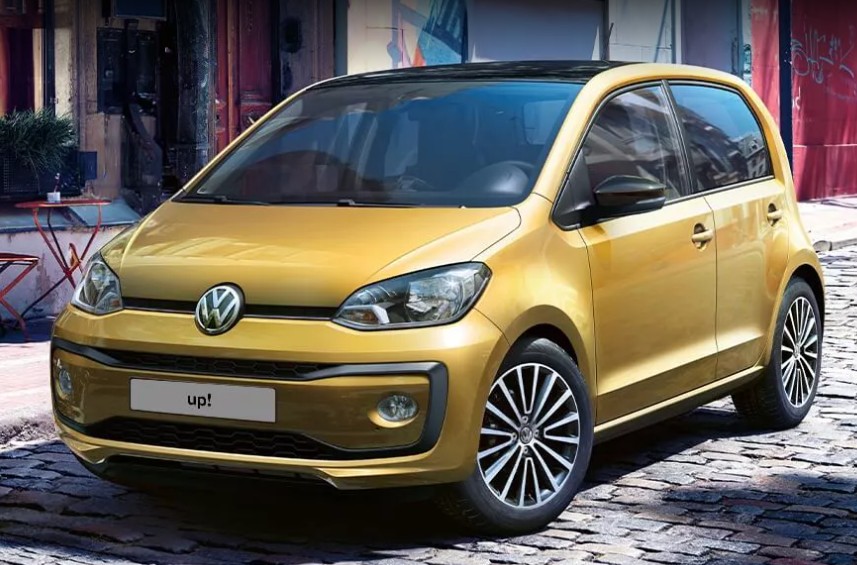
When we talk about city cars, few names spark as much quiet admiration as the Volkswagen Up!. It’s compact, clever, and surprisingly capable—but let’s be honest, the real magic lives under the hood.
The Volkswagen Up engine is a masterclass in efficiency, simplicity, and urban practicality. It doesn’t roar like a sports car, but it whispers intelligence with every mile. And today, we’re diving deep into what makes this little engine such a big deal.
Content in this publication
- Why the Volkswagen Up Engine Deserves Attention
- Overview of Volkswagen Up Engine Options
- Breaking Down the 1.0 MPI Engine
- How the 1.0 TSI Turbo Changes the Game
- Fuel Efficiency: Where the Up Engine Shines
- Engine Reliability: Can You Trust It?
- Maintenance Tips for Long Engine Life
- Timing Chain vs Timing Belt
- Engine Performance in Real Life
- Sound and Character of the Engine
- Comparing the Up Engine to Rivals
- Is the Volkswagen Up Engine Good for Beginners?
- Common Problems and How to Avoid Them
- Engine Longevity: How Many Miles Can It Last?
- Best Engine Choice: MPI vs TSI
- Driving Experience: What It Feels Like Daily
- Future of Small Engines Like This
- Closing Thoughts: Small Engine, Big Impact
- FAQs About Volkswagen Up Engine
Why the Volkswagen Up Engine Deserves Attention
We often overlook small engines. Bigger seems better, right? Not always.
The engine inside the Up! is like a perfectly brewed espresso—small, intense, and designed to deliver exactly what you need without waste.
What Makes It Unique?
- Compact 3-cylinder design
- Lightweight construction
- Exceptional fuel efficiency
- Surprisingly responsive in city driving
It’s not built to impress on a racetrack—but in traffic? It shines.
Overview of Volkswagen Up Engine Options
Volkswagen kept things simple, but effective.
Petrol Engines (The Core Lineup)
The Up! primarily comes with a 1.0-liter petrol engine, offered in different power outputs.
1.0 MPI (Naturally Aspirated)
- 60 PS version
- 75 PS version
- Smooth and predictable performance
1.0 TSI (Turbocharged Variant)
- Around 90 PS
- Noticeably more punch
- Better for highway driving
Electric Alternative: e-Up!
Though not an engine in the traditional sense, the electric version deserves a mention.
- Fully electric drivetrain
- Instant torque
- Zero emissions
Breaking Down the 1.0 MPI Engine
Let’s zoom in on the heart of the Up!.
Key Specifications
- 3 cylinders
- 999 cc displacement
- Multi-point fuel injection
- Lightweight aluminum construction
Driving Feel
We can describe it as:
- Calm at low speeds
- Slightly buzzy at higher revs
- Surprisingly agile in urban conditions
It’s like riding a bicycle with perfect balance—you don’t need brute force when everything works in harmony.
How the 1.0 TSI Turbo Changes the Game
If the MPI is a calm thinker, the TSI is the energetic sibling.
Turbocharged Benefits
- More torque at lower RPM
- Faster acceleration
- Improved overtaking ability
Is It Worth It?
If we:
- Drive frequently on highways → Yes
- Stay mostly in the city → MPI is enough
Fuel Efficiency: Where the Up Engine Shines
Efficiency is where the Up! engine truly earns its reputation.
Real-World Fuel Consumption
- MPI: ~4.5–5.5 L/100 km
- TSI: ~4.2–5.0 L/100 km
Why It’s So Efficient
- Low weight
- Small displacement
- Smart engine tuning
Think of it as sipping fuel rather than gulping it.
Engine Reliability: Can You Trust It?
Short answer? Yes.
Common Strengths
- Proven VW engineering
- Simple design = fewer failures
- Long lifespan with proper maintenance
Potential Weak Spots
- Coil pack issues (occasionally)
- Carbon buildup (TSI engines)
But nothing alarming if we maintain it well.
Maintenance Tips for Long Engine Life
Treat the engine right, and it will return the favor.
Essential Maintenance Checklist
- Change oil every 10,000–15,000 km
- Use high-quality fuel
- Replace spark plugs on time
- Keep air filters clean
Golden Rule
A small engine works harder—so regular care matters more.
Timing Chain vs Timing Belt
The Up! engine uses a timing chain instead of a belt.
Why This Matters
- No regular replacement needed
- Lower maintenance costs
- Designed to last the engine’s lifetime
It’s one less thing to worry about.
Engine Performance in Real Life
Let’s be real—numbers don’t tell the whole story.
City Driving
- Light and nimble
- Easy to maneuver
- Quick off the line at traffic lights
Highway Driving
- MPI: Adequate but not exciting
- TSI: Much more confident
Sound and Character of the Engine
A 3-cylinder engine has personality.
What It Sounds Like
- Slight rumble at idle
- Distinctive hum when accelerating
It’s not loud—but it’s uniquely charming.
Comparing the Up Engine to Rivals
How does it stack up?
Against Similar City Cars
- Better build quality
- Comparable efficiency
- Slightly more refined feel
Competitors may match it—but rarely outclass it.
Is the Volkswagen Up Engine Good for Beginners?
Absolutely.
Why It’s Beginner-Friendly
- Predictable power delivery
- Low running costs
- Easy maintenance
It’s like learning to drive with a patient teacher.
Common Problems and How to Avoid Them
No engine is perfect.
Typical Issues
- Ignition coil wear
- Minor oil consumption in older units
- Turbo wear (TSI, long-term)
Prevention Tips
- Regular servicing
- Avoid aggressive cold starts
- Use recommended oil
Engine Longevity: How Many Miles Can It Last?
With proper care:
- 200,000 km+ is realistic
- Some reach 300,000 km
Consistency beats intensity when it comes to engine life.
Best Engine Choice: MPI vs TSI
Let’s simplify the decision.
Choose MPI if:
- You mainly drive in the city
- You want simplicity
- You prefer lower maintenance
Choose TSI if:
- You need extra power
- You drive on highways often
- You enjoy responsive acceleration
Driving Experience: What It Feels Like Daily
Living with the Up! engine is like having a reliable companion.
- It starts every morning without drama
- It handles traffic like a pro
- It keeps fuel costs low
It’s not flashy—but it’s dependable, and that matters more.
Future of Small Engines Like This
With electrification rising, engines like this are becoming rare.
But their legacy?
- Efficiency
- Simplicity
- Practicality
They remind us that sometimes, less truly is more.
Closing Thoughts: Small Engine, Big Impact
The Volkswagen Up engine isn’t about speed records or flashy specs. It’s about smart engineering that fits real life.
It’s the kind of engine that quietly proves its worth—day after day, mile after mile.
And honestly? That’s far more impressive than horsepower alone.
FAQs About Volkswagen Up Engine
1. Is the Volkswagen Up engine reliable?
Yes, it’s generally very reliable, especially with regular maintenance and proper care.
2. What is the best engine version for city driving?
The 1.0 MPI is ideal for city use due to its simplicity and efficiency.
3. Does the Volkswagen Up engine have a timing belt?
No, it uses a timing chain, which usually lasts the lifetime of the engine.
4. How long does the engine last?
With good maintenance, it can exceed 200,000 km and even reach 300,000 km.
5. Is the turbocharged TSI engine better?
It offers more power and better highway performance, but may require slightly more maintenance.
If you want to know other articles similar to Volkswagen Up Engine: The Small Motor That Thinks Big you can visit the category Service and Parts.
Kia Sorento Service Reset: How to Reset the Service Light
Kia Sorento Fuel Tank Capacity: Gallons, Litres and Model Differences
Kia Sorento Tyre Pressure: Recommended PSI, Bar and Complete Guide
Kia Sorento Boot Space: How Much Luggage Space Does It Really Have?
Kia Sorento Towing Capacity: How Much Can a Sorento Tow?

Honda Passport Payload Capacity: How Much Weight Can It Carry?
Leave a Reply
More content of your interest