

Volkswagen Up Fuel Consumption: The Real-World Efficiency Guide We All Need

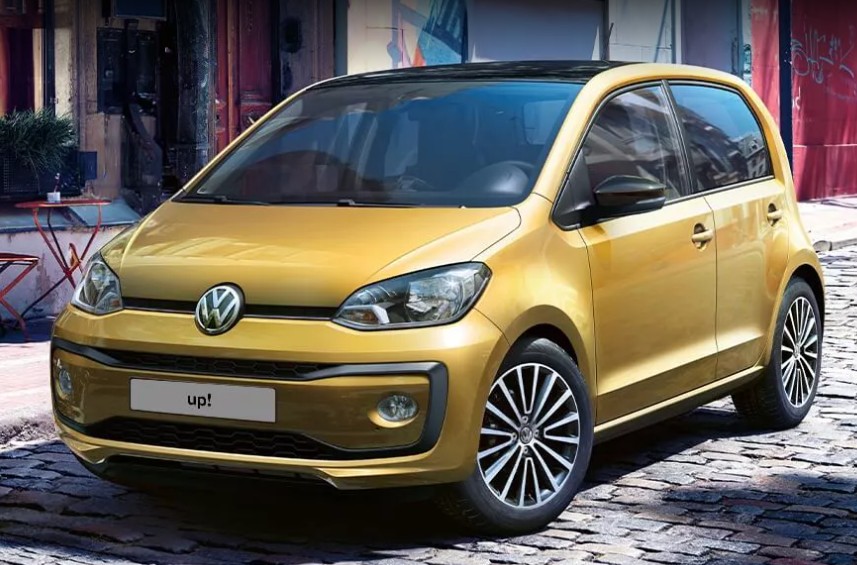
When we talk about small city cars that punch above their weight, the Volkswagen Up almost always sneaks into the conversation. It’s tiny, yes—but don’t let that fool you. Underneath its compact frame lies one of the most efficient engines in its class.
But here’s the real question we’re all secretly asking: How good is the Volkswagen Up fuel consumption in real life? Not brochure numbers. Not lab-tested perfection. Real roads, real traffic, real drivers.
Let’s dive deep—like a fuel gauge slowly dropping on a long road trip—and unpack everything you need to know.
Content in this publication
- Understanding Volkswagen Up Fuel Consumption
- Official Fuel Economy Figures for the Volkswagen Up
- Real-World Volkswagen Up Fuel Consumption
- Engine Variants and Their Impact on Fuel Economy
- Factors That Affect Volkswagen Up Fuel Consumption
- Volkswagen Up vs Competitors: Fuel Economy Comparison
- How to Improve Your Volkswagen Up Fuel Consumption
- Fuel Costs: What Does It Mean for Your Wallet?
- Is the Volkswagen Up Good for Long Trips?
- Common Myths About Small Cars and Fuel Economy
- Volkswagen Up Electric Alternative: A Different Story
- Ownership Experience: What Drivers Say
- Is the Volkswagen Up Fuel Efficient Enough for You?
- Closing Thoughts: Small Car, Big Efficiency
- FAQs About Volkswagen Up Fuel Consumption
Understanding Volkswagen Up Fuel Consumption
What Does Fuel Consumption Really Mean?
Fuel consumption is simply how much fuel your car uses to travel a certain distance. It’s often measured in:
- Miles per gallon (MPG) – common in the UK and US
- Liters per 100 km (L/100km) – common in Europe and Latin America
Lower consumption = better efficiency. Simple, right?
But here’s the twist: numbers vary wildly depending on how and where you drive.
Official Fuel Economy Figures for the Volkswagen Up
Factory-Claimed MPG (WLTP Figures)
Depending on the engine and year, the Volkswagen Up typically offers:
- Petrol engines:
- 55–65 MPG (UK)
- 4.5–5.5 L/100km
- Eco Up (CNG variant):
- Even lower running costs due to compressed natural gas
Why Official Figures Can Be Misleading
Manufacturers test cars under ideal conditions:
- Smooth roads
- No traffic
- Perfect weather
- Gentle acceleration
In reality? We deal with hills, traffic jams, and that one driver who brakes every 5 seconds.
Real-World Volkswagen Up Fuel Consumption
City Driving: Where It Shines
The Volkswagen Up thrives in urban environments:
- Average: 45–55 MPG (UK)
- Stop-start systems help reduce fuel waste
- Lightweight design = less energy needed
It’s like a hummingbird—small, efficient, and always ready to dart through traffic.
Highway Driving: Still Impressive
On longer journeys:
- Average: 55–65 MPG (UK)
- Stable cruising speeds improve efficiency
But push it hard at high speeds, and consumption rises quickly. Small engines don’t love being pushed constantly.
Mixed Driving: The Real Benchmark
Most drivers experience:
- Average: 50–60 MPG (UK)
That’s where the Up really earns its reputation.
Engine Variants and Their Impact on Fuel Economy
1.0 MPI (Naturally Aspirated)
- Power: 60–75 hp
- Fuel consumption: Excellent
- Best for: City drivers
This is the efficiency king—simple, reliable, and cheap to run.
1.0 TSI (Turbocharged)
- Power: 90–115 hp
- Slightly higher fuel consumption
- Better performance
Think of it as the Up with a caffeine boost—more fun, slightly thirstier.
Eco Up (CNG Version)
- Runs on compressed natural gas
- Extremely low running costs
- Limited availability depending on region
Factors That Affect Volkswagen Up Fuel Consumption
Driving Style Matters More Than You Think
Aggressive driving can increase fuel use by up to 30%:
- Hard acceleration
- Late braking
- High-speed cruising
Drive smoothly, and the Up rewards you generously.
Road Conditions and Terrain
- Flat roads: Best efficiency
- Hills: Higher fuel consumption
- Traffic: Increased fuel usage due to idling
Vehicle Load
More weight = more fuel:
- Passengers
- Luggage
- Roof racks
Keep it light, keep it efficient.
Tyre Pressure and Maintenance
Underinflated tyres are silent fuel killers:
- Increase rolling resistance
- Reduce MPG
Regular servicing ensures optimal engine performance.
Volkswagen Up vs Competitors: Fuel Economy Comparison
Let’s stack it up against rivals:
Volkswagen Up vs Toyota Aygo
- Similar MPG
- Up feels more refined
Volkswagen Up vs Hyundai i10
- i10 offers more space
- Up edges ahead in efficiency
Volkswagen Up vs Kia Picanto
- Picanto is affordable
- Up wins in real-world MPG
How to Improve Your Volkswagen Up Fuel Consumption
Smart Driving Tips
- Accelerate gently
- Maintain steady speeds
- Anticipate traffic
Maintenance Checklist
- Regular oil changes
- Clean air filter
- Proper tyre pressure
Eco Driving Techniques
- Use higher gears early
- Avoid unnecessary idling
- Turn off engine during long stops
Fuel Costs: What Does It Mean for Your Wallet?
Let’s break it down:
- Average consumption: 55 MPG
- Annual mileage: 10,000 miles
You’ll spend significantly less compared to larger vehicles.
It’s like owning a car that sips fuel instead of gulping it.
Is the Volkswagen Up Good for Long Trips?
Surprisingly, yes.
Pros
- Excellent fuel economy
- Easy to maneuver
- Comfortable enough for short trips
Cons
- Limited power at high speeds
- Smaller fuel tank
Common Myths About Small Cars and Fuel Economy
Myth 1: Small Cars Always Use Less Fuel
Not always—engine efficiency matters more than size.
Myth 2: Turbo Engines Are Always Less Efficient
Modern turbo engines can be efficient if driven sensibly.
Myth 3: Manual Is Always More Efficient Than Automatic
Modern automatics can match or even beat manuals.
Volkswagen Up Electric Alternative: A Different Story

The Volkswagen e-Up changes the game entirely:
- Zero fuel consumption
- Fully electric
- Lower running costs
If fuel savings are your priority, this is the ultimate upgrade.
Ownership Experience: What Drivers Say
Real drivers often report:
- Consistent 50–60 MPG
- Low running costs
- Reliable performance
It’s not just numbers—it’s peace of mind.
Is the Volkswagen Up Fuel Efficient Enough for You?
Let’s be honest. If you’re:
- A city driver
- Looking to save money
- Wanting a reliable small car
Then yes—the Volkswagen Up is a fantastic choice.
Closing Thoughts: Small Car, Big Efficiency
The Volkswagen Up proves that you don’t need a massive engine or hybrid system to achieve great fuel economy. It’s simple, clever engineering wrapped in a compact package.
We could say it’s the espresso shot of cars—small, concentrated, and surprisingly powerful.
If you drive smart, maintain it well, and respect its limits, the Up will reward you with exceptional efficiency.
FAQs About Volkswagen Up Fuel Consumption
1. What is the average MPG of a Volkswagen Up?
Around 50–60 MPG in real-world driving.
2. Is the Volkswagen Up good for city driving?
Yes, it’s one of the best city cars due to its efficiency and size.
3. Does the Volkswagen Up consume more fuel on highways?
Slightly, especially at higher speeds, but still efficient.
4. Which engine is most fuel-efficient?
The 1.0 MPI engine offers the best fuel economy.
5. Is the electric Volkswagen e-Up cheaper to run?
Yes, it eliminates fuel costs entirely.
If you want to know other articles similar to Volkswagen Up Fuel Consumption: The Real-World Efficiency Guide We All Need you can visit the category Driving.
Mazda CX-5 Real-World MPG: What Drivers Actually Get
Mazda CX-5 0-60: Acceleration Times by Year and Engine
MG HS Fuel Consumption: Complete MPG Guide

Can Nissan Rogue Pull a Boat? Complete Towing Guide
Can Nissan Rogue Be Flat Towed? Complete Towing Guide
Are Nissan Rogue Good on Gas? MPG, Fuel Economy, and Real-World Costs
Leave a Reply
More content of your interest