

Vauxhall Crossland Tyre Pressure Reset: The Complete Owner’s Guide

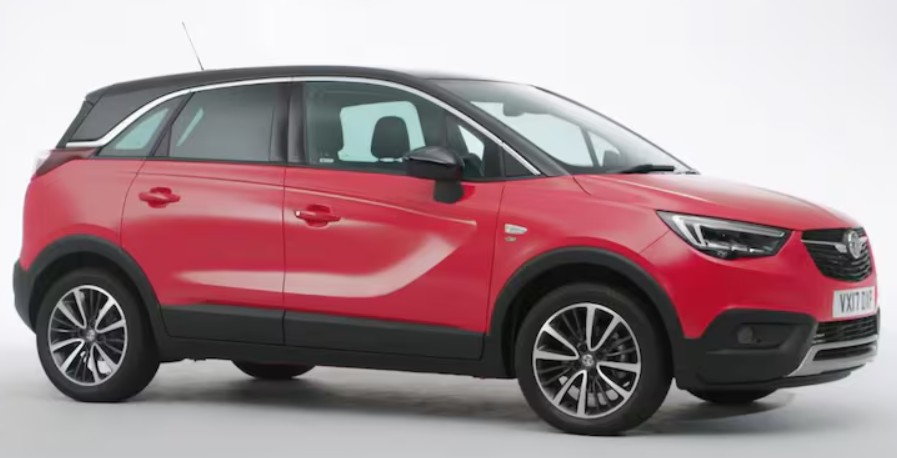
When it comes to keeping our car running smoothly, tyre pressure is one of those quiet heroes we often overlook—until a warning light suddenly pops up on the dashboard. If you own a Vauxhall Crossland, you’ve probably seen that tyre pressure monitoring system (TPMS) alert at least once.
So, what now? Do we panic? Ignore it? Or reset it and hope for the best?
Let’s break it all down together—step by step, in plain English—so we can confidently handle a tyre pressure reset like pros.
Content in this publication
- Understanding the Tyre Pressure Monitoring System (TPMS)
- Types of TPMS in the Vauxhall Crossland
- When Should We Reset Tyre Pressure?
- Before Resetting: Check Your Tyre Pressure Properly
- Step-by-Step: Vauxhall Crossland Tyre Pressure Reset
- What Happens After Resetting?
- Why Your TPMS Light Won’t Turn Off
- Seasonal Changes and Tyre Pressure
- Ideal Tyre Pressure for Vauxhall Crossland
- The Hidden Risks of Ignoring TPMS
- DIY vs Professional Reset: Which Is Better?
- Tyre Maintenance Tips That Save You Money
- Common Mistakes We All Make
- How Long Does a Reset Take?
- Does Tyre Pressure Affect Fuel Economy?
- Is TPMS Reset the Same Across All Models?
- Closing Thoughts: Stay Safe, Stay Smart
- FAQs
Understanding the Tyre Pressure Monitoring System (TPMS)
What Is TPMS and Why Does It Matter?
Think of TPMS as your car’s early warning system. It constantly monitors the air pressure in your tyres and alerts you when something’s off.
Without it, we’d be guessing—and that’s risky.
Low tyre pressure can lead to:
- Poor fuel efficiency
- Uneven tyre wear
- Reduced handling and safety
- Increased risk of blowouts
In short, it’s not just a warning light—it’s your car saying, “Hey, something needs attention.”
Types of TPMS in the Vauxhall Crossland
Direct vs Indirect Systems
The Vauxhall Crossland typically uses an indirect TPMS, meaning:
- It doesn’t measure pressure directly
- Instead, it uses wheel speed sensors (via ABS)
- It detects differences in rotation between tyres
Why This Matters for Resetting
Because it’s indirect, resetting isn’t about reprogramming sensors—it’s about recalibrating the system.
Think of it like telling your car:
“Hey, these current pressures are the new normal.”
When Should We Reset Tyre Pressure?
Common Situations That Require a Reset
We should reset the TPMS after:
- Inflating or deflating tyres
- Replacing tyres
- Rotating tyres
- Fixing a puncture
- Seasonal temperature changes
A Simple Rule of Thumb
If you’ve touched the tyres—reset the system.
Before Resetting: Check Your Tyre Pressure Properly
Don’t Skip This Step
Resetting without checking pressure is like silencing a smoke alarm without checking for fire.
How to Check Tyre Pressure Correctly
- Use a reliable pressure gauge
- Check when tyres are cold
- Refer to the driver’s door sticker for correct PSI
- Adjust all four tyres evenly
Step-by-Step: Vauxhall Crossland Tyre Pressure Reset
Method 1: Using the Infotainment System
Step 1: Turn the Ignition On
Don’t start the engine—just switch to ignition mode.
Step 2: Access the Menu
Navigate to:
- “Driving” or “Vehicle Settings”
- Select “Tyre Pressure”
Step 3: Initialize the System
Choose:
- “Reinitialize”
- Or “Reset Tyre Pressure”
Step 4: Confirm
Press OK and wait for confirmation.
Step 5: Drive the Vehicle
Drive for a few minutes so the system recalibrates.
Method 2: Using Steering Wheel Controls
Some models allow resetting via buttons:
- Use arrows to navigate dashboard menu
- Select tyre pressure option
- Hold OK to confirm reset
What Happens After Resetting?
The System Learns Again
After resetting:
- The system monitors wheel speeds
- Establishes a new baseline
- Detects future deviations
It’s like resetting your fitness tracker—it needs time to relearn your “normal.”
Why Your TPMS Light Won’t Turn Off
Common Reasons
If the light stays on, it could be:
- Incorrect tyre pressure
- A slow puncture
- Uneven tyre sizes
- Faulty ABS sensor
What We Should Do
- Recheck pressure
- Inspect tyres visually
- Drive for 10–15 minutes
- If still on → consider диагностика
Seasonal Changes and Tyre Pressure
Why Winter and Summer Matter
Temperature affects pressure more than we think.
- Cold air → pressure drops
- Warm air → pressure rises
Smart Habit
Check pressure every month—and always at season changes.
Ideal Tyre Pressure for Vauxhall Crossland
Typical Range
Most models fall between:
- 32–36 PSI (front and rear)
But always confirm using:
- Driver’s door sticker
- Owner’s manual
What Happens If We Ignore It?
Ignoring the warning is like driving with blurred vision.
Potential risks:
- Reduced braking efficiency
- Increased tyre wear
- Higher fuel consumption
- Dangerous handling in emergencies
DIY vs Professional Reset: Which Is Better?
When DIY Works
- After inflation
- After tyre rotation
- No warning persists
When to Visit a Mechanic
- Persistent warning light
- Sensor malfunction
- Uneven wear patterns
Tyre Maintenance Tips That Save You Money
Simple Habits That Go a Long Way
- Check pressure monthly
- Rotate tyres every 8,000–10,000 km
- Inspect for cracks or bulges
- Keep tyres balanced
Common Mistakes We All Make
Let’s Be Honest… We’ve Done These
- Resetting without checking pressure
- Ignoring the warning light
- Using wrong PSI
- Forgetting spare tyre
How Long Does a Reset Take?
Quick Answer
- Reset process: 1–2 minutes
- System recalibration: 5–15 minutes driving
Does Tyre Pressure Affect Fuel Economy?
Absolutely
Low pressure increases rolling resistance.
That means:
- More fuel used
- More money spent
Keeping tyres properly inflated is like giving your wallet a break.
Is TPMS Reset the Same Across All Models?
Not Exactly
Even within the Vauxhall Crossland range:
- Older models may differ slightly
- Infotainment layouts vary
But the principle remains the same.
Closing Thoughts: Stay Safe, Stay Smart
Resetting tyre pressure in your Vauxhall Crossland isn’t complicated—it’s just one of those things that feels confusing until you’ve done it once.
After that? It becomes second nature.
Think of it like brushing your teeth—you don’t question it, you just do it. And your car rewards you with better performance, safety, and efficiency.
So next time that warning light pops up, you’ll know exactly what to do—no guesswork, no stress.
FAQs
1. Can I drive with the TPMS light on?
Yes, but it’s not recommended. It indicates a potential safety issue.
2. Do I need special tools to reset tyre pressure?
No. The reset can usually be done through the car’s menu.
3. How often should I check tyre pressure?
At least once a month and before long trips.
4. Why does the light come back after resetting?
Likely due to incorrect pressure or a slow leak.
5. Does tyre pressure change overnight?
Yes—especially with temperature drops.
If you want to know other articles similar to Vauxhall Crossland Tyre Pressure Reset: The Complete Owner’s Guide you can visit the category Service and Parts.
Nissan Rogue Oil Change Cost: Prices, Service Options, and What to Expect
Nissan Rogue Key Battery Replacement: Easy Step-by-Step Guide
Nissan Rogue Oil Change Interval: Complete Guide by Model Year
Nissan Rogue Brake Pads and Rotors Cost: Complete 2026 Guide

Kia Sorento Service Reset: How to Reset the Service Light
Kia Sorento Fuel Tank Capacity: Gallons, Litres and Model Differences
Leave a Reply
More content of your interest