

Vauxhall Crossland vs Nissan Qashqai: Which SUV Truly Fits Your Life?

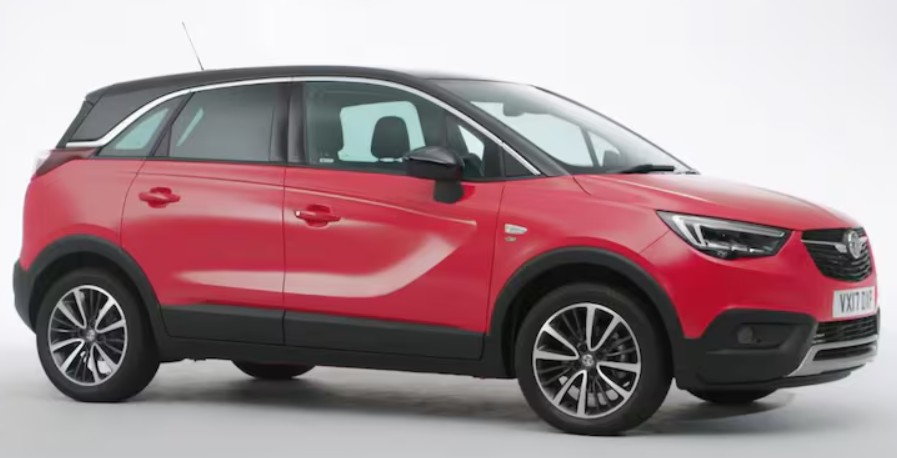
When we step into the world of compact SUVs, two names quietly but persistently surface: the Vauxhall Crossland and the Nissan Qashqai.
At first glance, they seem to play in the same arena—but look closer, and it’s like comparing a nimble city runner to a seasoned marathoner.
So, which one deserves your driveway? Let’s unpack this in a way that actually helps you decide—not just compare specs on paper.
Content in this publication
- Understanding the DNA of Each SUV
- Size Matters: Compact vs Mid-Size Feel
- Interior Comfort and Cabin Experience
- Passenger Space: Who Wins for Comfort?
- Boot Space and Practicality
- Engine Options and Performance
- Fuel Economy: Saving at the Pump
- Technology and Infotainment
- Safety Features: Peace of Mind on the Road
- Driving Experience: City vs Highway
- Running Costs and Maintenance
- Reliability and Ownership Experience
- Who Should Choose the Crossland?
- Who Should Choose the Qashqai?
- Pros and Cons at a Glance
- Final Verdict: Which One Wins?
- Conclusion: The Right SUV Is the One That Fits You
- FAQs
Understanding the DNA of Each SUV
The Urban Mindset of the Crossland


The Crossland is built with one thing in mind: simplicity and practicality for daily urban life. It’s compact, efficient, and easy to maneuver.
Think of it as the friend who always finds parking—even in impossible spots.
The All-Rounder Nature of the Qashqai


The Qashqai, on the other hand, is the SUV that started the crossover trend. It’s larger, more refined, and designed to do a bit of everything—from city commutes to long road trips.
It’s the kind of car that says, “Let’s go further.”
Size Matters: Compact vs Mid-Size Feel
Dimensions Breakdown
When we compare size, the difference becomes immediately clear:
- Crossland
- Length: ~4.2 meters
- Narrower body
- Easier for tight streets
- Qashqai
- Length: ~4.4–4.5 meters
- Wider stance
- More road presence
What Does This Mean in Real Life?
- The Crossland is perfect for:
- Urban driving
- First-time SUV owners
- Stress-free parking
- The Qashqai is better for:
- Families
- Highway comfort
- Carrying more passengers
It’s like choosing between a studio apartment and a spacious house—both work, but your lifestyle decides.
Interior Comfort and Cabin Experience
Crossland Interior: Practical Simplicity
The Crossland keeps things straightforward:
- Functional dashboard
- Durable materials
- Upright seating position
It’s not flashy—but it gets the job done.
The Qashqai feels like a step up:
- Softer materials
- Larger infotainment screens
- More refined layout
It leans toward a premium experience without fully crossing into luxury territory.
Passenger Space: Who Wins for Comfort?
Front Seats
Both cars offer comfortable front seating, but:
You may be interested in reading Vauxhall Crossland vs MG ZS: Which Compact SUV Truly Wins?
- Qashqai feels wider and more relaxed
- Crossland feels slightly tighter
Rear Seats
Here’s where the gap grows:
- Qashqai: better legroom and shoulder space
- Crossland: adequate, but not generous
If you often carry passengers, the Qashqai clearly pulls ahead.
Boot Space and Practicality
Cargo Capacity Comparison
- Crossland: ~410 liters
- Qashqai: ~480–500 liters
Real-World Use
- Crossland handles:
- Groceries
- Daily errands
- Qashqai handles:
- Family luggage
- Road trips
- Bulky items
If your weekends involve suitcases, the Qashqai wins without breaking a sweat.
Engine Options and Performance
Crossland Engine Range
- Small petrol engines
- Focus on fuel efficiency
- Modest power output
Qashqai Engine Range
- Mild-hybrid petrol engines
- More horsepower
- Smoother acceleration
Driving Feel
- Crossland: light, easy, predictable
- Qashqai: more stable, more confident
The Crossland is a bicycle—efficient and nimble.
The Qashqai is a train—steady and powerful.
Fuel Economy: Saving at the Pump
Crossland Efficiency
Expect:
- Lower fuel consumption
- Cheaper running costs
Qashqai Efficiency
Still efficient, but:
- Slightly higher fuel usage due to size
If fuel savings are your top priority, the Crossland edges ahead.
Technology and Infotainment
Crossland Tech Features
- Basic touchscreen
- Smartphone connectivity
- Essential driver aids
Qashqai Tech Features
- Larger, sharper displays
- Advanced driver assistance
- Digital instrument cluster
The Qashqai feels like upgrading from a standard smartphone to a flagship device.
Safety Features: Peace of Mind on the Road
Both SUVs come well-equipped, but:
Crossland Safety
- Lane assist
- Emergency braking
- Parking sensors
Qashqai Safety
- Adaptive cruise control
- 360-degree camera
- Advanced collision systems
The Qashqai simply offers more layers of protection.
Driving Experience: City vs Highway
Crossland Driving Personality
- Light steering
- Easy handling
- Ideal for urban traffic
Qashqai Driving Personality
- More refined ride
- Better noise insulation
- Stable at high speeds
If your daily drive includes highways, the Qashqai feels far more composed.
Running Costs and Maintenance
Crossland Costs
- Lower purchase price
- Cheaper insurance
- Lower maintenance costs
Qashqai Costs
- Higher upfront cost
- Slightly more expensive servicing
Budget-conscious buyers will appreciate the Crossland.
Reliability and Ownership Experience
Both brands have decent reputations, but:
- Crossland benefits from simpler mechanics
- Qashqai offers proven reliability over generations
The Qashqai has the advantage of a longer track record.
You may be interested in readingVauxhall Crossland vs MG ZS: Which Compact SUV Truly Wins?You may be interested in reading
Vauxhall Crossland vs Renault Captur: Which Compact SUV Truly Wins?Who Should Choose the Crossland?
You’ll love the Crossland if you:
- Drive mostly in the city
- Want a budget-friendly SUV
- Prefer simplicity over luxury
It’s the practical choice—the “no drama” option.
Who Should Choose the Qashqai?
The Qashqai fits you if you:
- Travel frequently
- Need more space
- Value comfort and technology
It’s the all-rounder—the “do-it-all” SUV.
Pros and Cons at a Glance
Crossland Pros
- Affordable
- Fuel-efficient
- Easy to drive
Crossland Cons
- Less powerful
- Smaller interior
- Basic tech
Qashqai Pros
- Spacious
- More powerful
- Advanced features
Qashqai Cons
- Higher price
- Slightly higher running costs
Final Verdict: Which One Wins?
Here’s the truth—there’s no universal winner.
- Choose the Crossland if you want efficiency, simplicity, and affordability.
- Choose the Qashqai if you want space, comfort, and versatility.
It all comes down to how you live your life.
Are you navigating tight city streets… or chasing open roads?
Conclusion: The Right SUV Is the One That Fits You
At the end of the day, cars aren’t just machines—they’re extensions of our routines.
The Crossland is like a reliable daily companion.
The Qashqai? A more ambitious partner ready for bigger journeys.
So ask yourself: What kind of driver are we today—and who do we want to become tomorrow?
FAQs
1. Is the Nissan Qashqai bigger than the Vauxhall Crossland?
Yes, the Qashqai is significantly larger, offering more interior and boot space.
2. Which SUV is more fuel-efficient?
The Crossland generally delivers better fuel economy due to its smaller size and lighter weight.
3. Is the Qashqai worth the extra money?
If you need more space, comfort, and technology, the Qashqai justifies the higher price.
4. Which car is better for city driving?
The Crossland is easier to maneuver and park, making it ideal for urban environments.
You may be interested in readingVauxhall Crossland vs MG ZS: Which Compact SUV Truly Wins?You may be interested in reading
Vauxhall Crossland vs Renault Captur: Which Compact SUV Truly Wins?You may be interested in reading
 MINI Countryman Models: The Ultimate Guide to Every Generation, Trim, and Version
5. Which SUV is better for families?
The Qashqai is better suited for families thanks to its larger cabin and advanced safety features.
If you want to know other articles similar to Vauxhall Crossland vs Nissan Qashqai: Which SUV Truly Fits Your Life? you can visit the category Models.
Nissan Rogue Dark Armor vs Platinum: Which Trim Is Better?

Kia Sorento Models: Complete Guide to Trims, Engines and Versions
BYD Shark 6 vs Ranger vs HiLux: Which Ute Makes the Most Sense in 2026?
BYD Shark 6 vs MG U9: Which Ute Makes More Sense in 2026?
BYD Shark 6 vs Ford Ranger Raptor: Which Performance Ute Is Better in 2026?
BYD Shark 6 vs Kia Tasman: Which Ute Is Better?
Leave a Reply
More content of your interest