

Alfa Romeo MiTo Reliability: Is This Stylish Hatchback Worth Buying?

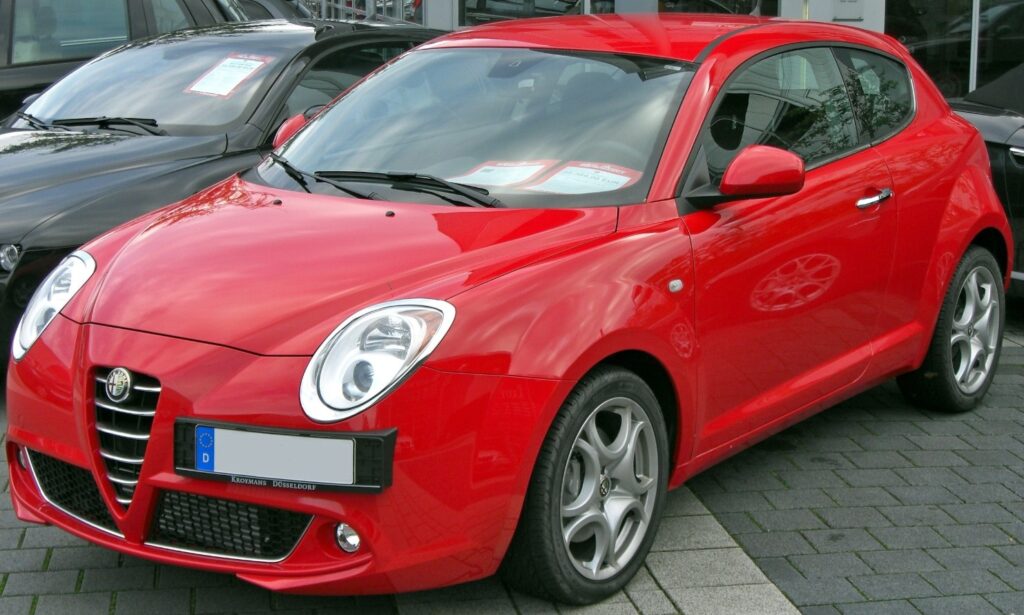
The Alfa Romeo MiTo reliability question tends to split car buyers into two camps. One side sees a gorgeous little Italian hatchback with personality, sharp steering, punchy engines, and more character than most ordinary superminis could dream of. The other side remembers old jokes about Italian electrics, warning lights, temperamental components, and repair bills arriving at precisely the wrong moment.
So, which version is closer to reality?
The truth sits somewhere in the middle. The Alfa Romeo MiTo is not an indestructible appliance like some small Japanese hatchbacks, but neither is it the fragile mechanical drama queen its reputation sometimes suggests. A properly maintained MiTo can be a satisfying, dependable daily driver. A neglected one, however, can turn into a wallet-shaped vacuum surprisingly quickly.
That distinction matters enormously because MiTos are now primarily used-car purchases. Condition, maintenance history, engine choice, driving habits, and previous ownership can matter more than the badge on the bonnet.
In this guide, we'll dig deep into Alfa Romeo MiTo reliability, common problems, engine durability, gearbox concerns, electrical faults, ownership costs, mileage expectations, and what we would inspect before buying one.
Content in this publication
- Is the Alfa Romeo MiTo Reliable Overall?
- Alfa Romeo MiTo Reliability by Engine
- Alfa Romeo MiTo MultiAir Reliability
- Alfa Romeo MiTo Diesel Reliability
- Alfa Romeo MiTo Gearbox Reliability
- TCT Automatic Gearbox Reliability
- Alfa Romeo MiTo Electrical Problems
- Dashboard Warning Lights and Sensor Faults
- Alfa Romeo MiTo Suspension Reliability
- Steering System Reliability
- Brakes and Alfa Romeo MiTo Reliability
- Cooling-System Problems
- Timing Belt Reliability and Replacement
- Does the Alfa Romeo MiTo Rust?
- Interior Reliability and Build Quality
- How Many Miles Can an Alfa Romeo MiTo Last?
- Best Alfa Romeo MiTo Engine for Reliability
- Alfa Romeo MiTo Reliability Compared With Rivals
- Common Alfa Romeo MiTo Problems to Watch For
- Alfa Romeo MiTo Reliability Checklist Before Buying
- What Does an Alfa Romeo MiTo Cost to Maintain?
- Is the Alfa Romeo MiTo Expensive to Own?
- Can You Use a MiTo as a Daily Driver?
- Are Alfa Romeo MiTo Parts Hard to Find?
- Which Alfa Romeo MiTo Should You Avoid?
- Which Alfa Romeo MiTo Is the Safest Used Buy?
- What About the MiTo Quadrifoglio Verde Reliability?
- How to Make an Alfa Romeo MiTo More Reliable
- Is the Alfa Romeo MiTo Reliable Enough for a First Car?
- Why Owners Still Love the MiTo Despite Its Reliability Reputation
- Is Alfa Romeo MiTo Reliability Really as Bad as People Say?
- Our Alfa Romeo MiTo Reliability Verdict
- Final Thoughts
- Frequently Asked Questions About Alfa Romeo MiTo Reliability
Is the Alfa Romeo MiTo Reliable Overall?
Broadly speaking, the MiTo offers average rather than exceptional reliability.
It is perfectly capable of delivering dependable service when maintained correctly, but it is less forgiving of neglected servicing than simpler rivals. Skip oil changes, ignore warning lights, fit bargain-basement parts, or continuously postpone minor repairs, and problems can begin stacking up like dominoes.
That's especially true for turbocharged petrol versions using Fiat's MultiAir technology.
On the positive side, the basic structure is reasonably robust, many mechanical components are shared across the wider Fiat group, parts availability is generally decent, and independent Alfa or Fiat specialists understand these cars well.
The key point is simple: buy the condition, not just the mileage.
A cherished 90,000-mile MiTo with invoices, regular oil changes, quality tyres, and evidence of preventative maintenance can be safer than a 50,000-mile example with patchy service history.
What Makes MiTo Reliability So Variable?
Three factors explain much of the difference between good and troublesome cars:
- Engine and transmission choice
- Maintenance quality
- Driving environment and previous ownership
A lightly driven diesel used exclusively for short urban trips may have more problems than a higher-mileage example that spent its life cruising motorways.
Likewise, a turbo petrol car receiving the wrong oil can develop issues even though its total mileage looks attractively low.
This is why judging a used MiTo purely by the odometer can be misleading.
Alfa Romeo MiTo Reliability by Engine
Not every MiTo engine deserves the same reliability verdict.
Some are straightforward and relatively durable. Others demand more attention.
1.4 Petrol Engine Reliability
The naturally aspirated 1.4-litre petrol engines are among the simpler MiTo options.
Their lack of complicated turbocharging hardware generally works in their favour. Performance may not set your pulse racing, but simplicity can be attractive when buying an older used car.
Potential concerns include ignition components, cooling-system issues, minor oil leaks, sensors, and ordinary age-related wear.
For buyers prioritising lower mechanical complexity over outright speed, a well-maintained basic 1.4 can make considerable sense.
1.4 Turbo Petrol Reliability
Turbocharged 1.4 versions give the MiTo much more personality.
These engines can be lively, flexible, and entertaining, but turbocharging adds additional components that require healthy lubrication and regular maintenance.
Oil quality becomes especially important.
Long servicing gaps can accelerate wear, while neglected turbo plumbing, boost control systems, ignition components, or sensors may result in poor performance.
A turbo MiTo that hesitates, smokes, lacks boost, or sounds unusually noisy deserves investigation before purchase.
Is the Turbo Itself Usually a Problem?
Not necessarily.
Turbochargers often survive respectable mileage when engines receive proper oil changes and are not abused from cold.
The bigger problem is neglect.
A turbo running on degraded oil resembles an athlete running without enough water. It may keep going for a while, but you're dramatically increasing the odds of trouble.
Alfa Romeo MiTo MultiAir Reliability
MultiAir deserves its own section because it is one of the most discussed aspects of MiTo ownership.
The system uses electro-hydraulic control to manage intake valve operation. When healthy, it helps improve performance, efficiency, and flexibility.
When something goes wrong, symptoms can include:
- Rough running
- Misfires
- Poor throttle response
- Engine warning lights
- Reduced power
- Difficult starting
- Uneven idle
Why Correct Oil Matters So Much
MultiAir systems are highly dependent on clean oil of the correct specification.
Using inappropriate oil or stretching service intervals can contribute to contamination and lubrication problems.
That means we'd place tremendous value on evidence of frequent oil changes when shopping for a MultiAir MiTo.
If the seller proudly produces a thick folder of service invoices, that's encouraging.
If the answer to "When was the oil last changed?" is a shrug, we'd be far less enthusiastic.
Does a MultiAir Problem Mean the Car Is Finished?
No.
MultiAir-related faults can be repaired, but costs vary depending on the actual cause.
Sometimes symptoms blamed on the MultiAir unit originate elsewhere, such as ignition coils, spark plugs, sensors, poor electrical connections, or low-quality servicing.
Proper diagnosis is therefore essential.
Throwing expensive components at the car without testing is rarely a smart strategy.
Alfa Romeo MiTo Diesel Reliability
Diesel MiTos can deliver excellent fuel economy and strong low-speed torque, but modern diesel hardware introduces its own risks.
Typical concerns include:
- Diesel particulate filter issues
- EGR valve contamination
- Turbocharger wear
- Injector problems
- Glow plugs
- Sensor faults
- Dual-mass flywheel wear on certain versions
DPF Problems on Diesel MiTos
A diesel particulate filter traps soot before periodically burning it away through regeneration.
That process works best when the vehicle reaches suitable operating temperature for long enough.
A diesel MiTo spending its entire life travelling two miles between home, school, and the supermarket may struggle to complete regenerations.
The result can be repeated warning lights, reduced performance, blocked filters, or expensive repairs.
Who Should Buy a Diesel MiTo?
We'd consider the diesel most appropriate for drivers covering regular longer journeys.
If your lifestyle involves motorway driving, commuting substantial distances, or regular open-road use, diesel can still make sense.
For predominantly short urban trips, a petrol version is generally the safer choice.
Alfa Romeo MiTo Gearbox Reliability
Manual gearboxes are common and generally manageable from a reliability standpoint, although wear becomes increasingly relevant as cars age.
Watch for:
- Difficulty selecting gears
- Crunching during changes
- Whining noises
- Gear lever movement
- Clutch slip
- A heavy clutch pedal
- Clutch judder
Manual Gearbox Bearing Problems
Some Fiat-group manual transmissions have gained reputations for bearing wear, though the exact risk depends on gearbox type, engine, maintenance, and usage.
A whining sound that changes with road speed or gear selection deserves attention.
Don't simply turn up the radio and pretend it isn't happening.
Whines often become expensive melodies.
Clutch and Flywheel Durability
Clutches are consumable components.
Urban driving, aggressive launches, hill starts, and poor clutch technique can dramatically reduce lifespan.
Diesel models and higher-output versions may also place greater load on clutch and flywheel components.
A clutch replacement isn't necessarily evidence of a bad car. On an older MiTo, evidence that the job has already been completed could actually be a selling point.
TCT Automatic Gearbox Reliability
Certain MiTo variants were available with Alfa's TCT dual-clutch automatic transmission.
When functioning properly, it provides fast shifts and convenient driving.
However, dual-clutch gearboxes are more complex than conventional manuals.
Potential trouble signs include:
- Jerky low-speed shifts
- Delayed engagement
- Warning messages
- Hesitation
- Abnormal noises
- Difficulty selecting drive or reverse
A brief road test is not enough.
We'd test the transmission cold and fully warmed up, using reverse, stop-start traffic, gentle acceleration, and harder acceleration.
A gearbox that behaves perfectly while cruising but becomes awkward during parking deserves scrutiny.
Alfa Romeo MiTo Electrical Problems
Electrical issues contribute significantly to the MiTo's mixed reliability reputation.
Thankfully, many are annoying rather than catastrophic.
Owners may encounter problems involving:
- Battery voltage
- Sensors
- Window regulators
- Central locking
- Dashboard warnings
- Stop-start operation
- Infotainment
- Wiring connections
- Exterior lighting
Why Weak Batteries Cause So Much Confusion
Modern cars monitor dozens of electronic systems, and unstable battery voltage can produce strange warning messages.
A weak battery may trigger symptoms that appear far more serious than the battery itself.
Before assuming the MiTo's electronics have staged an Italian rebellion, checking battery health and charging voltage is sensible.
A quality diagnostic scan can also reveal whether multiple warnings share a common electrical cause.
Dashboard Warning Lights and Sensor Faults
MiTos can develop warning lights relating to engine management, airbags, stability systems, steering, tyre-pressure monitoring, or other systems.
The warning symbol itself doesn't necessarily reveal whether the problem is major or minor.
A sensor costing relatively little can illuminate the same dashboard that might otherwise point toward a much larger repair.
This is why diagnostics matter.
Should You Buy a MiTo With Warning Lights On?
Only after the issue has been properly diagnosed.
Statements such as "It's probably just a sensor" should not influence your buying decision without proof.
If it is genuinely just a sensor, the seller can repair it.
You may be interested in reading Alfa Romeo MiTo Insurance Group UK: Complete Cost Guide
We'd never pay full market price for uncertainty.
Alfa Romeo MiTo Suspension Reliability
The MiTo's sporty setup contributes to its personality, but suspension components naturally wear.
Typical age-related issues can involve:
- Drop links
- Bushes
- Ball joints
- Shock absorbers
- Top mounts
- Wheel bearings
Potholes and rough urban roads accelerate wear.
A knocking sound over small bumps often points toward worn suspension hardware.
Listen Carefully During the Test Drive
Switch off the stereo.
Drive across uneven surfaces slowly.
Turn the steering from lock to lock.
Brake firmly.
Accelerate through several gears.
A used-car test drive should resemble an investigation, not a joyride.
Steering System Reliability
The MiTo uses electrically assisted steering.
Problems aren't guaranteed, but any warning lights, inconsistent assistance, unusual heaviness, or steering that feels different in opposite directions should be examined carefully.
Electrical steering problems can sometimes originate from low voltage or related electrical issues, but mechanical or electronic steering faults can also occur.
Never assume.
Diagnose first.
Brakes and Alfa Romeo MiTo Reliability
The braking system is generally conventional, but ordinary wear can become expensive if neglected.
Inspect the condition of:
- Brake discs
- Pads
- Flexible hoses
- Calipers
- Handbrake operation
- Brake fluid
Cars that have spent long periods parked may suffer corrosion or sticking brakes.
Meanwhile, performance-oriented versions driven enthusiastically may consume pads and discs more quickly.
Cooling-System Problems
Cooling-system maintenance is essential on any ageing car.
Look for coolant loss, damaged hoses, thermostat problems, radiator deterioration, expansion-tank issues, or signs of previous overheating.
Never Ignore Evidence of Overheating
An engine that has significantly overheated can develop serious internal damage.
Check for:
- Coolant contamination
- Oil contamination
- Persistent white exhaust smoke
- Cooling fans behaving strangely
- Low coolant
- Temperature fluctuations
A cheap MiTo with evidence of repeated overheating can become expensive faster than you can pronounce "Alfa Romeo."
Timing Belt Reliability and Replacement
Many MiTo engines use timing belts.
Replacement intervals vary according to engine specification, operating conditions, age, and servicing recommendations.
The critical point for used buyers is documentation.
If the belt replacement history cannot be confirmed, budget for preventative replacement where applicable.
Why Timing Belt Neglect Is Such a Big Deal
A worn auxiliary component might leave you stranded.
A failed timing belt can destroy an engine.
That's a very different level of inconvenience.
When purchasing an older MiTo, we would rather spend money replacing an uncertain timing belt early than gamble on unknown history.
Does the Alfa Romeo MiTo Rust?
Rust isn't usually the first issue mentioned when discussing MiTo reliability, but age means corrosion still deserves inspection.
Check:
- Underside
- Subframes
- Suspension mounting points
- Exhaust system
- Brake lines
- Wheel arches
- Areas previously repaired after accidents
Cars from coastal regions or locations where roads are heavily salted deserve especially careful examination.
Minor surface corrosion is different from structural corrosion, so professional inspection can be worthwhile.
Interior Reliability and Build Quality
The MiTo's cabin has attractive design touches, but ageing examples can develop minor frustrations.
Possible issues include:
- Worn trim
- Peeling finishes
- Loose switches
- Seat wear
- Broken handles
- Noisy interior plastics
- Infotainment quirks
These don't necessarily make the car unreliable in the mechanical sense.
Still, they help reveal how the vehicle was treated.
A destroyed interior on a low-mileage car should raise questions.
How Many Miles Can an Alfa Romeo MiTo Last?
There is no magical expiry mileage.
With disciplined maintenance, many MiTos can exceed 100,000 miles, and higher mileage is entirely possible.
The important variables are servicing quality, engine condition, driving habits, corrosion, previous repairs, and whether known issues were handled early.
Mileage alone tells only half the story.
Is 100,000 Miles Too Much for a MiTo?
Not automatically.
At 100,000 miles, we'd focus on what has already been replaced.
Has the clutch been done?
Has the timing belt been renewed where required?
Are suspension components fresh?
Does the turbo behave correctly?
Are there invoices for proper servicing?
A high-mileage car with major maintenance completed can sometimes require less immediate spending than a lower-mileage example approaching all those jobs simultaneously.
Best Alfa Romeo MiTo Engine for Reliability
If reliability is the overriding priority, simpler petrol engines are appealing because they reduce mechanical complexity.
However, buyers wanting more performance may happily accept the extra maintenance demands of turbocharged or MultiAir variants.
There isn't one universally perfect engine.
Instead, think in terms of priorities.
Choose a Basic Petrol If:
You want mechanical simplicity, mostly drive short journeys, and don't need maximum performance.
Choose a Turbo Petrol If:
You value stronger acceleration and driving enjoyment and are prepared to be disciplined about servicing.
Choose a Diesel If:
You regularly cover longer distances and can provide the operating conditions required by diesel emissions equipment.
Alfa Romeo MiTo Reliability Compared With Rivals
Compared with mainstream alternatives, the MiTo tends to trade some ownership predictability for character.
Cars such as the Toyota Yaris, Honda Jazz, or certain Suzuki models may have stronger reputations for trouble-free ownership.
Meanwhile, competitors such as the MINI, Fiat 500, Volkswagen Polo, Ford Fiesta, Citroën DS3, or Audi A1 each bring their own strengths and weaknesses.
The MiTo's appeal is different.
It isn't merely transport.
It feels designed rather than assembled by committee.
That emotional charm explains why owners often forgive little quirks that would irritate them in a duller car.
Common Alfa Romeo MiTo Problems to Watch For
Before buying, we'd pay particular attention to the following areas:
- MultiAir performance issues on applicable petrol models.
- Timing belt history where belt replacement applies.
- Manual gearbox noises or poor shifting.
- TCT gearbox behaviour on automatic versions.
- Diesel DPF and EGR problems on short-trip cars.
- Electrical warning lights and weak batteries.
- Suspension knocking over rough roads.
- Clutch wear and flywheel vibration.
- Cooling-system leaks or overheating history.
- Turbo performance on forced-induction engines.
- Window and central-locking problems.
- Age-related brake wear and corrosion.
None of these issues automatically makes a MiTo a bad purchase.
Several are simply things we would expect to inspect on an ageing European hatchback.
Alfa Romeo MiTo Reliability Checklist Before Buying
A thorough inspection can transform the ownership experience.
Check the Service History
We'd want evidence of regular oil changes, correct fluid specifications, timing-belt work where necessary, brake servicing, and previous repairs.
Receipts are better than promises.
Start the Engine Cold
A cold start can expose noises, smoke, difficult starting, unstable idle, and other symptoms that disappear after warming up.
Ask the seller not to run the car before your arrival.
Scan the Electronics
A diagnostic scan can reveal stored faults even if dashboard warning lights have been recently cleared.
Look for Recently Deleted Fault Codes
If monitors haven't completed since codes were erased, that's worth noting.
Sometimes a recently reset warning light stays off just long enough for the car to be sold.
Test Every Electrical Feature
Try the windows, mirrors, central locking, infotainment, climate control, steering-wheel controls, lighting, and dashboard displays.
Small electrical faults add up.
Inspect Tyres Carefully
Uneven tyre wear can indicate alignment problems, suspension wear, accident damage, or aggressive driving.
Four matching premium tyres suggest a different maintenance attitude from four unrelated budget tyres.
You may be interested in readingAlfa Romeo MiTo Insurance Group UK: Complete Cost GuideYou may be interested in reading
 How Long Will Nissan Frontier Last? Lifespan, Mileage, and Reliability Guide
What Does an Alfa Romeo MiTo Cost to Maintain?
Routine maintenance is not necessarily outrageous, particularly if you use a competent independent specialist.
Oil changes, brakes, filters, spark plugs, and ordinary servicing generally fall within normal European small-car territory.
Costs rise when specialist components fail.
MultiAir repairs, turbocharger work, gearbox repairs, clutch-and-flywheel replacements, electrical diagnosis, and emissions-system repairs can make an inexpensive used MiTo suddenly feel less inexpensive.
Independent Specialist or Alfa Dealer?
For an older car, a reputable Alfa Romeo or Fiat specialist often represents the sweet spot.
They typically understand recurring faults, know which replacement parts work well, and can diagnose problems faster than a general workshop learning the car from scratch.
That knowledge can save money.
Is the Alfa Romeo MiTo Expensive to Own?
It depends on the example you buy.
A well-maintained petrol MiTo with good history can be reasonably affordable.
A neglected turbo or diesel purchased purely because it was cheap can become costly.
This leads to one of our strongest used-car principles:
The cheapest car to buy is rarely the cheapest car to own.
Spend more upfront for evidence of maintenance, and you may spend less over the following years.
Can You Use a MiTo as a Daily Driver?
Absolutely.
A healthy MiTo can work well for commuting, city use, weekend driving, and regular motorway trips.
Its compact dimensions make parking easy, while punchier versions have enough performance to remain enjoyable outside the city.
Daily reliability improves dramatically when routine maintenance is treated as routine rather than optional.
Check fluids.
Listen for new noises.
Investigate warning lights.
Replace worn components before they damage surrounding parts.
Simple habits make older cars much easier to live with.
Are Alfa Romeo MiTo Parts Hard to Find?
Many service and mechanical components remain reasonably accessible because the MiTo shares technologies and components with other Fiat-group products.
Body trim, specific interior pieces, uncommon electronic modules, or certain performance-model parts can occasionally be more awkward.
Parts availability also varies by country.
For most routine maintenance, however, keeping a MiTo running shouldn't feel like restoring an obscure 1960s sports car.
Which Alfa Romeo MiTo Should You Avoid?
We wouldn't automatically blacklist a particular year solely because of internet reputation.
Instead, we'd avoid individual cars displaying combinations of red flags.
Walk Away If You Find:
- No meaningful service history
- Multiple dashboard warning lights
- Engine misfires
- Severe gearbox noise
- Evidence of overheating
- Heavy exhaust smoke
- Faulty TCT operation
- Persistent coolant loss
- Unexplained electrical problems
- Cheap mismatched tyres and obvious neglect
- Sellers refusing independent inspection
One problem can be fixed.
Six problems usually tell a story.
Which Alfa Romeo MiTo Is the Safest Used Buy?
For many buyers, a straightforward petrol manual with documented servicing offers the lowest-risk ownership proposition.
That doesn't necessarily mean it is the most exciting MiTo.
Enthusiasts may prefer hotter turbocharged versions, while high-mileage motorway drivers may still appreciate diesel economy.
Reliability should therefore be balanced against how you actually intend to use the car.
What About the MiTo Quadrifoglio Verde Reliability?
Performance-oriented MiTos such as the Quadrifoglio Verde attract enthusiasts for obvious reasons.
More power means more fun, but it also means previous ownership matters even more.
A performance hatchback may have experienced:
- Hard acceleration
- Modified engine software
- Lowered suspension
- Aggressive clutch use
- Track driving
- Cheap aftermarket upgrades
None of these automatically means disaster.
However, we'd rather buy an original, well-documented performance MiTo from an enthusiast who maintained it properly than a heavily modified example with mysterious history.
Modifications Can Complicate Reliability
Engine remaps can increase boost and torque.
That may place additional load on turbos, clutches, gearboxes, cooling systems, and engine internals.
If reliability matters more than maximum power, standard specification has obvious advantages.
How to Make an Alfa Romeo MiTo More Reliable
Ownership habits matter almost as much as which car you choose.
We'd follow several simple principles:
- Use the correct engine oil.
- Change oil on time or earlier.
- Warm the engine before hard acceleration.
- Investigate warning lights promptly.
- Replace ageing batteries before they create voltage-related chaos.
- Keep coolant at the correct level.
- Avoid repeated short trips in diesel models.
- Use quality replacement parts.
- Maintain tyres and alignment.
- Listen for suspension and gearbox noises.
- Keep invoices and service records.
Preventative maintenance rarely feels exciting.
Neither does being stranded.
Is the Alfa Romeo MiTo Reliable Enough for a First Car?
Potentially, yes, but we'd recommend choosing carefully.
A simple petrol model may suit a first-time owner better than a complicated, high-output, modified turbo version.
Insurance, fuel economy, maintenance costs, and local specialist availability should also influence the decision.
If your idea of car maintenance is waiting until something physically falls off, the MiTo probably isn't ideal.
If you're willing to service it properly, it can be rewarding.
Why Owners Still Love the MiTo Despite Its Reliability Reputation
Reliability statistics cannot fully explain why certain cars build loyal followings.
The MiTo has style.
Its design still looks distinctive years after production ended. The interior feels more interesting than many conventional superminis, and stronger versions offer genuinely entertaining performance.
Some cars behave like refrigerators: practical, reliable, forgettable.
The MiTo is closer to an espresso machine. It asks for slightly more attention, occasionally throws a tantrum, but delivers an experience people actually remember.
And for many owners, that matters.
Is Alfa Romeo MiTo Reliability Really as Bad as People Say?
No, but neither should we pretend every reputation is invented.
The MiTo can experience electrical faults, MultiAir issues, gearbox wear, diesel emissions problems, and ordinary suspension or clutch failures.
Yet internet discussions naturally amplify troublesome cars because satisfied owners rarely create forum posts titled, "My MiTo started perfectly again today."
That creates a distorted picture.
The sensible position lies between blind optimism and exaggerated fear.
A neglected MiTo can be troublesome.
A properly maintained MiTo can be genuinely dependable.
Our Alfa Romeo MiTo Reliability Verdict
So, would we buy one?
Yes, provided the individual car passed a careful inspection.
We'd prioritise maintenance history over low mileage, choose an engine suited to our driving habits, inspect gearbox operation carefully, verify timing-belt maintenance where applicable, and scan the car electronically before handing over money.
The Alfa Romeo MiTo reliability story isn't one of guaranteed disaster. It's a story of maintenance sensitivity.
Treat it properly and the MiTo can provide years of enjoyable motoring.
Ignore servicing and small warning signs, and those famous Italian looks can quickly become expensive scenery on your driveway.
If you're searching for the absolute lowest-risk small used car, there are safer choices.
If you're willing to exchange a little predictability for significantly more character, the MiTo remains a compelling proposition.
Final Thoughts
The Alfa Romeo MiTo is one of those cars that makes more sense when we stop judging it purely by spreadsheets.
Is it the most reliable supermini ever built? No.
Is it hopelessly unreliable? Also no.
A good example combines compact dimensions, distinctive styling, enjoyable road manners, useful efficiency, and enough personality to make routine journeys feel less routine.
The golden rule is simple: don't buy the cheapest MiTo you can find—buy the best-maintained MiTo you can afford.
Service records matter. Correct oil matters. Previous ownership matters. Proper diagnosis matters.
Find the right example, maintain it intelligently, and the MiTo can be far more reliable than the old Alfa stereotypes suggest.
Frequently Asked Questions About Alfa Romeo MiTo Reliability
1. Is the Alfa Romeo MiTo a reliable car?
The Alfa Romeo MiTo can be reasonably reliable when properly maintained, although its overall reputation is more average than class-leading. Service history and engine choice have a major influence on long-term dependability.
2. What is the most common problem with the Alfa Romeo MiTo?
There is no single problem affecting every model, but commonly reported concerns include MultiAir-related engine issues, electrical warning lights, suspension wear, gearbox noises, clutch wear, and diesel DPF or EGR problems.
3. How long does an Alfa Romeo MiTo last?
A well-maintained MiTo can exceed 100,000 miles comfortably, and higher mileage is possible. Maintenance quality matters more than any fixed mileage limit.
4. Is the Alfa Romeo MiTo expensive to repair?
Routine servicing is generally manageable, especially through an independent specialist. Costs become higher when complex components such as the MultiAir system, turbocharger, gearbox, dual-clutch transmission, or diesel emissions equipment require repair.
You may be interested in readingAlfa Romeo MiTo Insurance Group UK: Complete Cost GuideYou may be interested in reading
How Long Will Nissan Frontier Last? Lifespan, Mileage, and Reliability GuideYou may be interested in reading
 Are Hyundai Santa Fe Good Cars? A Complete Buyer’s Guide
5. Is a used Alfa Romeo MiTo worth buying?
Yes, a used MiTo can be worth buying if it has strong service history, no unresolved warning lights, healthy gearbox operation, and evidence of responsible ownership. A pre-purchase inspection is strongly recommended.
If you want to know other articles similar to Alfa Romeo MiTo Reliability: Is This Stylish Hatchback Worth Buying? you can visit the category Blog.
How to Reset the Oil Light on a Kia Sportage

Volvo S90 Reliability: Problems, Costs & Best Years

Is Haval Jolion a Good Car? Honest Review, Reliability, Pros and Cons
How to Start Haval Jolion With Spare Key: Complete Guide

How to Calculate Per Diem on an Auto Loan

How to Calculate the Residual Value of a Car
Leave a Reply
More content of your interest