

Are Ram 1500 Good Trucks? Reliability, Pros, Cons, and Buying Advice

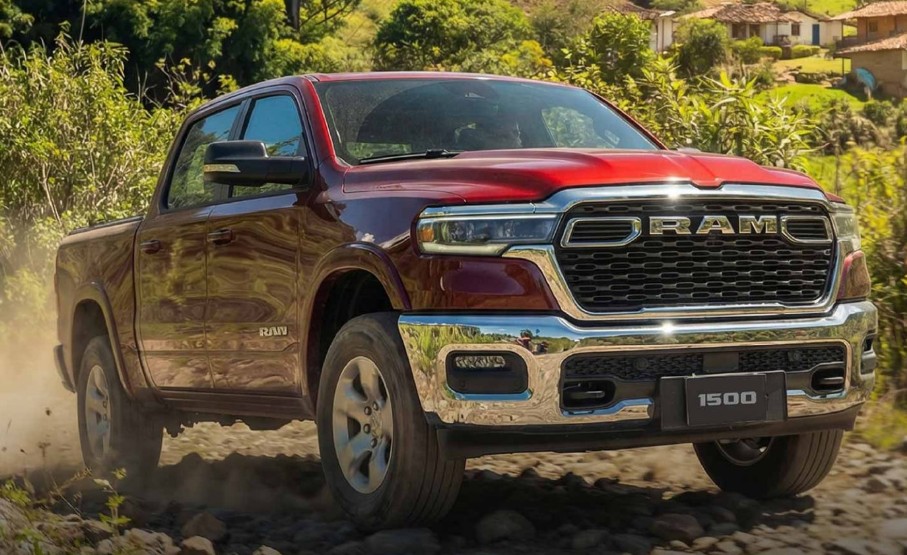
If we are shopping for a full-size pickup, chances are the Ram 1500 eventually lands on our shortlist. It has the size, road presence, towing capability, and unmistakable pickup-truck character buyers expect, but it also tries to do something many traditional trucks struggle with: feel genuinely comfortable during ordinary daily driving.
So, are Ram 1500 good trucks?
For most buyers, yes. The Ram 1500 is generally a very good full-size truck, especially when we prioritize ride comfort, a refined cabin, strong engine choices, towing versatility, and everyday usability. It is not flawless, though. Reliability can vary considerably depending on the model year, engine, transmission, electronics, maintenance history, and how a previous owner used the truck.
That last point matters more than many people realize. Two Ram 1500s built in the same year can have completely different futures. One might have spent its life cruising highways and receiving meticulous servicing. The other might have pulled heavy trailers every weekend, idled for hours at job sites, and received oil changes whenever somebody remembered.
A used pickup is a little like a pair of work boots. The badge tells us who made it. The wear tells us the real story.
In this guide, we will look at how good the Ram 1500 actually is, where it shines, where it can disappoint, and whether it deserves a place in our driveway.
Content in this publication
- Are Ram 1500 Good Trucks Overall?
- What Makes the Ram 1500 Stand Out?
- Are Ram 1500 Reliable Trucks?
- How Long Can a Ram 1500 Last?
- Are Ram 1500 Engines Good?
- Are Ram 1500 Transmissions Good?
- Are Ram 1500 Good for Towing?
- Is the Ram 1500 Comfortable for Daily Driving?
- Ram 1500 Interior Quality: Is It Really That Good?
- Ram 1500 Fuel Economy: Is It Expensive to Run?
- Common Ram 1500 Problems to Watch For
- Are Used Ram 1500 Trucks Worth Buying?
- What Should We Check Before Buying a Used Ram 1500?
- Ram 1500 vs Ford F-150: Which Is Better?
- Ram 1500 vs Chevrolet Silverado 1500
- Ram 1500 vs GMC Sierra 1500
- Ram 1500 vs Toyota Tundra
- Is the Ram 1500 Good Off-Road?
- Is a Ram 1500 Expensive to Maintain?
- Are Ram 1500 Good Family Trucks?
- Who Should Buy a Ram 1500?
- Who Should Avoid a Ram 1500?
- New vs Used Ram 1500: Which Is Smarter?
- Which Ram 1500 Trim Is Best?
- Should We Buy a Ram 1500 With High Mileage?
- Do Ram 1500 Trucks Hold Their Value?
- What Is the Biggest Advantage of a Ram 1500?
- What Is the Biggest Disadvantage of a Ram 1500?
- So, Are Ram 1500 Good Trucks?
- Final Thoughts
- Frequently Asked Questions
Are Ram 1500 Good Trucks Overall?
Yes, Ram 1500 trucks are generally considered strong all-rounders in the full-size pickup category.
Their biggest strength is balance. Some pickups feel engineered almost entirely around hauling and towing. Others chase luxury so aggressively that they begin to feel more like oversized SUVs with beds attached. The Ram 1500 sits comfortably between those extremes.
Depending on configuration, it can serve as:
- A daily commuter
- A family vehicle
- A highway cruiser
- A recreational towing vehicle
- A work truck
- An off-road pickup
- A luxury-oriented full-size truck
That versatility is a big reason the model has remained popular.
We should not confuse popularity with perfection, however. The Ram 1500 has had model years with electrical complaints, transmission concerns, exhaust-related issues, suspension wear, water leaks, and other problems. Those concerns do not automatically make the truck bad. They simply mean that buying the right Ram matters more than buying any Ram.
What Makes the Ram 1500 Stand Out?
Walk around several full-size pickups, and they may initially look like different interpretations of the same recipe: large cab, large bed, big grille, lots of torque.
Drive them, though, and their personalities become much clearer.
The Ram 1500's signature trait has traditionally been refinement.
The Ride Is One of Its Biggest Advantages
One of the most frequent compliments we can give the Ram 1500 is that it rides unusually well for a pickup.
Many traditional trucks have a slightly unsettled rear end when the bed is empty. Hit a broken road, and the rear axle can remind us that the vehicle was designed to carry serious weight.
The Ram tends to feel calmer.
Its suspension design gives many versions a smoother, more controlled personality over pavement. Instead of bounding down rough roads like an empty utility trailer, the Ram often feels planted and composed.
If we drive the truck every day rather than using it exclusively for work, this becomes a major advantage.
Higher Ram 1500 trims can become remarkably upscale.
Soft-touch materials, large displays, comfortable seats, thoughtful storage, attractive trim pieces, and extensive technology can make some versions feel closer to luxury SUVs than basic work trucks.
Even mid-level models often provide a pleasant environment for long trips.
That matters because full-size trucks increasingly serve as primary family vehicles. We may tow a camper on Saturday, visit a hardware store on Sunday, and commute through traffic Monday morning.
A comfortable interior suddenly matters every single day.
Are Ram 1500 Reliable Trucks?
This is where the answer becomes more nuanced.
Ram 1500 reliability is best described as variable rather than universally excellent or poor.
Some examples accumulate high mileage with mostly routine maintenance. Others develop frustrating problems earlier than expected. Model year, engine, equipment level, climate, maintenance history, and previous usage all influence the outcome.
When evaluating reliability, we should separate serious mechanical durability from smaller ownership annoyances.
A truck might have an engine and transmission capable of lasting many years while simultaneously developing:
- Infotainment glitches
- Parking sensor faults
- Camera problems
- Window or lock issues
- Warning lights
- Suspension noises
- Water leaks
- Battery-related electrical symptoms
Those problems are irritating, but they are not necessarily evidence that the entire powertrain is weak.
Maintenance History Matters Enormously
If we are buying used, service records can be more valuable than shiny paint.
A well-maintained Ram with 100,000 miles may be a safer purchase than a neglected truck showing 60,000 miles.
We should look for evidence of regular:
- Engine oil changes
- Transmission servicing where appropriate
- Differential fluid changes
- Coolant maintenance
- Brake service
- Suspension inspections
- Tire rotations
- Battery replacement
- Spark plug service where required
Heavy towing should also make us even more careful about maintenance.
Heavy-Duty Use Changes the Equation
Pickup trucks often lead harder lives than ordinary passenger cars.
A used sedan might have spent its days commuting. A used Ram could have spent years pulling construction equipment, hauling landscaping materials, launching boats into salt water, or towing campers through mountain passes.
Mileage alone does not reveal that history.
A 70,000-mile truck that spent most of those miles towing near its limits may have experienced more mechanical stress than a 120,000-mile highway commuter.
How Long Can a Ram 1500 Last?
A well-maintained Ram 1500 can potentially remain serviceable for well beyond 150,000 miles, and many owners aim for 200,000 miles or more.
But lifespan is not a countdown timer.
We cannot say that a truck reaches a specific mileage and suddenly expires. Mechanical longevity behaves more like physical fitness. Maintenance, workload, driving habits, environment, and repairs all accumulate over time.
A Ram driven gently and serviced consistently can age gracefully. A neglected example can become expensive long before its odometer looks impressive.
What Usually Determines Longevity?
The biggest factors include maintenance quality, engine choice, towing frequency, climate, rust exposure, driving style, and whether emerging problems were repaired quickly.
Ignoring a small coolant leak, suspension clunk, or transmission hesitation can eventually transform an affordable repair into something much more expensive.
Preventive ownership beats reactive ownership almost every time.
Are Ram 1500 Engines Good?
Ram has offered several different engines over the years, and each creates a slightly different ownership experience.
Rather than assuming one engine is automatically best, we should choose based on how we intend to use the truck.
V8 Ram 1500 Models
For years, the V8 has been closely associated with the Ram 1500.
The appeal is easy to understand.
A good V8 produces the kind of effortless low-speed response that feels natural in a large pickup. Accelerating with passengers aboard or pulling onto a highway feels relaxed rather than strained.
The sound does not hurt either.
For many buyers, the V8 gives the Ram the personality they expect from a traditional American full-size truck.
However, more cylinders also mean more components, potentially higher fuel consumption, and additional maintenance considerations.
Should We Buy a V8 Ram?
A V8 makes the most sense when we regularly tow, carry heavy loads, prefer traditional truck performance, or simply value effortless acceleration.
If our truck spends almost all its time commuting with an empty bed, another engine configuration may be more economical.
V6 Ram 1500 Models
V6-powered Ram 1500 trucks can offer a practical compromise.
They generally make sense for buyers who want full-size truck space and capability without necessarily needing maximum towing performance.
Around town, a V6 can feel perfectly adequate.
The important question is not whether the engine is powerful in isolation. It is whether it matches our workload.
Buying more engine than we need can waste fuel. Buying less engine than we need can make towing frustrating.
Turbocharged Six-Cylinder Ram Models
More recent Ram 1500 lineups have moved toward turbocharged six-cylinder power in place of the traditional V8 in certain configurations.
Turbocharged engines can deliver impressive torque and strong acceleration while extracting more power from smaller displacement.
They also add complexity.
Turbochargers, intercoolers, pressurized intake systems, sensors, and more sophisticated engine management mean long-term maintenance deserves attention.
That does not automatically make them unreliable. Modern engines are complicated across virtually every major manufacturer.
It simply means buyers planning to keep a truck for 10 or 15 years should consider long-term ownership costs alongside headline horsepower figures.
Are Ram 1500 Transmissions Good?
Many Ram 1500 trucks use eight-speed automatic transmissions that can deliver smooth shifts, good highway behavior, and well-matched gearing.
When working properly, the transmission is one of those components we barely notice—which is exactly what we want.
Problems can occur, particularly as trucks age or if they have experienced hard towing duty, poor maintenance, overheating, or electronic faults.
Potential warning signs during a used-truck test drive include:
- Delayed engagement into Drive or Reverse
- Harsh shifts
- Shuddering
- Unusual transmission noises
- RPM flaring between gears
- Hesitation
- Warning lights
- Fluid leaks
One awkward shift during a cold start does not automatically mean the transmission is failing, but repeated symptoms deserve professional inspection.
Are Ram 1500 Good for Towing?
Yes. Properly configured Ram 1500 trucks can be very capable towing vehicles.
But this is where buyers frequently make a mistake.
We cannot look at the highest advertised towing figure for the model range and assume every Ram 1500 can pull that much.
Actual towing capability depends on variables including engine, axle ratio, drivetrain, cab style, bed length, trim, equipment package, and payload capacity.
Payload Is Just as Important as Towing Capacity
Imagine we have a trailer that falls comfortably below our truck's maximum towing rating.
Everything looks fine.
Then we add passengers, luggage, tools, a bed full of equipment, and trailer tongue weight. Suddenly the truck's payload limit may become the real restriction.
That is why experienced towing owners pay close attention to the vehicle-specific payload information rather than only the giant towing number printed in advertising.
Who Will Enjoy Towing With a Ram 1500?
The Ram works particularly well for recreational towing such as boats, medium-size travel trailers, utility trailers, and similar loads—assuming the specific truck is correctly equipped.
You may be interested in reading Does Ram 1500 Have Cylinder Deactivation? Complete Guide
Drivers regularly towing extremely heavy trailers may be better served by a Ram 2500 or another heavy-duty pickup.
Is the Ram 1500 Comfortable for Daily Driving?
This might be the category where the Ram shines brightest.
Pickup trucks used to demand compromises from daily drivers. We accepted a rougher ride, noisier cabin, awkward parking, and basic interior because that was simply what trucks were.
Modern Ram 1500 models challenge that expectation.
On the highway, they can feel quiet and relaxed. Seats in well-equipped versions are excellent for long-distance driving, and roomy crew-cab models can comfortably accommodate adults in the rear.
The result is a truck that can genuinely replace a large SUV for some families.
The Downsides of Driving a Full-Size Truck Every Day
Comfort cannot shrink physics.
The Ram 1500 remains a large vehicle.
Urban parking garages, narrow streets, compact parking spaces, and busy city traffic can become annoying.
Fuel consumption also remains a consideration.
Even efficient full-size pickups are moving a large amount of weight and pushing a broad body through the air. Nobody should buy one expecting compact-car operating costs.
Ram 1500 Interior Quality: Is It Really That Good?
In many trims, yes.
Interior design has become one of Ram's strongest selling points.
Storage solutions are clever, controls are generally easy to reach, and large crew cabs create plenty of usable space.
Higher trims can include features once reserved for premium sedans and SUVs.
Depending on year and specification, these may include:
- Large infotainment displays
- Heated and ventilated seats
- Premium leather
- High-end audio
- Digital instrumentation
- Multiple cameras
- Advanced driver-assistance technology
- Panoramic roof options
- Rear-seat entertainment or charging solutions
The downside is obvious: every additional electronic feature is another potential failure point as the truck ages.
A basic work truck may be easier to own at 12 years old than a feature-packed luxury trim.
Ram 1500 Fuel Economy: Is It Expensive to Run?
That depends heavily on engine, drivetrain, driving conditions, tires, towing habits, and individual driving style.
However, we should approach a Ram 1500 with realistic expectations.
It is a full-size pickup. It will generally consume more fuel than a midsize SUV or passenger car.
City driving usually punishes fuel economy the most. Constantly accelerating several thousand pounds from stoplights requires energy.
Highway driving can be considerably more reasonable, especially when speeds remain moderate.
Towing Changes Fuel Economy Dramatically
Attach a large travel trailer and fuel economy can fall sharply.
Aerodynamics often matter as much as trailer weight. Pulling a tall, box-shaped camper through the air is like towing a small wall behind us.
Headwinds make the situation even worse.
Anyone planning frequent towing should budget fuel costs based on loaded driving rather than relying on empty-truck consumption figures.
Common Ram 1500 Problems to Watch For
Every vehicle has patterns of complaints, and the Ram 1500 is no exception.
Exact issues vary by year and configuration, but used buyers should investigate several areas carefully.
Electrical and Infotainment Problems
Modern trucks contain dozens of electronic systems.
Potential symptoms can include frozen screens, intermittent cameras, sensor warnings, malfunctioning controls, keyless-entry problems, or battery drain.
Sometimes the fix is straightforward.
Other times electrical diagnosis becomes a treasure hunt where the treasure is another invoice.
Some Ram engines have been associated by owners with exhaust manifold or fastener concerns that may create ticking noises.
A ticking sound is not automatically catastrophic, but it should never be ignored during a pre-purchase inspection.
Suspension and Steering Wear
Large trucks place significant loads on steering and suspension components.
Ball joints, bushings, wheel bearings, shocks, tie rods, and other parts can eventually wear, especially after years of rough-road driving or oversized aftermarket wheels.
Water Leaks
Leaks around rear windows, roof-mounted components, or seals have been reported on certain trucks.
Water intrusion sounds minor until it damages headliners, electrical components, carpets, or interior trim.
During inspection, smell the cabin carefully.
A musty odor is often more informative than a spotless dashboard.
Cylinder Deactivation and Engine Concerns
Some engines employ fuel-saving technologies that alter cylinder operation under light loads.
Systems designed to improve efficiency also create additional mechanical and electronic complexity.
Again, this does not mean every equipped truck will fail. It simply reinforces the importance of maintenance history and careful inspection.
Are Used Ram 1500 Trucks Worth Buying?
Yes—provided we buy selectively.
Used full-size trucks can represent excellent value because the first owner absorbs much of the depreciation.
The danger appears when a low purchase price distracts us from the vehicle's condition.
A cheap pickup can become very expensive after:
- Transmission repairs
- Engine work
- Differential repairs
- Suspension replacement
- Tires
- Electronic diagnosis
- Cooling-system work
A pre-purchase inspection is one of the smartest investments we can make.
Think of it as paying a little money to avoid paying a lot of money.
What Should We Check Before Buying a Used Ram 1500?
A careful inspection should go beyond checking whether the truck starts.
We should evaluate the entire ownership story.
- Start the engine cold. Cold starts can reveal noises hidden after the engine warms up.
- Check underneath for leaks. Look around the engine, transmission, transfer case, and differentials.
- Test every electrical feature. Screens, cameras, windows, mirrors, locks, climate control, sensors, and seat functions all matter.
- Drive at multiple speeds. Include city streets and highway driving if possible.
- Test the transmission carefully. Watch for slipping, shuddering, harsh shifting, or hesitation.
- Inspect the tires. Uneven wear may indicate alignment or suspension problems.
- Look for towing evidence. A heavily worn hitch can reveal how the truck was used.
- Inspect the bed. Deep dents and heavy scratches may suggest demanding work use.
- Check for rust. Pay special attention to trucks from regions where road salt is common.
- Review service records. Documentation is valuable.
- Run a history report. Accidents do not always eliminate a vehicle, but we should know about them.
- Arrange an independent inspection. A qualified mechanic can identify problems we might miss.
Ram 1500 vs Ford F-150: Which Is Better?
The Ford F-150 remains one of the Ram's most obvious rivals.
Ford generally offers an enormous variety of configurations, engines, trims, technology, and work-oriented options.
Ram often counters with a particularly comfortable ride and upscale cabin experience.
Which is better?
It depends on what we value.
If we want enormous configuration flexibility and a deeply established work-truck ecosystem, the F-150 is difficult to ignore.
If comfort and interior refinement sit near the top of our list, the Ram 1500 becomes extremely compelling.
Neither badge automatically guarantees better long-term ownership. Individual configuration and condition remain crucial.
Ram 1500 vs Chevrolet Silverado 1500
The Silverado 1500 takes a more traditional pickup approach in many configurations.
Chevrolet offers strong engine choices, significant towing capability, and a huge dealer and parts network.
Ram tends to stand out more noticeably when we compare ride quality and cabin design.
If we use our truck primarily for work, the Silverado may appeal through its straightforward personality.
If our pickup doubles as a family vehicle and road-trip machine, the Ram's refinement can tip the scales.
Ram 1500 vs GMC Sierra 1500
The Sierra shares much of its underlying engineering with the Silverado but generally positions itself as a more premium alternative.
That makes it an especially interesting competitor for higher Ram 1500 trims.
Both can become genuinely luxurious.
At that point, the decision may come down to styling, dealer experience, engine preference, technology, ride comfort, and pricing rather than basic capability.
Ram 1500 vs Toyota Tundra
Toyota buyers frequently prioritize durability and brand reputation.
The Tundra has historically attracted owners who want a full-size truck while placing long-term dependability high on the shopping list.
Ram often feels more polished inside and can deliver particularly comfortable road manners.
A used buyer should compare specific model years rather than relying on historical reputation alone. Both trucks have evolved significantly, and newer generations can differ considerably from older ones.
Is the Ram 1500 Good Off-Road?
Certain configurations can be genuinely capable away from pavement.
Off-road-oriented trims may include upgraded suspension, skid plates, all-terrain tires, locking differentials, additional ground clearance, and specialized drive modes.
For trails, campsites, snowy roads, farm tracks, or light overlanding, properly equipped versions can be excellent.
But we should distinguish off-road capability from off-road appearance.
Large wheels, aggressive tires, and black trim do not automatically turn a street-oriented truck into a trail machine.
Full-Size Dimensions Can Become a Limitation
A Ram 1500 is wide.
On open desert tracks, that may not matter.
You may be interested in readingDoes Ram 1500 Have Cylinder Deactivation? Complete GuideYou may be interested in reading
 Is Hyundai Veloster a Sports Car? A Practical Look at What the Veloster Really Is
On tight wooded trails, it absolutely does.
A smaller midsize pickup can sometimes travel places more easily simply because it physically fits between rocks and trees.
Is a Ram 1500 Expensive to Maintain?
Routine maintenance is generally manageable for a full-size pickup, but ownership becomes more expensive as complexity and trim level increase.
A basic Ram with conventional equipment will usually cost less to maintain than a luxury model filled with electronic features, air suspension, large wheels, and advanced technology.
Tires deserve special attention.
Large premium truck tires can be expensive, especially when we move into aggressive all-terrain sizes.
Brakes, suspension components, batteries, and drivetrain fluids also cost more than equivalent parts on compact cars.
Air Suspension: Great Feature or Future Headache?
Available air suspension can provide excellent ride quality and adjustable ride height.
When operating properly, it is impressive.
As the system ages, however, compressors, sensors, air lines, or air springs can become costly repair items.
Buyers keeping their truck long term should weigh the convenience against additional mechanical complexity.
Are Ram 1500 Good Family Trucks?
Surprisingly good.
Crew-cab versions provide enormous rear-seat space, and the large cabin works well for children, adults, pets, luggage, and road trips.
The truck bed also becomes a giant cargo zone for outdoor gear, bicycles, camping equipment, or home-improvement supplies.
A tonneau cover can make that cargo space considerably more practical in bad weather.
There are downsides.
The step-in height can be challenging for younger children or passengers with limited mobility, and parking a full-size pickup at crowded schools or supermarkets can test anyone's patience.
Still, if we need one vehicle that can handle family duty and truck tasks, the Ram 1500 makes a strong case.
Who Should Buy a Ram 1500?
The Ram 1500 makes particular sense when we want full-size capability without accepting a crude driving experience.
It fits buyers who:
- Need moderate to substantial towing capability
- Regularly haul bulky cargo
- Want a roomy crew cab
- Take frequent highway trips
- Prefer a comfortable ride
- Like upscale interiors
- Need four-wheel-drive capability
- Want one vehicle for work and family duties
Who Should Avoid a Ram 1500?
A full-size Ram may be unnecessary if we rarely use its capability.
If our daily routine involves narrow city streets, tiny parking spaces, short commutes, and almost no towing or hauling, owning a large pickup can feel like using a chainsaw to trim a houseplant.
We should reconsider if our priorities are:
- Maximum fuel efficiency
- Cheap tires
- Low maintenance costs
- Easy city parking
- Compact exterior dimensions
- Sports-car handling
- Minimal mechanical complexity
A midsize pickup or SUV might make more sense.
New vs Used Ram 1500: Which Is Smarter?
Buying new gives us warranty protection, updated technology, known ownership history, and the ability to select our preferred configuration.
Buying used can save substantial money.
The sweet spot depends on pricing.
A lightly used truck that has already absorbed initial depreciation can be attractive, but we should compare financing rates carefully. Sometimes manufacturer incentives on new trucks reduce the real-world gap more than expected.
Older trucks may appear dramatically cheaper, yet deferred maintenance can erase those savings.
We should compare total ownership cost rather than sticker price alone.
Which Ram 1500 Trim Is Best?
There is no universal best trim.
For practical ownership, mid-range trims often provide the best balance between features, price, and long-term simplicity.
Luxury trims can be wonderful, but we pay for both comfort and complexity.
Off-road trims make sense when we actually leave pavement.
Work-oriented versions make sense when durability and affordability matter more than leather and panoramic roofs.
The best Ram is not the most expensive one.
It is the version that matches what we genuinely do.
Should We Buy a Ram 1500 With High Mileage?
High mileage should make us cautious, not automatically scared.
Condition matters.
A highway-driven truck with excellent maintenance records can sometimes be a better purchase than a lower-mileage truck used for hard towing and short trips.
Before buying a high-mileage Ram, we should pay particular attention to:
- Oil consumption
- Engine noises
- Transmission behavior
- Differential noises
- Cooling-system condition
- Suspension wear
- Steering play
- Rust
- Electrical functions
- Service documentation
Budgeting for upcoming maintenance is also wise.
At higher mileage, even a healthy truck may soon need shocks, bushings, wheel bearings, fluids, brakes, or other age-related items.
Do Ram 1500 Trucks Hold Their Value?
Full-size pickups generally benefit from strong demand in North America, and desirable Ram configurations can retain meaningful resale value.
However, resale depends on trim, engine, drivetrain, condition, mileage, accident history, regional demand, and fuel prices.
Four-wheel-drive crew-cab models often attract a large buyer pool.
Oddly configured trucks may be harder to sell.
Customization can also work against resale value.
That giant lift kit and enormous wheel package may look fantastic to one owner while making the next buyer wonder what happened to the suspension geometry.
Stock or lightly modified trucks are usually easier to evaluate and resell.
What Is the Biggest Advantage of a Ram 1500?
Comfort.
Plenty of trucks tow well.
Plenty haul well.
Several offer powerful engines.
The Ram's trick is combining those traditional pickup strengths with ride quality and cabin comfort that make everyday ownership easier.
That matters because most privately owned trucks spend far more time driving empty than pulling trailers.
A comfortable truck gives us benefits every mile.
What Is the Biggest Disadvantage of a Ram 1500?
Complexity may be its biggest long-term concern.
Modern Ram 1500 trucks can include advanced infotainment, driver-assistance systems, sophisticated transmissions, turbocharging, hybrid assistance systems, air suspension, multiple cameras, active aerodynamic systems, and numerous electronic modules.
All of this technology can make the truck better when new.
Ten years later, complexity can increase the number of things that require diagnosis and repair.
The best strategy is simple: buy the features we will actually use.
So, Are Ram 1500 Good Trucks?
Yes, Ram 1500 trucks can be excellent vehicles.
They are particularly appealing because they do not force us to choose completely between utility and comfort. A properly configured Ram can tow a trailer, haul supplies, carry a family, tackle poor weather, and cruise comfortably on a long interstate journey.
Reliability is the part of the story where we need to be selective.
Rather than asking only, "Is the Ram 1500 reliable?" we should ask:
Is this particular Ram 1500, with this engine, from this year, with this maintenance history, a good purchase?
That question leads to much better decisions.
A well-maintained Ram can be a faithful workhorse. A neglected one can become a money pit wearing a very handsome grille.
Final Thoughts
The Ram 1500 earns its reputation as one of the more comfortable and versatile full-size trucks available.
We like its spacious cabin, pleasant highway manners, strong towing potential, broad selection of configurations, and ability to blend pickup utility with family-friendly comfort.
Would we buy one blindly?
Absolutely not.
Model year matters. Engine matters. Equipment matters. Previous usage matters enormously.
For used buyers, we would rather purchase a simpler, well-maintained Ram with complete service records than a heavily optioned truck with suspiciously little history.
Find the right one, inspect it properly, maintain it consistently, and the Ram 1500 can deliver exactly what most people want from a modern full-size pickup: muscle when we need it and comfort when we do not.
Frequently Asked Questions
1. Are Ram 1500 good reliable trucks?
Ram 1500 trucks can be reliable when maintained properly, but reliability varies between model years, engines, and individual vehicles. A documented service history and professional pre-purchase inspection are particularly important when buying used.
2. Is a Ram 1500 good for everyday driving?
Yes. Everyday comfort is one of the Ram 1500's strongest qualities. Many versions offer a smooth ride, quiet cabin, spacious seating, and convenient technology, making them surprisingly pleasant commuter and family vehicles despite their size.
3. Can a Ram 1500 last 200,000 miles?
It is possible for a properly maintained Ram 1500 to reach or exceed 200,000 miles. Long-term durability depends on maintenance, driving conditions, towing history, engine choice, rust exposure, and how quickly repairs are addressed.
4. Is the Ram 1500 good for towing?
Yes. Properly equipped Ram 1500 trucks can tow substantial loads. However, actual capacity varies by engine, axle ratio, cab, drivetrain, trim, and equipment. Buyers should always verify the rating for the specific truck rather than relying on the model's maximum advertised figure.
You may be interested in readingDoes Ram 1500 Have Cylinder Deactivation? Complete GuideYou may be interested in reading
Is Hyundai Veloster a Sports Car? A Practical Look at What the Veloster Really IsYou may be interested in reading
Is Ram 1500 a Half Ton Truck? What the Half-Ton Rating Really Means5. Is buying a used Ram 1500 worth it?
A used Ram 1500 can offer excellent value if it has been maintained correctly. We recommend checking service records, inspecting for leaks or rust, testing all electronics, evaluating transmission behavior, and arranging an independent mechanical inspection before purchasing.
If you want to know other articles similar to Are Ram 1500 Good Trucks? Reliability, Pros, Cons, and Buying Advice you can visit the category Blog.
Honda Passport Life Expectancy: How Many Miles Can It Last?
Honda Passport Depreciation: How Well Does It Hold Its Value?
Nissan Rogue Reliability Rating: How Reliable Is the Rogue?
Nissan Rogue Life Expectancy: How Long Does It Last?
Vauxhall Agila Reliability: Common Problems, Best Engines and What to Check
Vauxhall Agila Insurance Group UK: Complete Guide to Insurance Costs
Leave a Reply
More content of your interest