

Are Vauxhall Meriva Reliable? A Complete Used-Car Guide

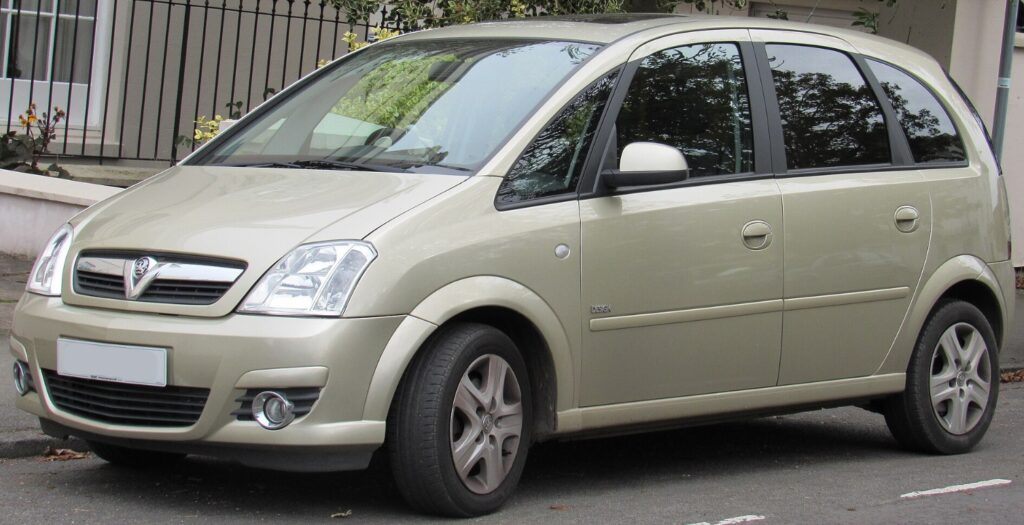
The Vauxhall Meriva has never been the flashiest car on the school run, nor has it tried to be. It is practical, compact, easy to enter, and surprisingly roomy inside. For many families, older drivers, and motorists who simply want a sensible used car, that combination sounds almost perfect.
But are Vauxhall Meriva reliable?
Generally, the Vauxhall Meriva can be a reliable used car when it has been serviced properly and its known electrical, steering, gearbox, and engine-related weaknesses have been addressed. It is not a completely trouble-free model, though. Reliability varies considerably according to the generation, engine, transmission, mileage, and previous maintenance.
Think of the Meriva as a dependable pair of everyday shoes. It may not turn heads, but it can serve us well for years—provided the soles have not already been worn through by someone else.
In this guide, we will examine common problems, engine choices, ownership costs, warning signs, longevity, and the most important checks to perform before buying one.
Content in this publication
- How Reliable Is the Vauxhall Meriva Overall?
- Understanding the Two Vauxhall Meriva Generations
- Are Vauxhall Meriva Petrol Engines Reliable?
- Are Vauxhall Meriva Diesel Engines Reliable?
- Which Vauxhall Meriva Engine Is Most Reliable?
- Are Vauxhall Meriva Automatic Gearboxes Reliable?
- Common Vauxhall Meriva Problems
- Does the Vauxhall Meriva Suffer From Head-Gasket Problems?
- How Long Does a Vauxhall Meriva Last?
- Vauxhall Meriva Reliability by Age
- Is the Vauxhall Meriva Expensive to Maintain?
- Are Vauxhall Meriva Parts Easy to Find?
- What to Check Before Buying a Used Vauxhall Meriva
- Signs of a Reliable Vauxhall Meriva
- Signs We Should Walk Away
- Is the Vauxhall Meriva a Good Family Car?
- Is the Vauxhall Meriva Good for Older Drivers?
- Is a Vauxhall Meriva Worth Buying Today?
- How to Make a Vauxhall Meriva More Reliable
- Vauxhall Meriva Reliability Compared With Rivals
- Final Verdict: Are Vauxhall Meriva Reliable?
- Frequently Asked Questions
How Reliable Is the Vauxhall Meriva Overall?
The Vauxhall Meriva has average-to-good reliability by used-car standards. Many examples continue running beyond 100,000 miles, while carefully maintained cars can cover significantly more. However, neglected examples may develop a frustrating collection of electrical faults, warning lights, suspension noises, and starting problems.
Its core mechanical components are generally straightforward. Most Meriva engines are shared with other Vauxhall models, meaning replacement parts and experienced mechanics are widely available across the UK. That helps keep many repairs manageable.
The Meriva’s reliability depends heavily on three things:
- Consistent servicing
- Careful previous ownership
- Choosing the right engine and gearbox
A tidy Meriva with complete maintenance records may be a much safer purchase than a cheaper example with vague history and suspicious dashboard lights.
Understanding the Two Vauxhall Meriva Generations
Before judging reliability, we need to distinguish between the two main generations. Although they share the Meriva name, they differ in design, technology, and common faults.
Vauxhall Meriva A: 2003 to 2010
The first-generation Meriva is a compact, practical MPV based on relatively simple Vauxhall technology. Its boxy shape creates excellent interior space for such a short car.
Meriva A models are now old enough for age-related wear to matter more than their original design quality. Rust, tired suspension components, electrical problems, oil leaks, and cooling-system faults can become more important than the mileage shown on the dashboard.
A low-mileage car is not automatically a good car. One that has spent years making short journeys may have suffered more than a higher-mileage example regularly driven and serviced.
Vauxhall Meriva B: 2010 to 2017
The second-generation Meriva feels more modern, refined, and substantial. Its rear-hinged rear doors—often called FlexDoors—make getting children or less-mobile passengers into the vehicle noticeably easier.
The Meriva B offers improved comfort and safety, but it also contains more electrical systems and additional technology. This creates more opportunities for sensors, door mechanisms, electronic parking brakes, and warning systems to misbehave.
In simple terms, the Meriva A is mechanically simpler but older. The Meriva B is newer and more comfortable but electronically more complicated.
Are Vauxhall Meriva Petrol Engines Reliable?
Petrol versions are often the safest option for drivers covering low or moderate annual mileage. They are particularly suitable for urban driving, school runs, and shorter journeys where a diesel particulate filter may struggle to regenerate.
1.4-Litre Petrol Engine Reliability
The 1.4-litre petrol engine is one of the most common Meriva choices. Naturally aspirated versions are relatively simple, although performance can feel modest when the car is fully loaded.
Turbocharged 1.4-litre engines offer stronger acceleration, but the additional turbocharger and associated pipework introduce extra complexity. Owners should watch for:
- Coolant loss
- Oil leaks
- Turbocharger noise
- Hesitation under acceleration
- Misfires
- Coil-pack failure
- Thermostat or cooling-system faults
A smooth, quiet engine with regular oil changes is encouraging. A rattling, smoky, or hesitant example deserves careful investigation.
1.6-Litre Petrol Engine Reliability
The older 1.6-litre petrol engine is not especially sophisticated, which can work in its favour. It may be thirsty compared with newer alternatives, but straightforward mechanical design often makes diagnosis easier.
Typical concerns include ignition coil problems, engine sensors, oil leaks, and timing-belt maintenance where applicable.
Why Timing-Belt History Matters
Where an engine uses a timing belt, replacement intervals must not be ignored. A snapped timing belt can cause severe internal engine damage.
We should look for an invoice showing when the belt, tensioners, and preferably the water pump were replaced. A verbal promise from the seller is not evidence. Paperwork is.
Are Vauxhall Meriva Diesel Engines Reliable?
Diesel Merivas can be economical and capable, particularly on longer motorway journeys. However, they are less suitable for drivers who mainly complete short trips.
1.3 CDTi Diesel Reliability
The 1.3 CDTi can deliver impressive fuel economy, but it may feel underpowered in a fully loaded Meriva. It also requires careful maintenance.
Potential problems include:
- Timing-chain wear
- Diesel particulate filter blockage
- Exhaust gas recirculation valve contamination
- Turbocharger wear
- Injector issues
- Glow-plug faults
- Oil degradation
Timing-chain noise should never be dismissed. A metallic rattle, especially during a cold start, may indicate wear in the chain or tensioning system.
The 1.3 CDTi is not necessarily a bad engine, but it rewards regular oil changes and longer journeys. Neglect it, and the repair bills may arrive like uninvited guests.
1.7 CDTi Diesel Reliability
The 1.7 CDTi generally provides stronger performance than the 1.3-litre diesel. It can suit motorway driving and heavier loads, although age and mileage now play a major role in reliability.
We should check for turbo issues, injector problems, EGR faults, DPF warnings, coolant leaks, and clutch or dual-mass flywheel wear.
1.6 CDTi Diesel Reliability
Later Meriva B models may use the more modern 1.6 CDTi engine. It is quieter and more refined than some older diesels, but emissions-control systems can still create trouble.
Possible concerns include:
- DPF blockage
- EGR valve faults
- Emissions-sensor failures
- Turbocharger problems
- AdBlue-related faults on applicable versions
- Timing-system wear
A diesel Meriva that has lived on the motorway may be healthier than one used for two-mile shopping trips.
Which Vauxhall Meriva Engine Is Most Reliable?
For many used-car buyers, a simple petrol engine with a manual gearbox is the most sensible choice. Petrol models avoid many diesel-specific components, including diesel particulate filters and certain high-pressure fuel-system parts.
The best engine depends on how we drive:
- Mostly short journeys: Petrol is usually preferable.
- Mixed driving: A 1.4 petrol may offer a useful balance.
- Frequent motorway use: A well-maintained diesel may make sense.
- Low annual mileage: Avoid buying diesel purely for fuel economy.
- Heavy loads: Choose an engine with enough power to avoid constant strain.
Reliability is not determined by engine size alone. A well-maintained turbo engine can outlast a neglected non-turbo car.
Are Vauxhall Meriva Automatic Gearboxes Reliable?
Automatic transmissions require extra caution, particularly the Easytronic system used in some models.
Understanding the Easytronic Gearbox
Easytronic is not a conventional automatic transmission. It is essentially a manual gearbox with automated clutch and gear-selection controls.
When operating correctly, it can be economical. When faults develop, however, it may become hesitant, jerky, or reluctant to select gears.
Common symptoms include:
- “F” appearing on the display
- Failure to engage first gear
- Delayed gear changes
- Jerking when pulling away
- Clutch-actuator faults
- Gear-selector problems
- The car refusing to start
Some faults can be repaired through calibration, actuator servicing, or clutch replacement. Others may become costly.
Is a Manual Meriva More Reliable?
In general, a manual Meriva is simpler and may be a lower-risk used purchase. Nevertheless, manual versions can still suffer from clutch wear, gearbox bearing noise, and dual-mass flywheel problems on certain diesel models.
You may be interested in reading Is Vauxhall Meriva a Good Car? An Honest Used-Car Guide
During a test drive, we should make sure every gear engages smoothly and that the clutch does not slip or bite unusually high.
Common Vauxhall Meriva Problems
No used car is flawless. The important question is whether its weaknesses are predictable and repairable.
Power-Steering Faults
Earlier Meriva models are known for electric power-steering problems. Drivers may notice the steering becoming unexpectedly heavy or a steering warning light appearing.
Because sudden loss of assistance can affect vehicle control, steering faults should be investigated immediately.
Possible causes include:
- Steering-column motor failure
- Torque-sensor problems
- Weak battery voltage
- Electrical-connection faults
- Control-module issues
Some steering-column units can be professionally refurbished, which may reduce repair costs compared with buying a completely new assembly.
Electrical Problems and Warning Lights
Merivas can develop electrical gremlins as they age. These may include central-locking faults, dashboard warning lights, window problems, battery drain, and sensor failures.
Common culprits include:
- Weak batteries
- Poor earth connections
- Damaged wiring
- Faulty door switches
- Failing alternators
- Water entering connectors
- Aging control modules
A car displaying several unrelated warning lights may simply have low voltage—but it could also have deeper electrical trouble. Proper diagnostic scanning is essential.
Door and Central-Locking Problems
The Meriva B’s rear-hinged doors are one of its best features, but their sensors, locks, and wiring can become problematic.
Warning messages may appear when the system believes a door is open. Electric locking mechanisms can also fail.
We should test every door repeatedly, including:
- Remote locking
- Interior locking
- Child locks
- Door-open warning display
- Rear-door operation
- Boot release
A clever feature stops feeling clever when it refuses to cooperate in a supermarket car park.
Electronic Parking-Brake Faults
Some Meriva B models use an electronic parking brake. Problems may involve the switch, motor, wiring, rear brakes, or low battery voltage.
Check that the brake applies and releases promptly. Warning messages, unusual noises, or delayed operation deserve investigation.
Suspension Wear
Suspension components naturally wear on older vehicles. Knocking noises over rough roads may point to worn drop links, bushes, top mounts, or springs.
Broken coil springs are not unusual on aging UK cars, particularly those exposed to potholes, speed bumps, and winter road salt.
A suspension inspection should include:
- Coil springs
- Dampers
- Anti-roll-bar links
- Control-arm bushes
- Wheel bearings
- Tyre wear
Uneven tyre wear may reveal alignment problems or worn suspension parts.
Cooling-System Problems
Cooling-system faults can become serious if ignored. Owners should monitor coolant levels and watch for signs of overheating.
Potential causes include:
- Thermostat-housing leaks
- Water-pump problems
- Split hoses
- Radiator leaks
- Expansion-tank damage
- Head-gasket failure
A sweet smell, steam, warning message, or rising temperature gauge should never be treated as normal.
Does the Vauxhall Meriva Suffer From Head-Gasket Problems?
A head-gasket failure is possible on almost any engine, particularly after overheating. It is not accurate to assume every Meriva will suffer this problem, but neglected cooling faults can increase the risk.
Warning signs include:
- Unexplained coolant loss
- White exhaust smoke after warm-up
- Overheating
- Creamy residue under the oil cap
- Bubbles in the coolant tank
- Poor heater performance
- Rough running
Creamy residue under the oil cap does not always prove head-gasket failure, especially if the car only makes short trips. A proper compression test or combustion-gas test provides better evidence.
How Long Does a Vauxhall Meriva Last?
A maintained Vauxhall Meriva can realistically exceed 100,000 miles. Many may reach 150,000 miles or more, especially when serviced regularly and repaired promptly.
Longevity depends on:
- Oil-change frequency
- Cooling-system health
- Driving style
- Journey type
- Gearbox maintenance
- Rust prevention
- Quality of replacement parts
Mileage should be considered alongside condition. A 120,000-mile motorway car with full records may be a better purchase than a 55,000-mile vehicle with no evidence of servicing.
Is 100,000 Miles Too Much for a Meriva?
Not necessarily. At 100,000 miles, we should expect some wear, but the car may still have useful life remaining.
The key is understanding what has already been replaced. A higher-mileage Meriva with a new clutch, refreshed suspension, documented timing-system maintenance, and recent brakes may be more dependable than a lower-mileage car approaching all those expenses.
Vauxhall Meriva Reliability by Age
Age affects rubber seals, wiring, fluids, suspension bushes, and corrosion—even when mileage remains low.
Meriva Models Under 10 Years Old
Later Meriva B models may offer the strongest combination of modern safety, reasonable comfort, and manageable age. However, emissions equipment and electronic systems still need inspection.
Meriva Models Between 10 and 15 Years Old
These cars may represent strong value, but maintenance history becomes essential. Expect age-related work involving suspension, brakes, batteries, air conditioning, door mechanisms, and cooling components.
Meriva Models Over 15 Years Old
Older Meriva A models can still provide dependable transport, but purchase price should not be the only consideration. A cheap car needing tyres, brakes, steering repairs, and a timing belt can quickly become expensive.
At this age, we should buy condition rather than specification.
Is the Vauxhall Meriva Expensive to Maintain?
Routine Meriva maintenance is generally affordable compared with many premium or less-common vehicles. Parts availability is good, and most independent garages understand Vauxhall mechanical systems.
Regular costs may include:
- Engine oil and filters
- Brake pads and discs
- Tyres
- Spark plugs
- Batteries
- Suspension links and bushes
- Timing-belt replacement
- Clutch replacement
Unexpected electrical, steering, automatic-transmission, turbocharger, or emissions faults can be more expensive.
The Meriva is inexpensive to own when it behaves itself. A neglected one, however, can nibble at our budget month after month.
Are Vauxhall Meriva Parts Easy to Find?
Yes, parts are generally easy to source in the UK. The Meriva shares various components with other Vauxhall models, and the aftermarket offers a broad selection of replacement parts.
Buyers can usually choose between:
- Genuine Vauxhall parts
- Original-equipment manufacturer parts
- Reputable aftermarket components
- Refurbished electrical units
- Used parts from vehicle dismantlers
The cheapest part is not always the best value. Poor-quality sensors, suspension components, and ignition parts may fail early or trigger fresh problems.
What to Check Before Buying a Used Vauxhall Meriva
A careful inspection can reveal more than a shiny advert and freshly vacuumed seats.
You may be interested in readingIs Vauxhall Meriva a Good Car? An Honest Used-Car GuideYou may be interested in reading
 Dacia Jogger Reliability: Is This Budget Family Car Built to Last?
Check the Service History
Look for invoices rather than relying only on stamps. Important records include:
- Annual servicing
- Timing-belt replacement
- Water-pump replacement
- Clutch work
- Gearbox repairs
- DPF cleaning or replacement
- Steering-column repairs
- Cooling-system work
Start the Engine From Cold
A cold start can expose rattles, smoke, weak batteries, and poor idle quality. Ask the seller not to warm the vehicle before we arrive.
Listen for:
- Timing-chain rattles
- Tapping noises
- Squealing belts
- Rough idle
- Excessive exhaust smoke
Test Every Electrical Feature
Operate the windows, mirrors, locks, lights, heater, air conditioning, radio, parking sensors, electronic parking brake, and rear doors.
A single fault may be minor. Five small electrical faults suggest the car has not been cared for.
Inspect the Dashboard
All warning lights should illuminate briefly after the ignition is switched on and then go out after the engine starts.
Be suspicious when a warning light never appears. Someone may have removed the bulb, covered the symbol, or altered the dashboard to hide a fault.
Take a Proper Test Drive
A five-minute loop around the block is not enough. Drive at urban and faster-road speeds where possible.
Check for:
- Steering pulling to one side
- Heavy steering
- Clutch slip
- Gearbox hesitation
- Suspension knocking
- Brake vibration
- Engine hesitation
- Overheating
- Warning messages
Arrange a Diagnostic Scan
A scan can reveal stored or pending fault codes, even when no warning light is currently visible. It is especially valuable on Meriva B models with more complex electronics.
Signs of a Reliable Vauxhall Meriva
A trustworthy example usually tells a consistent story. The mileage, condition, records, and seller’s explanation should all fit together.
Encouraging signs include:
- Complete service records
- Matching quality tyres
- Smooth cold start
- Clean coolant
- No warning lights
- Quiet suspension
- Even clutch operation
- Working doors and locks
- Clean MOT history
- A seller who answers questions clearly
A well-cared-for cabin can also provide clues. Excessively worn pedals, steering wheel, or driver’s seat may suggest harder use than the mileage indicates.
Signs We Should Walk Away
Some warning signs are not worth negotiating around.
Avoid or investigate carefully when we find:
- Repeated overheating
- Heavy steering
- Persistent gearbox faults
- Multiple warning lights
- Thick exhaust smoke
- Coolant contamination
- Serious corrosion
- Missing service history
- Suspiciously warm engine on arrival
- Seller refusing an independent inspection
There will always be another Meriva. We do not need to rescue the first neglected one we see.
Is the Vauxhall Meriva a Good Family Car?
Yes, the Meriva remains a practical family car. Its elevated seating position, flexible cabin, generous headroom, and easy access are genuine strengths.
The Meriva B’s rear-hinged doors make it easier to install child seats or help passengers enter. The car is also compact enough for urban parking.
Its boot is useful rather than enormous. Families carrying large pushchairs, holiday luggage, or bulky sports equipment may prefer a larger MPV or crossover.
Reliability-wise, families should prioritise a petrol manual with strong history unless regular long-distance driving justifies a diesel.
Is the Vauxhall Meriva Good for Older Drivers?
The Meriva’s high seating position and wide-opening doors can make it especially attractive to older drivers or passengers with limited mobility.
It feels more like stepping into a chair than dropping into a low hatchback. That difference may sound small, but it matters every day.
We should still ensure the steering feels light and consistent. Any intermittent power-steering fault is particularly undesirable for a driver who depends on easy low-speed manoeuvring.
Is a Vauxhall Meriva Worth Buying Today?
A Vauxhall Meriva can still be worth buying as an affordable, practical used car. It offers more cabin flexibility than a conventional small hatchback, while repair and servicing support remains widely available.
It makes most sense for buyers who value:
- Easy access
- Compact exterior dimensions
- Flexible seating
- Affordable parts
- A high driving position
- Family-friendly practicality
It makes less sense for drivers wanting modern infotainment, strong performance, premium refinement, or the very latest driver-assistance technology.
How to Make a Vauxhall Meriva More Reliable
Reliability is not fixed at the moment of purchase. Our maintenance habits make a huge difference.
Follow these principles:
- Change the engine oil on time.
Turbochargers and timing systems depend on clean, correct oil. - Investigate coolant loss immediately.
A small leak can become a damaged engine. - Keep the battery healthy.
Low voltage can trigger confusing electrical warnings. - Use the car appropriately.
Diesel models need longer runs to support DPF regeneration. - Do not ignore warning lights.
Early diagnosis is usually cheaper than delayed repair. - Replace worn suspension parts promptly.
One worn component can accelerate tyre and bush wear elsewhere. - Use suitable replacement parts.
Cheap sensors and ignition components may create repeat failures. - Maintain complete records.
Documentation helps future diagnosis and protects resale value.
Vauxhall Meriva Reliability Compared With Rivals
The Meriva competes with practical small MPVs such as the Ford B-Max, Nissan Note, Honda Jazz, Citroën C3 Picasso, and Renault Modus.
Compared with rivals, the Meriva offers strong accessibility and good parts availability. Its main reliability disadvantages involve electric steering on earlier models, Easytronic gearbox faults, and electrical complexity on later versions.
A Honda Jazz may have a stronger general reputation for dependability, while a Ford B-Max offers similarly convenient access. However, purchase condition matters more than the badge when comparing older used cars.
A neglected “reliable” model can be a worse purchase than a carefully maintained Meriva.
Final Verdict: Are Vauxhall Meriva Reliable?
So, are Vauxhall Meriva reliable?
Yes, a Vauxhall Meriva can be reliable, but we need to choose carefully. Petrol manual models with complete service records are often the most straightforward option. Diesels can also perform well when used for longer journeys and maintained properly, although DPF, EGR, turbo, and timing-system problems raise the financial risk.
The Meriva’s biggest strengths are practicality, accessibility, affordable parts, and widespread mechanical support. Its main weaknesses include electrical faults, power-steering problems, door and locking issues, suspension wear, cooling-system leaks, and unreliable Easytronic transmissions.
We should not buy one solely because it is cheap. Instead, we should search for a clean, well-documented example and spend money on a professional inspection before purchase.
The right Meriva can be a dependable family companion: unpretentious, roomy, and useful. The wrong one can resemble a leaky tap—never catastrophic enough to abandon immediately, but always demanding another repair.
Choose the history, not merely the mileage, and the Meriva may still offer excellent value.
Frequently Asked Questions
1. What is the most reliable Vauxhall Meriva engine?
A well-maintained petrol engine paired with a manual gearbox is generally one of the lowest-risk choices. The 1.4-litre petrol suits many drivers, although turbocharged versions require careful oil and cooling-system maintenance.
2. How many miles can a Vauxhall Meriva last?
A properly serviced Meriva can exceed 100,000 miles, and some examples may reach 150,000 miles or more. Condition, service history, journey type, and repair quality matter more than mileage alone.
3. What are the most common Vauxhall Meriva faults?
Common faults include electric power-steering problems, electrical warning lights, central-locking issues, suspension wear, cooling-system leaks, Easytronic gearbox faults, and diesel DPF or EGR problems.
4. Should we buy a diesel Vauxhall Meriva?
A diesel Meriva may suit regular motorway drivers covering higher annual mileage. Drivers making mostly short urban trips are usually better served by a petrol model because repeated short journeys can contribute to DPF blockage.
5. Is a used Vauxhall Meriva a good buy?
It can be a good buy when it has a complete service history, no persistent warning lights, a smooth gearbox, healthy steering, and evidence of regular maintenance. An independent inspection is strongly recommended.
You may be interested in readingIs Vauxhall Meriva a Good Car? An Honest Used-Car GuideYou may be interested in reading
Dacia Jogger Reliability: Is This Budget Family Car Built to Last?You may be interested in reading
Dacia Jogger Insurance Group UK: Costs, Ratings and SavingsIf you want to know other articles similar to Are Vauxhall Meriva Reliable? A Complete Used-Car Guide you can visit the category Blog.
How to Reset the Oil Light on a Kia Sportage

Volvo S90 Reliability: Problems, Costs & Best Years
Is Haval Jolion a Good Car? Honest Review, Reliability, Pros and Cons
How to Start Haval Jolion With Spare Key: Complete Guide
How to Calculate Per Diem on an Auto Loan

How to Calculate the Residual Value of a Car
Leave a Reply
More content of your interest