

Vauxhall Meriva Code 4: Meaning, Causes, Diagnosis, and Fixes

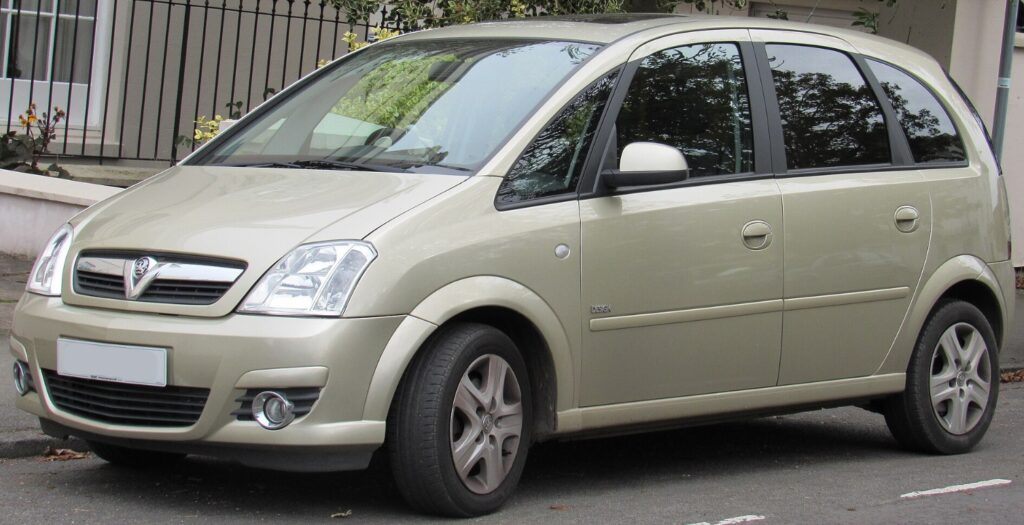
Seeing Vauxhall Meriva Code 4 appear on the dashboard can be unsettling, especially when it arrives with a warning chime, weak cabin heating, a rising temperature gauge, or steam from beneath the bonnet. The message sounds vague, and because it mentions the air conditioning, many drivers naturally assume the cabin cooling system simply needs attention.
That assumption can be misleading.
In the official Vauxhall Meriva handbook, Code 4 means “Air conditioning off.” However, the message does not always mean that the air-conditioning system itself has failed. In many cases, the engine-management system has deliberately switched off the compressor to reduce the load on an engine that is becoming too hot.
Think of it as the car turning off a lamp because the wiring is overheating. The lamp is not necessarily the original problem; it is simply the first system sacrificed for protection.
We therefore need to look beyond the dashboard wording. In this guide, we will explain what Code 4 means, why it appears, what checks we can safely perform, which faults commonly cause it, and when the Meriva should be stopped immediately.
Content in this publication
- What Does Vauxhall Meriva Code 4 Mean?
- Is Code 4 an Air-Conditioning Fault or a Cooling-System Fault?
- Why the Meriva Switches Off the Air Conditioning
- How Serious Is Vauxhall Meriva Code 4?
- What Should We Do When Code 4 Appears?
- Most Common Causes of Vauxhall Meriva Code 4
- 1. Low Engine Coolant
- 2. A Faulty Thermostat
- 3. Cooling Fan Failure
- 4. Coolant-Temperature Sensor Fault
- 5. Water-Pump Failure
- 6. Air Trapped in the Cooling System
- 7. A Leaking Expansion-Tank Cap
- 8. Blocked Radiator or Restricted Coolant Flow
- 9. Head-Gasket or Internal Engine Problems
- 10. Air-Conditioning Pressure or Compressor Fault
- Vauxhall Meriva Code 4 With No Hot Air
- Vauxhall Meriva Code 4 but Temperature Gauge Is Normal
- Can We Continue Driving With Code 4?
- How a Mechanic Diagnoses Vauxhall Meriva Code 4
- Can We Reset Vauxhall Meriva Code 4?
- Common Mistakes to Avoid
- How to Prevent Code 4 From Returning
- Estimated Repair Scenarios
- Vauxhall Meriva A Versus Meriva B Code 4
- A Practical Code 4 Troubleshooting Checklist
- Conclusion: Treat Code 4 as a Warning, Not Just an AC Message
- Frequently Asked Questions
What Does Vauxhall Meriva Code 4 Mean?
The official definition is straightforward:
Code 4: Air conditioning off.
This message is used on Meriva B models fitted with the numerical Driver Information Centre. The same list identifies Code 3 as low engine coolant and Code 75 as a request to service the air-conditioning system, so these warnings should not be treated as interchangeable.
Code 4 tells us what the vehicle has done, but not necessarily why it has done it.
The air-conditioning compressor places an additional mechanical load on the engine. When the control system detects conditions that could make continued compressor operation undesirable, it may disengage the air conditioning. One of the most important possible triggers is excessive engine temperature.
That means Code 4 can be:
- A temporary protective response
- A symptom of low coolant
- A sign of an overheating engine
- A result of poor coolant circulation
- An electrical or sensor-related fault
- Less commonly, an air-conditioning-system problem
The dashboard message is therefore the beginning of the diagnosis, not the conclusion.
Is Code 4 an Air-Conditioning Fault or a Cooling-System Fault?
It can involve either system, but the surrounding symptoms usually point us in the right direction.
When Code 4 appears on its own and the engine temperature remains normal, we may be dealing with a temporary air-conditioning interruption, a pressure-related issue, an electrical fault, or a sensor signal.
When it appears alongside any of the following, the engine cooling system becomes the priority:
- A temperature gauge moving toward the hot zone
- A red temperature warning light
- Steam from the engine bay
- Coolant smell
- Low coolant in the expansion tank
- No warm air from the cabin heater
- Cooling fans running constantly
- Coolant bubbling in the reservoir
- Poor engine performance
- A warning chime that returns repeatedly
The Meriva handbook warns that when coolant temperature is too high, the driver should stop the vehicle, switch off the engine, and check the coolant level because excessive temperature can endanger the engine.
That warning matters far more than keeping the cabin cool.
Why the Meriva Switches Off the Air Conditioning
The compressor is driven directly or indirectly by the engine. Engaging it increases the amount of work the engine must perform. Under ordinary conditions, that extra load is small and manageable. During overheating, however, even a modest additional burden is unwelcome.
The engine control unit may switch off the compressor to:
- Reduce mechanical load on the engine
- Lower the amount of heat being generated
- Give the radiator and cooling fans a better chance to stabilise temperature
- Protect the engine from further thermal stress
- Preserve electrical capacity for essential cooling components
It is rather like dropping a heavy suitcase when running uphill. Removing the suitcase does not repair an injured ankle, but it reduces the strain.
This protective action explains why replacing air-conditioning parts without checking the cooling system can become an expensive wrong turn.
How Serious Is Vauxhall Meriva Code 4?
The seriousness depends on what caused the warning.
When Code 4 May Be Temporary
It may be relatively minor when:
- The message appears briefly and disappears
- The coolant gauge stays in its normal range
- The coolant level is correct
- There is no steam, smell, leakage, or bubbling
- The cabin heater works normally
- The warning does not return
- The car otherwise drives as expected
Even then, we should monitor the vehicle carefully. Intermittent faults often behave like a dripping tap: quiet for a while, but never truly gone.
When Code 4 Is Potentially Serious
We should treat it urgently when:
- The temperature gauge rises above normal
- The coolant warning appears
- Steam escapes from beneath the bonnet
- The expansion tank is empty or nearly empty
- The heater suddenly blows cold air
- The warning returns during every journey
- The cooling fan does not operate
- The engine loses power
- Coolant must be topped up repeatedly
Continuing to drive an overheating engine can turn a small leak or inexpensive thermostat problem into a damaged cylinder head, failed head gasket, warped components, or complete engine failure.
What Should We Do When Code 4 Appears?
Our first response should be guided by the engine temperature and other symptoms.
Step 1: Check the Temperature Gauge
Look at the coolant-temperature gauge immediately.
If the needle is in the normal central region and no other warning is present, reduce the load on the engine and continue only with caution while monitoring the display.
If the needle is moving into the hot zone, pull over somewhere safe and switch off the engine. The handbook explicitly advises stopping the vehicle when coolant temperature is too high.
Step 2: Switch Off Unnecessary Loads
Turn off:
- Air conditioning
- Heated windows
- Heated seats
- High electrical loads that are not essential
The car may already have disabled the compressor, but manually switching off unnecessary systems is still sensible.
Step 3: Stop Safely If Overheating Is Suspected
Do not continue driving merely because the car still moves. Engines can remain operational for a short period while serious internal damage is developing.
Park safely, apply the handbrake, switch off the engine, and allow it to cool.
Step 4: Do Not Open a Hot Coolant Reservoir
Never remove the expansion-tank cap while the engine is hot. The cooling system may be pressurised, and hot coolant can erupt from the reservoir like a shaken bottle.
Wait until the engine is fully cool before inspecting the level.
Step 5: Check the Coolant Level
Once cold, inspect the coolant expansion tank.
The level should sit between the marked minimum and maximum lines. If it is below minimum, the system may have a leak, trapped air, an incorrect fill level, or an internal engine problem.
Topping up may help us move the vehicle in a genuine emergency, but it does not repair the reason the coolant disappeared.
Most Common Causes of Vauxhall Meriva Code 4
Code 4 is a dashboard message rather than a precise diagnostic trouble code. Several faults can lead to the same result.
1. Low Engine Coolant
Low coolant is one of the first things we should check.
Coolant absorbs heat from the engine and carries it toward the radiator. When the level drops, the system may struggle to control temperature. Air pockets can also form, weakening circulation and causing unstable sensor readings.
Possible reasons for coolant loss include:
- Loose hose clips
- Cracked hoses
- A leaking radiator
- A damaged expansion tank
- A weak reservoir cap
- Water-pump leakage
- Thermostat-housing leakage
- Heater-matrix leakage
- Head-gasket failure
A healthy sealed cooling system should not require frequent topping up. Coolant is not consumed in the same way as petrol or engine oil. Repeated loss is evidence of a fault.
Signs of Low Coolant
We may notice:
- The level below the minimum mark
- A sweet chemical smell
- Pink, orange, or pale residue around joints
- Dampness beneath the car
- Gurgling behind the dashboard
- Intermittent cabin heat
- The heater blowing cold while the engine runs hot
- Code 3 appearing before or alongside Code 4
2. A Faulty Thermostat
The thermostat regulates coolant flow between the engine and radiator.
When the engine is cold, it restricts flow so the engine warms efficiently. As temperature rises, it opens and allows coolant to circulate through the radiator.
If the thermostat becomes stuck closed, the engine can overheat rapidly because hot coolant is trapped inside the engine. Code 4 may then appear as the air conditioning is disabled.
If it sticks open, the engine may run too cool, warm up slowly, deliver weak cabin heat, and consume more fuel. That condition is less likely to create an immediate overheating emergency, but it still requires repair.
Typical Thermostat Symptoms
- Temperature rises quickly after starting
- Radiator remains relatively cool while the engine becomes hot
- Cabin heat is inconsistent
- The gauge fluctuates
- Code 4 appears during traffic or uphill driving
- Cooling fans run more than expected
- The engine takes unusually long to warm up
A scan tool showing live coolant-temperature data can help confirm whether the thermostat is behaving normally.
3. Cooling Fan Failure
The radiator fan is particularly important when the vehicle is stationary or moving slowly. At motorway speeds, natural airflow passes through the radiator. In traffic, the electric fan must create that airflow.
A failed fan can allow the engine to remain normal on an open road but overheat in queues.
Possible fan-related faults include:
- A failed fan motor
- Blown fuse
- Defective relay
- Damaged wiring
- Corroded connector
- Faulty fan-control module
- Incorrect temperature-sensor signal
A Useful Clue
When Code 4 appears mainly in traffic but disappears after the vehicle gains speed, poor fan operation becomes a strong suspect.
We should not put our hands near the fan while inspecting it. Electric radiator fans can start unexpectedly, even when the engine is not running.
4. Coolant-Temperature Sensor Fault
The engine control module relies on the coolant-temperature sensor to decide:
- How much fuel to inject
- When to run the cooling fan
- Whether the engine is warm
- Whether to permit air-conditioning operation
- Whether an overheating warning is necessary
If the sensor or its wiring sends an implausible high-temperature signal, the system may switch off the air conditioning even when the engine is not genuinely overheating.
Possible signs include:
- Code 4 appearing immediately after a cold start
- Temperature readings jumping suddenly
- Cooling fans running at maximum speed from cold
- Poor cold starting
- Increased fuel consumption
- A temperature gauge behaving erratically
- No obvious coolant loss
A technician should compare the displayed coolant temperature with the actual temperature of a cold engine. After sitting overnight, the coolant reading should generally be close to the surrounding air temperature.
5. Water-Pump Failure
The water pump circulates coolant around the engine, heater matrix, and radiator. If its impeller becomes damaged, its bearing fails, or it leaks, coolant flow can weaken dramatically.
A pump can sometimes leak visibly. In other cases, the internal impeller fails without creating a dramatic external leak.
Possible Water-Pump Symptoms
- Overheating that worsens with engine speed or load
- Coolant leakage near the belt side of the engine
- Grinding or rumbling noises
- Steam
- Poor cabin heating
- Rapid temperature fluctuations
- Coolant circulation that appears weak
- Repeated Code 4 warnings
Because pump access varies by engine, replacement difficulty and cost depend on the exact Meriva engine fitted.
6. Air Trapped in the Cooling System
Air can enter after:
- Coolant replacement
- Thermostat replacement
- Hose removal
- Radiator work
- Water-pump repair
- Running the expansion tank too low
- An unresolved leak
An air pocket can prevent coolant from reaching the temperature sensor or heater matrix correctly. It may cause gurgling sounds, fluctuating heat, unstable gauge readings, and intermittent overheating.
The cooling system must be filled and bled according to the correct procedure for the engine. Randomly squeezing hoses and topping up the bottle may not remove every air pocket.
7. A Leaking Expansion-Tank Cap
The reservoir cap helps the system maintain pressure. Raising the pressure increases the coolant’s boiling point, allowing the system to operate safely at normal engine temperatures.
A weak cap may release pressure too early. Coolant can then boil or escape even though the rest of the system appears intact.
Clues include:
- Dried coolant around the cap
- Hissing after normal journeys
- Coolant pushed from the reservoir
- No obvious hose or radiator leak
- The level dropping slowly
- Code 4 appearing during high-load driving
A replacement cap is comparatively inexpensive, but it should not be used as a guess when the engine is overheating severely.
8. Blocked Radiator or Restricted Coolant Flow
A radiator can become blocked externally by dirt, leaves, insects, or damaged fins. It may also develop internal restrictions due to corrosion, deposits, mixed coolant types, or neglected maintenance.
Restricted flow reduces the radiator’s ability to release heat.
We may see:
- Overheating during motorway driving
- Uneven radiator temperature
- Cooling fans working correctly but failing to lower temperature
- Dirty or contaminated coolant
- Poor flow through hoses
- Code 4 returning under load
An infrared thermometer can help a technician identify unusually cold sections of a hot radiator, which may suggest internal blockage.
9. Head-Gasket or Internal Engine Problems
A failed head gasket is not the most likely explanation every time Code 4 appears, but it is one of the most serious.
Combustion gases can enter the cooling system, creating excess pressure, displacing coolant, and forming air pockets. Coolant may also enter the cylinders or engine oil.
Warning Signs of Head-Gasket Trouble
- Coolant loss without a visible external leak
- Continuous bubbles in the expansion tank
- Hoses becoming hard soon after a cold start
- White exhaust vapour after the engine is warm
- Misfiring on startup
- Creamy contamination beneath the oil cap
- Oil in the coolant
- Coolant in the oil
- Repeated overheating
- Expansion tank overflowing
No single symptom proves head-gasket failure. A workshop may use a cooling-system pressure test, combustion-gas test, compression test, or cylinder leak-down test.
10. Air-Conditioning Pressure or Compressor Fault
Sometimes the fault genuinely lies within the air-conditioning system.
The compressor may be disabled due to:
- Refrigerant pressure that is too high
- Refrigerant pressure that is too low
- A failed pressure sensor
- Compressor overheating
- Compressor clutch failure, where fitted
- Wiring or control-module faults
- A blown air-conditioning fuse
- An internal compressor problem
However, Code 4 should not automatically be treated as a request for an air-conditioning recharge. The manual separately uses Code 75 for “Service air conditioning,” which reinforces the need to distinguish the messages.
Vauxhall Meriva Code 4 With No Hot Air
Code 4 combined with cold air from the heater deserves immediate attention.
The heater matrix relies on hot engine coolant. When the engine is warm but the vents blow cold, possible causes include:
- Low coolant
- Air trapped in the system
- Poor water-pump circulation
- A blocked heater matrix
- A stuck thermostat
- A coolant-control-valve problem, where applicable
The most dangerous pattern is an engine temperature rising while the heater suddenly turns cold. This may indicate that coolant is no longer circulating through the heater matrix.
In that situation, we should stop driving.
Vauxhall Meriva Code 4 but Temperature Gauge Is Normal
A normal gauge is reassuring, but it does not eliminate every fault.
Possible explanations include:
- An intermittent coolant-temperature sensor
- A wiring fault
- An air-conditioning pressure issue
- A brief protective shutdown
- A thermostat beginning to stick
- Low coolant that has not yet caused obvious overheating
- A gauge that is slower to respond than the engine-management system
Check the coolant level only when cold and monitor whether the warning returns under similar conditions.
A diagnostic scan is useful because stored fault codes can remain even after the dashboard warning disappears.
Can We Continue Driving With Code 4?
We should base the decision on symptoms, not the number alone.
Stop Driving Immediately When:
- The gauge enters the hot zone
- A red temperature warning appears
- Steam is visible
- Coolant is pouring from the vehicle
- The engine runs roughly
- The cabin heater suddenly turns cold while temperature rises
- There is loud knocking or mechanical noise
- The expansion tank is empty
- The warning is accompanied by severe power loss
A Short, Careful Journey May Be Possible When:
- The engine temperature is completely normal
- Coolant is at the correct level when cold
- There is no leakage, steam, smell, or bubbling
- The heater works normally
- Code 4 appeared only briefly
- No red warning lights are present
Even then, the safest choice is an inspection rather than repeatedly clearing the message and hoping it stays away.
How a Mechanic Diagnoses Vauxhall Meriva Code 4
A good diagnosis follows evidence rather than replacing parts at random.
Initial Checks
The technician may inspect:
- Coolant level and condition
- Expansion tank and cap
- Hoses and clips
- Radiator
- Thermostat housing
- Water pump
- Heater hoses
- Signs of dried coolant
- Engine oil condition
- Cooling-fan operation
Diagnostic Scan
A scan tool can reveal stored engine and climate-control faults. Useful live data includes:
- Coolant temperature
- Intake-air temperature
- Requested fan speed
- Actual fan operation
- Air-conditioning pressure
- Compressor request
- Compressor activation status
- Engine load
- Voltage readings
The numerical Code 4 shown on the dashboard is not the same as an OBD-II fault code. An OBD code normally begins with a letter, such as P, B, C, or U.
Cooling-System Pressure Test
The system is pressurised with the engine cold. A pressure drop may expose leakage from a hose, radiator, reservoir, thermostat housing, pump, or heater matrix.
Combustion-Gas Test
A chemical test can check for combustion gases in the coolant, helping identify possible head-gasket or cylinder-head problems.
Temperature Comparison
The technician may compare scan-tool data with actual engine temperature. An implausible difference can reveal a faulty sensor or wiring issue.
Can We Reset Vauxhall Meriva Code 4?
There is no meaningful manual reset that repairs the underlying problem.
The message may disappear after:
- The engine cools
- The ignition is restarted
- Coolant temperature returns to normal
- A temporary sensor reading stabilises
- The air-conditioning system becomes available again
Disconnecting the battery may clear certain temporary data, but it can also create other issues and does not fix overheating, leakage, faulty circulation, or damaged wiring.
Resetting the display without diagnosing the cause is like silencing a smoke alarm while smoke still fills the room.
Common Mistakes to Avoid
Assuming It Only Needs an Air-Conditioning Recharge
Low refrigerant can affect cooling performance, but it does not explain rising engine temperature, coolant loss, steam, or a heater turning cold.
Opening the Coolant Cap While Hot
This creates a serious scalding risk. Always wait until the engine is fully cool.
Continuing to Drive Because the Warning Disappeared
A disappearing message may simply mean the temperature has temporarily fallen.
Repeatedly Topping Up Coolant
Frequent top-ups hide the symptom without repairing the leak.
Using the Wrong Coolant
Mixing incompatible coolant types can cause contamination, deposits, reduced protection, and restricted flow. Use the correct specification for the vehicle and engine.
Replacing Parts Without Testing
A thermostat, sensor, fan, pump, cap, and head gasket can all produce overlapping symptoms. Testing is usually cheaper than guesswork.
How to Prevent Code 4 From Returning
Good cooling-system maintenance can reduce the risk significantly.
We should:
- Check the coolant level regularly when the engine is cold
- Investigate even small coolant losses
- Use the correct coolant specification
- Replace coolant at the appropriate interval
- Inspect hoses for swelling, cracking, or staining
- Keep the radiator face clear
- Watch for changes in heater performance
- Pay attention to fan behaviour
- Repair warning lights promptly
- Avoid driving an overheating vehicle
- Have the system pressure-tested after unexplained coolant loss
A cooling system often whispers before it shouts. A faint smell, a tiny stain, or occasional gurgling may be the first clue.
Estimated Repair Scenarios
Costs vary by engine, workshop, location, labour rate, and the extent of any overheating damage. Instead of focusing on a single price, it is more useful to understand the likely repair scale.
Lower-Complexity Repairs
- Expansion-tank cap
- Minor hose or clip
- Coolant top-up and correct bleeding
- Fuse or relay
- Temperature sensor
- Electrical connector repair
Moderate Repairs
- Thermostat or thermostat housing
- Radiator fan
- Radiator
- Air-conditioning pressure sensor
- Heater-matrix flushing
- Coolant leak requiring component removal
Higher-Cost Repairs
- Water pump on a difficult-access engine
- Heater-matrix replacement
- Air-conditioning compressor
- Cylinder-head repair
- Head-gasket replacement
- Engine replacement after severe overheating
Stopping early can be the difference between the first and third groups.
Vauxhall Meriva A Versus Meriva B Code 4
The numerical dashboard-message system discussed here is most commonly associated with the Meriva B, produced during the 2010s.
Earlier Meriva A models use different displays, warning arrangements, and diagnostic behaviour. Owners of an older Meriva should confirm the model generation and consult the correct handbook rather than assuming every numerical reference has the same meaning.
We can usually distinguish the generations visually:
- The Meriva A has a more conventional compact-MPV shape
- The Meriva B is known for its rear-hinged rear doors
- Meriva B dashboard messages commonly appear as numbered codes
Using the right manual matters because vehicle messages can differ by model year, specification, engine, and display type.
A Practical Code 4 Troubleshooting Checklist
When Code 4 appears, we can work through this order:
- Check the coolant-temperature gauge.
- Stop immediately if the engine is overheating.
- Wait for the engine to cool completely.
- Inspect the coolant level.
- Look for visible leaks or dried residue.
- Check whether cabin heating works.
- Observe whether the radiator fan operates.
- Note when the warning appears: traffic, motorway, hills, or cold start.
- Scan the engine and climate-control modules.
- Pressure-test the cooling system if coolant is disappearing.
- Test the thermostat, pump, sensor, and fan rather than guessing.
- Investigate internal engine leakage if pressure or coolant loss remains unexplained.
Writing down the circumstances can save diagnostic time. Note the outside temperature, road speed, journey length, gauge position, heater output, and whether the fan was running.
Conclusion: Treat Code 4 as a Warning, Not Just an AC Message
Vauxhall Meriva Code 4 means that the air conditioning has been switched off. That is the official message, but it does not always identify the root cause.
Sometimes the interruption is temporary or related to the climate-control system. In more serious cases, the vehicle has shut down the compressor because the engine is overheating or the cooling system is behaving abnormally.
Our safest approach is simple: check the temperature gauge, stop if the engine is hot, allow it to cool, inspect the coolant level, and investigate any loss, leakage, fan failure, poor circulation, or erratic temperature reading.
Code 4 is the messenger. We should not blame the messenger before checking for smoke behind the curtain.
Frequently Asked Questions
1. What does Code 4 mean on a Vauxhall Meriva?
Code 4 means “Air conditioning off.” The vehicle has disabled air-conditioning operation, potentially because of high engine temperature, a climate-control fault, or another condition that prevents safe compressor operation.
2. Does Vauxhall Meriva Code 4 mean the engine is overheating?
Not always, but overheating is an important possibility. Check the temperature gauge immediately. If it is high, or if there is steam, coolant loss, bubbling, or cold heater output, stop the engine and investigate the cooling system.
3. Can low coolant cause Code 4 on a Meriva?
Yes. Low coolant can cause poor circulation, air pockets, unstable temperature readings, and overheating. Code 3 officially indicates low coolant, but Code 4 may also appear if rising engine temperature causes the air conditioning to be disabled.
4. Can I clear Code 4 by disconnecting the battery?
The message may disappear temporarily, but battery disconnection does not repair a leak, thermostat, cooling fan, water pump, temperature sensor, or air-conditioning fault. Diagnose the cause instead of relying on a reset.
5. Why does my Meriva show Code 4 and blow cold air from the heater?
Cold heater output may indicate low coolant, trapped air, restricted circulation, water-pump failure, a blocked heater matrix, or a thermostat problem. When the engine temperature is also rising, stop driving because coolant may not be circulating correctly.
If you want to know other articles similar to Vauxhall Meriva Code 4: Meaning, Causes, Diagnosis, and Fixes you can visit the category Service and Parts.
Nissan Qashqai Fuel Tank Capacity: Complete Guide

Suzuki Swift Fuel Tank Capacity: Complete Guide

Mazda CX-5 Weight (2013–2026): Complete Guide in Pounds and KG

Kia Sportage Dashboard Symbols and Warning Lights

MINI Cooper Weight (2002–2027): Complete Weight Chart & Guide

Toyota RAV4 Engine Sizes: Complete Guide (1994–2026)
Leave a Reply
More content of your interest