
Is Vauxhall Meriva a Good Car? An Honest Used-Car Guide

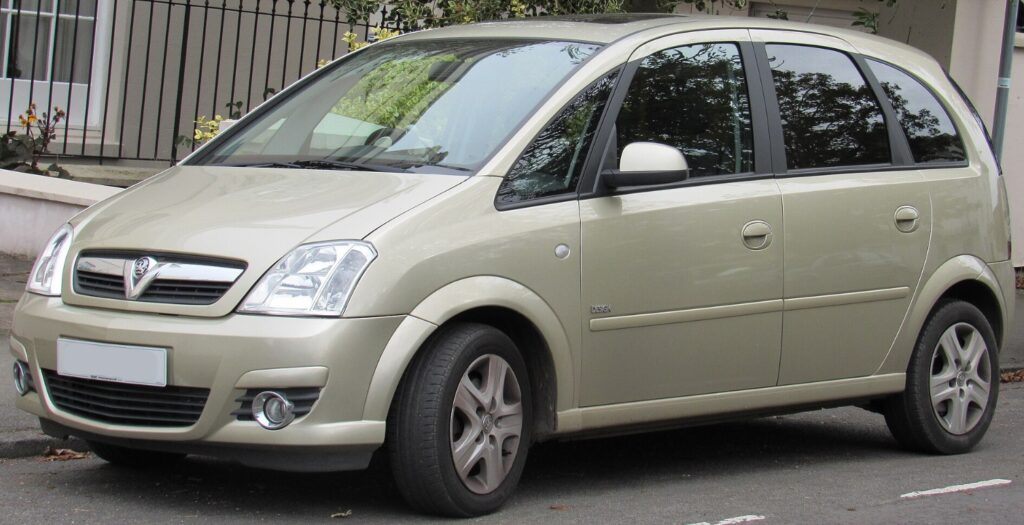
Is Vauxhall Meriva a good car? For many used-car buyers, the answer is yes—but only when the right example is chosen carefully.
The Vauxhall Meriva is not glamorous, sporty, or packed with the sort of technology that makes neighbours peer over the fence. That was never really its mission. Instead, it focuses on practicality, easy access, flexible seating, and everyday comfort. Think of it as a dependable pair of walking shoes rather than shiny designer trainers. It may not turn heads, but it can make daily life considerably easier.
This compact MPV became particularly popular with families, older drivers, carers, and motorists who wanted more cabin flexibility than a conventional hatchback could offer. Its raised seating position, wide-opening doors, useful storage areas, and relatively compact exterior dimensions made it well suited to British roads.
However, buying a used Meriva requires more than finding one with clean paintwork and a low asking price. Some engines are better suited to short journeys than others, maintenance history matters enormously, and neglected examples can develop costly electrical, steering, gearbox, or emissions-related problems.
Let us examine whether the Vauxhall Meriva is genuinely a good car, who should buy one, which versions deserve attention, and what problems should make us walk away.
Content in this publication
- What Kind of Car Is the Vauxhall Meriva?
- Why Do People Buy a Vauxhall Meriva?
- Is the Vauxhall Meriva Comfortable?
- How Practical Is the Vauxhall Meriva?
- Is the Vauxhall Meriva Spacious Inside?
- What Is the Vauxhall Meriva Like to Drive?
- Which Vauxhall Meriva Engine Is Best?
- Is the Vauxhall Meriva Reliable?
- Common Vauxhall Meriva Problems
- Is the Vauxhall Meriva Economical to Run?
- Is the Vauxhall Meriva Expensive to Maintain?
- Is the Vauxhall Meriva Safe?
- Is the Vauxhall Meriva Good for Older Drivers?
- Is the Vauxhall Meriva a Good Family Car?
- How Does the Vauxhall Meriva Compare With an SUV?
- What Should We Check Before Buying a Used Meriva?
- Which Vauxhall Meriva Should We Avoid?
- Who Should Buy a Vauxhall Meriva?
- Who Should Look Elsewhere?
- What Are the Main Advantages of a Vauxhall Meriva?
- What Are the Main Disadvantages?
- Is a High-Mileage Vauxhall Meriva Worth Buying?
- Does the Vauxhall Meriva Offer Good Value for Money?
- Final Verdict: Is Vauxhall Meriva a Good Car?
- Frequently Asked Questions
What Kind of Car Is the Vauxhall Meriva?
The Vauxhall Meriva is a compact multi-purpose vehicle, commonly known as an MPV. It sits somewhere between a traditional family hatchback and a larger people carrier.
It was designed for drivers who needed versatility without wanting a long, bulky seven-seater. Most Meriva versions have five seats, but their cabins are generally taller and more adaptable than those found in similarly sized hatchbacks.
Two main generations are commonly found on the used market:
- The original Meriva, often called the Meriva A
- The second-generation Meriva, usually known as the Meriva B
The first generation offers simple, affordable transport but now feels dated. The second generation brought a more substantial cabin, improved refinement, stronger safety credentials, and its distinctive rear-hinged back doors.
When people ask whether the Vauxhall Meriva is a good car today, they are usually considering a second-generation used model.
Why Do People Buy a Vauxhall Meriva?
The Meriva appeals because it solves several small daily problems rather well.
Getting into a low hatchback can feel like folding ourselves into a suitcase. The Meriva’s taller body and higher seats make entry and exit easier. Parents can reach child seats with less bending, while passengers with limited mobility may find the wide door openings particularly helpful.
It is also compact enough to drive around town without feeling like a van. That combination—small footprint, tall cabin, flexible interior—is the heart of the Meriva’s appeal.
Typical buyers include:
- Small families
- Older motorists
- Drivers with mobility concerns
- Dog owners
- Carers
- Commuters wanting a raised driving position
- Buyers needing flexible luggage space
- People downsizing from a larger MPV
It is not the perfect answer for every household, but it occupies a useful middle ground.
Is the Vauxhall Meriva Comfortable?
Comfort is one of the Meriva’s stronger qualities, particularly when we judge it as a practical family vehicle rather than a performance car.
The raised seating position provides a clear view of the road, and the cabin generally feels airy. Front-seat occupants have generous headroom, while the dashboard layout is functional, even if some versions contain more buttons than we might expect.
The suspension tends to prioritise comfort over sharp handling. On smoother roads, the Meriva cruises calmly and absorbs ordinary imperfections reasonably well. Rough urban surfaces can still send bumps through the cabin, especially when the car is fitted with larger wheels, but it is generally comfortable enough for school runs, shopping trips, and longer motorway journeys.
Driving Position and Visibility
The elevated driving position is a major benefit. We do not sit as high as we would in a modern SUV, but visibility is better than in many conventional hatchbacks.
The windscreen is large, and the tall windows help us judge surrounding traffic. Rear visibility can be less impressive because of the body shape and thicker pillars, so parking sensors are valuable.
Some drivers may initially find the dashboard deep or the front pillars intrusive at junctions. A proper test drive is therefore essential.
Seat Comfort on Longer Journeys
Seat comfort varies by trim level and individual body shape. Support is usually adequate, although some drivers find the seat base firm after several hours.
A Meriva equipped with adjustable lumbar support and a height-adjustable driver’s seat will be more comfortable than a basic model. We should test every adjustment rather than assuming all versions provide the same seating flexibility.
How Practical Is the Vauxhall Meriva?
Practicality is where the Meriva earns most of its points. It was designed around real daily routines rather than brochure glamour.
The cabin includes numerous storage spaces, including door pockets, compartments, cupholders, and areas around the centre console. Some are more useful than others, but the overall layout gives families somewhere to place drinks, toys, cables, tissues, and the endless collection of small items that cars seem to attract.
Rear-Hinged FlexDoors
The second-generation Meriva’s most recognisable feature is its rear-hinged back doors, marketed as FlexDoors.
Unlike conventional rear doors, they open from the front edge of the rear passenger compartment. When the front and rear doors are open together, they create a wide access area.
This arrangement can make it easier to:
- Lift a child into a safety seat
- Help an elderly passenger enter
- Load bulky items through the side
- Reach into the rear cabin
- Keep closer control of children near the pavement
The doors can feel unusual at first. In narrow parking spaces, we need to think about the order in which passengers enter and exit. Once we become familiar with them, however, they can be genuinely useful rather than merely a design gimmick.
Are the Rear Doors Safe?
The design includes safety mechanisms intended to prevent the rear doors from being opened in unsafe conditions. Nevertheless, buyers should check that the doors, locks, handles, warning systems, and child-safety functions operate correctly.
Any dashboard warning relating to the doors should be investigated before purchase. A fault that looks minor may involve a lock sensor, wiring, actuator, or control module.
Flexible Rear Seating
The rear seating arrangement is another Meriva strength. Depending on the version, the seats can slide or fold to prioritise passenger space or luggage capacity.
With the outer seats repositioned, two rear passengers may gain more shoulder room. Fold the seats, and the Meriva becomes useful for carrying flat-packed furniture, pushchairs, bicycles, boxes, or pet equipment.
It is not a commercial van in disguise, but its square cabin makes better use of space than many style-focused crossovers.
Is the Vauxhall Meriva Spacious Inside?
For a relatively compact car, the Meriva offers impressive headroom and reasonable legroom.
Front passengers should feel comfortable unless they are particularly tall or broad. Rear-seat space is suitable for children and most adults, although carrying three adults across the back will feel tight.
The middle rear position is best treated as an occasional seat. For a family of four, however, the cabin works well.
Boot Space and Luggage Capacity
The boot is practical rather than enormous. Its useful shape matters more than a headline capacity figure because square luggage areas are easier to load than narrow, heavily sculpted ones.
With the rear seats in place, there is enough room for ordinary shopping, several bags, or a folded pushchair. Folding the back seats creates a substantially larger loading area.
Before buying, we should inspect:
- The boot floor
- The spare-wheel area or inflation kit
- The parcel shelf
- Seat-folding mechanisms
- Signs of water entry
- Damage from pets or heavy loads
- The tailgate lock and release switch
A boot that refuses to open can turn a practical car into an irritating metal cupboard.
What Is the Vauxhall Meriva Like to Drive?
The Meriva is easy to drive, but it is not exciting. Steering is generally light, the controls are manageable, and its compact dimensions help in urban traffic.
Around town, these qualities make it approachable. On faster roads, its tall body can lean more than a lower hatchback through corners. It remains predictable when driven sensibly, but enthusiastic drivers may prefer a Ford C-Max, conventional hatchback, or sportier crossover.
Town Driving
Urban driving suits the Meriva well. Its elevated seating, light steering, and short overall length make it easy to place on the road.
The turning circle is acceptable, although not always as tight as the car’s compact appearance suggests. Parking sensors make a considerable difference, particularly because the rear corners are not always easy to judge.
For school runs and supermarket trips, the Meriva feels natural and manageable.
Motorway Driving
On the motorway, the Meriva is stable enough for ordinary family travel. More powerful engines cope better with overtaking and hills, especially when the car is carrying passengers and luggage.
Wind and road noise are noticeable, particularly in older or lower-specification examples. It is not as quiet as a premium family car, but a well-maintained Meriva should not feel exhausting on a sensible journey.
Diesel versions can be effective motorway companions, provided they have been maintained correctly and regularly driven far enough for their emissions systems to function properly.
Handling and Steering Feel
The steering is designed for ease rather than detailed feedback. It is light at low speeds, which helps when parking, but it can feel vague to drivers accustomed to sharper hatchbacks.
Body roll is present during quicker cornering because of the tall body. That does not automatically make the Meriva unsafe; it simply reminds us that this is a practical MPV, not a hot hatch wearing family-car clothes.
You may be interested in reading Dacia Jogger Reliability: Is This Budget Family Car Built to Last?
Which Vauxhall Meriva Engine Is Best?
The best engine depends heavily on how the car will be used.
A petrol engine generally makes more sense for short trips, urban driving, and lower annual mileage. A diesel may suit drivers who regularly cover longer distances, but it can become troublesome when repeatedly used for short, cold journeys.
Petrol Engines
Petrol Merivas are often the safer choice for typical second-hand buyers. They are generally better suited to stop-start urban use and avoid some of the diesel emissions-system concerns.
Naturally aspirated petrol engines can feel slow, particularly with passengers aboard. Turbocharged petrol versions offer stronger performance but introduce additional components that require proper servicing.
When testing a petrol Meriva, check for:
- Uneven idling
- Hesitation under acceleration
- Warning lights
- Oil leaks
- Excessive exhaust smoke
- Rattling during cold starts
- Cooling-system problems
- Poor clutch operation
A modest engine working correctly is preferable to a more powerful one carrying years of neglected maintenance.
Diesel Engines
Diesel versions can provide useful torque and respectable fuel economy. They work best for motorists who regularly complete sustained journeys.
However, diesel particulate filter problems, exhaust gas recirculation faults, turbo issues, injectors, sensors, and other emissions-related components can create expensive repair bills.
A diesel Meriva that has spent its life crawling through city traffic may be less attractive than its fuel-economy figures suggest.
Should We Buy a Diesel Meriva for Short Journeys?
Usually, no.
If most journeys involve a few miles through town, a petrol model is generally the more sensible option. Diesel engines need suitable operating conditions to warm fully and manage their emissions systems.
Buying a diesel merely because it appears economical can be false economy. Saving a little at the fuel pump is not helpful if a blocked filter or failed emissions component later swallows the entire saving.
Manual or Automatic?
Manual Merivas are common and can be economical to repair, but clutch and gearbox condition must be assessed carefully.
The clutch should engage smoothly without slipping, juddering, or making unusual noises. Gear selection should feel clean, not obstructive or vague.
Automatic or automated manual versions require additional caution. Their driving behaviour may not feel as smooth as a traditional automatic, and faults can be expensive. We should never buy one without a long test drive and evidence of correct maintenance.
Is the Vauxhall Meriva Reliable?
The Meriva has mixed reliability. A properly maintained example can provide years of useful service, while a neglected one can become a chain of warning lights and repair invoices.
The basic structure and many mechanical components are capable of covering substantial mileage. Problems are more likely to arise from age, poor servicing, short-trip use, electrical faults, and deferred repairs than from one universal catastrophic weakness.
In other words, the Meriva is not a car we should buy solely by model name. Condition matters more than mileage alone.
A 90,000-mile vehicle with comprehensive servicing may be a better purchase than a 50,000-mile car that has received irregular oil changes and repeated temporary repairs.
Common Vauxhall Meriva Problems
No used car is flawless, and the Meriva has several areas that deserve close inspection.
Power-Steering Faults
Some Merivas can experience power-steering problems or warning messages. Symptoms may include unusually heavy steering, intermittent assistance, or a dashboard warning light.
Because steering is a safety-critical system, any fault should be professionally diagnosed. We should not accept a seller’s claim that the warning “just needs resetting” without evidence.
Electrical and Sensor Problems
Ageing Merivas may develop electrical issues involving:
- Door locks
- Window switches
- Dashboard displays
- Central locking
- Battery voltage
- Warning lights
- Parking sensors
- Boot releases
- Engine sensors
A weak battery can trigger several apparently unrelated warnings, but we should never assume the battery is the only cause. A diagnostic scan can reveal stored fault codes and help distinguish a simple voltage issue from a failing component.
Gearbox and Clutch Wear
Manual models may suffer from clutch wear, noisy bearings, difficult gear selection, or gearbox problems.
During the test drive, accelerate firmly in a high gear at low engine speed. If the engine speed rises without a matching increase in road speed, the clutch may be slipping.
Listen for whining, crunching, or rattling. A cheap purchase can become expensive quickly when clutch, flywheel, or gearbox work is required.
Diesel Particulate Filter Issues
Diesel particulate filter problems are more likely when a diesel car is used mainly for short journeys.
Possible symptoms include reduced power, warning lights, frequent regeneration attempts, increased fuel consumption, or an engine entering restricted-performance mode.
A forced regeneration may not permanently fix the underlying problem. Faulty sensors, injectors, thermostats, EGR components, or driving patterns may also need attention.
Cooling-System and Overheating Problems
Any sign of overheating should be taken seriously.
Check the coolant level when the engine is cold and inspect for contamination, leaks, crusty deposits, or an oily appearance. During the drive, the temperature should remain stable.
A failing thermostat, water pump, hose, radiator, cooling fan, or head gasket can produce symptoms ranging from poor cabin heating to serious engine damage.
Door and Locking Faults
The Meriva’s unusual rear-door arrangement is practical, but it adds locks, sensors, wiring, and warning systems that should all work properly.
Open and close every door several times. Test the central locking from both the key and interior switch. Check whether the dashboard recognises each door correctly.
A persistent door warning can be irritating and may also interfere with locking or alarm operation.
Is the Vauxhall Meriva Economical to Run?
Running costs can be reasonable, particularly when we choose a straightforward petrol model and use an independent specialist for maintenance.
Insurance is often manageable, replacement parts are widely available, and many garages understand Vauxhall mechanical systems. Tyres and routine service items are not usually exotic or unusually expensive.
Fuel economy varies by engine, gearbox, road conditions, load, and driving style. Diesel versions usually return better figures on long journeys, while petrol models are often more appropriate for low-mileage urban drivers.
The cheapest version to fuel is not always the cheapest version to own. Reliability, repair exposure, and suitability for our driving pattern matter just as much.
Is the Vauxhall Meriva Expensive to Maintain?
Routine servicing is generally affordable for a compact MPV. Oil changes, filters, brake pads, tyres, and common suspension parts should not cost more than equivalent work on many mainstream family cars.
Expenses rise when previous owners have ignored warning signs. A Meriva needing tyres, brakes, a clutch, suspension repairs, an air-conditioning recharge, and electrical diagnosis is not a bargain simply because its asking price is low.
Before purchasing, create a first-year maintenance budget. Include:
- A full service
- Replacement fluids if history is unclear
- Tyres or wheel alignment
- Brake inspection
- Battery testing
- Air-conditioning assessment
- Diagnostic scanning
- Timing-belt or chain verification, depending on the engine
The purchase price opens the door; maintenance keeps the house standing.
Is the Vauxhall Meriva Safe?
The second-generation Meriva was designed as a family-oriented vehicle and includes the expected safety equipment for its era, although exact features vary by year and trim.
Used-car safety depends on more than the original specification. Tyres, brakes, suspension, lights, seat belts, airbags, warning systems, and previous accident repairs all influence the car’s real-world condition.
We should confirm that all dashboard warning lights illuminate during startup and then go out as expected. A warning light that never appears may have been disabled or covered rather than repaired.
Is It Suitable for Child Seats?
The Meriva’s wide-opening rear doors can make fitting and using child seats easier. The high roof also reduces the need to bend awkwardly while securing a child.
Check for ISOFIX mounting points where required, inspect the seat belts, and confirm that the chosen child seat fits securely. The rear-door arrangement may feel unusual initially, so families should practise loading children during the test drive.
Is the Vauxhall Meriva Good for Older Drivers?
Yes, this is one of the groups for whom the Meriva can make the most sense.
The seating position is high enough to reduce the deep drop into the cabin found in many hatchbacks. Large door openings also help passengers who have reduced flexibility.
You may be interested in readingDacia Jogger Reliability: Is This Budget Family Car Built to Last?You may be interested in reading
Dacia Jogger Insurance Group UK: Costs, Ratings and SavingsLight steering, sensible controls, and a relatively compact body support easy everyday driving. However, buyers should still check visibility, pedal comfort, seat adjustment, and the effort required to lift items into the boot.
A vehicle can look accessible on paper yet feel awkward to a particular driver. Comfort must be tested personally.
Is the Vauxhall Meriva a Good Family Car?
For a small family, the Meriva can be an excellent budget choice.
It offers good access, flexible seating, plenty of headroom, and a practical cabin without the bulk of a seven-seat MPV. Children are likely to appreciate the airy rear compartment, while parents may value the wide door openings.
Its limitations become clearer when we regularly carry five people, need a huge boot, or want modern infotainment and driver-assistance technology.
The Meriva works best for families who prioritise function over fashion.
How Does the Vauxhall Meriva Compare With an SUV?
Many buyers now choose compact SUVs for the same reasons that once drew them to MPVs: easier access, raised seats, and a practical image.
The Meriva may look less fashionable, but it can offer more intelligent interior packaging than some small SUVs. Crossovers often devote space to styling, large wheels, and bulky bodywork. The Meriva uses its boxier shape to create headroom and flexibility.
A used Meriva may also cost significantly less than an equivalent compact SUV.
However, newer SUVs usually provide more modern infotainment, improved refinement, updated safety technology, and stronger resale appeal.
Choosing between them depends on whether we value image and technology or straightforward practicality and affordability.
What Should We Check Before Buying a Used Meriva?
A proper inspection is essential. We should avoid rushing because the car appears clean or the seller seems friendly.
Exterior Checks
Inspect the body in daylight and look for:
- Uneven paint colour
- Mismatched panel gaps
- Rust or bubbling
- Cracked lights
- Damaged bumpers
- Tyres with uneven wear
- Windscreen chips
- Water inside lamp units
- Signs of poor accident repairs
Uneven tyre wear can point to alignment, suspension, or steering issues.
Interior Checks
Inside the car, test every function:
- Air conditioning
- Heater fan
- Electric windows
- Central locking
- Radio and display
- Steering-wheel controls
- Seat adjustment
- Door-open warnings
- Boot release
- Interior lights
- Parking sensors
- Heated equipment, where fitted
Do not accept “it probably needs a fuse” as a diagnosis. Small electrical faults can hide larger problems.
Mechanical Checks
Start the engine from cold. A seller who has already warmed the car may be trying to hide difficult starting, smoke, rattles, or uneven idling.
Watch for warning lights and listen carefully. The engine should settle into a stable idle without knocking, excessive vibration, or clouds of smoke.
During the drive, test:
- Slow-speed steering
- Harder acceleration
- All gears
- Clutch engagement
- Braking
- Suspension over rough surfaces
- Motorway-speed stability
- Cabin heating
- Engine temperature
Afterward, inspect beneath the car for fresh leaks.
Service-History Checks
A stamped book is useful, but supporting invoices are even better. They show what was actually replaced and whether recurring faults have been investigated.
Confirm when major scheduled maintenance was completed. The exact requirements depend on the engine, so verify them using the vehicle identification details rather than relying on general online advice.
An independent pre-purchase inspection is worthwhile when we lack mechanical experience.
Which Vauxhall Meriva Should We Avoid?
We should be cautious about any example with:
- Missing service records
- Unresolved warning lights
- Heavy or inconsistent steering
- Overheating history
- Gearbox noise
- Clutch slip
- Persistent diesel emissions faults
- Non-functioning rear doors
- Multiple electrical problems
- Signs of accident damage
- Suspiciously low mileage without evidence
- A recently cleared dashboard with no repair invoices
The wrong Meriva can feel like buying a cheap umbrella full of holes. The price looks attractive until the first storm arrives.
Who Should Buy a Vauxhall Meriva?
The Meriva is a strong candidate for buyers who need affordable practicality more than prestige.
It may suit us when we want:
- Easy access
- A raised seating position
- Five usable seats
- Flexible luggage space
- Compact exterior dimensions
- Affordable used prices
- Straightforward family transport
- Better practicality than a small hatchback
A petrol manual with clear service history is likely to be the simplest option for many private buyers.
Who Should Look Elsewhere?
The Meriva may not be suitable for drivers seeking:
- Sporty handling
- Strong acceleration
- Premium cabin materials
- The latest infotainment
- Seven seats
- Serious towing ability
- Off-road capability
- A fashionable SUV image
- Maximum motorway refinement
Drivers covering very high mileage may prefer a larger, quieter vehicle. Families needing seven seats should consider a bigger MPV rather than trying to stretch the Meriva beyond its intended role.
What Are the Main Advantages of a Vauxhall Meriva?
The Meriva’s strongest qualities include:
- Excellent cabin access
- Clever rear doors
- Flexible seating
- Good headroom
- Compact dimensions
- Raised driving position
- Useful family practicality
- Affordable used prices
- Broad parts availability
- Reasonable routine servicing costs
These strengths remain relevant even though the model is no longer new.
What Are the Main Disadvantages?
Its weaknesses include:
- Mixed reliability between individual cars
- Potential electrical problems
- Possible power-steering faults
- Diesel emissions-system concerns
- Uninspiring handling
- Average rear visibility
- Dated infotainment
- Some weak or slow engine options
- Limited space for five adults
- Less refinement than newer rivals
None of these disadvantages automatically rule out the Meriva. They simply make careful selection essential.
Is a High-Mileage Vauxhall Meriva Worth Buying?
A high-mileage Meriva can be worthwhile when it has been serviced consistently and driven mainly on longer journeys. Mileage alone does not tell the entire story.
Motorway mileage can be easier on a vehicle than years of cold starts, short journeys, potholes, and stop-start traffic. Conversely, a low-mileage car may have suffered from long periods of inactivity or repeated short-distance use.
Judge the complete package:
- Maintenance evidence
- Engine condition
- Gearbox behaviour
- Interior wear
- Suspension noise
- Number of owners
- MOT history
- Type of previous use
- Quality of repairs
Condition and history should lead the decision, not the odometer alone.
Does the Vauxhall Meriva Offer Good Value for Money?
Yes, it can offer excellent value.
The decline in popularity of traditional MPVs has pushed many buyers toward SUVs. That means practical cars such as the Meriva can be overlooked, allowing us to purchase considerable cabin flexibility for relatively little money.
The best value comes from a well-maintained, sensibly specified example—not necessarily the cheapest one advertised.
Paying more for a car with good tyres, full servicing, working air conditioning, clean bodywork, and no warning lights can save far more than choosing a neglected bargain.
Final Verdict: Is Vauxhall Meriva a Good Car?
So, is Vauxhall Meriva a good car? Yes, the Meriva can be a good used car for families, older motorists, carers, and anyone who values access and practicality.
Its flexible interior, raised seating position, compact size, and clever rear doors make it unusually convenient. It is easy to understand why many owners keep them for years.
Nevertheless, it is not a car we should purchase blindly. Reliability varies, and neglected examples may develop steering, electrical, gearbox, cooling, or diesel emissions problems. A thorough test drive, diagnostic scan, service-history check, and independent inspection can separate a dependable family companion from an expensive project.
For mainly urban driving, a well-maintained petrol manual is often the most straightforward choice. Diesel models make more sense for regular longer journeys and should come with convincing evidence of proper servicing.
The Meriva is not exciting, fashionable, or luxurious. Yet a good car does not always need to sparkle like a showroom jewel. Sometimes, it simply needs to start each morning, carry the family comfortably, swallow the shopping, and make everyday life easier. A carefully chosen Vauxhall Meriva can do exactly that.
Frequently Asked Questions
1. Is the Vauxhall Meriva reliable enough for daily use?
A well-maintained Meriva can be reliable enough for daily driving. Buyers should prioritise service history, smooth steering, correct gearbox operation, stable engine temperature, and the absence of unresolved warning lights. Reliability depends heavily on the condition of the individual vehicle.
2. Is a petrol or diesel Vauxhall Meriva better?
Petrol models are generally more suitable for short journeys, town driving, and lower annual mileage. Diesel versions may be economical for regular motorway use but can develop emissions-system problems when driven mainly on short trips.
3. Is the Vauxhall Meriva suitable for elderly drivers?
Yes. Its raised seating position, wide-opening doors, light steering, and relatively compact dimensions can make it a practical choice for older drivers. A personal test drive is still important because seating comfort and visibility differ between individuals.
4. What is the biggest problem with the Vauxhall Meriva?
There is no single fault affecting every Meriva, but common concerns include electrical issues, power-steering warnings, clutch or gearbox wear, door-lock faults, and diesel particulate filter problems. A professional inspection can identify these issues before purchase.
You may be interested in readingDacia Jogger Reliability: Is This Budget Family Car Built to Last?You may be interested in reading
Dacia Jogger Insurance Group UK: Costs, Ratings and SavingsYou may be interested in reading
Is Dacia Jogger a Good Car? An Honest Family-Car Review5. Is a used Vauxhall Meriva worth buying?
A used Meriva is worth considering when it has comprehensive maintenance records, drives correctly, and suits the buyer’s space requirements. It can provide excellent practicality for the money, but poorly maintained examples should be avoided regardless of their low price.
If you want to know other articles similar to Is Vauxhall Meriva a Good Car? An Honest Used-Car Guide you can visit the category Blog.
How to Reset the Oil Light on a Kia Sportage
Volvo S90 Reliability: Problems, Costs & Best Years
Is Haval Jolion a Good Car? Honest Review, Reliability, Pros and Cons
How to Start Haval Jolion With Spare Key: Complete Guide
How to Calculate Per Diem on an Auto Loan

How to Calculate the Residual Value of a Car
Leave a Reply
More content of your interest