

Vauxhall Meriva Code 24: Meaning, Causes, and Easy Fixes

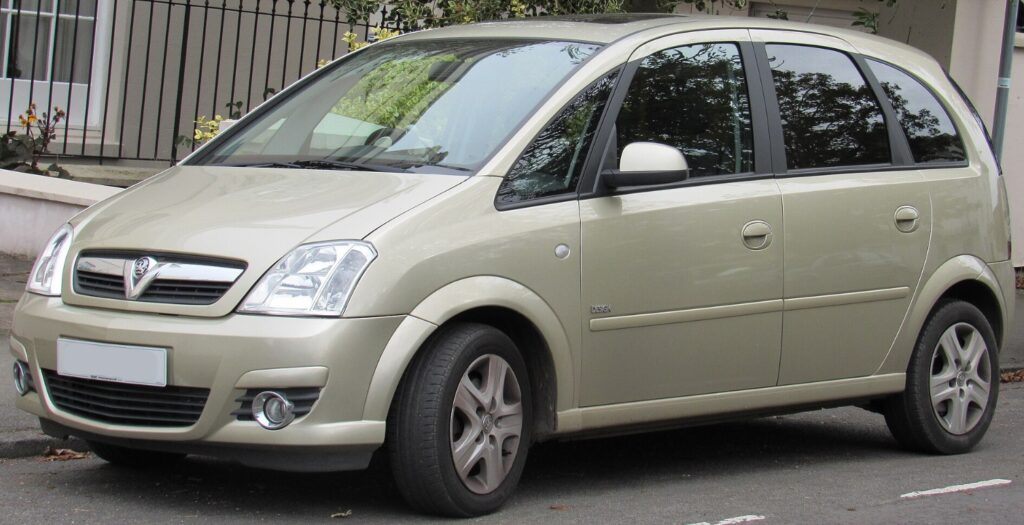
Seeing Vauxhall Meriva Code 24 appear on the dashboard can feel more dramatic than it really is. A number flashes on the display, there is no obvious explanation beside it, and our minds immediately wander toward expensive electronics, failed control modules, or a repair bill with too many zeros.
Fortunately, Code 24 is usually one of the simpler Vauxhall Meriva warnings to understand and repair.
On most Vauxhall Meriva B models, Code 24 indicates a fault in the rear number plate lighting system. In many cases, one of the number plate bulbs has failed. However, the warning may also be triggered by corrosion, a loose bulb, damaged wiring, an unsuitable LED replacement, or excessive electrical resistance in the lamp circuit.
The official Meriva owner’s documentation includes the vehicle-message system used to report numbered warnings, while independent repair references consistently associate Code 24 with the number plate light circuit.
The good news? We can often diagnose and solve the problem at home in less time than it takes to finish a cup of coffee.
Content in this publication
- What Does Vauxhall Meriva Code 24 Mean?
- Which Vauxhall Meriva Models Display Code 24?
- Why the Number Plate Lights Matter
- Common Causes of Vauxhall Meriva Code 24
- Symptoms That May Accompany Code 24
- Can We Continue Driving With Code 24?
- How to Diagnose Vauxhall Meriva Code 24
- How to Fix Vauxhall Meriva Code 24
- Does Code 24 Clear Automatically?
- Why Code 24 Remains After Replacing the Bulb
- Can a Diagnostic Scanner Remove Code 24?
- How Much Does It Cost to Fix Vauxhall Meriva Code 24?
- Can Code 24 Cause an MOT Failure?
- Mistakes to Avoid When Fixing Code 24
- How to Prevent Code 24 From Returning
- When Should We Visit a Garage?
- Vauxhall Meriva Code 24 Troubleshooting Checklist
- Is Vauxhall Meriva Code 24 a Serious Problem?
- Conclusion: Solving Vauxhall Meriva Code 24
- Frequently Asked Questions
What Does Vauxhall Meriva Code 24 Mean?
Vauxhall Meriva Code 24 means that the car has detected a problem with the number plate illumination system.
The rear number plate lamps are small, but the vehicle’s electronic monitoring system still keeps an eye on them. When the measured electrical load falls outside the expected range, the car displays Code 24.
The most common explanation is straightforward:
- A number plate bulb has blown.
- A bulb is beginning to fail intermittently.
- The bulb is loose in its holder.
- The metal contacts are dirty or corroded.
- An LED bulb is drawing less current than expected.
- There is damage somewhere in the wiring or connector.
Think of the system like a person checking whether water is flowing through a pipe. It does not necessarily see the bulb itself. Instead, it notices whether the electrical circuit behaves as expected. When the current changes, the car assumes that something is wrong.
That is why Code 24 can sometimes appear even when both number plate lights seem to be working.
Which Vauxhall Meriva Models Display Code 24?
The numbered dashboard-message system is most commonly associated with the second-generation Vauxhall Meriva, generally known as the Meriva B.
This generation was sold in the UK during the 2010s and is recognised by its distinctive rear-hinged back doors. Depending on trim level and model year, messages may appear on the instrument display as a number preceded by the word “Code.”
A first-generation Meriva may communicate lighting faults differently, so owners should always compare the dashboard message with the handbook supplied with their specific vehicle.
Is Code 24 an Engine Fault Code?
No. Code 24 on the dashboard is normally a vehicle information message, not a standard engine diagnostic trouble code.
That distinction matters.
An engine fault stored in the ECU usually follows a format such as:
- P0300
- P0420
- P0171
- U0100
These codes require an OBD diagnostic scanner to retrieve. By contrast, the dashboard may simply display Code 24 to alert us to a lighting problem.
We should therefore avoid assuming that Code 24 means an engine, gearbox, or emissions failure. In this context, it usually points toward the rear number plate lamps.
Why the Number Plate Lights Matter
A number plate lamp looks insignificant beside a headlight or brake light. Still, it performs an important job: making the registration plate readable in darkness.
In the UK, a rear registration plate must be properly illuminated when the vehicle’s lights are in use. A failed lamp could therefore create problems during an MOT inspection or attract attention during a roadside check.
There is also a practical safety angle. A functioning number plate light helps other road users, cameras, police officers, and emergency services identify the vehicle clearly at night.
So Code 24 may not signal a mechanical emergency, but it should not be ignored indefinitely.
Common Causes of Vauxhall Meriva Code 24
Although a blown bulb is the headline suspect, it is not the only possibility. Diagnosing the warning becomes easier when we understand the full list of likely causes.
1. A Blown Number Plate Bulb
This is the most common cause.
Traditional filament bulbs gradually weaken as they age. Road vibration, repeated heating and cooling, and moisture exposure all take their toll. Eventually, the filament breaks and the bulb stops illuminating.
Sometimes the failure is obvious. One lamp is dark while the other continues working. At other times, the filament makes intermittent contact, causing the warning to appear only occasionally.
2. A Loose Bulb
A bulb does not have to be completely burnt out to trigger Code 24. If it sits loosely in the holder, vibration from the tailgate or rough roads may interrupt the circuit.
The bulb may work when the vehicle is parked but lose contact while driving. This can make the problem seem almost supernatural: the warning appears, we inspect the lights, and both are glowing normally.
There is usually no ghost in the wiring. It is simply an inconsistent connection.
3. Corroded or Dirty Contacts
The number plate lamps live in a difficult environment. They are exposed to:
- Rainwater
- Road salt
- Dirt
- Condensation
- Car-wash chemicals
- Temperature changes
Moisture can enter the lamp housing and attack the metal contacts. A layer of green or white corrosion increases resistance, weakening the electrical connection.
Even when the bulb lights up, the vehicle may detect an abnormal current and display Code 24.
4. An Incompatible LED Bulb
Many owners replace conventional number plate bulbs with LEDs because they provide a whiter appearance and may last longer. However, LEDs draw less current than standard filament bulbs.
The Meriva’s bulb-monitoring system may interpret that lower electrical load as a failed lamp.
As a result, Code 24 may appear immediately after an LED conversion even though both lights work perfectly.
Why “CAN bus Compatible” LEDs Still Cause Problems
Some LED products are advertised as error-free or CAN bus compatible. These bulbs contain resistors intended to imitate the electrical load of a conventional bulb.
However, product quality varies. A bulb may still:
- Draw too little current.
- Work intermittently.
- Overheat internally.
- Trigger the warning after several minutes.
- Operate correctly on one vehicle but not another.
For the simplest and most dependable repair, fitting a conventional bulb of the correct specification is often the safest route.
5. A Damaged Lamp Holder
Plastic bulb holders can become brittle with age. The metal terminals may also weaken, bend, or lose tension.
When that happens, the bulb may not sit firmly enough to maintain reliable contact. We might replace the bulb repeatedly without fixing the underlying issue because the true problem lies in the holder.
6. Damaged Wiring Near the Tailgate
The number plate lamps are mounted in or around the tailgate. Their wiring must pass through areas that move every time the boot is opened.
Over thousands of opening and closing cycles, wires may bend, stretch, or rub against surrounding materials. Eventually, a conductor can break inside its insulation.
A damaged wire may produce intermittent symptoms:
- Code 24 appears when the boot is opened.
- The lights flicker when the tailgate moves.
- The warning disappears after slamming the boot.
- Both lamps fail simultaneously.
- Other tailgate electrical features behave strangely.
7. Water Inside the Lamp Housing
Condensation or visible droplets inside the lamp lens suggest that the housing is no longer sealed correctly.
Water can shorten bulb life, corrode terminals, and create unstable resistance. Replacing the bulb alone may provide only temporary relief if moisture continues entering the assembly.
8. A Connector or Ground Problem
The rear lighting system relies on connectors and earth points to complete the circuit. A loose plug, damaged pin, or poor ground can prevent the number plate lights from receiving stable voltage.
This cause is less common than a failed bulb, but it becomes more likely when:
- Both bulbs are new.
- Both lamps remain dark.
- The holders appear clean.
- A fuse repeatedly fails.
- Other rear electrical functions are affected.
Symptoms That May Accompany Code 24
The dashboard warning is the main symptom, but several other clues may help us identify the source.
We may notice:
- One number plate light is not working.
- Both number plate lights are dark.
- A light flickers when tapped.
- The warning comes and goes.
- Code 24 appears after fitting LED bulbs.
- The lamp works but looks dimmer than the other one.
- There is condensation inside the lens.
- Corrosion is visible on the contacts.
- The warning appears when the tailgate moves.
- The replacement bulb fails unusually quickly.
A careful visual inspection can often tell us more than an expensive diagnostic tool.
Can We Continue Driving With Code 24?
In most cases, the vehicle can still be driven because Code 24 does not normally indicate an engine, braking, steering, or transmission fault.
However, continuing to drive at night with failed number plate illumination may create a legal or inspection issue. It also means the car has identified an electrical fault that deserves attention.
The sensible approach is:
- Confirm that Code 24 is the only warning displayed.
- Check both number plate lamps.
- Replace or repair the failed component promptly.
- Seek professional help if the warning remains after basic checks.
If Code 24 appears alongside battery warnings, burning smells, repeated fuse failures, or several electrical malfunctions, we should stop treating it as a simple bulb problem and arrange a fuller electrical inspection.
How to Diagnose Vauxhall Meriva Code 24
We do not need to begin by dismantling half the tailgate. A calm, structured diagnosis saves time and prevents unnecessary parts replacement.
Step 1: Switch On the Exterior Lights
Turn on the sidelights or headlights so the number plate lamps should illuminate.
Walk to the rear of the car and inspect both lights.
Check whether:
- Both are illuminated.
- One is completely dark.
- One is dimmer.
- Either lamp flickers.
- The light colour differs significantly.
- Moisture is visible inside the lens.
Do not rely on daylight alone. Cup a hand around each lamp or move the vehicle into a shaded area to see the light clearly.
Step 2: Tap the Lamp Housing Gently
A gentle tap can expose a loose filament or poor connection.
If the light flickers, brightens, or goes out, the bulb or holder probably has an intermittent contact problem.
This is not a permanent repair. It is simply a diagnostic clue.
Step 3: Inspect the Bulb
Turn off the ignition and exterior lights before removing the lamp.
Depending on the exact Meriva version, the number plate lamp lens or housing may be released with a small screwdriver or suitable trim tool. Work carefully because aged plastic can crack.
Remove the bulb and inspect it for:
- A broken filament
- Blackening inside the glass
- Melted metal ends
- Corrosion
- Loose fit
- Signs of overheating
A bulb may look intact yet fail under vibration, so visual inspection alone is not always conclusive.
Step 4: Swap the Bulbs From Side to Side
When both lamp units use the same bulb type, swapping them can help isolate the fault.
For example:
- If the failure moves to the other side, the bulb is faulty.
- If the same side still fails, the holder, wiring, or connector may be responsible.
- If Code 24 disappears, reseating the bulb may have restored contact.
This simple test costs nothing and can prevent us from chasing the wrong part.
Step 5: Examine the Contacts
Look inside the bulb holder for discolouration, rust, green deposits, or bent terminals.
Light surface contamination may be removed with a suitable electrical contact cleaner and a soft brush. Allow the holder to dry before reinstalling the bulb.
Avoid using excessive force or scraping aggressively. Thin metal contacts can bend or break surprisingly easily.
Step 6: Check for Moisture
If there is water inside the lamp, inspect the lens, seal, and surrounding trim.
A cracked lens or damaged gasket may require replacement. Drying the holder without correcting the leak is like mopping the floor while leaving the tap running.
Step 7: Reconsider Any LED Conversion
When Code 24 starts after fitting LED bulbs, reinstall the original-style filament bulbs as a test.
If the warning disappears, the LEDs are incompatible with the monitoring system or have developed an internal fault.
Step 8: Inspect the Tailgate Wiring
When both lights fail or the fault reacts to tailgate movement, inspect the visible wiring loom near the hinges and rubber protective boots.
Look for:
- Cracked insulation
- Pinched wires
- Previous repairs
- Loose connectors
- Water contamination
- Wires stretched tightly
Internal breaks are not always visible, so a multimeter continuity test may be required.
Step 9: Check Relevant Fuses
If both number plate lamps are completely dead, consult the owner’s handbook for the correct fuse location and circuit assignment.
Never install a higher-rated fuse to stop it from blowing. A fuse is a guard at the gate, not an inconvenience to bypass.
A replacement fuse that blows again usually indicates a short circuit requiring proper diagnosis.
How to Fix Vauxhall Meriva Code 24
Once we have identified the likely cause, the repair is usually straightforward.
Replacing the Number Plate Bulb
The general process is:
- Park safely and switch off the ignition.
- Turn off all exterior lighting.
- Allow the lamp to cool.
- Release the lens or lamp housing carefully.
- Remove the old bulb.
- Inspect and clean the contacts.
- Fit a correct replacement bulb.
- Reinstall the housing securely.
- Switch on the lights and test both lamps.
- Start the vehicle and check whether Code 24 returns.
The precise removal procedure and bulb specification may vary by year and lamp assembly. We should confirm the correct bulb in the owner’s manual, from the existing bulb marking, or through a reputable parts catalogue using the registration number.
Should We Replace Both Bulbs Together?
Replacing both number plate bulbs at the same time is often sensible.
They have usually operated for a similar number of hours and endured the same environmental conditions. If one has failed from age, the second may not be far behind.
A matched pair also provides consistent brightness and colour.
Cleaning the Bulb Holder
When corrosion is mild:
- Disconnect the bulb.
- Use electrical contact cleaner.
- Remove loose deposits gently.
- Let the holder dry completely.
- Check that the terminals grip the bulb firmly.
- Apply an appropriate protective treatment only if recommended for automotive electrical contacts.
Do not pack the holder with grease or spray random household products into the assembly. Some substances attract dirt, damage plastic, or reduce electrical contact.
Replacing a Damaged Lamp Unit
A cracked, waterlogged, melted, or heavily corroded lamp unit should usually be replaced rather than repeatedly repaired.
A new assembly can resolve several problems at once:
- Weak bulb retention
- Damaged contacts
- Water ingress
- Cracked plastic
- Poor sealing
- Intermittent illumination
Repairing Broken Wiring
Wiring repairs require more care.
A durable automotive repair should use:
- Correctly sized cable
- Secure crimping or soldering methods
- Heat-shrink insulation
- Proper strain relief
- Protection from moisture and movement
Twisting wires together and wrapping them with ordinary household tape may work briefly, but vibration and dampness will often bring the problem back.
If we are not confident working with vehicle electrics, this is the point where an auto electrician becomes the wisest option.
Does Code 24 Clear Automatically?
Code 24 will often disappear once the lighting circuit operates normally again.
After replacing the bulb:
- Confirm both lamps illuminate.
- Switch the ignition off.
- Wait briefly.
- Restart the car.
- Turn the exterior lights on.
- Check the display.
There is not usually a complicated manual reset procedure for a straightforward bulb warning.
However, the system may perform its check only under certain conditions, such as when the ignition is switched on or the exterior lights are activated. We may therefore need to cycle the lights and ignition before the message disappears.
Why Code 24 Remains After Replacing the Bulb
This is where a tiny problem can become annoyingly stubborn.
If the bulb has been replaced but Code 24 remains, consider the following explanations.
The New Bulb Is Faulty
New does not always mean functional. Manufacturing defects, shipping damage, or poor-quality construction can result in a bulb failing straight out of the package.
Test it visually or with a multimeter.
The Wrong Bulb Was Installed
A bulb may fit physically while having an unsuitable wattage or electrical resistance.
The lamp may illuminate, yet the monitoring system still detects an unexpected load. Compare the new bulb’s markings with the original specification.
The Contacts Are Corroded
Replacing the bulb does not repair a dirty socket. If corrosion is increasing resistance, Code 24 may remain even though the lamp appears to work.
The Bulb Is Not Seated Properly
Remove the bulb and refit it firmly. Check whether the holder’s contacts have spread apart or lost tension.
An LED Bulb Is Triggering the Warning
Low-current LEDs are a frequent reason for bulb warnings after an apparent upgrade. Return to standard bulbs to confirm the diagnosis.
The Second Bulb Is Also Weak
We may replace the visibly failed lamp while overlooking the other bulb. A tired filament, poor terminal, or intermittent connection on the opposite side can still trigger Code 24.
There Is a Wiring Fault
When both lamps are known to be good, use a multimeter to check supply voltage, ground continuity, and wiring integrity.
The Control System Needs Further Diagnosis
A body control module fault is possible, but it is considerably less common than bulbs, holders, connectors, or wiring.
We should not leap straight to blaming an expensive module before testing the simple components. That would be like replacing the entire kitchen because one light bulb stopped working.
Can a Diagnostic Scanner Remove Code 24?
A scanner may help when there are stored body-control faults, but it is not normally required to clear a simple Code 24 message.
The warning is likely to return if the electrical problem remains. Erasing a code without repairing the circuit is merely silencing the messenger.
A capable diagnostic scanner becomes more useful when:
- The lights work but the warning persists.
- Several lighting codes appear together.
- The vehicle has communication faults.
- Wiring tests show no obvious problem.
- A body control module issue is suspected.
- Previous repairs have altered the electrical system.
Basic engine-code readers may not access the relevant body-control data. A garage may need a more advanced scan tool compatible with Vauxhall systems.
How Much Does It Cost to Fix Vauxhall Meriva Code 24?
The cost depends entirely on the cause, but this is usually an inexpensive warning to resolve.
A basic repair may involve only:
- One or two replacement bulbs
- Electrical contact cleaner
- A replacement lamp lens or holder
- A small wiring repair
Professional costs rise when diagnosis is required, especially if the workshop must remove trim, trace intermittent wiring, or investigate the body control module.
Still, we should begin with the bulbs. They are the cheapest, easiest, and most likely culprits.
Can Code 24 Cause an MOT Failure?
A defective rear number plate lamp may cause problems during an MOT because the registration plate must be appropriately illuminated.
The exact outcome can depend on the condition of the lighting system and current inspection rules, but arriving at a test with a known failed lamp is an unnecessary gamble.
Before an MOT, check:
- Both number plate bulbs
- Brake lights
- Rear lights
- Indicators
- Reversing lights
- Fog lights
- Headlights
- Sidelights
A two-minute lighting check can prevent an irritating failure and a return visit.
Mistakes to Avoid When Fixing Code 24
The repair is simple, but a few common mistakes can turn it into a longer job.
Installing Random LEDs
Bright white LEDs may look modern, but incompatible products can create warning messages, flickering, overheating, or poor light distribution.
Ignoring Moisture
Repeated bulb failure usually has a cause. Water inside the lamp needs to be addressed, not merely dried temporarily.
Forcing the Lens Out
Plastic becomes brittle as it ages. Use the proper release point and a suitable tool rather than levering aggressively.
Touching a Hot Bulb
Exterior bulbs can become hot. Allow them to cool before removal.
Fitting a Higher-Wattage Bulb
A higher-wattage bulb may produce more heat than the holder or lens was designed to tolerate. This can melt plastic and damage wiring.
Replacing a Fuse With a Higher Rating
This removes critical circuit protection and may create a fire risk.
Assuming the Code Is an Engine Failure
Code 24 should not be confused with an OBD trouble code. Begin by inspecting the number plate lighting, not the engine bay.
How to Prevent Code 24 From Returning
We cannot make bulbs immortal, but a little preventive care helps the system remain reliable.
Use Good-Quality Replacement Bulbs
Cheap bulbs may have fragile filaments, inconsistent dimensions, or poor-quality metal contacts. A reputable bulb often lasts longer and fits more securely.
Keep the Lamp Housing Sealed
Replace cracked lenses and damaged seals promptly. Water and electrical connections are rarely happy neighbours.
Inspect the Lights Regularly
A quick check every few weeks helps us catch a weak or failed lamp before a dashboard warning, MOT test, or nighttime journey.
Avoid Pressure-Washing the Lamp Directly
High-pressure water can force moisture past tired seals. Keep the nozzle at a sensible distance and avoid concentrating the spray around the number plate lamp housings.
Use Compatible LEDs Only
When choosing LEDs, use products specifically designed to work with monitored automotive lighting circuits. Even then, verify that they do not produce dashboard warnings or excessive heat.
Treat Intermittent Warnings Seriously
An occasional Code 24 is often an early warning of a loose filament, poor contact, or damaged wire. Repairing it early is easier than waiting for complete failure.
When Should We Visit a Garage?
A bulb replacement is within reach of many owners, but professional help is sensible when:
- Both lamps remain dark with good bulbs installed.
- Code 24 returns repeatedly.
- A fuse keeps blowing.
- Wiring damage is visible.
- The tailgate wiring loom is difficult to access.
- Several rear electrical systems are malfunctioning.
- There is a burning smell or melted plastic.
- The owner is uncomfortable using a multimeter.
- Advanced body-control diagnosis is required.
An auto electrician is often the best specialist for intermittent lamp circuits and tailgate wiring faults.
Vauxhall Meriva Code 24 Troubleshooting Checklist
Use this structured sequence to avoid replacing unnecessary parts:
- Turn on the sidelights.
- Check both number plate lamps.
- Look for dimming, flickering, and condensation.
- Remove and inspect both bulbs.
- Replace failed bulbs with the correct specification.
- Clean corrosion from the holders.
- Confirm the bulbs fit securely.
- Replace incompatible LEDs with standard bulbs.
- Inspect the lamp housings for cracks or water.
- Check connectors and visible tailgate wiring.
- Consult the handbook before checking fuses.
- Test voltage and continuity if the warning remains.
- Seek professional electrical diagnosis when necessary.
Is Vauxhall Meriva Code 24 a Serious Problem?
Mechanically, Code 24 is usually not serious. It should not normally affect engine performance, gearbox operation, steering, braking, or the vehicle’s ability to start.
Legally and practically, however, the fault still matters.
A number plate must remain visible at night, and an electrical problem that starts small may worsen if corrosion or damaged wiring is involved.
The best way to view Code 24 is as a polite tap on the shoulder rather than a fire alarm. The car is not usually telling us to panic. It is asking us to inspect a small lighting circuit before the issue becomes more inconvenient.
Conclusion: Solving Vauxhall Meriva Code 24
Vauxhall Meriva Code 24 normally points to a fault with the rear number plate lighting system. A blown bulb is the most likely cause, but we should also consider loose contacts, corrosion, moisture, unsuitable LED bulbs, damaged holders, and broken tailgate wiring.
Begin with the simplest checks. Turn on the lights, inspect both lamps, replace the bulbs with the correct type, and clean the contacts. In many cases, the warning clears automatically after the circuit begins working normally again.
When Code 24 persists despite good bulbs and clean holders, the problem may lie deeper in the connector or wiring loom. At that stage, systematic voltage and continuity testing—or help from an auto electrician—will reveal more than repeatedly buying bulbs.
Ultimately, Code 24 is usually one of the more affordable dashboard messages a Meriva owner can encounter. Treat it promptly, diagnose it logically, and there is a strong chance the fix will be refreshingly simple.
Frequently Asked Questions
1. What does Code 24 mean on a Vauxhall Meriva?
Code 24 normally means the vehicle has detected a problem with the rear number plate light circuit. The usual cause is a failed bulb, although loose contacts, corrosion, LEDs, or damaged wiring can also trigger it.
2. How do we clear Code 24 on a Vauxhall Meriva?
Repair the number plate lighting fault, confirm that both lamps work, and cycle the ignition and exterior lights. The message will usually disappear automatically once the car detects the correct electrical load.
3. Why is Code 24 showing when both number plate lights work?
A bulb may have an intermittent filament, poor contact, corrosion, or abnormal resistance. LED bulbs can also illuminate normally while drawing too little current for the monitoring system.
4. Can we drive with Vauxhall Meriva Code 24?
The vehicle will normally remain mechanically safe to drive, but failed number plate illumination can create a legal or MOT issue. The fault should therefore be repaired promptly, especially before driving at night.
5. Does Vauxhall Meriva Code 24 require a diagnostic scanner?
Usually not. Most cases can be resolved by checking the bulbs, holders, and wiring. A professional scanner may be useful when the lights work correctly but the warning persists or several electrical faults appear together.
If you want to know other articles similar to Vauxhall Meriva Code 24: Meaning, Causes, and Easy Fixes you can visit the category Service and Parts.
Vauxhall Mokka Tyre Pressure Reset: Complete Guide

How to Reset the Tire Pressure System on Your Hyundai Tucson

Hyundai Kona Tire Pressure: Complete PSI Guide

Vauxhall Corsa Timing Belt Replacement Cost UK 2026

Mazda CX-5 Tire Size Chart: 2013–2026 Guide

How to Reset a Honda Civic: Complete Step-by-Step Guide
Leave a Reply
More content of your interest