
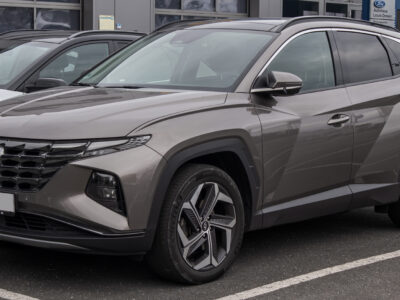
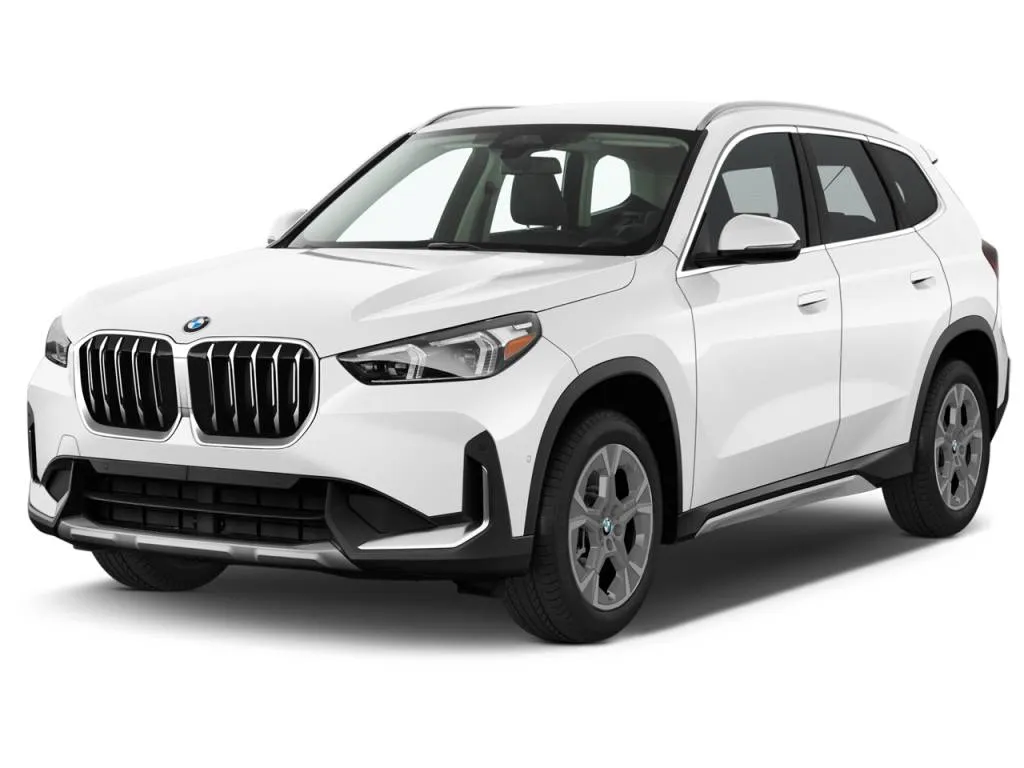
BMW X1 Engine Size: Everything We Need to Know Before We Hit the Road

Content in this publication
- Why Engine Size Still Matters in Today’s Compact SUVs
- Understanding Engine Size: The Basics We Shouldn’t Skip
- BMW X1 Engine Size by Generation
- First Generation (E84): Where It All Began
- Second Generation (F48): Downsizing Begins
- Third Generation (U11): The Modern Era
- Comparing Engine Sizes: What Feels Different Behind the Wheel?
- Turbocharging: The Game Changer
- Fuel Economy vs Performance: Finding Our Sweet Spot
- Hybrid Power: The Best of Both Worlds?
- How Engine Size Affects Running Costs
- Driving Style: The Hidden Factor
- Is Bigger Always Better? Let’s Challenge That Idea
- BMW X1 Engine Size and Market Trends
- Choosing the Right Engine Size for Our Lifestyle
- Future of Engine Sizes in the BMW X1
- Closing Thoughts: What Really Matters
- FAQs About BMW X1 Engine Size
Why Engine Size Still Matters in Today’s Compact SUVs
When we talk about cars like the BMW X1, engine size might sound like an old-school metric—something our parents obsessed over. But here’s the twist: it still matters. A lot.
Engine size influences everything—performance, fuel economy, insurance costs, and even how the car feels when we press the accelerator. It’s like the heart of the vehicle. Bigger doesn’t always mean better, but smaller doesn’t always mean efficient either.
So, let’s unpack the real story behind BMW X1 engine sizes and what they actually mean for us as drivers.
Understanding Engine Size: The Basics We Shouldn’t Skip
What Does Engine Size Actually Mean?
Engine size, often measured in liters (L), refers to the total volume of all the cylinders inside the engine. Think of it like lung capacity—how much air (and fuel) the engine can process at once.
- 1.5L engine = smaller, more efficient, less powerful
- 2.0L engine = more power, often turbocharged, slightly higher fuel consumption
Why BMW Doesn’t Rely on Size Alone
Modern engines, especially those from BMW, rely heavily on turbocharging. That means even a smaller engine can punch above its weight.
So instead of asking “how big is the engine?”, we should be asking:
- How is it engineered?
- Is it turbocharged?
- What’s the horsepower output?
BMW X1 Engine Size by Generation
First Generation (E84): Where It All Began
Engine Options Overview
The first-gen X1 (2009–2015) came with a variety of engines:
Petrol Engines
- 2.0L inline-4
- 3.0L inline-6 (in higher trims)
Diesel Engines
- 2.0L diesel variants (very popular in Europe)
What Stood Out?
This generation leaned toward larger engines, especially with the 3.0L option. It felt more like a traditional BMW—rear-wheel drive dynamics and strong engine presence.
Second Generation (F48): Downsizing Begins


7
Engine Sizes Introduced
1.5L 3-Cylinder Turbo
- Entry-level engine
- Surprisingly efficient and smooth
2.0L 4-Cylinder Turbo
- More power-focused
- Available in both petrol and diesel
Plug-in Hybrid (xDrive25e)
- Combines a 1.5L engine with an electric motor
Why the Shift?
BMW moved to smaller engines for:
- Better fuel economy
- Lower emissions
- Compliance with stricter regulations
And honestly? Most drivers didn’t feel like they were losing much.
Third Generation (U11): The Modern Era


Current Engine Lineup
1.5L Turbocharged Engine
- Still the base option
- Refined, efficient, city-friendly
2.0L Turbocharged Engine
- Balanced performance
- Ideal for highway and spirited driving
Plug-in Hybrid Variants
- Enhanced electric range
- Combines efficiency with power
Fully Electric Option
- The BMW iX1 removes engine size from the equation entirely
The Big Picture
We’re seeing a clear evolution:
- From big engines → to smart engines → to electrification
Comparing Engine Sizes: What Feels Different Behind the Wheel?
1.5L vs 2.0L: The Real-World Experience
Let’s break it down in a way we actually feel:
1.5L Engine
- Smooth in city traffic
- Lower fuel consumption
- Slight delay when overtaking
2.0L Engine
- Strong acceleration
- Better for long drives
- More engaging driving experience
Quick Comparison Table
| Feature | 1.5L Engine | 2.0L Engine |
|---|---|---|
| Power | Moderate | High |
| Fuel Economy | Excellent | Good |
| Driving Feel | Relaxed | Sporty |
| Ideal Use | City driving | Mixed driving |
Turbocharging: The Game Changer
Why Smaller Engines Feel Bigger
Turbochargers compress air into the engine, allowing more fuel to burn and produce more power.
In simple terms:
A 1.5L turbo can feel like a 2.0L naturally aspirated engine.
That’s why BMW can reduce engine size without sacrificing performance.
Fuel Economy vs Performance: Finding Our Sweet Spot
What Do We Really Need?
Ask yourself:
- Do we mostly drive in the city?
- Do we love quick acceleration?
- Are we trying to save fuel?
Our Take
- Go 1.5L if efficiency is king
- Choose 2.0L if driving pleasure matters
Hybrid Power: The Best of Both Worlds?
How Hybrid Engine Size Works
In plug-in hybrids:
- The engine is usually smaller (1.5L)
- The electric motor adds extra power
Why It Feels Different
- Instant torque from the electric motor
- Silent driving in electric mode
- Lower fuel consumption
How Engine Size Affects Running Costs
Fuel Costs
Smaller engines = less fuel consumption
Insurance
Generally:
- Smaller engines = lower premiums
Maintenance
- Turbo engines require proper care
- Hybrid systems may cost more long-term
Even the best engine size won’t matter if:
- We drive aggressively all the time
- We ignore maintenance
A 1.5L engine driven hard can consume more fuel than a gently driven 2.0L.
Is Bigger Always Better? Let’s Challenge That Idea
Not really.
Modern engineering has flipped the script:
- Smaller engines can outperform older larger ones
- Efficiency is now just as important as power
BMW X1 Engine Size and Market Trends
Why Downsizing Is Here to Stay
Global trends push manufacturers toward:
- Lower emissions
- Hybridization
- Electrification
BMW is simply adapting—and doing it well.
Choosing the Right Engine Size for Our Lifestyle
City Drivers
- 1.5L is more than enough
Highway Drivers
- 2.0L offers better comfort and power
Eco-Conscious Drivers
- Hybrid or electric options
Future of Engine Sizes in the BMW X1
We’re heading toward:
- Smaller engines
- More electrification
- Eventually, fully electric lineups
The internal combustion engine isn’t gone—but it’s evolving fast.
Closing Thoughts: What Really Matters
At the end of the day, engine size is just one piece of the puzzle.
The BMW X1 proves that:
- Smaller can still be powerful
- Efficiency doesn’t mean boring
- Technology changes everything
So instead of chasing numbers, we should focus on how the car feels in our daily lives. That’s where the real magic happens.
FAQs About BMW X1 Engine Size
1. What is the most common engine size in the BMW X1?
The most common options are 1.5L and 2.0L turbocharged engines.
2. Is the 1.5L engine powerful enough?
Yes, especially for city driving and daily commuting.
3. Does a bigger engine mean better performance?
Generally yes, but turbocharging narrows the gap significantly.
4. Are hybrid BMW X1 models worth it?
They offer excellent efficiency and smooth driving, especially in urban environments.
5. Is the BMW X1 moving toward electric only?
Not fully yet, but models like the BMW iX1 show the direction BMW is heading.
If you want to know other articles similar to BMW X1 Engine Size: Everything We Need to Know Before We Hit the Road you can visit the category Service and Parts.
How to Reset the Tire Pressure System on Your Hyundai Tucson
Hyundai Kona Tire Pressure: Complete PSI Guide
Vauxhall Corsa Timing Belt Replacement Cost UK 2026
Mazda CX-5 Tire Size Chart: 2013–2026 Guide
How to Reset a Honda Civic: Complete Step-by-Step Guide
Best Engine Oil for Hyundai Tucson: Complete Guide
Leave a Reply
More content of your interest