

Can BMW 3 Series Use Regular Gas? The Complete Guide for Owners and Buyers

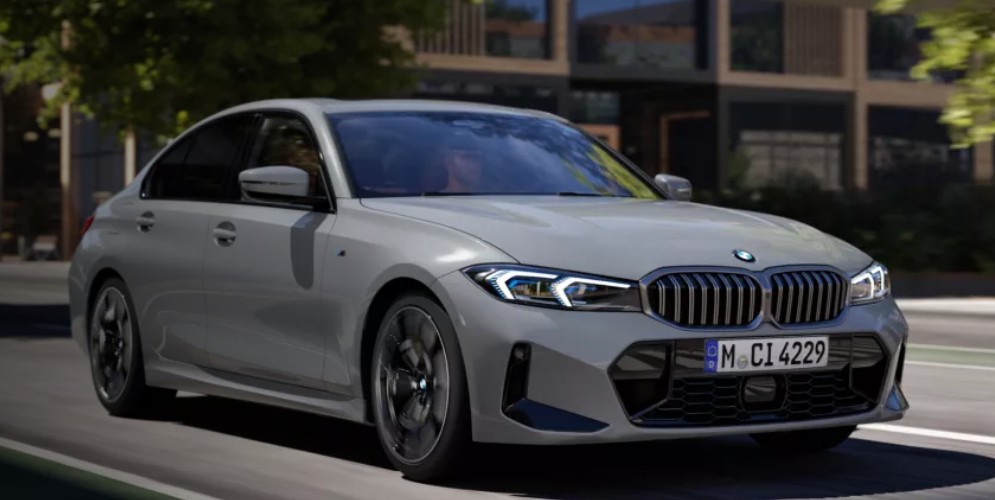
When we buy a BMW 3 Series, one of the first questions that comes to mind is surprisingly simple: Can a BMW 3 Series use regular gas? After all, fuel costs add up quickly, and choosing between regular and premium gasoline can make a noticeable difference over time.
The short answer is yes—most BMW 3 Series models can physically run on regular gasoline. However, that doesn't necessarily mean they should. BMW engineers design these vehicles with performance, efficiency, and longevity in mind, and the recommended fuel grade plays a significant role in achieving those goals.
In this comprehensive guide, we'll explore how fuel octane works, whether using regular gas harms your BMW, which 3 Series models are most sensitive to fuel quality, and how you can make the smartest fueling decisions for your vehicle.
Content in this publication
- Understanding BMW's Fuel Requirements
- What Is Regular Gas?
- What Is Premium Gas?
- Why Does Octane Matter?
- Can a BMW 3 Series Run on Regular Gas?
- What Happens When You Put Regular Gas in a BMW 3 Series?
- BMW's Official Fuel Recommendations
- Which BMW 3 Series Models Require Premium Most?
- How Turbochargers Change the Equation
- Can Regular Gas Damage a BMW 3 Series?
- Will Fuel Economy Change?
- Calculating the Real Cost Difference
- What About BMW M Performance Models?
- How Knock Sensors Protect Your Engine
- Is Premium Gas Worth It?
- Common Myths About BMW Fuel Requirements
- How to Check the Correct Fuel for Your BMW
- Best Practices for BMW 3 Series Owners
- Should You Switch Between Premium and Regular Gas?
- The Future of BMW Engines and Fuel Requirements
- Conclusion
- Frequently Asked Questions
Understanding BMW's Fuel Requirements
Before deciding whether regular gasoline is acceptable, we need to understand why BMW recommends premium fuel in the first place.
Modern BMW engines are engineered with:
- High compression ratios
- Turbochargers
- Advanced ignition timing
- Precise fuel injection systems
These technologies help create the balance of power and efficiency that BMW is famous for. However, they also make engines more dependent on higher-octane fuel.
Premium gasoline allows the engine to operate exactly as intended, maximizing performance while minimizing unwanted combustion events.
Think of premium fuel as giving the engine the environment it was designed for, much like running a professional athlete on a balanced diet rather than fast food.
What Is Regular Gas?
Regular gasoline typically has an octane rating of:
87 Octane in the United States
This is the most common fuel available at gas stations and usually costs less than mid-grade or premium fuel.
Regular gas is suitable for many vehicles because their engines are specifically engineered to operate efficiently at lower octane levels.
The challenge arises when an engine is designed for higher octane fuel but receives lower-octane gasoline instead.
Premium gasoline generally carries an octane rating of:
91 to 93 Octane
BMW typically recommends premium fuel because it resists premature combustion more effectively.
This resistance is important in turbocharged and high-performance engines where cylinder pressures become significantly higher.
Premium fuel does not contain more energy than regular gas. Instead, it simply allows the engine to utilize its performance potential safely and efficiently.
Why Does Octane Matter?
Octane is often misunderstood.
Many people assume higher octane equals more power automatically. That's not entirely true.
How Octane Works
Octane measures a fuel's resistance to engine knock.
Engine knock occurs when fuel ignites before the spark plug fires.
When this happens:
- Combustion becomes uncontrolled
- Power decreases
- Efficiency suffers
- Engine components experience additional stress
Modern BMW engines are optimized for high-octane fuel because it prevents these issues under demanding conditions.
Can a BMW 3 Series Run on Regular Gas?
The technical answer is yes.
Most modern BMW 3 Series models can operate on regular gasoline thanks to sophisticated engine management systems.
However, the engine control unit will often adjust:
- Ignition timing
- Boost pressure
- Fuel delivery
These adjustments help protect the engine from damage.
As a result, drivers may notice:
- Reduced acceleration
- Less responsiveness
- Lower fuel economy
- Decreased overall performance
In other words, the vehicle survives on regular fuel but does not thrive on it.
What Happens When You Put Regular Gas in a BMW 3 Series?
Many owners accidentally use regular gasoline at least once.
Fortunately, a single tank of regular gas is rarely a disaster.
Immediate Effects
You may notice:
- Slightly slower acceleration
- Less turbocharger response
- Reduced throttle sensitivity
In many cases, the differences are subtle during everyday commuting.
Long-Term Effects
Repeated use of regular fuel may result in:
- Increased carbon deposits
- Reduced efficiency
- Lower engine performance
- Potentially greater engine stress over time
While modern electronics compensate remarkably well, they cannot completely eliminate the disadvantages of lower-octane fuel.
BMW's Official Fuel Recommendations
BMW owner's manuals consistently recommend premium gasoline for most 3 Series models.
The exact recommendation varies depending on:
- Model year
- Engine type
- Market region
Generally speaking, BMW engineers expect owners to use premium fuel whenever possible.
Following the manufacturer's recommendation is usually the safest and most economical long-term strategy.
Not all BMW 3 Series vehicles react the same way to regular fuel.
Older Naturally Aspirated Models
Examples include:
- 325i
- 328i
- 330i (earlier generations)
These vehicles may tolerate regular gasoline slightly better than newer turbocharged models.
However, premium fuel still provides optimal performance.
Modern Turbocharged Models
Examples include:
- 320i
- 330i
- 340i
- M340i
Turbocharged engines are significantly more sensitive to fuel octane.
Premium fuel becomes especially important under:
- Heavy acceleration
- High temperatures
- Mountain driving
- Towing situations
How Turbochargers Change the Equation
Turbochargers compress incoming air, allowing more fuel to burn and creating additional power.
While this improves performance, it also increases cylinder pressure.
Higher Pressure Means Higher Risk
Because of these increased pressures:
- Knock becomes more likely
- Premium fuel becomes more valuable
- Engine timing adjustments become more frequent with regular gas
This is one reason why modern BMW engines strongly favor premium gasoline.
Can Regular Gas Damage a BMW 3 Series?
This question causes a great deal of confusion.
The Short Answer
Occasional use of regular gas typically will not damage a modern BMW engine.
The Longer Answer
Continuous use of lower-octane fuel can create conditions that are less than ideal.
Although knock sensors and engine computers protect the engine, they accomplish this by reducing performance and efficiency.
Over many years, consistently ignoring BMW's fuel recommendation may contribute to increased wear compared with using premium fuel regularly.
Will Fuel Economy Change?
Many drivers switch to regular gasoline hoping to save money.
However, the savings are not always as large as expected.
Why MPG Can Drop
When using regular fuel:
- Ignition timing may be retarded
- Combustion efficiency may decrease
- Turbo boost may be reduced
As a result, fuel economy can suffer.
Sometimes the reduced mileage offsets part of the price difference between regular and premium gasoline.
Calculating the Real Cost Difference
Let's consider a simple example.
Imagine:
- Premium costs $0.70 more per gallon
- Your BMW uses 500 gallons annually
Extra annual premium cost:
500 × $0.70 = $350
Now imagine fuel economy decreases by 5% when using regular gas.
That reduced efficiency narrows the savings significantly.
In some cases, premium fuel may actually provide similar overall operating costs while delivering better performance.
What About BMW M Performance Models?
M340i and Similar Models
Performance-oriented BMWs rely heavily on premium fuel.
These vehicles are tuned aggressively and extract substantial power from turbocharged engines.
Using regular gasoline often causes:
- Noticeable power reduction
- Less responsive acceleration
- More conservative engine tuning
Drivers who purchased these models for performance will likely feel the difference immediately.
How Knock Sensors Protect Your Engine
One of the most impressive technologies in modern BMW engines is the knock sensor system.
What Knock Sensors Do
They continuously monitor engine vibrations.
If knock is detected:
- The sensor sends data to the ECU.
- The ECU adjusts ignition timing.
- Engine parameters change instantly.
- Combustion stabilizes.
This process occurs so quickly that many drivers never notice it happening.
These systems are why occasional regular gasoline generally does not destroy modern BMW engines.
The answer depends on your priorities.
- Maximum horsepower
- Better throttle response
- Optimal fuel economy
- Manufacturer-recommended operation
- Long-term peace of mind
Regular Fuel May Be Acceptable If
- You're in an emergency
- Premium is unavailable
- You're driving conservatively
- The use is temporary
For most owners, premium remains the preferred choice.
Common Myths About BMW Fuel Requirements
Premium fuel doesn't contain more energy.
The engine's design determines whether additional power becomes available.
Myth #2: One Tank of Regular Gas Will Ruin the Engine
Modern BMW engines are far more sophisticated than older vehicles.
One tank is generally not harmful.
Cleaning additives vary by fuel brand rather than octane level alone.
Premium does not automatically mean cleaner.
How to Check the Correct Fuel for Your BMW
The best source of information is always your vehicle.
Check:
Fuel Door Label
Most BMWs display recommended fuel grades directly inside the fuel filler door.
Owner's Manual
The owner's manual provides detailed fuel specifications.
Dealer Guidance
BMW dealerships can verify fuel recommendations for specific models and years.
Best Practices for BMW 3 Series Owners
To maximize performance and longevity:
Fueling Checklist
- Use premium fuel whenever possible.
- Avoid mixing fuel grades constantly.
- Purchase fuel from reputable stations.
- Follow maintenance schedules.
- Monitor fuel economy changes.
- Address engine warning lights promptly.
These habits help ensure your BMW performs as intended for years to come.
Occasional switching is generally acceptable.
However, frequent switching can make it difficult to evaluate fuel economy and vehicle performance accurately.
Consistency often produces the best results.
If premium fuel is your regular choice, sticking with it allows the engine management system to operate in its preferred range.
The Future of BMW Engines and Fuel Requirements
BMW continues advancing engine technology through:
- Turbocharging
- Mild hybrid systems
- Improved combustion efficiency
- Electrification
Despite these innovations, premium fuel remains the preferred choice for many modern BMW gasoline-powered vehicles.
As engines become more sophisticated, fuel quality continues to play an important role.
Conclusion
So, can a BMW 3 Series use regular gas?
Yes, most BMW 3 Series models can physically run on regular gasoline thanks to advanced engine management systems and knock sensors. However, BMW designs these vehicles around premium fuel, and using regular gas often results in reduced performance, lower efficiency, and less responsive driving dynamics.
For occasional situations, regular gasoline is usually acceptable. But if we want our BMW 3 Series to deliver the smooth acceleration, refined power, and efficiency that define the brand, premium fuel remains the smartest long-term choice.
Think of it this way: a BMW 3 Series running on premium fuel is like a finely tuned orchestra playing its masterpiece. Regular gas may keep the music going, but some of the magic gets lost along the way.
Frequently Asked Questions
1. Can I put 87 octane gas in a BMW 3 Series?
Yes, most modern BMW 3 Series models can operate on 87-octane fuel, but premium gasoline is generally recommended for optimal performance and efficiency.
2. Will one tank of regular gas damage my BMW?
No. One tank of regular gasoline is unlikely to cause damage because modern BMW engines use knock sensors and electronic safeguards.
In many cases, yes. Premium fuel allows the engine to run as intended, which can help maintain optimal fuel economy.
Turbocharged models such as the 330i, 340i, and M340i benefit the most from premium gasoline.
For drivers seeking maximum performance, efficiency, and long-term engine optimization, premium fuel is usually worth the additional expense.
If you want to know other articles similar to Can BMW 3 Series Use Regular Gas? The Complete Guide for Owners and Buyers you can visit the category Service and Parts.
Volvo S90 Engine Oil: Type, Capacity & Change Guide
Volvo S90 Boot Space: Size, Capacity and Practicality
SEO Title: Volvo S90 Oil Capacity: Complete Guide by Engine

Kia Sorento Oil Type: Complete Guide by Year & Engine
Kia Sorento Engine Capacity: Complete Guide by Year
Peugeot 308 Clutch Replacement Cost: Complete UK Guide for 2026
Leave a Reply
More content of your interest