

Citroen C1 Problems: Common Faults, Fixes, and What We Should Watch For

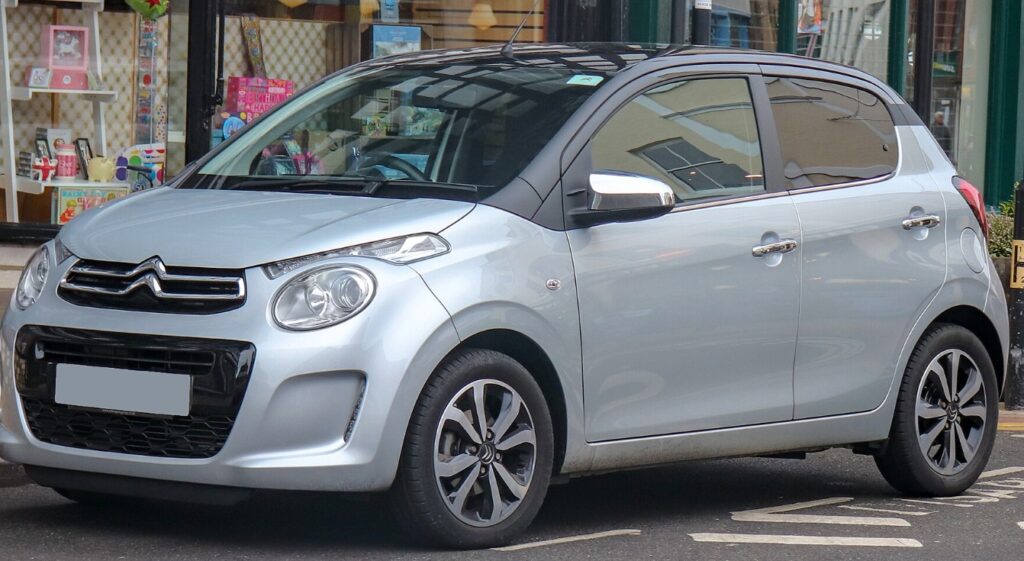
The Citroen C1 is one of those small cars that wins people over before they even think too hard about it. It is compact, cheap to run, easy to park, and surprisingly cheerful for a city car. We see it everywhere because it does exactly what many drivers need: it starts, sips fuel, squeezes into tiny spaces, and keeps ownership costs fairly low.
But let’s be honest. No car is perfect, and the C1 is not a magic little French hatchback immune to age, mileage, weather, careless owners, or the occasional mechanical tantrum. When people search for Citroen C1 problems, they usually want a straight answer: what goes wrong, how serious is it, and should we still buy one?
The good news is that many Citroen C1 faults are predictable. That makes them easier to spot before they become wallet-draining surprises. The C1 shares much of its engineering with the Peugeot 107/108 and Toyota Aygo, which means parts availability is generally decent and many independent mechanics know their way around it.
Still, there are common trouble spots: clutch wear, water leaks, boot damp, dashboard warning lights, worn suspension, exhaust issues, weak batteries, and occasional electrical gremlins. Some problems are small annoyances, like a rattly trim panel. Others, like a slipping clutch or steering-related recall, deserve immediate attention. Citroën’s own safety recall checker and the UK government recall service are useful places to verify whether a specific vehicle has outstanding recall work.
So, let’s roll up our sleeves and look at the real-world issues that matter.
Content in this publication
- Why the Citroen C1 Is Popular Despite Its Problems
- Citroen C1 Clutch Problems
- Citroen C1 Water Leaks
- Citroen C1 Boot Leak Problems
- Citroen C1 Dashboard Warning Lights
- Citroen C1 Starting Problems
- Citroen C1 Gearbox Problems
- Citroen C1 Suspension Problems
- Citroen C1 Brake Problems
- Citroen C1 Exhaust Problems
- Citroen C1 Electrical Problems
- Citroen C1 Air Conditioning Problems
- Citroen C1 Interior Problems
- Citroen C1 Engine Problems
- Citroen C1 Steering Problems and Recalls
- Citroen C1 Bodywork and Paint Problems
- Citroen C1 Tyre and Wheel Problems
- Citroen C1 Fuel Economy Problems
- First-Generation Citroen C1 Problems
- Second-Generation Citroen C1 Problems
- Citroen C1 Problems When Buying Used
- Are Citroen C1 Problems Expensive?
- How Reliable Is the Citroen C1 Overall?
- How to Prevent Citroen C1 Problems
- Should We Buy a Citroen C1 with Known Problems?
- Final Thoughts: Are Citroen C1 Problems a Deal-Breaker?
- FAQs About Citroen C1 Problems
Why the Citroen C1 Is Popular Despite Its Problems
Before we start poking holes in the C1 like a mechanic with a flashlight, we should give it credit. This car became popular because it is simple. And simplicity, in the car world, is often a blessing.
The C1 does not try to be a luxury cruiser. It is not pretending to be a family SUV. It is a city runabout, and that clarity is part of its charm. We get low running costs, small engines, light controls, and a car that feels happiest in traffic, tight streets, supermarket car parks, and short commutes.
That said, simplicity does not mean fault-free. It simply means that when things do go wrong, they are often easier to diagnose.
The Main Citroen C1 Problems at a Glance
Here are the issues we most commonly associate with the Citroen C1:
- Clutch wear or clutch cable problems
- Water leaks into the boot or cabin
- Damp carpets and condensation
- Exhaust corrosion
- Suspension knocking
- Weak battery or starting trouble
- Dashboard warning lights
- Gearbox stiffness
- Worn brakes
- Electrical issues with locks, windows, or lights
- Interior rattles
- Paint and bodywork wear
- Steering-related recall concerns on some cars
- Air conditioning faults
- High-mileage engine wear if neglected
Not every C1 will suffer from these. A well-maintained car can be impressively dependable. But if we are buying used, these are the areas we should check first.
Citroen C1 Clutch Problems
Clutch trouble is probably one of the best-known Citroen C1 problems, especially on older first-generation models. The clutch is light when healthy, but it can become heavy, vague, high-biting, noisy, or difficult to operate as components wear.
Some first-generation C1 models are known for clutch cable problems, including stretching or failure. Later versions moved away from that exact setup, but clutch wear can still appear with mileage and city use.
Common Signs of Clutch Wear
We should pay attention if the car:
- Bites very high on the pedal
- Struggles to pull away smoothly
- Revs rise without matching acceleration
- Judders when moving off
- Makes squeaking or grinding noises
- Feels difficult to select first or reverse gear
- Has a pedal that feels unusually heavy or loose
A worn clutch is not unusual on small city cars. These cars spend their lives stopping, starting, crawling in traffic, reversing into spaces, and dealing with learners. That is clutch punishment, plain and simple.
Is a Citroen C1 Clutch Expensive to Fix?
Compared with larger cars, clutch replacement on a C1 is usually more affordable. But it is still one of the bigger maintenance bills the car can throw at us. The final cost depends on labour rates, parts quality, location, and whether extra components need replacing.
The smart move? During a test drive, we should check the biting point, listen for noise, and try slow manoeuvres. A tired clutch often reveals itself when the car is asked to creep uphill or reverse slowly.
Citroen C1 Water Leaks
Water leaks are another classic Citroen C1 complaint. And honestly, few things are more annoying than getting into a car that smells like an old wet towel.
Leaks can show up in the boot, footwells, rear light area, door seals, or around the tailgate. Some owners notice misted windows long before they find actual puddles. A damp smell is often the first clue.
Where Water Gets In
Common leak points include:
- Rear light seals
- Boot seal
- Tailgate seal
- Door seals
- High-level brake light area
- Rear vents
- Windscreen or scuttle area
- Blocked drainage channels
Older C1s, Peugeot 107s, and Toyota Aygos are often discussed together when it comes to water ingress because of their shared platform. Owner reports frequently mention checking the boot and footwells for damp before buying.
How to Spot Water Leak Damage
We should inspect the car after rain if possible. Lift the boot carpet. Touch the spare wheel well. Check under floor mats. Look for rusty tools, mouldy smells, fogged-up glass, or stained upholstery.
A water leak might sound minor, but if ignored, it can lead to:
- Mould
- Electrical issues
- Rust
- Bad smells
- Wet seatbelts
- Damaged boot trim
- Persistent condensation
Water is sneaky. It enters like a whisper and causes problems like a marching band.
Citroen C1 Boot Leak Problems
The boot deserves its own section because “Citroen C1 leaking boot” is a frequent headache. The issue often comes from the rear light seals or tailgate area. Water can drip down into the spare wheel well and sit there quietly until someone lifts the carpet.
Simple Boot Leak Checks
Before buying a used C1, we should:
- Open the boot.
- Lift the carpet.
- Check the spare wheel well.
- Smell for damp.
- Inspect rear light clusters.
- Look for water trails.
- Check the boot seal for cracks or flattening.
If the boot is freshly cleaned, be suspicious but not paranoid. Some sellers clean cars properly. Others clean evidence.
Can Boot Leaks Be Fixed Easily?
Often, yes. Resealing rear lights, replacing worn seals, clearing drains, or adjusting the tailgate can solve the issue. The repair is not always expensive, but finding the exact entry point can take patience.
Citroen C1 Dashboard Warning Lights
Dashboard lights can make any small car feel suddenly expensive. The Citroen C1 has several warning lights that may appear due to sensors, emissions issues, low battery voltage, ABS faults, or general maintenance needs.
Common Warning Lights on the Citroen C1
We may see:
- Engine management light
- ABS warning light
- Battery warning light
- Oil pressure warning light
- Airbag warning light
- Tyre pressure warning light on later models
- Brake warning light
- Power steering warning light
Some lights are urgent. Some are advisory. But none should be ignored forever.
Engine Management Light
The engine management light can appear for many reasons, including oxygen sensor faults, misfires, catalytic converter problems, loose connections, or emissions-related issues.
A diagnostic scan is the best first step. Guessing is how we turn a small bill into a large one.
ABS Warning Light
An ABS light may point to a wheel speed sensor, wiring issue, or ABS module fault. The brakes may still work normally, but the anti-lock function may not. That matters during emergency braking.
Citroen C1 Starting Problems
A C1 that will not start can be frustrating, especially because this car is supposed to be the dependable little runabout we grab without thinking.
Starting problems may come from:
- Weak battery
- Worn starter motor
- Alternator fault
- Bad earth connection
- Immobiliser issue
- Key fob battery problem
- Fuel delivery problem
- Ignition switch fault
Battery Issues
Small cars often do short journeys. Short journeys are brutal on batteries because the alternator may not get enough time to recharge properly. Add cold weather, lights, heater, phone charging, and stop-start driving, and the battery can feel like it is running a marathon in flip-flops.
A weak battery can also trigger strange electrical symptoms. Warning lights may appear, central locking may act oddly, and the car may crank slowly.
Citroen C1 Gearbox Problems
The manual gearbox in the C1 is usually simple and usable, but problems can appear with age. Gear selection may become stiff, notchy, or noisy. Reverse gear can feel reluctant, especially if the clutch is worn or not fully disengaging.
Signs of Gearbox Trouble
Watch for:
- Crunching when changing gears
- Difficulty selecting first or reverse
- Whining noises
- Gear lever looseness
- Jumping out of gear
- Clutch-related gear engagement problems
Sometimes the gearbox itself is blamed when the real culprit is the clutch, linkage, or cable adjustment. That is why proper diagnosis matters.
Citroen C1 Suspension Problems
City cars live hard lives. Potholes, speed bumps, kerbs, rough streets, and tight turns all beat up suspension components over time.
The C1 may develop knocking, clunking, or rattling noises from the front or rear suspension. These noises are often caused by worn drop links, bushes, ball joints, shock absorbers, or top mounts.
How Suspension Problems Feel
A worn suspension setup may cause:
- Knocking over bumps
- Loose steering feel
- Uneven tyre wear
- Poor ride comfort
- Pulling to one side
- Clunks when turning
- Excessive bouncing
A small car should feel light and tidy. If it feels like a shopping trolley with one bad wheel, something underneath needs attention.
Citroen C1 Brake Problems
Brake wear is normal, but uneven braking, squealing, grinding, or a soft pedal should never be brushed aside.
Common Brake Issues
The C1 may suffer from:
- Worn pads
- Worn discs
- Rear drum brake wear on some versions
- Sticky calipers
- Brake fluid deterioration
- ABS sensor faults
- Handbrake adjustment issues
Because the C1 is light, brake parts can last reasonably well if driven gently. But city driving means lots of braking, and short trips can increase corrosion because components do not always get fully warmed through.
Citroen C1 Exhaust Problems
Exhaust corrosion is common on older small cars. The C1’s exhaust system can rust, especially if the car does lots of short journeys. Moisture builds up inside the exhaust and does not always burn off.
Signs of Exhaust Trouble
We should listen for:
- Louder exhaust noise
- Rattling underneath
- Blowing sounds
- Failed emissions test
- Poor fuel economy
- Exhaust smell near the car
A rattling heat shield can sound dramatic but may be cheaper to fix than a full exhaust section. Again, diagnosis is our friend.
Citroen C1 Electrical Problems
The C1 is not packed with luxury electronics, which helps reliability. But electrical issues can still happen, especially as cars age or if water leaks have been ignored.
Common Electrical Faults
Possible issues include:
- Central locking faults
- Window switch problems
- Interior light faults
- Headlight or brake light issues
- Blown fuses
- Corroded connectors
- Warning lights caused by weak voltage
- Key fob problems
Electrical faults can be simple or maddening. A blown bulb is easy. A corroded connector hidden behind damp trim is less fun.
Citroen C1 Air Conditioning Problems
Some C1 models have air conditioning, and when it works, it makes summer driving far more pleasant. When it fails, the cabin can feel like a greenhouse with wheels.
Common Air Con Issues
Air conditioning problems may come from:
- Low refrigerant
- Leaking condenser
- Faulty compressor
- Bad pressure sensor
- Electrical fault
- Lack of regular use
If the system only blows warm air, a regas may help, but it is not always the full answer. If the gas leaks out again, there is a leak that needs finding.
Citroen C1 Interior Problems
The C1 was built to be affordable, not plush. So, we should not expect limousine silence or soft-touch everything. Interior wear is common, especially on high-mileage or learner-driver cars.
Interior Wear to Check
Look for:
- Seat bolster wear
- Loose trim
- Rattling dashboard pieces
- Broken cup holders
- Worn steering wheel
- Sagging parcel shelf
- Water-stained carpets
- Damaged boot trim
Rattles are common in small budget cars, but excessive rattling can suggest poor repairs, broken clips, or previous water damage.
Citroen C1 Engine Problems
The C1’s petrol engines are generally one of the car’s strong points when serviced properly. They are small, simple, and usually economical. But neglect can still hurt them.
Possible Engine Issues
Problems may include:
- Misfires
- Oil leaks
- High oil consumption on neglected cars
- Rough idle
- Sensor faults
- Timing chain noise on some engines
- Cooling system issues
- Poor servicing history
Regular oil changes are essential. Small engines work hard, especially on motorways, hills, and daily commuting. Cheap oil and skipped services are not savings; they are delayed invoices.
Citroen C1 Steering Problems and Recalls
Steering should feel light, direct, and predictable. Any stiffness, knocking, warning light, or pulling should be investigated.
Some used Citroen C1 models have had recall-related concerns. For example, What Car? has reported a steering column recall affecting some 2014 cars, where a component might not meet specification and could lead to loss of directional control.
This does not mean every C1 has this issue. It means we should check the specific car. Recalls are vehicle-specific, so the registration or VIN matters.
How to Check for Recalls
We should use:
- Citroën’s official recall checker
- The UK government recall checker
- A Citroën dealer
- The vehicle’s VIN
- Service paperwork
Recall repairs are usually carried out free of charge by authorised dealers when applicable. The safest approach is to check before buying, not after handing over the money.
Citroen C1 Bodywork and Paint Problems
The C1 is small and often used in cities, so bodywork damage is common. Door dings, bumper scuffs, kerbed wheels, and parking scratches are part of the used-car landscape.
What to Inspect
We should check:
- Front bumper corners
- Rear bumper corners
- Door edges
- Wheel arches
- Sills
- Boot floor
- Bonnet stone chips
- Paint mismatch from repairs
- Signs of accident damage
A few scratches are not a disaster. But poor repairs, uneven panel gaps, or badly matched paint can signal accident history.
Citroen C1 Tyre and Wheel Problems
The C1 uses modest tyre sizes, which helps keep replacement costs down. But tyres still reveal a lot about how a car has been treated.
What Tyres Can Tell Us
Uneven tyre wear may point to:
- Poor wheel alignment
- Worn suspension
- Kerb damage
- Incorrect tyre pressure
- Bent wheel
- Neglected maintenance
A cheap car with four mismatched budget tyres is not automatically bad, but it does tell us the owner may have been saving money wherever possible.
Citroen C1 Fuel Economy Problems
One of the reasons people buy a C1 is fuel economy. If it starts drinking fuel like a much larger car, something is wrong.
Poor fuel economy may come from:
- Underinflated tyres
- Binding brakes
- Dirty air filter
- Faulty oxygen sensor
- Misfire
- Old spark plugs
- Heavy city driving
- Poor driving habits
Sometimes the “problem” is simply usage. A C1 doing short cold trips in heavy traffic will not match its best economy figures.
First-Generation Citroen C1 Problems
The first-generation C1, sold from the mid-2000s into the 2010s, is cheap and cheerful. It is also the version most associated with age-related problems.
Common First-Generation Issues
Expect to check:
- Clutch cable wear
- Water leaks
- Boot damp
- Exhaust rust
- Suspension knocks
- Interior rattles
- Worn seats
- Corroded components
- Older battery and starter issues
These cars can still be great buys, but condition matters more than age alone. A cared-for older C1 can be better than a younger one that has been abused.
Second-Generation Citroen C1 Problems
The later C1 feels more modern, safer, and more refined. But it still has potential issues.
Common Second-Generation Issues
Watch for:
- Clutch wear
- Warning lights
- Water ingress
- Air con faults
- Infotainment glitches
- Suspension wear
- Brake wear
- Recall history
Later cars may cost more to buy, but they often feel fresher and may have better equipment. Still, a full service history is worth more than shiny paint.
Citroen C1 Problems When Buying Used
Buying a used C1 is all about inspection. This is not the kind of car where we should obsess over luxury features. We should focus on condition, history, and signs of neglect.
Used Citroen C1 Buying Checklist
Before buying, we should check:
- Clutch bite point
- Gear selection
- Engine warning lights
- Boot for damp
- Footwells for moisture
- Service history
- MOT history
- Tyre condition
- Brake feel
- Suspension noises
- Exhaust noise
- Battery strength
- Recall status
- Evidence of accident repairs
- Number of keys
A test drive is essential. A C1 can look cute in photos and feel tired on the road.
Are Citroen C1 Problems Expensive?
Usually, the C1 is not an expensive car to maintain compared with larger vehicles. Parts are often affordable, labour times are generally reasonable, and many independent garages can handle common repairs.
But there is a catch. Because used C1 values can be low, even moderate repairs can feel expensive compared with the car’s price. A clutch replacement, suspension refresh, tyres, brakes, and service can quickly add up.
The Real Cost Question
The question is not only, “Is this repair expensive?”
The better question is, “Is this car worth repairing?”
A tidy, well-maintained C1 may justify repairs. A rusty, damp, neglected one with a slipping clutch and warning lights may be a money pit wearing a friendly smile.
How Reliable Is the Citroen C1 Overall?
Overall, the Citroen C1 has a reputation as a fairly dependable city car when maintained properly. Its strengths are simplicity, low running costs, and shared parts with related Peugeot and Toyota models.
Its weaknesses are also predictable: water leaks, clutch wear, age-related suspension issues, and budget-car interior durability.
We should not expect perfection. We should expect a simple small car that rewards basic maintenance and punishes neglect.
How to Prevent Citroen C1 Problems
We cannot prevent every fault, but we can reduce risk.
Smart Maintenance Tips
To keep a C1 healthy, we should:
- Change oil on time
- Use correct oil specification
- Replace filters regularly
- Check coolant level
- Keep tyres inflated
- Fix leaks quickly
- Dry out damp areas properly
- Replace worn brakes early
- Listen for suspension knocks
- Scan warning lights instead of ignoring them
- Use the air con regularly
- Check battery condition before winter
- Keep service records
A C1 is like a small garden. Ignore it, and weeds appear. Tend it regularly, and it stays easy to manage.
Should We Buy a Citroen C1 with Known Problems?
Sometimes, yes. A C1 with a minor issue can be a bargain if the price reflects the repair. For example, a leaking rear light seal or worn tyres might be manageable.
But some problems should make us cautious.
Walk Away If We See
- Serious accident damage
- Multiple warning lights
- Severe water damage
- Slipping clutch with no discount
- No service history
- Overheating
- Heavy smoke
- Structural rust
- Seller refusing inspection
- Suspiciously fresh cleaning in damp areas
A cheap car can become expensive very quickly. We should buy with our eyes open, not with our heart racing because the price looks tempting.
Final Thoughts: Are Citroen C1 Problems a Deal-Breaker?
Citroen C1 problems are real, but they are not usually terrifying. This is a small, simple, affordable city car with predictable weak spots. The most common issues—clutch wear, water leaks, boot damp, suspension knocks, battery problems, and warning lights—are things we can check before buying and manage during ownership.
The C1 is not a car for people who want luxury, power, or silence. It is for people who want low-cost motoring with a bit of charm. Think of it like a trusty bicycle with a roof: basic, useful, and happiest when kept simple.
If we choose carefully, check the history, inspect for damp, test the clutch, scan warning lights, and confirm recall status, the Citroen C1 can still be a smart used buy. But if we rush in blindly, even this tiny car can bite.
In the end, the C1’s biggest strength is also its biggest lesson: simple cars still need care. Give it that, and it can be a loyal little companion. Ignore it, and the problems start knocking louder than loose suspension over a speed bump.
FAQs About Citroen C1 Problems
1. What is the most common Citroen C1 problem?
One of the most common Citroen C1 problems is clutch wear, especially on older first-generation models. Water leaks into the boot or cabin are also widely reported, so both areas should be checked carefully before buying.
2. Do Citroen C1 cars suffer from water leaks?
Yes, some Citroen C1 models can suffer from water leaks, particularly around the boot, rear lights, tailgate seals, and door seals. Damp carpets, condensation, musty smells, and water in the spare wheel well are warning signs.
3. Is the Citroen C1 reliable?
The Citroen C1 is generally reliable when serviced properly. It is mechanically simple and affordable to maintain, but older or neglected cars may suffer from clutch, suspension, electrical, and water leak issues.
4. Are Citroen C1 repairs expensive?
Most Citroen C1 repairs are relatively affordable compared with larger cars. However, because used C1 prices can be low, bigger jobs like clutch replacement may feel expensive compared with the value of the car.
5. Should I buy a used Citroen C1?
Yes, a used Citroen C1 can be a good buy if it has service history, no serious damp issues, a healthy clutch, clean warning lights, and no outstanding recalls. Always inspect the boot, footwells, suspension, brakes, and gearbox before purchasing.
If you want to know other articles similar to Citroen C1 Problems: Common Faults, Fixes, and What We Should Watch For you can visit the category Common Problems.
Kia Sorento Issues: Common Problems, Reliability and What to Watch For

Honda Passport Not Starting: Causes, Symptoms, and How to Fix It
Honda Passport Keyless Remote Battery Low: What It Means and How to Fix It

Nissan Rogue Apple CarPlay Not Working: Causes and Fixes
Nissan Rogue No Key Detected: Causes, Fixes, and What to Do
Nissan Rogue Engine Problems: Common Issues, Symptoms, Years and Solutions
Leave a Reply
More content of your interest