

Citroën C4 Tire Pressure: The Complete Guide for Safety, Comfort, and Performance

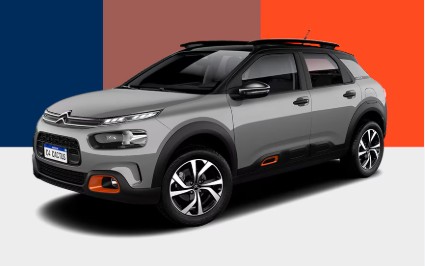
When it comes to driving a Citroën C4, tire pressure might seem like a small detail—but it’s actually the silent hero behind your car’s performance, safety, and efficiency. Think of your tires as the shoes your car wears. Too tight, and they hurt. Too loose, and you lose control. Getting the balance right? That’s where everything clicks.
Content in this publication
- Why Tire Pressure Matters More Than You Think
- Recommended Tire Pressure for Citroën C4
- How to Check Your Tire Pressure Properly
- Cold vs Hot Tire Pressure: What’s the Difference?
- Tire Pressure Warning Light on Citroën C4
- How to Reset Tire Pressure on Citroën C4
- Seasonal Tire Pressure Changes
- Tire Pressure for Different Loads
- Impact of Incorrect Tire Pressure
- How Tire Pressure Affects Fuel Economy
- Tire Wear and Longevity
- Best Tools for Checking Tire Pressure
- Common Tire Pressure Mistakes
- Tire Pressure and Driving Experience
- When to Replace Tires Regardless of Pressure
- Tire Pressure and Safety: The Bigger Picture
- Closing Thoughts: Keep It Simple, Stay Safe
- FAQs About Citroën C4 Tire Pressure
Why Tire Pressure Matters More Than You Think
Let’s be honest—we’ve all ignored that tire pressure warning light at some point. But here’s the reality:
- Underinflated tires = sluggish handling and higher fuel consumption
- Overinflated tires = harsh ride and uneven wear
- Incorrect pressure = compromised safety
It’s not just about comfort—it’s about control, braking precision, and how your car reacts when things get unpredictable.
Recommended Tire Pressure for Citroën C4
Standard Tire Pressure Range
For most versions of the Citroën C4, the recommended tire pressure typically sits within:
- Front tires: 32–36 PSI (2.2–2.5 bar)
- Rear tires: 30–34 PSI (2.1–2.3 bar)
That said, don’t treat these numbers as gospel—they can shift depending on:
- Engine variant
- Passenger load
- Wheel and tire size
Where to Find the Exact Values
Your car already knows the answer—you just need to look in the right place:
- Driver’s door frame sticker
- Fuel filler cap
- Owner’s manual
How to Check Your Tire Pressure Properly
Step-by-Step Process
We keep it simple because it should be:
- Make sure tires are cold (car parked for at least 2 hours)
- Use a reliable pressure gauge
- Remove valve cap and press the gauge firmly
- Read the PSI value
- Inflate or deflate as needed
Pro Tip
Make it a monthly habit. It takes less time than making coffee—but saves you far more money.
Cold vs Hot Tire Pressure: What’s the Difference?
This is where many drivers trip up.
- Cold pressure: Measured before driving (this is what manufacturers recommend)
- Hot pressure: Increases after driving due to heat buildup
As a rule of thumb:
👉 Pressure can rise by 3–5 PSI after driving
Always measure when cold to avoid misleading readings.
Tire Pressure Warning Light on Citroën C4
What Does It Mean?
That small horseshoe icon isn’t decoration—it’s your TPMS (Tire Pressure Monitoring System) speaking up.
It usually means:
- One or more tires are underinflated
- There’s a slow puncture
- A sensor might be malfunctioning
What Should You Do?
- Pull over safely
- Inspect all tires
- Adjust pressure
- Reset the system if required
How to Reset Tire Pressure on Citroën C4
Once you’ve corrected the pressure, resetting the system ensures accurate monitoring.
Reset Steps
- Turn the ignition on
- Access vehicle settings on the infotainment screen
- Select “Tire Pressure Initialization”
- Confirm the reset
Your car will recalibrate based on the new readings.
Seasonal Tire Pressure Changes
Why Weather Matters
Temperature plays a sneaky role. For every 10°C drop, tire pressure can fall by 1–2 PSI.
Winter Tips
- Check pressure more often
- Slightly increase PSI within recommended limits
Summer Tips
- Avoid overinflation
- Monitor after long drives
Tire Pressure for Different Loads
Light Load (Daily Driving)
- Stick to standard recommended PSI
Heavy Load (Passengers + Cargo)
- Increase pressure slightly
- Improves stability and prevents excessive tire flex
Impact of Incorrect Tire Pressure
Let’s break it down clearly.
Underinflation
- Higher fuel consumption
- Poor handling
- Increased blowout risk
Overinflation
- Reduced traction
- Uneven center tread wear
- Less comfortable ride
How Tire Pressure Affects Fuel Economy
Here’s where things get interesting.
Correct tire pressure can improve fuel efficiency by up to 3–5%.
Why?
- Less rolling resistance
- Engine doesn’t work as hard
- Smoother, more efficient driving
Over time, those small gains add up—especially with rising fuel prices.
Tire Wear and Longevity
Even Wear = Longer Life
Maintaining proper pressure ensures:
- Uniform tread wear
- Maximum tire lifespan
Uneven Wear Patterns
- Center wear → Overinflation
- Edge wear → Underinflation
Spot these early, and you’ll avoid premature tire replacement.
Best Tools for Checking Tire Pressure
You don’t need anything fancy, but the right tool makes life easier.
Recommended Options
- Digital pressure gauge
- Portable air compressor
- Gas station air pumps
Common Tire Pressure Mistakes
We’ve all made at least one of these:
- Checking pressure after driving
- Ignoring seasonal changes
- Guessing instead of measuring
- Forgetting the spare tire
Avoid these, and you’re already ahead of most drivers.
Tire Pressure and Driving Experience
Ever felt your car behaving “strangely” for no obvious reason?
It might just be tire pressure.
With Correct Pressure
- Smooth steering
- Stable cornering
- Predictable braking
With Incorrect Pressure
- Drifting steering feel
- Rough ride
- Reduced control
When to Replace Tires Regardless of Pressure
Even perfect pressure can’t save worn-out tires.
Watch for These Signs
- Tread depth below 1.6 mm
- Cracks or bulges
- Constant air loss
At that point, replacement isn’t optional—it’s necessary.
Tire Pressure and Safety: The Bigger Picture
Let’s zoom out.
Your tires are the only contact between your car and the road.
Every:
- Turn
- Brake
- Acceleration
…depends on those four contact patches.
That’s why tire pressure isn’t just maintenance—it’s safety.
Closing Thoughts: Keep It Simple, Stay Safe
If we had to boil it all down:
👉 Tire pressure is simple—but ignoring it is expensive.
A quick monthly check, awareness of seasonal changes, and sticking to manufacturer recommendations can transform your driving experience.
It’s a small habit with big returns—better safety, smoother rides, and real savings over time.
FAQs About Citroën C4 Tire Pressure
1. What is the ideal tire pressure for a Citroën C4?
Usually between 30–36 PSI, depending on model and load. Always verify using your vehicle label.
2. How often should I check tire pressure?
At least once a month and before long journeys.
3. Can I drive with the tire pressure warning light on?
It’s not recommended. Check immediately to avoid safety risks.
4. Does tire pressure change overnight?
Yes, especially with temperature fluctuations—colder air reduces pressure.
5. Is it better to overinflate or underinflate tires?
Neither. Both reduce safety and tire lifespan. Always follow recommended levels.
If you want to know other articles similar to Citroën C4 Tire Pressure: The Complete Guide for Safety, Comfort, and Performance you can visit the category Service and Parts.
Kia Sorento Service Reset: How to Reset the Service Light
Kia Sorento Fuel Tank Capacity: Gallons, Litres and Model Differences
Kia Sorento Tyre Pressure: Recommended PSI, Bar and Complete Guide
Kia Sorento Boot Space: How Much Luggage Space Does It Really Have?
Kia Sorento Towing Capacity: How Much Can a Sorento Tow?

Honda Passport Payload Capacity: How Much Weight Can It Carry?
Leave a Reply
More content of your interest