

Dacia Sandero Dashboard Warning Lights and Meanings

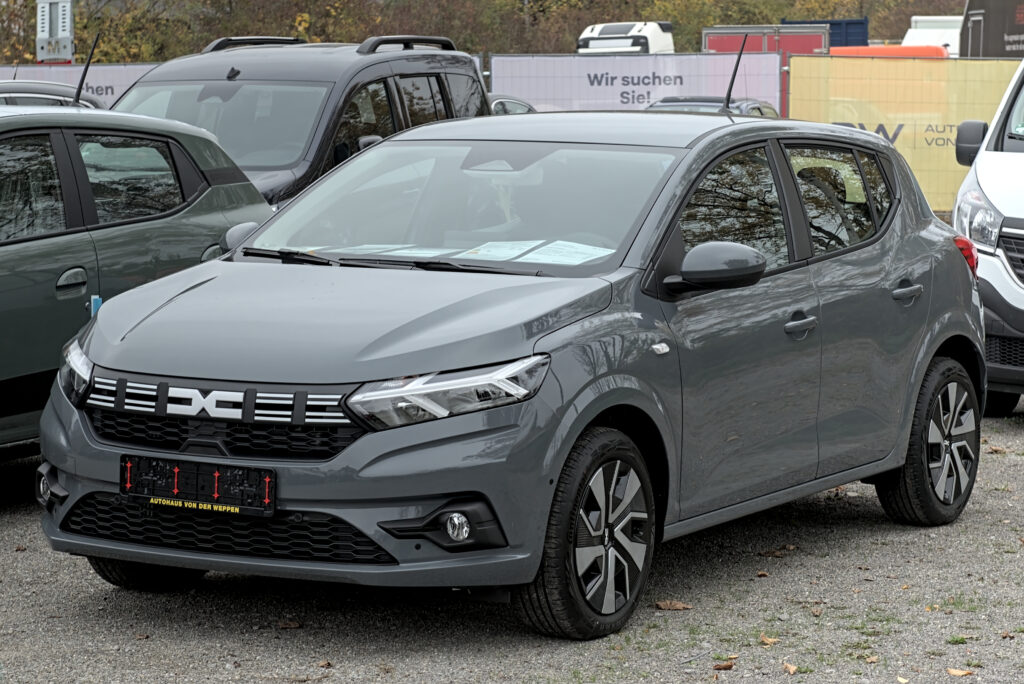
Dacia Sandero dashboard warning lights tell us about faults, safety reminders and the systems currently operating. To understand a light properly, we need its colour, whether it stays on or flashes, and any accompanying message. A red zigzag or STOP warning needs a very different response from a green headlight indicator.
In this guide, we explain 27 common Sandero and Sandero Stepway warning lights and indicators, with an image for each and practical advice on what to do. We also cover the orange zigzag, engine management light, tyre pressure warning and the difference between a service reminder and a fault.
Model note: this guide covers common symbols across second- and third-generation European Dacia Sandero models. Equipment varies by year, engine and country. Older diesel warnings do not apply to every petrol or ECO-G LPG version. Illustrations are representative; several use monochrome artwork, and your cluster may show a different design or colour. Always match the symbol and message to your own handbook.
Content in this publication
- What do Dacia Sandero warning light colours mean?
- Red warning lights: when to stop your Sandero
- Orange warning lights and faults that need attention
- Diesel and exhaust-system warning symbols
- Normal status lights and lighting indicators
- Why several warning lights can appear together
- Sandero Stepway, LPG and newer driver-assistance messages
- Can we reset a Dacia Sandero warning light?
- Conclusion
- Frequently Asked Questions
- 1. What does the orange zigzag light mean on a Dacia Sandero?
- 2. Is the red zigzag light just a service reminder?
- 3. Can I drive my Sandero with the engine warning light on?
- 4. Why does the tyre pressure light stay on after inflating the tyres?
- 5. Are Sandero and Sandero Stepway warning lights the same?
What do Dacia Sandero warning light colours mean?
| Colour or behaviour | Meaning and first response |
|---|---|
| Red | An urgent fault or a safety condition needing immediate attention. An applied parking brake or unfastened seat belt can also produce a red indication. |
| Orange or amber | A fault, restriction, low level or disabled function. Read the accompanying message and arrange the appropriate check. |
| Green or blue | Usually an operating indicator. A blue coolant symbol, where fitted, indicates a cold engine; a blue headlamp symbol means main beam. |
| Flashing | System-specific: traction control may be intervening normally, while a flashing engine light requires prompt action. |
We should never use colour alone to decide whether to continue. Changes in braking, unusually heavy steering, smoke, steam or severe engine vibration can make a situation urgent even before another warning appears. Stop in a safe place before studying the dashboard or opening the handbook.
Red warning lights: when to stop your Sandero
Red zigzag: urgent malfunction warning
 | Red — mainly earlier instrument panelsThe rectangular zigzag symbol is one of the most easily misunderstood Dacia warning lights. In red, it is an urgent stop warning. It can appear alongside another symbol and an audible alert; the zigzag itself does not identify the failed component.What to do: pull over as soon as traffic conditions allow, switch off the engine and do not restart it. Arrange assistance. We should not assume it is an overdue service simply because an orange version of the same shape has appeared before. |
STOP warning light
 | Red — later instrument panels, where fittedThe STOP light is the dashboard’s instruction to stop for a serious fault. Its meaning comes from the warning beside it, such as oil pressure, charging or braking, but the immediate response is the same.What to do: stop safely, switch off the engine and do not restart. Contact roadside assistance or an authorised repairer. Record the accompanying message once stationary; that information is more useful for diagnosis than treating STOP as a separate component failure. |
Oil pressure warning light
 | Red — oil can symbolAn oil can that remains illuminated with the engine running can indicate inadequate oil pressure. This is different from an oil-change reminder, and a correct dipstick reading does not prove that lubrication pressure is safe.What to do: stop and switch off the engine. Check the oil level only when safe, following the handbook. If the level is correct, or the cause remains uncertain, arrange assistance. Do not continue driving or keep restarting the engine to see whether the light disappears. |
Handbrake and brake system warning
 | Red — exclamation mark inside a circleOn earlier Sanderos, this light can simply mean the handbrake is applied. If it remains on with the handbrake fully released, or appears while driving with a beep, it may indicate low brake fluid or a braking-system problem. Later displays may distinguish parking-brake status from a brake circuit warning.What to do: check the parking brake first. If the warning persists, stop safely and get assistance. Do not continue with a soft pedal, reduced braking or a STOP warning, and do not treat topping up fluid as a complete repair. |
Engine coolant temperature warning
 | Red when overheating; blue on some versions when coldThe thermometer above waves relates to engine coolant temperature. A blue indication on equipped models is normal while the engine is cold. A red warning means the temperature needs immediate attention.What to do: stop safely. For an isolated temperature warning, Dacia describes idling for a minute or two to see whether temperature falls; if it does not, switch off. If STOP, steam or other serious symptoms are present, switch off immediately. Let the engine cool before checking coolant, and never open a hot coolant cap. |
Battery charging warning light
 | Red — battery symbolA battery light with the engine off can be part of the normal ignition check. If it stays on after starting or appears while driving, it warns about the charging circuit rather than simply reporting an old battery. The alternator, wiring or another charging-system component may need investigation.What to do: stop safely and seek assistance, particularly if STOP or a beep accompanies it. Switching off unnecessary electrical equipment is not a substitute for repair. Replacing the battery without testing the charging system may leave the cause unresolved. |
Airbag warning light
 | Usually red — seated person and airbagThis light checks the airbag and related restraint system. It normally comes on briefly during the starting checks. A light that fails to illuminate during its expected check, stays on or flashes can indicate a fault.What to do: arrange prompt professional diagnosis. We cannot assume that all restraint functions will operate as intended until the problem is checked. Avoid unplugging seat connectors or probing airbag wiring. This fault warning is separate from the passenger airbag OFF indicator described below. |
Seat belt reminder
 | Red — occupant and beltThe seat belt symbol reminds us that a monitored seat belt is not fastened. Depending on the version and occupied seats, it may be accompanied by a chime or a display showing the affected position.What to do: have every occupant fasten the appropriate belt before moving. If the alert seems incorrect, stop safely and check whether a bag is resting on a passenger seat. If the warning continues with belts correctly fastened, have the buckle or occupancy detection system checked rather than bypassing it. |
Orange warning lights and faults that need attention
Orange zigzag: general malfunction warning
 | Orange or amber — mainly earlier instrument panelsThe orange zigzag is a general warning that can accompany other lights. It does not automatically mean that a particular sensor, glow plug or electronic part has failed. Its colour is crucial: the red version requires a stop, while the orange version calls for very careful driving and prompt attention.What to do: read any other warning or message, then arrange a check as soon as possible. If the car develops serious symptoms, stop instead of continuing. We should not reset this lamp without understanding why it appeared. |
Spanner or service warning light
 | Orange — later dashboards, depending on versionA spanner can accompany a fault message or maintenance information. The message and service-distance display help distinguish a scheduled service requirement from a system problem. A spanner beside an engine, braking or emissions message should not be dismissed as a routine oil-change reminder.What to do: check the full display and service record. Book the indicated maintenance or diagnosis. Resetting a service counter is appropriate after the required service, but it will not repair a fault in the engine or another monitored system. |
Engine management or emissions warning light
 | Orange — engine-shaped symbolDacia manuals may describe this as the toxic fume filter system warning light. It is the engine/emissions malfunction indicator, not a direct instruction to replace a particulate filter. A steady light and a flashing light require different responses.What to do: have a steady warning diagnosed promptly. If it flashes, reduce engine speed and load; Dacia advises contacting a repairer as soon as possible. If flashing continues or the engine shakes, loses substantial power or runs roughly, stop safely and arrange assistance rather than driving hard to clear it. |
ABS warning light
 | Orange — ABS inside a circleIf the ABS lamp stays on after the normal starting check, the anti-lock braking system has a fault. Basic braking may remain available, but the anti-lock function may not intervene during heavy braking.What to do: allow extra distance, avoid abrupt braking and arrange prompt diagnosis. If the red brake warning or STOP light appears as well, or braking feels abnormal, stop safely and get assistance. We should not assume that an ABS-only explanation covers a combination of brake warnings. |
Electronic stability control and traction warning
 | Orange — car with skid marksA flashing stability-control symbol can mean that ESC or traction control is actively helping the car maintain grip. This can happen during wheelspin or on a slippery surface. A warning that remains on, especially with a fault message, needs a different interpretation.What to do: ease off the accelerator and adapt your speed to the conditions when it flashes during intervention. If it remains lit, read the message and have the system checked. Electronic assistance cannot compensate for unsuitable speed or poor tyre condition. |
ESC OFF indicator
 | Orange — stability control disabled, where fittedAn OFF indication means the relevant stability or traction function has been switched off or is unavailable, depending on the vehicle and message. Do not confuse it with the flashing intervention light: an OFF display means we may have less electronic assistance.What to do: check whether the system was intentionally disabled and restore its normal setting using your handbook’s procedure. If it cannot be reactivated or another fault warning appears, arrange diagnosis. Settings and automatic reactivation behaviour vary between versions. |
Tyre pressure warning light
 | Orange — tyre outline with an exclamation markThis warning indicates a pressure-related issue; its accompanying message may distinguish under-inflation from a monitoring fault. Sandero versions can use different systems, including wheel-speed-based loss detection and systems with pressure sensors. That matters when checking faults or carrying out a reset.What to do: slow down and inspect the tyres safely. Check cold pressures against the vehicle label, and investigate a puncture or repeated loss. Reinitialise only after pressures are corrected, using the procedure for your car. Resetting first can establish the wrong reference. |
Power steering warning light
 | Colour and associated warning depend on versionThe steering-wheel warning indicates that the power-assisted steering system needs attention. Steering can become noticeably heavier if assistance is reduced or lost. On some versions, a battery interruption can also lead to a steering-related message requiring a specific procedure.What to do: keep control and stop safely if steering effort changes or STOP appears. Seek assistance when safe control is affected. We should not apply a generic steering reset from another model; follow the exact message and handbook, or have the system checked. |
Low fuel warning light
 | Orange — fuel pump symbolThe fuel pump warning means the remaining fuel is low. A handbook’s approximate reserve distance is not a promise: traffic, hills, driving style and fuel consumption change the distance available.What to do: refuel promptly instead of relying on the remaining-range display. On ECO-G LPG cars, pay attention to which fuel the warning concerns, because petrol and LPG indications are separate. Running one tank low is not automatically evidence of a fault in the other fuel system. |
Diesel and exhaust-system warning symbols
These lights depend on the engine and emissions equipment fitted. An older diesel Sandero can display warnings that a petrol or LPG model does not use. We should identify the engine before following advice about glow plugs, diesel filters or exhaust regeneration.
Glow plug or diesel preheating indicator
 | Orange — coil symbol; diesel onlyThe coil-shaped light normally indicates that the diesel preheating system is operating before starting. On versions using this sequence, wait until it goes out before starting as directed by the handbook.What to do: treat a brief pre-start appearance as normal. If the behaviour changes, starting becomes difficult or another fault warning appears, arrange diagnosis. Do not confuse the coil with the rectangular zigzag warning: they are different symbols and should not lead us to the same automatic diagnosis. |
Water in diesel filter warning
 | Orange — equipped diesel versionsThis symbol indicates water detected in the diesel fuel filter on versions fitted with the warning. Water in the fuel system needs attention; it is not a message about the engine coolant reservoir.What to do: contact an authorised repairer promptly to have the fuel/filter system checked and serviced as required. Avoid ignoring the warning through repeated journeys. The drain and priming arrangements vary, so opening an unidentified plug or fuel line without the correct procedure is not a sensible dashboard-light reset. |
Particulate filter warning light
 | Orange — equipped petrol or diesel versions; representative filter symbolA dedicated filter symbol concerns the exhaust particulate-filter system. Some equipped engines may require driving conditions that allow cleaning, but petrol and diesel procedures are not interchangeable. The symbol alone does not tell us that a forced regeneration is safe.What to do: read the accompanying message and follow your engine-specific handbook instructions. Do not attempt a generic high-speed run when STOP, an engine-damage warning, overheating or severe running problems are present. If a permitted cleaning procedure does not resolve the warning, arrange diagnosis. |
Normal status lights and lighting indicators
 | Crossed-out A — automatic engine standby unavailableThe crossed-out A indicates that the engine cannot enter automatic standby under the current conditions. This is not necessarily a fault. Battery charge, engine temperature, climate-control demand and other operating conditions can prevent a stop.What to do: distinguish this unavailable indication from a specific Stop and Start fault message. We can normally continue driving if there are no other warnings or symptoms. Arrange a check if a fault message appears or the system’s behaviour changes persistently without an obvious explanation. |
Passenger airbag OFF indicator
 | Status indication — passenger airbag deactivatedThis lamp confirms that the front passenger airbag is switched off. It is separate from the airbag-system fault warning. The correct setting depends on who or what occupies that seat and the child-restraint instructions.What to do: verify the setting before carrying a passenger. Never place a rear-facing child seat in front of an active front airbag. If the displayed status does not match the intended setting, resolve the discrepancy before using the seat; follow the handbook when changing the setting. |
Dipped beam headlight indicator
 | Green — dipped headlights onThis headlamp symbol confirms that dipped-beam headlights are operating. It is a normal lighting indication, not an engine or electrical fault warning.What to do: use suitable lighting for visibility and road conditions. Do not assume daytime running lights provide the same illumination or rear-light operation. If visibility is poor despite this indicator, stop somewhere safe to check the lamps rather than relying only on the dashboard confirmation. |
Main beam headlight indicator
 | Blue — main beam onThe blue headlamp symbol means the main beams are on. It is different from the blue thermometer that some Sanderos display when the engine is cold.What to do: dip the headlights when approaching or following other traffic, and whenever main beam could dazzle someone. If the indicator remains on unexpectedly, check the lighting stalk position once safe. The symbol is normally useful confirmation that we have selected the stronger beam. |
Front fog light indicator
 | Green — front fog lamps on, where fittedThis symbol shows that the front fog lights have been selected on an equipped Sandero or Stepway. Not every trim level has the same lighting equipment.What to do: use fog lamps only when the conditions and local rules justify them, then switch them off when visibility improves. A normal front-fog indicator is not a lamp-failure alert. If a fog lamp does not actually illuminate, inspect the lighting system separately. |
Rear fog light indicator
 | Orange or amber — rear fog light onAn amber rear-fog symbol is a good example of why not every orange light indicates a fault. It confirms that the bright rear fog lamp has been switched on.What to do: switch it off when it is no longer needed. Rear fog lamps can dazzle following drivers and make brake lights harder to distinguish in ordinary conditions. Check the direction and shape of the symbol rather than confusing it with the green front-fog indicator. |
Direction indicator and hazard warning lights
 | Green flashing arrowsThe arrows flash when we operate the indicators. Both sides flash with the hazard warning lights. This is normal signalling activity rather than an engine-related warning.What to do: check the exterior lamps if the flashing pattern becomes unusually rapid or another lighting message appears. Once safely parked, walk around the vehicle or ask someone to confirm operation. A dashboard arrow confirms the command, but we should still investigate a suspected failed exterior lamp. |
Why several warning lights can appear together
One underlying fault can affect more than one system, so several lamps do not necessarily mean several unrelated components have failed. However, we should not guess that the battery is responsible merely because multiple warnings appear. The combination, message and diagnostic results are what narrow down the cause.
You may be interested in reading Dacia Sandero Dimensions and Boot Space (2021–2025 Full Guide)
Deal with the most urgent instruction first. STOP with a brake or oil warning takes priority over a service reminder. Once safely stationary, photograph the complete display and note whether the engine was running, the car was moving, and any change in performance. Do not use your phone to document warnings while driving.
Sandero Stepway, LPG and newer driver-assistance messages
Sandero Stepway uses many of the same warning conventions as the regular Sandero, but trim and generation still matter. Newer equipped cars can also display lane-assistance, emergency-braking or driver-vigilance warnings. An assistance system that is unavailable is not a guarantee that the basic vehicle is faulty, but we must read the message and take full responsibility for steering and braking.
ECO-G models add LPG fuel information. Equipped diesel versions may have reagent or AdBlue warnings with an action deadline or restart restriction. These messages need the relevant engine-specific instructions; they should not be treated as ordinary petrol low-fuel alerts. This illustrated guide covers common symbols rather than every possible message on every Sandero.
Can we reset a Dacia Sandero warning light?
First identify the reason for the warning. A tyre-pressure reference reset belongs after checking and correcting the pressures. A maintenance counter reset belongs after completing the required service. An active fault needs diagnosis and repair rather than simply clearing its dashboard evidence.
Disconnecting the battery or clearing diagnostic codes can remove useful information without fixing the problem. If professional diagnosis is needed, preserve the messages and describe when they appeared. A basic code reader may identify an engine code, but airbag, ABS and other systems can require more capable diagnostic equipment.
Conclusion
The most useful way to understand Dacia Sandero dashboard warning lights is to match the symbol, colour and message together. Red zigzag and STOP warnings require an immediate safe stop; orange fault warnings need prompt attention; lighting and status indicators often describe normal operation. By checking the correct handbook and dealing with the cause before resetting anything, we can respond more confidently and avoid turning a warning into a bigger problem.
You may be interested in readingDacia Sandero Dimensions and Boot Space (2021–2025 Full Guide)You may be interested in reading
 Dacia Sandero Fuel Consumption and Running Costs (2025 Guide)
Reference manuals and illustrations: meanings checked against the Dacia Sandero II Phase 2 handbook and Dacia Sandero III handbook, particularly their warning-light and related system sections. See the official Dacia warning-light guide and select the handbook matching your vehicle. Representative symbol artwork comes from Dacia and DASH-LIGHTS; standard symbol illustrations may differ from the exact cluster design.
Frequently Asked Questions
1. What does the orange zigzag light mean on a Dacia Sandero?
It is a general malfunction warning on relevant earlier dashboards. We need to check accompanying lights and messages to understand the affected system. Drive very carefully and arrange prompt attention if the car has no serious symptoms; stop if symptoms or other warnings make continuing unsafe.
2. Is the red zigzag light just a service reminder?
No. The red zigzag is an urgent stop warning. Pull over as soon as it is safe, switch off the engine and do not restart. A red zigzag should never be treated as an orange maintenance indication.
3. Can I drive my Sandero with the engine warning light on?
A steady light without serious symptoms calls for prompt diagnosis. A flashing light requires reducing engine speed and load. Stop safely if flashing persists, the engine runs roughly or power drops significantly. A STOP warning overrides any assumption that a short journey is acceptable.
4. Why does the tyre pressure light stay on after inflating the tyres?
The pressures may still be incorrect, a tyre may be leaking, the system may need the correct reinitialisation, or a monitoring fault may exist. Check all cold pressures against the vehicle label first, then follow the procedure for the system fitted to your Sandero.
5. Are Sandero and Sandero Stepway warning lights the same?
Many symbols and meanings are shared, but the instrument panel, engine, model year and equipment determine which warnings exist. We should match the handbook to the actual car rather than assume every Stepway, diesel or ECO-G version uses identical indicators.
You may be interested in readingDacia Sandero Dimensions and Boot Space (2021–2025 Full Guide)You may be interested in reading
Dacia Sandero Fuel Consumption and Running Costs (2025 Guide)You may be interested in reading
Dacia Reliability: Are Dacia Cars Reliable?If you want to know other articles similar to Dacia Sandero Dashboard Warning Lights and Meanings you can visit the category Blog.
Volvo S90 Reliability: Problems, Costs & Best Years
Is Haval Jolion a Good Car? Honest Review, Reliability, Pros and Cons
How to Start Haval Jolion With Spare Key: Complete Guide

How to Calculate Per Diem on an Auto Loan

How to Calculate the Residual Value of a Car

Is the Honda Passport Selling Well? Sales Numbers Tell the Story
Leave a Reply
More content of your interest