

Dodge Charger 5.7 Oil Capacity: Complete Guide for HEMI Owners

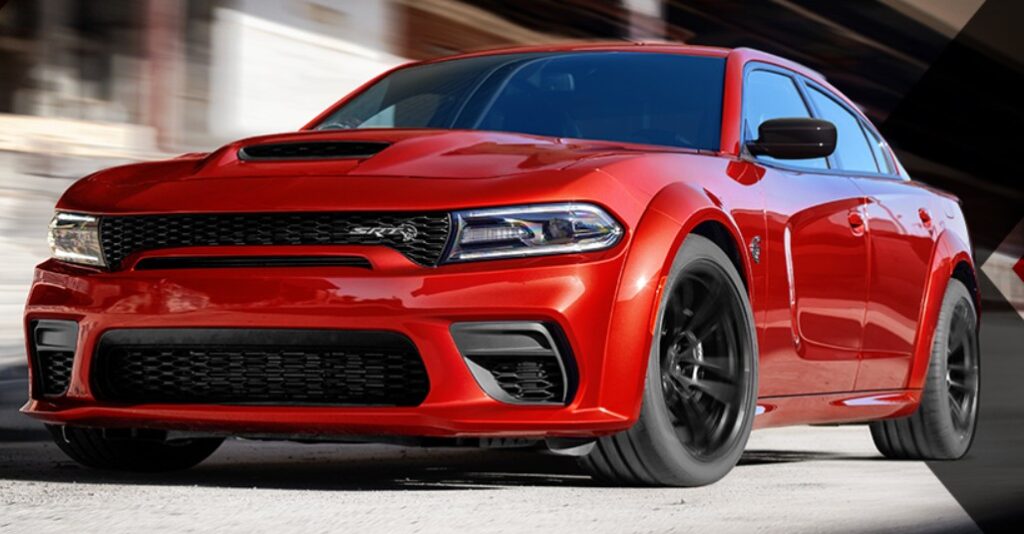
The Dodge Charger equipped with the legendary 5.7L HEMI V8 is a machine built for power, excitement, and unmistakable American muscle. Whether we're cruising down the highway or unleashing the engine's full potential, proper maintenance is what keeps this powerhouse running smoothly for years. One of the most important maintenance items is understanding the correct Dodge Charger 5.7 oil capacity.
Many owners focus on horsepower, torque, and performance upgrades while overlooking the lifeblood of the engine—motor oil. Yet oil is what keeps internal components lubricated, cool, and protected from wear. Using the correct oil capacity and oil type can significantly impact engine longevity, fuel efficiency, and overall performance.
In this comprehensive guide, we'll explore everything you need to know about Dodge Charger 5.7 oil capacity, recommended oil types, oil change intervals, maintenance tips, and common mistakes to avoid.
Content in this publication
- What Is the Dodge Charger 5.7 Oil Capacity?
- Why Oil Capacity Matters
- Understanding the 5.7L HEMI Engine
- Recommended Oil Type for the Dodge Charger 5.7
- Can You Use 5W-30 Instead?
- How Often Should You Change the Oil?
- Signs Your Charger Needs an Oil Change
- Step-by-Step Dodge Charger 5.7 Oil Change Process
- How to Check Oil Level Correctly
- Consequences of Overfilling Oil
- Consequences of Low Oil Levels
- Does the 5.7 HEMI Consume Oil?
- Best Synthetic Oils for the Dodge Charger 5.7
- Oil Filter Selection Matters Too
- Seasonal Oil Maintenance Tips
- High-Mileage Dodge Charger 5.7 Oil Advice
- Common Oil Change Mistakes to Avoid
- Maintaining the Legendary HEMI Performance
- Conclusion
- Frequently Asked Questions
What Is the Dodge Charger 5.7 Oil Capacity?
The Dodge Charger equipped with the 5.7L HEMI V8 typically requires:
Oil Capacity with Filter Change: 7 quarts (6.6 liters)
This specification applies to most Dodge Charger models powered by the 5.7L HEMI engine.
Whenever performing an oil change, it's essential to replace the oil filter and refill the engine with the full recommended capacity. Skipping the filter replacement may alter the required amount slightly, but replacing the filter is always the best practice.
Quick Specification Overview
| Specification | Value |
|---|---|
| Engine | 5.7L HEMI V8 |
| Oil Capacity | 7 quarts (6.6 liters) |
| Recommended Oil | SAE 5W-20 |
| Oil Filter Replacement | Recommended Every Oil Change |
| Fuel Type | Regular/Premium Gasoline |
| Oil Change Interval | 6,000–8,000 miles (typical) |
Why Oil Capacity Matters
Imagine trying to run a marathon while dehydrated. That's essentially what happens when an engine operates with insufficient oil.
Likewise, overfilling can create its own problems.
Proper oil capacity ensures:
- Effective lubrication
- Reduced engine wear
- Better cooling performance
- Improved fuel efficiency
- Maximum engine life
- Optimal HEMI performance
The 5.7 HEMI generates significant heat and pressure. Maintaining the correct oil level is like ensuring an athlete has the perfect balance of hydration and nutrition before a competition.
Understanding the 5.7L HEMI Engine
Before diving deeper into oil maintenance, let's appreciate the engine itself.
The Heart of the Charger
The 5.7L HEMI V8 has become one of the most recognizable engines in modern muscle cars.
Key characteristics include:
- V8 configuration
- Hemispherical combustion chambers
- Multi-Displacement System (MDS)
- High torque output
- Proven durability
- Strong aftermarket support
This engine combines classic American V8 character with modern technology, making it a favorite among enthusiasts.
Why the HEMI Needs Quality Oil
HEMI engines operate under demanding conditions.
Factors affecting lubrication include:
- High combustion temperatures
- Variable cylinder deactivation
- Heavy internal loads
- Aggressive driving habits
Using the correct oil capacity helps protect critical components such as:
- Camshaft
- Lifters
- Crankshaft
- Pistons
- Bearings
- Timing components
Recommended Oil Type for the Dodge Charger 5.7
Choosing the correct oil is just as important as using the correct amount.
Factory Recommendation
Most Dodge Charger 5.7 HEMI models recommend:
SAE 5W-20 Full Synthetic Oil
This viscosity provides an excellent balance between:
- Cold-start protection
- Fuel economy
- High-temperature performance
- Engine cleanliness
Why 5W-20 Is Recommended
The first number, "5W," represents cold-weather flow characteristics.
The second number, "20," indicates viscosity at operating temperature.
Benefits include:
- Faster cold starts
- Reduced internal friction
- Improved fuel economy
- Better lubrication during startup
Can You Use 5W-30 Instead?
Many HEMI owners ask this question.
Situations Where 5W-30 May Be Used
Some drivers choose 5W-30 when:
- Operating in extremely hot climates
- Towing regularly
- Driving aggressively
- Running modified engines
However, it's always wise to consult the owner's manual before deviating from factory specifications.
Potential Benefits of 5W-30
Advantages may include:
- Slightly thicker protection film
- Enhanced protection in high temperatures
- Better performance during heavy loads
Still, for most stock Chargers, 5W-20 remains the preferred choice.
How Often Should You Change the Oil?
Oil change intervals have evolved significantly over the years.
General Oil Change Guidelines
For the Dodge Charger 5.7:
- Normal driving: 6,000–8,000 miles
- Severe driving: 3,000–5,000 miles
Severe conditions include:
- Frequent short trips
- Heavy traffic
- Towing
- Extreme temperatures
- Track driving
Follow the Oil Life Monitoring System
Modern Chargers include sophisticated monitoring systems that analyze:
- Driving habits
- Engine temperature
- Idle time
- Load conditions
When the oil life monitor indicates service is needed, it's time to schedule maintenance.
Signs Your Charger Needs an Oil Change
Even before the maintenance reminder appears, your vehicle may show warning signs.
Common Symptoms
Watch for:
- Dark, dirty oil
- Increased engine noise
- Reduced fuel economy
- Oil warning light
- Rough idling
- Burning oil smell
Ignoring these symptoms can lead to accelerated engine wear.
Step-by-Step Dodge Charger 5.7 Oil Change Process
Changing your own oil can save money and provide peace of mind.
Tools You'll Need
Gather:
- 7 quarts of approved oil
- New oil filter
- Oil filter wrench
- Drain pan
- Funnel
- Socket set
- Gloves
Step 1: Warm the Engine
Run the engine for several minutes.
Warm oil flows more easily and carries contaminants out of the engine.
Step 2: Lift the Vehicle Safely
Use ramps or jack stands.
Safety should always come first.
Step 3: Remove the Drain Plug
Allow the old oil to drain completely.
Patience here pays dividends.
Step 4: Replace the Oil Filter
Remove the old filter.
Lubricate the new filter gasket with fresh oil before installation.
Step 5: Install Drain Plug
Secure the drain plug according to torque specifications.
Avoid overtightening.
Step 6: Add Fresh Oil
Pour in approximately 7 quarts of oil.
Step 7: Verify Oil Level
After running the engine briefly:
- Shut it off
- Wait several minutes
- Check the dipstick
Adjust if necessary.
How to Check Oil Level Correctly
Many owners unknowingly check oil levels incorrectly.
Best Practices
For accurate readings:
- Park on level ground.
- Turn off the engine.
- Wait five minutes.
- Remove the dipstick.
- Wipe clean.
- Reinsert fully.
- Check the reading.
Ideal Oil Level
The oil should sit between:
- MIN mark
- MAX mark
Closer to the MAX mark is generally preferred without exceeding it.
Consequences of Overfilling Oil
More oil isn't always better.
Problems Caused by Excess Oil
Overfilling can lead to:
- Foaming oil
- Increased crankshaft resistance
- Oil leaks
- Seal damage
- Reduced performance
Think of it like overwatering a plant—the intention is good, but the result can be harmful.
Consequences of Low Oil Levels
Running below the recommended 7-quart capacity can be even worse.
Potential Risks
Low oil may cause:
- Excessive wear
- Overheating
- Bearing damage
- Lifter failure
- Catastrophic engine failure
The HEMI engine depends on consistent oil pressure to protect critical moving parts.
Does the 5.7 HEMI Consume Oil?
Some owners notice gradual oil consumption.
Normal Oil Consumption
A small amount of oil usage between changes can be normal.
Factors include:
- Mileage
- Driving style
- Climate
- Engine condition
When to Be Concerned
Excessive consumption may indicate:
- Worn piston rings
- Valve seal issues
- PCV system problems
- External leaks
Regular oil level checks can help identify issues early.
Best Synthetic Oils for the Dodge Charger 5.7
The market offers numerous premium options.
Popular Choices
Many Charger owners prefer:
- Pennzoil Ultra Platinum
- Mobil 1 Advanced Full Synthetic
- Valvoline Advanced Full Synthetic
- Castrol EDGE
- Royal Purple
Features to Look For
Choose oils that provide:
- Full synthetic formulation
- HEMI compatibility
- High-temperature protection
- Detergent additives
- Wear resistance
Oil Filter Selection Matters Too
A premium filter complements premium oil.
Benefits of Quality Filters
High-quality filters help:
- Capture contaminants
- Maintain oil pressure
- Improve engine cleanliness
- Extend engine life
Popular Filter Brands
Consider:
- Mopar OEM filters
- WIX
- FRAM Ultra Synthetic
- Mobil 1
- K&N
Seasonal Oil Maintenance Tips
Weather impacts engine performance more than many people realize.
Winter Considerations
Cold weather requires:
- Proper viscosity
- Healthy battery
- Frequent level checks
Synthetic oil performs exceptionally well during freezing temperatures.
Summer Considerations
Hot weather increases:
- Oil temperatures
- Engine stress
- Evaporation rates
Monitor oil levels more frequently during long road trips.
High-Mileage Dodge Charger 5.7 Oil Advice
As mileage increases, maintenance becomes even more important.
Engines Over 100,000 Miles
For higher-mileage Chargers:
- Inspect for leaks regularly
- Check oil levels monthly
- Consider high-mileage synthetic oils
- Follow consistent service intervals
Benefits of High-Mileage Oils
These products often contain:
- Seal conditioners
- Enhanced detergents
- Additional anti-wear additives
They can help older HEMI engines remain healthy and efficient.
Common Oil Change Mistakes to Avoid
Even experienced DIY enthusiasts make mistakes.
Top Errors
Avoid:
- Using incorrect viscosity
- Forgetting the new filter gasket
- Overfilling oil
- Underfilling oil
- Ignoring oil leaks
- Using low-quality filters
Small oversights can become expensive repairs.
Maintaining the Legendary HEMI Performance
Oil maintenance isn't merely routine service—it's an investment.
Long-Term Benefits
Proper oil care contributes to:
- Better throttle response
- Reduced engine wear
- Improved fuel economy
- Lower repair costs
- Increased resale value
A well-maintained HEMI can deliver hundreds of thousands of miles of reliable performance.
Conclusion
Understanding Dodge Charger 5.7 oil capacity is one of the simplest yet most important aspects of vehicle ownership. The 5.7L HEMI engine generally requires 7 quarts (6.6 liters) of oil with a filter change, paired with the recommended SAE 5W-20 full synthetic oil for optimal performance and protection.
Think of engine oil as the bloodstream of your Charger. Without the correct amount, even the most powerful HEMI cannot perform at its best. By following proper maintenance intervals, using quality oil and filters, and routinely checking oil levels, we can keep our Charger roaring down the road with confidence for years to come.
Frequently Asked Questions
1. What is the oil capacity of a Dodge Charger 5.7 HEMI?
The Dodge Charger 5.7 HEMI typically requires 7 quarts (6.6 liters) of oil when replacing the oil filter.
2. What oil does a Dodge Charger 5.7 use?
Most models recommend SAE 5W-20 full synthetic motor oil.
3. How often should I change the oil in a 5.7 HEMI Charger?
Generally every 6,000 to 8,000 miles, though severe driving conditions may require more frequent changes.
4. Can I use 5W-30 instead of 5W-20?
Some owners do, particularly in hot climates, but factory recommendations typically specify 5W-20.
5. What happens if I overfill the oil in my Dodge Charger?
Overfilling can cause foaming, increased crankshaft resistance, leaks, and reduced engine performance.
If you want to know other articles similar to Dodge Charger 5.7 Oil Capacity: Complete Guide for HEMI Owners you can visit the category Service and Parts.
Volvo S90 Engine Oil: Type, Capacity & Change Guide
Volvo S90 Boot Space: Size, Capacity and Practicality
SEO Title: Volvo S90 Oil Capacity: Complete Guide by Engine

Kia Sorento Oil Type: Complete Guide by Year & Engine
Kia Sorento Engine Capacity: Complete Guide by Year

Peugeot 308 Clutch Replacement Cost: Complete UK Guide for 2026
Leave a Reply
More content of your interest