

Dodge Charger Engine Size: A Complete Guide to Every Powertrain Option

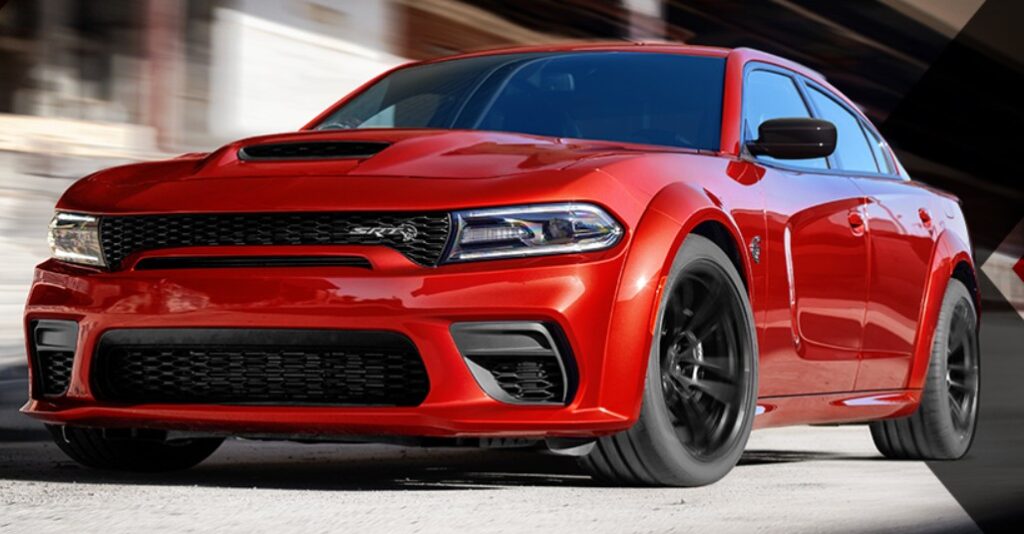
The Dodge Charger has always stood apart from the crowd. While many modern sedans focus on efficiency and practicality, the Charger embraces something far more exciting: raw power. At the heart of that reputation lies one critical factor—engine size.
Whether you're considering a used Charger, researching muscle cars, or simply curious about what makes this iconic sedan roar, understanding Dodge Charger engine sizes is essential. From fuel-efficient V6 engines to earth-shaking supercharged V8 monsters, the Charger has offered one of the widest engine lineups in automotive history.
Let's explore every major Dodge Charger engine size, how they evolved over the years, and which option might be the best fit for different drivers.
Content in this publication
- Why Engine Size Matters in the Dodge Charger
- A Brief History of Dodge Charger Engines
- Modern Dodge Charger Engine Sizes Overview
- The 3.5L V6 Engine
- The 3.6L Pentastar V6
- The Legendary 5.7L HEMI V8
- The 6.1L HEMI V8
- The 6.4L HEMI V8
- The 6.2L Supercharged HEMI Hellcat Engine
- The Hellcat Redeye Engine
- Comparing Dodge Charger Engine Sizes
- How Engine Size Affects Performance
- Fuel Economy Across Engine Sizes
- Which Dodge Charger Engine Size Is Best?
- Future of Dodge Charger Engines
- Conclusion
- Frequently Asked Questions
Why Engine Size Matters in the Dodge Charger
Engine size is more than just a number on a specification sheet. It directly influences:
- Horsepower
- Torque
- Fuel economy
- Acceleration
- Towing capability
- Maintenance costs
- Driving experience
Think of engine size as the heart of the vehicle. A larger engine typically delivers more power, while a smaller engine often balances performance with efficiency.
For the Dodge Charger, engine size has always been a defining characteristic.
A Brief History of Dodge Charger Engines
Since its debut in 1966, the Dodge Charger has been synonymous with big displacement engines.
Early Chargers featured legendary V8 powerplants that helped define the American muscle car era. Over the decades, Dodge continuously evolved the Charger, introducing modern technology while preserving its performance-focused DNA.
The modern Charger lineup became especially famous for offering everything from practical V6 engines to massive HEMI V8 powerplants.
Modern Dodge Charger Engine Sizes Overview
The modern Dodge Charger has been available with several engine sizes, including:
| Engine Size | Configuration | Typical Horsepower |
|---|---|---|
| 3.5L | V6 | 250 HP |
| 3.6L | V6 | 292-300 HP |
| 5.7L | V8 HEMI | 370 HP |
| 6.1L | V8 HEMI | 425 HP |
| 6.2L | Supercharged V8 HEMI | 707-797 HP |
| 6.4L | V8 HEMI | 485 HP |
Each engine delivers a unique personality, making the Charger appealing to a wide range of drivers.
The 3.5L V6 Engine
The Early Modern Charger Powerplant
The 3.5-liter V6 appeared in earlier generations of the modern Charger.
This engine was designed to provide a balance between everyday usability and respectable performance.
Key Specifications
- Engine Size: 3.5 liters
- Configuration: V6
- Horsepower: Approximately 250 HP
- Torque: Around 250 lb-ft
While not a muscle-car powerhouse, it offered enough performance for daily driving.
Who Should Consider It?
Drivers looking for:
- Lower purchase prices
- Reliable transportation
- Reasonable fuel economy
- Comfortable commuting
The 3.6L Pentastar V6
The Most Popular Charger Engine
If one engine represents the everyday Dodge Charger, it's the 3.6-liter Pentastar V6.
Introduced as a modern replacement for older V6 engines, it quickly became one of Chrysler's most successful powerplants.
Performance Characteristics
The 3.6L engine delivers:
- Up to 300 horsepower
- Strong mid-range torque
- Smooth operation
- Excellent reliability
This engine proves that you don't need a V8 to enjoy driving a Charger.
Fuel Economy Benefits
Compared to larger V8 options, the Pentastar V6 offers significantly better fuel economy.
Benefits include:
- Lower fuel costs
- Reduced emissions
- Lower insurance premiums
- Practical daily usability
Best For Daily Drivers
The 3.6L Charger appeals to drivers who want:
- Modern technology
- Strong reliability
- Comfortable commuting
- Occasional spirited driving
The Legendary 5.7L HEMI V8
Where Muscle Car DNA Begins
The 5.7-liter HEMI is where the Charger truly transforms.
Press the accelerator, and the personality changes instantly. The deep V8 rumble, effortless acceleration, and unmistakable exhaust note create an experience that few sedans can match.
Key Specifications
- Engine Size: 5.7 liters
- Configuration: HEMI V8
- Horsepower: 370 HP
- Torque: 395 lb-ft
Why Enthusiasts Love It
The 5.7L HEMI strikes an ideal balance between:
- Performance
- Affordability
- Reliability
- Daily usability
For many Charger enthusiasts, this engine represents the sweet spot.
Not Too Much, Not Too Little
Unlike the extreme Hellcat models, the 5.7L remains manageable for everyday use while still delivering serious muscle-car thrills.
The 6.1L HEMI V8
The Original SRT Monster
Before Hellcats dominated headlines, the 6.1-liter HEMI powered the Charger SRT8.
This engine helped establish Dodge's modern performance reputation.
Performance Numbers
The 6.1L engine produced:
- 425 horsepower
- 420 lb-ft of torque
- Exceptional acceleration
At the time, these figures were extraordinary for a four-door sedan.
Collector Appeal Today
Many enthusiasts seek out 6.1L Chargers because they represent a unique chapter in performance history.
They combine:
- Naturally aspirated power
- Simpler engineering
- Classic muscle-car character
The 6.4L HEMI V8
The Naturally Aspirated King
Many enthusiasts consider the 6.4-liter HEMI the ultimate naturally aspirated Charger engine.
It delivers massive performance without relying on forced induction.
Key Specifications
- Engine Size: 6.4 liters
- Horsepower: 485 HP
- Torque: 475 lb-ft
What Makes It Special?
The 6.4L offers:
- Instant throttle response
- Linear power delivery
- Incredible sound
- Strong reliability
Driving a Charger Scat Pack equipped with the 6.4L feels like unleashing a thunderstorm on wheels.
Scat Pack Performance
The Charger Scat Pack has become one of Dodge's most celebrated models because it combines:
- Track-ready capability
- Daily usability
- Relatively accessible pricing
The 6.2L Supercharged HEMI Hellcat Engine
When Power Becomes Absurd
Then came the Hellcat.
Dodge engineers essentially asked a simple question:
"What happens if we install a supercharger and chase maximum horsepower?"
The answer shocked the automotive world.
Standard Hellcat Output
The 6.2-liter supercharged HEMI produces:
- 707 horsepower
- Massive torque
- Explosive acceleration
This transformed the Charger into one of the most powerful production sedans ever built.
How the Supercharger Changes Everything
Unlike naturally aspirated engines, the supercharger forces additional air into the engine.
The result?
- Instant power
- Incredible acceleration
- Massive torque throughout the RPM range
The Hellcat Redeye Engine
Taking Things Even Further
If 707 horsepower wasn't enough, Dodge introduced the Redeye.
This upgraded version of the 6.2L supercharged engine increased output dramatically.
Performance Figures
The Redeye delivers:
- 797 horsepower
- Enhanced cooling systems
- Improved performance components
It's a vehicle that feels more like a rocket than a sedan.
Comparing Dodge Charger Engine Sizes
Smallest Engine
The smallest modern Charger engine is the 3.5L V6.
Advantages include:
- Lower operating costs
- Better fuel economy
- Simpler ownership
Largest Engine
The largest displacement modern Charger engine is the 6.4L HEMI V8.
Advantages include:
- Massive naturally aspirated power
- Exceptional throttle response
- Strong performance heritage
Most Powerful Engine
Interestingly, the most powerful Charger engine isn't the largest.
The 6.2L supercharged Hellcat engine produces significantly more horsepower than the larger 6.4L engine due to forced induction.
How Engine Size Affects Performance
Acceleration
Generally speaking:
- Larger engines accelerate faster.
- More displacement often means more torque.
- Supercharged engines dramatically improve performance.
Top Speed
Engine size contributes to top speed, but factors such as:
- Aerodynamics
- Transmission gearing
- Tire ratings
also play crucial roles.
Driving Feel
Engine size changes how a Charger feels behind the wheel.
Smaller engines feel:
- Lighter
- More efficient
- Easier to manage
Larger engines feel:
- More aggressive
- More responsive
- More exciting
Fuel Economy Across Engine Sizes
V6 Efficiency
The 3.6L Pentastar provides the best balance between power and fuel consumption.
V8 Trade-Offs
Larger HEMI engines consume more fuel, especially under aggressive driving conditions.
However, many enthusiasts view this as part of the muscle-car experience.
Hellcat Reality
The Hellcat prioritizes performance above efficiency.
Fuel economy is secondary to delivering jaw-dropping acceleration.
Which Dodge Charger Engine Size Is Best?
Best Overall Value
The 5.7L HEMI offers perhaps the best overall balance of:
- Performance
- Reliability
- Cost
- Everyday usability
Best Daily Driver
The 3.6L Pentastar V6 remains the smartest choice for commuters.
Best Enthusiast Option
The 6.4L Scat Pack delivers exceptional naturally aspirated performance.
Best Ultimate Performance
The 6.2L Hellcat and Redeye sit at the top of the mountain.
They provide performance levels that few vehicles can match.
Future of Dodge Charger Engines
The automotive industry is changing rapidly.
Electrification is becoming increasingly common, and Dodge has begun introducing new performance technologies.
However, the legacy of the Charger engine lineup remains one of the most impressive chapters in American automotive history.
From practical V6 engines to nearly 800-horsepower supercharged monsters, the Charger demonstrated just how diverse a performance sedan could become.
Conclusion
When discussing Dodge Charger engine size, we're really talking about one of the most fascinating performance lineups ever offered in a production sedan. The Charger has worn many faces throughout its history—from sensible V6 commuter to tire-shredding Hellcat powerhouse.
For some drivers, the efficient 3.6L Pentastar delivers everything they need. For others, only the roar of a 5.7L, 6.4L, or supercharged 6.2L HEMI will satisfy. That's the beauty of the Charger: it offers a powertrain for nearly every kind of enthusiast.
Whether you're chasing fuel economy, balanced performance, or pure adrenaline, understanding Dodge Charger engine sizes helps you appreciate why this iconic sedan became a legend on roads, racetracks, and in automotive culture.
Frequently Asked Questions
1. What is the engine size of a Dodge Charger?
The Dodge Charger has been offered with engine sizes ranging from 3.5 liters to 6.4 liters, plus a supercharged 6.2-liter HEMI V8.
2. Which Dodge Charger engine is the most powerful?
The 6.2L Supercharged HEMI Redeye engine is the most powerful, producing up to 797 horsepower.
3. Is the 3.6L Pentastar a good engine?
Yes. The 3.6L Pentastar is widely regarded as reliable, efficient, and powerful enough for daily driving.
4. What is the best Dodge Charger engine for fuel economy?
The 3.6L Pentastar V6 offers the best fuel economy among modern Charger engines.
5. Which Charger engine is best for performance enthusiasts?
Most enthusiasts favor either the 6.4L HEMI Scat Pack for naturally aspirated performance or the 6.2L Hellcat for maximum horsepower.
If you want to know other articles similar to Dodge Charger Engine Size: A Complete Guide to Every Powertrain Option you can visit the category Service and Parts.
Kia Sorento Service Reset: How to Reset the Service Light
Kia Sorento Fuel Tank Capacity: Gallons, Litres and Model Differences
Kia Sorento Tyre Pressure: Recommended PSI, Bar and Complete Guide
Kia Sorento Boot Space: How Much Luggage Space Does It Really Have?
Kia Sorento Towing Capacity: How Much Can a Sorento Tow?

Honda Passport Payload Capacity: How Much Weight Can It Carry?
Leave a Reply
More content of your interest