
Fiat Punto Fuel Tank Capacity: Everything We Need to Know

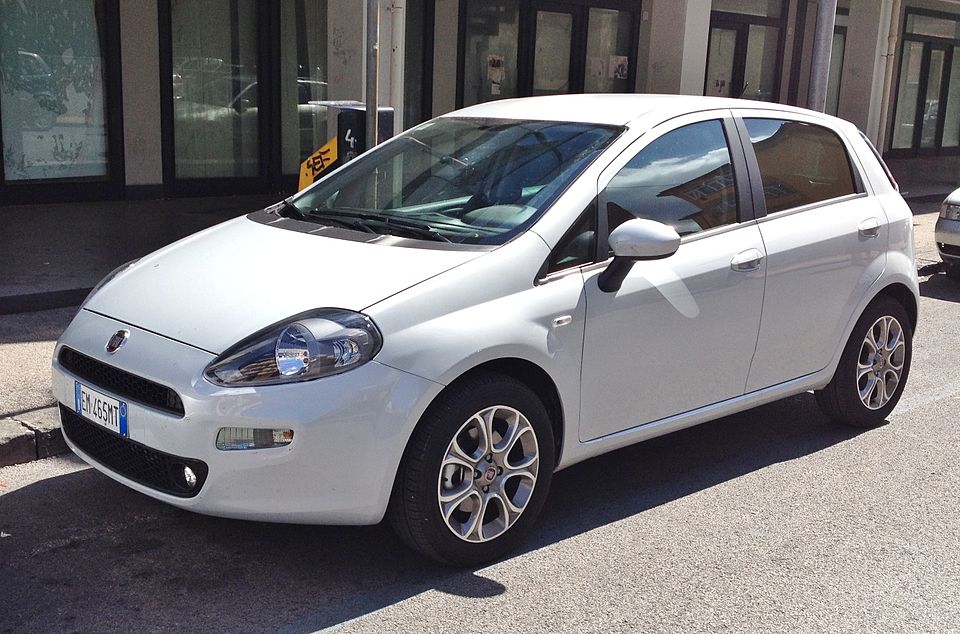
The Fiat Punto has long been one of those cars that quietly earns respect. It may not shout for attention like a sports car or dominate roads like a large SUV, but it delivers something many drivers value even more—practicality. Among the many questions owners and buyers ask, one stands out surprisingly often: What is the Fiat Punto fuel tank capacity?
At first glance, fuel tank capacity might seem like a simple number. Yet it plays a major role in driving range, fuel efficiency, road-trip planning, and even ownership costs. Think of the fuel tank as the heart of your car's endurance. The larger the heart, the farther the journey before needing another stop.
In this comprehensive guide, we'll explore everything about Fiat Punto fuel tank capacity, how it varies across generations, how it affects driving range, fuel economy considerations, and tips for maximizing every liter of fuel.
Content in this publication
- Understanding Fiat Punto Fuel Tank Capacity
- Why Fuel Tank Capacity Matters
- Fiat Punto Fuel Tank Capacity by Generation
- Fuel Tank Capacity Across Different Engine Variants
- How Far Can a Fiat Punto Travel on a Full Tank?
- Factors Affecting Driving Range
- The Relationship Between Fuel Economy and Tank Capacity
- Fiat Punto Fuel Tank Design
- Signs of Fuel Tank Problems
- How to Check Your Exact Fiat Punto Fuel Tank Capacity
- Tips to Maximize Fuel Efficiency
- Fuel Tank Capacity and Road Trips
- Comparing Fiat Punto to Similar Hatchbacks
- Common Misconceptions About Fuel Tank Capacity
- Environmental Considerations
- Future Trends in Fuel Storage
- Why the Fiat Punto Remains Popular
- Final Thoughts
- Frequently Asked Questions
Understanding Fiat Punto Fuel Tank Capacity
Fuel tank capacity refers to the maximum amount of fuel the tank can safely hold. It is usually measured in liters in most countries and gallons in some regions.
For most Fiat Punto models, the fuel tank capacity typically ranges between:
- 45 liters (11.9 gallons)
- 47 liters (12.4 gallons)
The exact figure depends on the model year, engine type, and generation.
This capacity provides an excellent balance between vehicle weight and driving range, making the Punto suitable for both city driving and longer journeys.
Why Fuel Tank Capacity Matters
Many drivers focus solely on fuel economy. However, fuel tank capacity is equally important.
A larger tank means:
- Fewer visits to fuel stations
- Greater driving range
- More convenience during road trips
- Better flexibility in remote areas
Imagine embarking on a journey like a marathon runner. Fuel efficiency determines how quickly energy is used, while tank capacity determines how much energy is available from the start.
Both factors work together.
Fiat Punto Fuel Tank Capacity by Generation
First Generation Fiat Punto (1993–1999)
The original Punto was designed as a practical supermini.
Key characteristics:
- Fuel tank capacity: approximately 47 liters
- Compact dimensions
- Excellent urban usability
Even in the 1990s, this capacity was considered generous for a vehicle in its class.
Second Generation Fiat Punto (1999–2010)
The second-generation model introduced improved comfort and efficiency.
Typical fuel tank capacity:
- Around 47 liters
Drivers appreciated the ability to travel considerable distances without frequent refueling.
Third Generation Fiat Grande Punto (2005–2018)
The Grande Punto represented a significant evolution.
Fuel tank capacity:
- Usually 45 liters
Although slightly smaller than some previous versions, improved engine efficiency often compensated for the difference.
Fiat Punto Evo
The Punto Evo refined the Grande Punto formula.
Fuel tank capacity:
- Approximately 45 liters
The focus shifted toward comfort, technology, and efficiency rather than increasing tank size.
Fuel Tank Capacity Across Different Engine Variants
Petrol Models
Popular petrol engines included:
- 1.2-liter
- 1.4-liter
- 1.4 Turbo
Most petrol versions feature:
- 45–47-liter fuel tanks
Diesel Models
Diesel options included:
- 1.3 Multijet
- 1.6 Multijet
These typically use:
- 45-liter fuel tanks
Because diesel engines generally consume less fuel, they often achieve significantly greater driving ranges.
How Far Can a Fiat Punto Travel on a Full Tank?
This is where fuel tank capacity becomes truly interesting.
Petrol Punto Range
Assuming:
- Fuel tank: 45 liters
- Fuel consumption: 5.8 L/100 km
Estimated range:
- Around 775 kilometers
Diesel Punto Range
Assuming:
- Fuel tank: 45 liters
- Fuel consumption: 4.2 L/100 km
Estimated range:
- Over 1,000 kilometers
That's enough to make many road trips without stopping for fuel.
Factors Affecting Driving Range
Theoretical range rarely matches real-world results.
Several variables influence performance.
Driving Style
Aggressive acceleration can dramatically increase consumption.
Drivers who accelerate smoothly often enjoy:
- Better efficiency
- Longer range
- Reduced engine wear
Traffic Conditions
Stop-and-go traffic acts like a leaking bucket.
Every acceleration consumes additional fuel.
Weather Conditions
Cold temperatures can:
- Increase fuel usage
- Reduce efficiency
- Extend engine warm-up times
Vehicle Load
Extra weight requires more energy.
Common examples include:
- Luggage
- Roof boxes
- Additional passengers
The Relationship Between Fuel Economy and Tank Capacity
Fuel tank capacity and fuel economy work hand in hand.
Consider two cars:
| Vehicle | Tank Size | Fuel Economy |
|---|---|---|
| Car A | 45 L | 5 L/100 km |
| Car B | 60 L | 8 L/100 km |
Although Car B has a larger tank, Car A may achieve a similar driving range.
This demonstrates why tank size alone never tells the complete story.
Fiat Punto Fuel Tank Design
Engineering Considerations
The Punto's fuel tank is strategically positioned to:
- Improve weight distribution
- Maximize interior space
- Enhance safety
Fiat engineers designed the tank to integrate efficiently into the vehicle's structure.
Safety Features
Modern Punto fuel systems include:
- Evaporative emission controls
- Fuel vapor management
- Secure fuel lines
- Crash-resistant tank placement
These systems help improve both safety and environmental performance.
Signs of Fuel Tank Problems
Although generally reliable, fuel tanks can develop issues over time.
Fuel Smell Around the Vehicle
A noticeable gasoline odor may indicate:
- Leaking fuel lines
- Damaged seals
- Tank corrosion
Unexpected Fuel Loss
If fuel disappears faster than expected, investigate:
- Leaks
- Faulty fuel sensors
- Evaporation system issues
Fuel Gauge Inaccuracy
Sometimes the tank isn't the problem.
The culprit may be:
- Fuel level sender unit
- Electrical connections
- Dashboard instrumentation
How to Check Your Exact Fiat Punto Fuel Tank Capacity
Different markets and model years may vary.
The most reliable sources include:
Owner's Manual
This remains the definitive reference.
Manufacturer Documentation
Factory specifications provide exact details.
Vehicle Identification Information
Dealerships can often confirm specifications using the VIN.
Tips to Maximize Fuel Efficiency
A full tank lasts longer when fuel is used wisely.
Maintain Proper Tire Pressure
Underinflated tires increase rolling resistance.
Benefits of correct pressure:
- Better economy
- Improved handling
- Longer tire life
Reduce Excess Weight
Every unnecessary kilogram matters.
Remove:
- Unused tools
- Excess cargo
- Heavy items not needed daily
Drive Smoothly
Imagine carrying a cup filled to the brim.
Smooth movements prevent waste.
The same principle applies to fuel.
Regular Maintenance
Keep up with:
- Oil changes
- Air filter replacements
- Spark plug servicing
A healthy engine burns fuel more efficiently.
Fuel Tank Capacity and Road Trips
Road-trip enthusiasts often overlook fuel tank size during planning.
The Punto's capacity offers several advantages:
Convenience
Fewer refueling stops mean:
- Faster travel
- Less disruption
- More enjoyment
Flexibility
Drivers can choose fuel stations strategically rather than out of necessity.
Budget Control
Fuel prices vary significantly between locations.
A larger effective range allows drivers to purchase fuel where prices are more favorable.
Comparing Fiat Punto to Similar Hatchbacks
Fiat Punto vs Ford Fiesta
Typical capacities:
- Punto: 45–47 liters
- Fiesta: 42–45 liters
The Punto often offers a slight advantage.
Fiat Punto vs Volkswagen Polo
Typical capacities:
- Punto: 45–47 liters
- Polo: 45 liters
Very similar performance.
Fiat Punto vs Renault Clio
Typical capacities:
- Punto: 45–47 liters
- Clio: 45 liters
Again, closely matched.
This places the Punto comfortably within class standards.
Common Misconceptions About Fuel Tank Capacity
Bigger Tanks Always Mean Better Cars
Not necessarily.
Large tanks:
- Increase weight
- Occupy more space
- May not improve efficiency
Fuel Warning Lights Mean Empty Tanks
Most vehicles retain reserve fuel.
In many Punto models, there may still be several liters remaining when the warning light appears.
However, relying on reserve fuel regularly is not recommended.
Topping Off the Tank Is Helpful
Continuing to add fuel after the pump automatically stops can:
- Damage emissions systems
- Increase fuel evaporation
- Create unnecessary pressure
It's better to stop when the pump clicks.
Environmental Considerations
Efficient fuel usage benefits both drivers and the environment.
The Fiat Punto's modest tank size reflects a balanced approach:
- Practical driving range
- Lower vehicle weight
- Reduced fuel consumption
- Improved emissions performance
Like a well-packed backpack, it carries enough without becoming a burden.
Future Trends in Fuel Storage
The automotive industry is evolving rapidly.
Modern trends include:
- Hybrid powertrains
- Electric vehicles
- Lightweight materials
- Alternative fuels
Yet fuel tank capacity remains relevant for millions of conventional vehicles currently on the road.
For Fiat Punto owners, understanding tank capacity helps optimize daily driving and long-distance travel alike.
Why the Fiat Punto Remains Popular
Despite newer competitors entering the market, the Punto continues to attract loyal fans.
Reasons include:
- Affordable ownership
- Reliable engines
- Practical dimensions
- Efficient fuel usage
- Respectable driving range
The fuel tank capacity contributes significantly to this practicality.
A car that doesn't constantly demand refueling becomes easier to live with day after day.
Final Thoughts
The Fiat Punto fuel tank capacity typically falls between 45 and 47 liters, depending on the model generation and engine variant. While that number may seem modest on paper, it works remarkably well alongside the Punto's efficient engines to deliver impressive driving ranges.
Whether we're commuting through city streets, navigating country roads, or embarking on a weekend adventure, the Punto's fuel tank provides a practical balance between convenience, efficiency, and cost-effectiveness. Like a trusted travel companion carrying just the right amount of supplies, it offers enough capacity to keep us moving without adding unnecessary bulk.
Understanding your specific model's fuel tank capacity allows better trip planning, improved fuel management, and a deeper appreciation for the thoughtful engineering behind one of Fiat's most enduring hatchbacks.
Frequently Asked Questions
1. What is the fuel tank capacity of a Fiat Punto?
Most Fiat Punto models have a fuel tank capacity between 45 and 47 liters, depending on the generation and engine type.
2. How far can a Fiat Punto travel on a full tank?
A Fiat Punto can typically travel between 700 and 1,000 kilometers on a full tank, depending on fuel economy and driving conditions.
3. Does the Fiat Grande Punto have a different fuel tank size?
Yes. Most Grande Punto models use a 45-liter fuel tank, slightly different from some earlier versions.
4. How much reserve fuel remains when the warning light comes on?
Most Punto models still have several liters of fuel remaining when the warning light illuminates, though the exact amount varies by model.
5. Is the Fiat Punto fuel-efficient?
Yes. Both petrol and diesel Punto models are generally known for good fuel economy and practical long-distance driving capability.
If you want to know other articles similar to Fiat Punto Fuel Tank Capacity: Everything We Need to Know you can visit the category Service and Parts.
Nissan Qashqai Fuel Tank Capacity: Complete Guide

Suzuki Swift Fuel Tank Capacity: Complete Guide
Mazda CX-5 Weight (2013–2026): Complete Guide in Pounds and KG
Kia Sportage Dashboard Symbols and Warning Lights

MINI Cooper Weight (2002–2027): Complete Weight Chart & Guide

Toyota RAV4 Engine Sizes: Complete Guide (1994–2026)
Leave a Reply
More content of your interest