

Ford Ranger Timing Belt Replacement Cost: Complete Price Guide

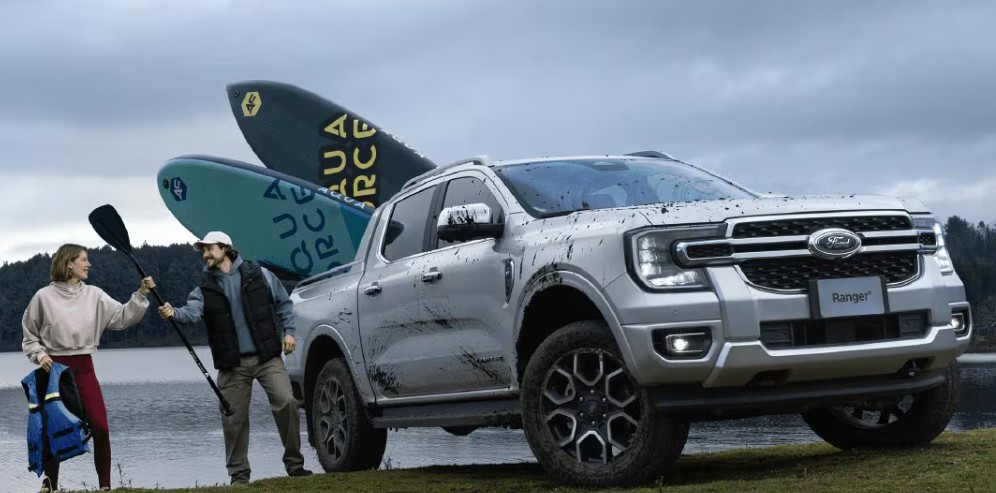
The Ford Ranger timing belt replacement cost can range from a relatively manageable workshop bill to a four-figure repair that makes us stare at the estimate twice. Why such a wide gap? Because the Ranger has been sold worldwide with many different engines, and not every Ranger even uses a conventional timing belt.
Some versions have a timing chain. Others use a traditional dry timing belt. Newer 2.0-litre EcoBlue diesels may use a belt that operates in engine oil, commonly called a wet belt. Each system requires different parts, tools, labor, and maintenance procedures.
As a broad guide, owners may pay:
- £700–£1,400 in the UK
- €850–€1,650 in parts of Europe
- A$1,200–A$2,800 in Australia
- NZ$2,600–NZ$3,400 for some EcoBlue wet-belt jobs
- US$800–US$2,000 where a belt-equipped Ranger is serviced
- Considerably more when belt failure has already damaged the engine
These figures are estimates rather than universal prices. Ford notes that timing-system work may require up to eight labor hours, with the final bill depending on engine layout, local labor rates, and whether related components are replaced at the same time.
Before booking anything, we need to identify the exact engine under the bonnet. Paying for a “timing belt replacement” when our Ranger actually has a chain would be like ordering new shoelaces for a pair of boots with zippers.
Content in this publication
- Does Every Ford Ranger Have a Timing Belt?
- Average Ford Ranger Timing Belt Replacement Cost
- Ford Ranger 2.0 EcoBlue Wet-Belt Replacement Cost
- Older Ford Ranger Timing Belt Replacement Cost
- Timing Belt Versus Timing Chain Costs
- What Determines the Final Replacement Price?
- Recommended Ford Ranger Timing Belt Interval
- Signs a Ford Ranger Timing Belt May Need Attention
- What Happens If the Timing Belt Breaks?
- Can We Replace a Ranger Timing Belt Ourselves?
- Dealer Versus Independent Garage
- How to Reduce Ford Ranger Timing Belt Replacement Costs
- Is a Cheap Timing Belt Quote a Red Flag?
- Is Timing Belt Replacement Worth It on an Older Ranger?
- Buying a Used Ford Ranger: Timing System Checklist
- Preventive Replacement Versus Repair After Failure
- How Long Does the Replacement Take?
- What Should a Complete Invoice Show?
- Ford Ranger Timing Belt Replacement Cost: Final Verdict
- Frequently Asked Questions
Does Every Ford Ranger Have a Timing Belt?
No. This is the most important point in the entire guide.
The Ford Ranger has existed across numerous generations and markets, including North America, Europe, Australia, New Zealand, South Africa, Southeast Asia, and Latin America. Engine specifications differ significantly between them.
Depending on the model year and engine, a Ranger may have:
- A conventional dry timing belt
- An oil-immersed wet timing belt
- A timing chain
- More than one timing drive component within the engine
For example, many 2.2-litre and 3.2-litre Duratorq diesel Rangers are generally associated with chain-driven camshaft systems rather than a routine conventional cambelt replacement. Meanwhile, certain 2.0-litre EcoBlue diesel engines use a wet timing belt arrangement.
Older Ranger and Mazda-derived engines may use different systems again. North American petrol-powered Rangers commonly use timing chains, meaning a scheduled timing-belt service may not apply at all.
Why Engine Identification Matters
A registration number, VIN, engine code, or exact model description can prevent a costly misunderstanding. “2019 Ford Ranger” is not enough information because a 2019 Ranger sold in the United States may have a completely different engine from one sold in Britain, Thailand, or Australia.
Before requesting quotations, confirm:
- Model year
- Engine displacement
- Fuel type
- Power output
- Two-wheel-drive or four-wheel-drive configuration
- Engine code, when available
- Country where the truck was originally sold
That small amount of homework can save us from comparing prices for entirely different jobs.
Average Ford Ranger Timing Belt Replacement Cost
A standard timing-belt replacement usually includes the belt, tensioner, guide pulleys, seals or fasteners where required, and several hours of labor. A wet-belt replacement can be more expensive because access is difficult and the job may involve cleaning the oil system, removing covers, replacing additional belts, and fitting single-use components.
Estimated Cost by Region
| Region | Typical Estimated Cost | Notes |
|---|---|---|
| United Kingdom | £700–£1,400 | Wet-belt work may start near £1,000 |
| Europe | €850–€1,650 | Dealer labor often raises the total |
| Australia | A$1,200–A$2,800 | Varies heavily by engine and workshop |
| New Zealand | NZ$2,600–NZ$3,400 | Commonly quoted for 2.0 EcoBlue wet-belt service |
| United States | US$800–US$2,000 | Mainly relevant to imported or older belt-driven models |
| South Africa | R14,000–R35,000 | Parts availability and engine type matter |
| Southeast Asia | US$500–US$1,500 equivalent | Labor may be cheaper, while genuine parts remain costly |
Australian repair-market estimates place general Ford timing-belt replacement work at roughly A$550 to A$1,300, although a Ranger wet-belt job may exceed that range due to its complexity.
In New Zealand, one specialist publishes an estimated range of NZ$2,600 to NZ$3,400, including GST, for a Ranger wet-belt replacement, depending partly on whether the truck is two-wheel drive or four-wheel drive.
These numbers should be treated as budgeting guides. A written quotation based on the VIN is always more reliable.
Ford Ranger 2.0 EcoBlue Wet-Belt Replacement Cost
The 2.0 EcoBlue diesel deserves its own section because its timing system is usually more involved than a basic external belt replacement.
A wet belt runs inside the engine and is exposed to engine oil. The design can reduce noise and friction, but it also makes oil quality exceptionally important. The belt material must tolerate heat, oil, pressure, and thousands of operating cycles.
When everything is healthy, the system quietly does its job in the background. When the belt begins to deteriorate, however, small particles may contaminate the oil. In severe cases, debris can restrict the oil-pump pickup, reduce lubrication, or contribute to major engine damage.
Typical EcoBlue Wet-Belt Price
A realistic independent-garage price may begin around £900 to £1,100, while comprehensive work can climb toward £1,400 or more. Ford-commercial specialists in the UK advertise some Ranger and Transit 2.0 EcoBlue wet-belt services from approximately £1,000.
The quotation may include:
- Primary timing belt
- Oil-pump belt, when applicable
- Tensioners and guides
- Front-cover seals
- Crankshaft fasteners
- Engine oil and filter
- Coolant
- Cleaning of the sump and oil pickup
- Inspection for belt debris
- Diagnostic checks
- Several hours of specialist labor
A suspiciously cheap quotation may exclude some of those items. That does not automatically make it dishonest, but we should ask exactly what is included.
Why Wet-Belt Jobs Cost More
A dry timing belt is normally mounted behind protective covers outside the engine’s oil supply. A wet belt sits in a far less accessible environment. The technician may have to remove several assemblies, support the engine, lock the crankshaft and camshaft precisely, reseal covers, replenish fluids, and verify oil pressure.
This is surgery rather than a quick haircut.
Older Ford Ranger Timing Belt Replacement Cost
Older Rangers require careful identification because their engines vary widely. Some were closely related to Mazda powertrains, while others used Ford diesel or petrol engines specific to particular markets.
A traditional dry-belt replacement on an older model may cost less than EcoBlue wet-belt work. Independent workshops might quote the equivalent of £450 to £900, depending on parts availability and access.
However, an inexpensive older truck does not guarantee an inexpensive repair. Rusted bolts, oil leaks, obsolete components, previous incorrect work, and limited access can all stretch the labor time.
Should the Water Pump Be Replaced Too?
When the timing belt drives the water pump, replacing both at the same time usually makes financial sense. Ford’s maintenance guidance notes that the water pump and timing belt often have similar service lives and may be worth replacing together.
Imagine paying someone to remove a locked door, replace one item inside the room, reinstall the door, and then repeat the entire operation six months later. That is essentially what happens when an old water pump is left behind during an accessible belt service.
A complete kit may include:
- Timing belt
- Tensioner
- Idler pulleys
- Water pump
- Gaskets
- Auxiliary belt
- Fresh coolant
- New bolts where specified
The additional parts increase today’s invoice but may reduce tomorrow’s labor bill.
Timing Belt Versus Timing Chain Costs
A timing belt and a timing chain perform a similar basic role: they synchronize the crankshaft and camshaft so the valves and pistons move in harmony.
The difference lies in construction and operating environment.
Timing Belt
A belt is usually made from reinforced rubber or advanced composite materials. It is quiet and light but has a defined inspection or replacement schedule.
Timing Chain
A chain is made from metal and generally operates in engine oil. It is often designed to last much longer than a belt, but it is not immortal.
A chain may require replacement if it stretches, rattles, loses tension, or suffers from guide or tensioner failure.
Which One Costs More?
A timing-chain replacement often costs more because the chain can be buried deep inside the engine. Depending on the Ranger engine and the damage involved, chain work may cost £1,000 to £2,500 or more.
That means Ranger owners should not assume that having a chain guarantees a free lifetime pass. It simply changes the maintenance conversation.
What Determines the Final Replacement Price?
Two garages can quote very different prices without either being wrong. The final cost is shaped by several moving pieces.
1. Engine Design
An accessible dry belt is cheaper to replace than a wet belt hidden behind sealed engine components. Some engines also require special locking tools or additional disassembly.
2. Labor Rate
A rural independent workshop may charge far less per hour than a franchised dealer in a major city.
Because the operation may take several hours, even a modest hourly-rate difference can add hundreds to the invoice.
3. Genuine or Aftermarket Parts
Genuine Ford components usually cost more. Reputable original-equipment-quality kits can offer good value, but unknown budget kits may turn a sensible repair into a gamble.
The cheapest belt is not necessarily inexpensive once we include the cost of removing the engine again.
4. Associated Components
The quoted price rises when the job includes:
- Water pump
- Oil-pump belt
- Auxiliary belt
- Tensioners
- Pulleys
- Oil seals
- Engine mounts
- Oil and filter
- Coolant
- Sump removal and cleaning
A higher quotation may actually provide better value if it covers all the components likely to fail next.
5. Existing Damage
Preventive replacement is one thing. Repairing a failed or deteriorating system is another.
If belt material has entered the oil system, the workshop may need to remove and clean the sump, inspect the oil pickup, check oil pressure, and investigate bearing or turbocharger damage.
6. Two-Wheel Drive or Four-Wheel Drive
On some Ranger configurations, four-wheel-drive components can make access more difficult. More obstacles mean more workshop time.
7. Local Parts Availability
A timing kit may be inexpensive in one country and costly in another. Import charges, shipping delays, and limited supply can push prices upward, especially for older or uncommon engines.
Recommended Ford Ranger Timing Belt Interval
There is no single correct interval for every Ford Ranger.
The proper interval depends on the engine code, build date, model year, market, and any updated manufacturer guidance. Ford recommends checking the specific owner’s manual or contacting a dealer for the correct schedule rather than relying on a universal figure.
Common Interval Ranges
Depending on the version, we may encounter schedules such as:
- 100,000 miles
- 144,000 miles
- 150,000 miles
- 160,000 kilometres
- Six years
- Ten years
- Whichever comes first
Some UK service providers report that the interval for particular 2.0 EcoBlue applications has changed from longer schedules to approximately six years or 100,000 miles. Because guidance may differ by build specification and country, owners should verify the current recommendation against their VIN rather than applying that interval blindly.
Mileage Is Not the Only Clock
A Ranger that travels only 8,000 miles each year may appear lightly used, yet the belt continues to age. Heat cycles, oil contamination, time, moisture, and chemical exposure do not pause simply because the odometer moves slowly.
That is why service schedules usually state a mileage or age limit.
Signs a Ford Ranger Timing Belt May Need Attention
Timing belts can fail without generous warning, so scheduled maintenance is more reliable than waiting for symptoms. Still, several signs deserve immediate investigation.
Possible Warning Signs
- Unusual ticking or slapping noises
- Difficult starting
- Rough idling
- Reduced power
- Engine misfires
- Oil-pressure warning
- Metal or rubber debris in engine oil
- Oil leaking from the timing-cover area
- Camshaft or crankshaft correlation fault codes
- Excessive exhaust smoke
- Engine-management light
- Sudden engine shutdown
A wet belt may deteriorate internally before producing an obvious external clue. Regular oil changes using the exact approved specification are therefore essential.
Stop Driving When Oil Pressure Drops
An oil-pressure warning is not a polite suggestion. It is the engine waving a red flag from a burning building.
If the oil-pressure light remains illuminated, switch off the engine as soon as it is safe. Continuing to drive may damage bearings, the turbocharger, camshafts, or the entire engine.
What Happens If the Timing Belt Breaks?
Many diesel engines are interference engines. This means the pistons and valves occupy the same physical space at different moments.
The timing belt keeps their movements synchronized. When it breaks or jumps teeth, that carefully choreographed dance becomes a collision.
Possible damage includes:
- Bent valves
- Damaged pistons
- Broken rocker arms
- Cylinder-head damage
- Camshaft damage
- Turbocharger damage from lubrication problems
- Complete engine failure
A preventive replacement costing £1,000 may feel painful, but it can look remarkably small beside a £6,000 to £12,000 engine replacement.
Can We Replace a Ranger Timing Belt Ourselves?
Experienced technicians with the correct tools may complete the job, but this is not a forgiving beginner project.
The engine must be positioned accurately, and the crankshaft and camshaft may require dedicated locking equipment. Incorrect timing by even a small amount can lead to poor running or internal damage.
Wet-belt work may also involve:
- Removing the sump
- Cleaning the oil pickup
- Applying specialist sealant
- Replacing torque-to-yield bolts
- Following exact tightening sequences
- Priming the oil system
- Confirming oil pressure
- Updating service records
Unless we have advanced mechanical experience, workshop information, torque data, and model-specific tools, professional replacement is the safer path.
Dealer Versus Independent Garage
Both options can be sensible.
Ford Dealer Advantages
- Access to manufacturer procedures
- VIN-specific service information
- Genuine Ford parts
- Familiarity with technical updates
- Dealer-backed warranty
- Complete digital service history
Independent Specialist Advantages
- Lower labor rates
- Greater flexibility in parts choice
- Direct contact with the technician
- Experience with recurring EcoBlue issues
- Potentially faster booking times
The best independent garage is not merely the cheapest. Look for one that has already completed the same repair on the same Ranger engine.
Questions to Ask Before Booking
Ask the workshop:
- Is this quotation based on my VIN?
- Does the engine have a dry belt, wet belt, or chain?
- Which parts are included?
- Is the oil-pump belt included?
- Will the sump and oil pickup be inspected?
- Are the tensioners and pulleys replaced?
- Are oil, coolant, filters, seals, and bolts included?
- What warranty covers the work?
- Have you repaired this engine type before?
- Could the final bill increase after inspection?
A detailed quotation protects both sides.
How to Reduce Ford Ranger Timing Belt Replacement Costs
We cannot negotiate away the mechanical work, but we can manage the expense intelligently.
Compare Like-for-Like Quotations
One garage may quote only the belt and labor. Another may include tensioners, seals, fluids, the oil-pump belt, and sump cleaning.
The first number looks cheaper because half the job is hiding outside the quotation.
Use a Ranger or EcoBlue Specialist
A specialist who performs the job regularly may complete it more efficiently and spot early signs of trouble that a general workshop overlooks.
Replace Accessible Wear Parts Together
Replacing an auxiliary belt, water pump, seal, or tensioner during the main repair may cost less than paying for repeated disassembly later.
Book Before the Deadline
Emergency repairs destroy our negotiating power. When the truck is already immobile, we cannot comfortably compare workshops or wait for parts.
Maintain the Correct Oil Specification
This matters especially on wet-belt engines. Incorrect oil may affect belt materials and lubrication performance.
Use the exact specification listed by Ford for the engine—not merely an oil with the same viscosity printed on the bottle.
Is a Cheap Timing Belt Quote a Red Flag?
Not always. An independent specialist may have lower overheads or better access to quality parts.
However, investigate any quotation that sits dramatically below the local average.
The workshop may be excluding:
- Oil-pump belt replacement
- Tensioners
- Sump removal
- Oil-pickup cleaning
- New engine oil
- Coolant
- Seals
- Single-use bolts
- Diagnostic work
- Taxes
A quotation should state whether the price is fixed or subject to inspection.
Is Timing Belt Replacement Worth It on an Older Ranger?
That depends on the truck’s overall condition, not simply its age.
Consider:
- Market value
- Chassis and body condition
- Transmission health
- Turbocharger condition
- Injector performance
- Maintenance history
- Remaining finance
- Expected annual mileage
- Cost of a replacement vehicle
Spending £1,200 on a dependable, rust-free Ranger may be sensible. Spending the same amount on a truck with structural corrosion, transmission trouble, and severe engine wear may not be.
The timing-belt bill should be viewed as one chapter in the truck’s story, not the whole book.
Buying a Used Ford Ranger: Timing System Checklist
When buying a used Ranger, never accept “the belt was probably done” as proof.
Request:
- Dated invoice
- Workshop name
- Recorded mileage
- Parts list
- Belt-kit brand
- Evidence of oil-pump-belt replacement where applicable
- Service-book entry
- Details of the next due date
A sticker under the bonnet is helpful, but an invoice is stronger evidence.
If no proof exists, budget for replacement immediately when the engine requires scheduled belt service.
Watch for Fresh Oil Before Sale
Fresh oil is normally positive, but it can also hide clues. We may not see old belt debris, fuel dilution, or neglected maintenance after the seller has just changed the oil.
A professional pre-purchase inspection remains worthwhile.
Preventive Replacement Versus Repair After Failure
Preventive replacement feels expensive because the truck may seem to run perfectly. Yet that is exactly the point. We are replacing the component before it turns a functioning engine into a box of expensive metal fragments.
| Situation | Likely Cost Level |
| Scheduled dry-belt replacement | Moderate |
| Scheduled wet-belt replacement | Moderate to high |
| Belt replacement plus oil-system cleaning | High |
| Cylinder-head repair after belt failure | Very high |
| Complete engine replacement | Extremely high |
Maintenance is rarely exciting. Neither is paying for insurance. Both become fascinating the moment we need them.
How Long Does the Replacement Take?
Ford states that timing-belt or timing-chain work may take up to eight hours depending on the engine.
A workshop may keep the vehicle longer because it needs to:
- Allow sealant to cure
- Order additional parts
- Clean internal components
- Perform an oil-pressure test
- Road-test the vehicle
- Recheck for leaks
- Complete diagnostic scans
A dry-belt job may be completed within one working day. More complex wet-belt repairs may require one to three days, especially when contamination is discovered.
What Should a Complete Invoice Show?
A professional invoice should identify:
- Vehicle registration and VIN
- Recorded mileage
- Engine type
- Parts fitted
- Part numbers
- Oil specification
- Coolant specification
- Labor hours
- Additional inspection findings
- Warranty period
- Next replacement date or mileage
Keep the invoice with the vehicle records. It adds confidence for future buyers and prevents confusion when the next service approaches.
Ford Ranger Timing Belt Replacement Cost: Final Verdict
The typical Ford Ranger timing belt replacement cost ranges from roughly £700 for simpler applications to £1,400 or more for complex wet-belt work. In New Zealand, some EcoBlue replacements may reach NZ$2,600 to NZ$3,400, while Australian and European prices vary according to labor rates, engine type, and the number of related components replaced.
The biggest mistake is assuming every Ranger uses the same timing system. Some have chains, some have dry belts, and some 2.0 EcoBlue diesels have oil-immersed wet belts. Before comparing prices, identify the engine through the VIN and request an itemized quotation.
We should also resist the temptation to judge the estimate by its headline number alone. A comprehensive quotation covering tensioners, seals, fluids, oil-system inspection, and related belts may offer far better value than a cheap belt-only price.
Ultimately, timely replacement is less about buying a strip of reinforced material and more about protecting the engine around it. The belt may be small, but it conducts the engine like a maestro. When it loses the beat, every expensive component in the orchestra can collide.
Frequently Asked Questions
1. How much does a Ford Ranger timing belt replacement cost?
A typical replacement may cost between £700 and £1,400 in the UK, although simpler dry-belt engines may cost less and complex 2.0 EcoBlue wet-belt jobs may cost more. Prices depend on labor, location, engine type, parts quality, and additional work.
2. Does the Ford Ranger 2.2 diesel have a timing belt?
Many modern 2.2 Duratorq Ranger engines use a timing-chain arrangement rather than a conventional scheduled timing belt. Specifications can vary by market and year, so confirm the system using the VIN or engine code.
3. How often should a Ford Ranger wet belt be replaced?
The interval depends on the exact engine, build date, and market. Some schedules and service providers cite intervals ranging from six years or 100,000 miles to ten years or approximately 144,000 miles. Always obtain current VIN-specific guidance from Ford.
4. Should the oil-pump belt be replaced with the timing belt?
When the engine uses a separate oil-pump belt and it is accessible during the repair, replacing it may be strongly advisable. Ask whether it is included, because some low quotations cover only the main timing belt.
5. Can a failed timing belt destroy a Ford Ranger engine?
Yes. If the engine is an interference design, belt failure can allow the pistons and valves to collide. Damage may include bent valves, broken rockers, damaged pistons, cylinder-head failure, or the need for a replacement engine.
If you want to know other articles similar to Ford Ranger Timing Belt Replacement Cost: Complete Price Guide you can visit the category Service and Parts.
Volvo S90 Engine Oil: Type, Capacity & Change Guide
Volvo S90 Boot Space: Size, Capacity and Practicality
SEO Title: Volvo S90 Oil Capacity: Complete Guide by Engine

Kia Sorento Oil Type: Complete Guide by Year & Engine
Kia Sorento Engine Capacity: Complete Guide by Year
Peugeot 308 Clutch Replacement Cost: Complete UK Guide for 2026
Leave a Reply
More content of your interest