

GMC Sierra Gas or Diesel: Which Engine Should We Choose?

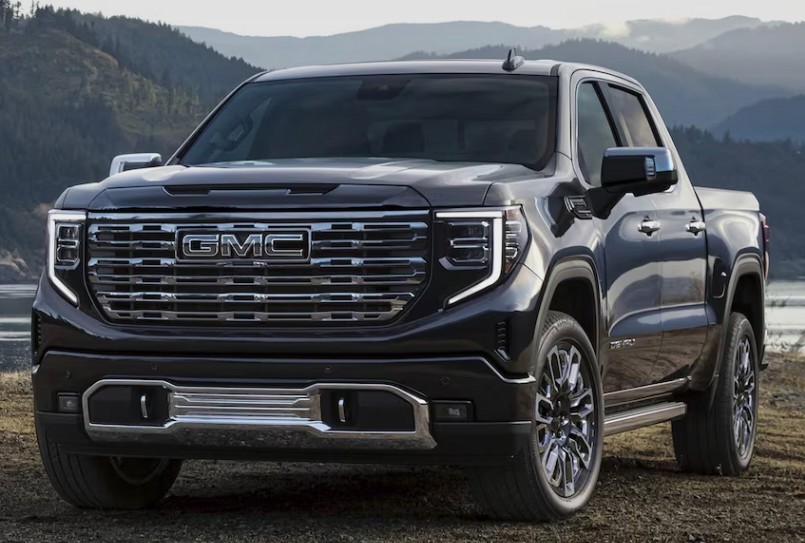
Choosing between a GMC Sierra gas or diesel engine sounds simple until we start comparing towing strength, fuel economy, maintenance costs, daily comfort, purchase price, and long-term ownership. Suddenly, we are not just picking a fuel type. We are deciding how the truck will work, feel, and cost us money for years.
The good news is that the GMC Sierra has offered a wide range of capable gasoline and diesel engines across its generations. From dependable small-block gas V8s to the torquey Duramax diesel family, there is no universally bad choice. There is only an engine that fits—or fails to fit—the job we expect it to do.
For most everyday drivers, a gas Sierra is usually the more affordable, convenient, and straightforward option. For drivers who tow heavy trailers regularly, travel long highway distances, or depend on their truck for demanding work, a diesel Sierra may justify its higher initial and maintenance costs.
So, which side should we choose? Let us break down the decision without turning it into an engineering lecture.
Content in this publication
- GMC Sierra Gas or Diesel: The Quick Answer
- Understanding the GMC Sierra Engine Lineup
- How Gas and Diesel Engines Feel Different
- GMC Sierra Gas Engine Advantages
- GMC Sierra Diesel Engine Advantages
- GMC Sierra 1500 Gas or Diesel
- GMC Sierra 2500HD Gas or Diesel
- GMC Sierra 3500HD Gas or Diesel
- Fuel Economy: Will Diesel Save Enough Money?
- Maintenance Costs: Gas Versus Diesel
- Reliability Across Older Sierra Generations
- Cold Weather: Gas or Diesel?
- Gas or Diesel for Off-Road Driving
- Gas or Diesel for Daily Driving
- Gas or Diesel for Towing a Travel Trailer
- Which Engine Is Better for Long-Term Ownership?
- Common Mistakes When Choosing Gas or Diesel
- GMC Sierra Gas or Diesel Comparison Table
- Which GMC Sierra Engine Should We Buy?
- Final Verdict: GMC Sierra Gas or Diesel
- Frequently Asked Questions
GMC Sierra Gas or Diesel: The Quick Answer
A gas GMC Sierra is generally best for:
- Daily commuting
- Short trips and city driving
- Light or occasional towing
- Lower initial purchase costs
- Simpler maintenance
- Owners who drive relatively few miles each year
- Drivers who prioritize horsepower and quick acceleration
A diesel GMC Sierra is generally best for:
- Frequent towing
- Heavy trailers and fifth wheels
- Long-distance highway driving
- Commercial or farm use
- Strong low-rpm pulling power
- Better fuel efficiency under sustained loads
- Drivers who plan to keep the truck for many years
That distinction gives us a useful starting point, but the complete answer depends heavily on whether we are shopping for a Sierra 1500, 2500HD, or 3500HD.
Understanding the GMC Sierra Engine Lineup
The Sierra’s engine range has changed considerably over the years. Older trucks often featured naturally aspirated V6 or V8 gasoline engines, while heavy-duty models could be equipped with large-displacement gasoline V8s or Duramax diesel engines.
Modern Sierra 1500 models have offered engines such as:
- Turbocharged four-cylinder gasoline engines
- 5.3-liter gasoline V8 engines
- 6.2-liter gasoline V8 engines
- 3.0-liter Duramax inline-six turbo-diesel engines
Modern Sierra 2500HD and 3500HD trucks typically give buyers a choice between:
- A 6.6-liter gasoline V8
- A 6.6-liter Duramax turbo-diesel V8
For the 2026 Sierra 1500, GMC lists its 3.0-liter Duramax at 305 horsepower and 495 lb-ft of torque, paired with a 10-speed automatic transmission. GMC also advertises an available maximum towing rating of 13,300 pounds in the correct configuration.
In the Sierra HD lineup, the current 6.6-liter gasoline V8 produces 401 horsepower and 464 lb-ft of torque. The available 6.6-liter Duramax delivers 470 horsepower and 975 lb-ft of torque and is paired with an Allison-branded 10-speed automatic transmission.
Those figures immediately reveal the central difference: gas engines can deliver excellent horsepower, but the heavy-duty diesel’s torque is in another universe.
How Gas and Diesel Engines Feel Different
A gasoline Sierra often feels lively, smooth, and willing to rev. Press the accelerator, and the engine climbs through its rpm range like a runner building speed.
A diesel feels different. It normally produces its strongest pulling power much earlier. Instead of racing toward high rpm, it leans into the load like a strong draft horse.
That low-speed torque is why diesel engines work so well for towing. The truck does not need to rev as aggressively when starting on a hill, merging with a trailer, or maintaining speed on a grade.
However, more torque does not automatically make diesel the better choice for every owner. Buying a diesel solely because its specifications look impressive is like buying work boots for a walk across the living room. The capability is real, but we may never use it.
GMC Sierra Gas Engine Advantages
Lower Purchase Price
The clearest gas-engine advantage is usually the lower purchase price.
Diesel engines commonly require a substantial upgrade charge, especially in heavy-duty trucks. The final price difference may also increase because the diesel is bundled with a particular transmission, axle ratio, trim, or equipment package.
A lower entry cost matters because diesel fuel savings do not instantly recover the premium. We may need to drive tens of thousands of miles before improved fuel efficiency begins to offset the engine’s higher purchase price—and that assumes fuel prices and maintenance costs cooperate.
For buyers working within a fixed budget, choosing gas may also leave room for features that improve everyday life, such as:
- Four-wheel drive
- A preferred cab configuration
- A longer bed
- Heated seats
- Advanced towing cameras
- A higher trim level
- Safety and driver-assistance technology
An engine is important, but it is not the only part of the truck we use.
Simpler Ownership
Gasoline engines generally involve fewer diesel-specific components.
Modern diesel trucks may include:
- Diesel exhaust fluid systems
- Diesel particulate filters
- Selective catalytic reduction equipment
- High-pressure fuel injection
- Turbochargers
- Additional emissions sensors
- Exhaust temperature sensors
- Specialized fuel filters
These systems help modern diesel engines meet emissions standards and operate efficiently. Nevertheless, they add complexity.
A gasoline Sierra is not a simple tractor from the 1970s. Modern gas engines also use advanced electronics, direct injection, cylinder-management technology, turbocharging on some versions, and sophisticated emissions equipment. Even so, routine gas ownership is often easier for drivers who do not need diesel capability.
Better for Short Trips
Short-distance driving can be challenging for a modern diesel, especially when the engine rarely reaches full operating temperature.
A diesel particulate filter traps soot and periodically burns it off through a process known as regeneration. Frequent longer drives help this process occur normally. Repeated short trips, extended low-speed operation, or constant stop-and-go use may interfere with successful regeneration.
That does not mean a diesel cannot be driven in town. It means a buyer whose normal journey is five minutes to the store and ten minutes to work may not be using the engine in its ideal environment.
A gasoline engine typically suits this routine better.
More Convenient Fuel Availability
Gasoline is available nearly everywhere. Diesel is also widely available, but not every station has the same number of diesel pumps, and some busy locations make trailer access awkward.
This difference may feel minor until we are pulling a large camper through an unfamiliar town and discover that the only diesel pump is squeezed beside the building.
Gasoline generally wins the convenience contest.
Quieter Cold Starts
Modern diesels are far quieter and smoother than older examples, but gasoline engines usually remain quieter, particularly during cold starts and low-speed operation.
Owners who remember rattling older diesel pickups may be surprised by how refined a modern Duramax feels. Still, a gas V8 often delivers the more traditional smooth and mellow experience.
For some buyers, the rumble of a gasoline V8 is part of the Sierra’s personality. It sounds like a pickup should sound—confident without turning every grocery run into a construction site.
GMC Sierra Diesel Engine Advantages
Exceptional Low-End Torque
Torque is the diesel engine’s headline act.
The modern 3.0-liter Duramax in the Sierra 1500 produces 495 lb-ft of torque, while the heavy-duty 6.6-liter Duramax produces 975 lb-ft.
This torque arrives relatively low in the rpm range, exactly where we want it while moving a heavy load.
That translates into:
- Easier trailer launches
- Less frantic downshifting
- Stronger hill-climbing ability
- More relaxed highway towing
- Better control under sustained loads
A gas engine can tow impressively, but it often needs more rpm to make its power. Hearing a gas V8 rev while climbing a mountain does not necessarily indicate a problem; that is how it is designed to work. A diesel simply performs the same task with a different rhythm.
Better Fuel Economy
Diesel engines generally use less fuel than comparable gasoline engines, particularly during highway driving and towing.
The advantage can be especially noticeable in a Sierra 1500 equipped with the 3.0-liter Duramax. GMC promotes that engine for its combination of torque, towing capability, and fuel economy.
Real-world results still depend on:
- Cab and bed configuration
- Two-wheel drive or four-wheel drive
- Tire size
- Lift kits
- Driving speed
- Trailer weight
- Terrain
- Weather
- Idling time
- Driving habits
A diesel truck pulling a tall travel trailer at high speed will not sip fuel like a compact car. Physics always sends the bill.
However, when we compare similar Sierra configurations doing similar work, diesel frequently holds the efficiency advantage.
Relaxed Highway Driving
Diesel engines feel at home during long highway journeys.
At cruising speed, the engine can maintain momentum with relatively low rpm. The truck often feels calm and unstrained, particularly with a trailer attached.
This relaxed character can make a significant difference during a 500-mile towing day. The truck is not merely pulling the load; it feels settled while doing it.
That quality is difficult to capture on a specification sheet. We notice it through reduced shifting, easier passing, and less drama on long grades.
Exhaust-Braking Capability
Heavy-duty Duramax models provide an exhaust brake, which helps control speed while descending hills.
Instead of relying entirely on the service brakes, the engine and exhaust system help slow the truck. This can reduce brake heat and increase driver confidence when towing through mountainous terrain.
GMC lists an exhaust brake as part of the current 6.6-liter Duramax equipment.
For an owner pulling a heavy fifth wheel through steep country, this feature is not a decorative button. It is a meaningful advantage.
Potentially Strong Resale Demand
Diesel Sierra trucks often retain strong demand in the used market, particularly well-maintained HD models.
Contractors, farmers, recreational towers, and commercial buyers frequently seek diesel trucks because new examples are expensive. A documented service history can therefore make a used Duramax attractive.
However, resale value should not become our only justification for buying diesel. We pay more at the beginning, may spend more on repairs, and tie up more money during ownership. A higher selling price later does not mean the engine was free.
GMC Sierra 1500 Gas or Diesel
The Sierra 1500 presents the most balanced debate because both fuel types can make sense for ordinary buyers.
Why Choose a Gas Sierra 1500?
A gasoline Sierra 1500 is often the smarter choice when the truck serves as:
- A family vehicle
- A daily commuter
- A weekend home-improvement truck
- A light-duty work vehicle
- An occasional boat or camper tow vehicle
- A short-trip urban pickup
The available gas engines cover a wide range of personalities.
The turbocharged gas engine can provide strong low-end response while helping control the purchase price. The 5.3-liter V8 is often viewed as the middle-ground option, combining traditional V8 character with broad availability. GMC lists the current 5.3-liter V8 at 355 horsepower and 383 lb-ft of torque.
The 6.2-liter V8 emphasizes performance, producing 420 horsepower and 460 lb-ft in current applications.
For drivers who value quick acceleration, a strong exhaust note, and occasional towing, the 6.2-liter can be deeply appealing. It has the spirit of a muscle car wearing work gloves.
Why Choose a Diesel Sierra 1500?
The 3.0-liter Duramax is ideal for buyers who want a light-duty truck with diesel efficiency and strong towing torque without stepping into the larger footprint and heavier ride of an HD model.
It can be a compelling choice for:
- Frequent highway commuters
- Travel-trailer owners
- Drivers covering high annual mileage
- Buyers wanting long driving range
- Owners who tow regularly but do not require an HD
- Drivers who prefer low-rpm torque over high-rpm horsepower
With 305 horsepower and 495 lb-ft of torque, the modern 3.0-liter Duramax emphasizes flexible pulling power rather than sports-truck acceleration.
The diesel does not automatically provide the highest payload rating, though. Diesel engines are heavier, and that additional engine weight can reduce available payload in certain configurations.
This matters because many half-ton towing setups reach their payload limit before reaching the advertised maximum trailer rating. Passengers, cargo, accessories, hitch weight, and trailer tongue weight all count against payload.
The Important Half-Ton Towing Reality
A Sierra 1500 may advertise an impressive maximum towing figure, but our exact truck may carry a much lower rating.
Before buying, we should check:
- The door-jamb payload label
- The specific trailering guide
- Gross vehicle weight rating
- Gross combined weight rating
- Rear axle rating
- Trailer tongue or pin weight
- Passenger and cargo weight
The badge on the fender does not determine safe towing. The truck’s actual configuration does.
GMC Sierra 2500HD Gas or Diesel
The Sierra 2500HD brings us into serious work territory.
Both the 6.6-liter gas V8 and 6.6-liter Duramax diesel can handle substantial loads. The correct choice depends less on whether we tow and more on how often, how far, and how heavily we tow.
When the 6.6-Liter Gas V8 Makes Sense
The gas 2500HD can be an excellent value for owners who need:
- Higher payload than a half-ton
- A stronger chassis
- Occasional heavy towing
- A work truck that spends time idling
- A snowplow or service body
- Lower upfront cost
- Simpler fleet maintenance
- Reliable short-distance operation
The current gas V8’s 401 horsepower and 464 lb-ft of torque are not modest figures.
It can tow heavy equipment and large trailers. The main difference is that it may use more fuel and operate at higher rpm under load than the Duramax.
A gas HD can be especially sensible for a truck that works locally. Consider a contractor driving 20 miles per day, hauling tools, and towing machinery twice a month. The diesel premium may never have enough mileage to repay itself.
When the Duramax 2500HD Makes Sense
The diesel becomes easier to justify when we tow heavy loads every week.
Its 975 lb-ft of torque, exhaust brake, turbocharged power delivery, and 10-speed transmission create a much more relaxed towing experience.
It is particularly attractive for:
- Large travel trailers
- Heavy equipment trailers
- Livestock trailers
- Long-distance commercial hauling
- Mountain driving
- Frequent interstate travel
- High annual mileage
The diesel’s advantage grows as the load becomes heavier and the journey becomes longer.
GMC Sierra 3500HD Gas or Diesel
The Sierra 3500HD is built for the heaviest work in the conventional Sierra lineup.
It may be configured with single or dual rear wheels, depending on model and intended use. Buyers often choose it for fifth-wheel trailers, goosenecks, large commercial loads, and heavy slide-in campers.
Gas 3500HD: The Payload-Friendly Workhorse
A gas 3500HD can provide a strong payload advantage because its engine weighs less than the diesel system.
That may make gas appealing for:
- Slide-in truck campers
- Utility bodies
- Landscaping equipment
- Local delivery work
- Snowplow operation
- Heavy cargo without constant towing
Payload and towing are related, but they are not identical. A diesel’s extra pulling power is useful, yet its additional weight consumes part of the truck’s carrying capacity.
For an owner carrying heavy cargo directly in the bed, a gas model may produce the better numbers where they matter most.
Diesel 3500HD: Built for Maximum Towing
When the job involves a massive fifth wheel or gooseneck, the Duramax is usually the preferred tool.
Properly configured Sierra HD models can achieve extremely high tow ratings, though the maximum figure requires a specific cab, bed, drivetrain, axle, hitch, and equipment combination. GMC notes that its maximum HD ratings apply only to carefully defined configurations and advises owners to verify the rating of the individual vehicle.
A diesel dually towing a large trailer is where the Duramax feels most natural. This is its home field, not a side hobby.
Fuel Economy: Will Diesel Save Enough Money?
Diesel fuel economy may be better, but better economy does not automatically mean lower total ownership cost.
To estimate whether diesel makes financial sense, we need to compare:
- Diesel engine purchase premium
- Gasoline price
- Diesel price
- Annual mileage
- Expected fuel economy
- Percentage of miles driven while towing
- Maintenance costs
- Insurance differences
- Expected ownership period
- Resale value
Imagine a gas truck uses 15 mpg while a diesel returns 20 mpg. At 12,000 miles per year, the gas truck consumes approximately 800 gallons, while the diesel consumes about 600 gallons.
That is a 200-gallon difference per year.
Whether those 200 gallons create meaningful savings depends on local fuel prices and the original diesel premium. If diesel costs more per gallon, the financial advantage narrows. If we tow often and the gas engine’s mileage falls sharply, the diesel may recover its premium more quickly.
The honest answer is that diesel usually makes the strongest financial case for high-mileage drivers and frequent towers. Low-mileage owners often buy it for capability and driving feel rather than pure savings.
Maintenance Costs: Gas Versus Diesel
Gas Sierra Maintenance
Routine gas-engine maintenance typically includes:
- Engine oil and filter changes
- Air-filter replacement
- Spark plugs
- Coolant service
- Transmission service
- Belt and hose inspection
- Fuel-system maintenance
Gas oil changes are usually less expensive because the engine may require less oil and does not depend on diesel-specific filters or exhaust fluid.
Repairs can still be costly. Modern V8 cylinder-management systems, direct-injection equipment, turbocharged gas components, and advanced transmissions are not cheap to replace.
“Gas” does not mean “maintenance-free.”
Diesel Sierra Maintenance
A diesel adds items such as:
- Diesel fuel-filter replacement
- Diesel exhaust fluid
- Larger oil capacity
- Turbocharger-related components
- Emissions-system monitoring
- Potential particulate-filter service
- High-pressure fuel-system care
Routine service may cost more, and a major diesel repair can be painfully expensive.
On the other hand, a properly maintained diesel used under suitable conditions can provide excellent durability. The key phrase is properly maintained. Skipping fuel-filter changes, using contaminated fuel, ignoring warning lights, or interrupting repeated regeneration cycles can transform a durable engine into a financial thunderstorm.
Reliability Across Older Sierra Generations
We should avoid assuming that every gas engine or every Duramax generation has identical reliability.
The Sierra name spans decades of evolving:
- Engine designs
- Fuel systems
- Emissions regulations
- Transmission combinations
- Cylinder-deactivation systems
- Turbocharger technology
- Electronic controls
Older gas V8s are often admired for mechanical simplicity, but age introduces its own concerns, including leaks, worn transmissions, rust, neglected cooling systems, and deteriorated wiring.
Older diesels may have fewer modern emissions components, but they can suffer from expensive injector, turbocharger, head-gasket, or fuel-system problems depending on generation and maintenance history.
A used truck’s service record is often more important than online claims that one fuel type lasts forever.
What to Inspect on a Used Gas Sierra
Check for:
- Cold-start noise
- Oil pressure
- Misfires
- Excessive oil consumption
- Cooling-system leaks
- Transmission shift quality
- Exhaust smoke
- Maintenance records
- Cylinder-deactivation problems
- Evidence of towing abuse
What to Inspect on a Used Diesel Sierra
Check for:
- Hard starting
- Excessive smoke
- Injector balance or fuel-system faults
- Turbocharger noise
- Coolant pressure concerns
- Exhaust-system modifications
- Emissions warning lights
- Fuel-filter service records
- Transmission condition
- Excessive idle hours
- Improper tuning
A modified diesel is not automatically a bad truck, but undocumented tuning should make us cautious. More power can place additional stress on the engine, transmission, driveline, and emissions equipment.
Cold Weather: Gas or Diesel?
Gasoline engines generally start more easily in extremely cold conditions.
Modern Duramax engines are designed for cold weather and may include equipment such as glow plugs and engine-block heaters. Still, diesel fuel can be affected by very low temperatures, weak batteries, poor fuel quality, or inadequate winter preparation.
Drivers in harsh climates should pay close attention to:
- Battery condition
- Winter-grade diesel
- Block-heater use
- Correct engine oil
- Fuel-filter condition
- Anti-gel recommendations
- Warm-up practices
A properly maintained diesel can operate reliably through severe winters. It simply asks for more preparation than a gas engine.
Gas or Diesel for Off-Road Driving
Both engines can perform well off-road.
A gas engine may offer:
- Lighter front-end weight
- Quicker throttle response
- Easier fuel availability
- Less concern about diesel emissions cycles
- Lower repair costs in remote use
A diesel may offer:
- Strong low-rpm torque
- Excellent crawling power
- Longer driving range
- Efficient operation over long distances
- Reduced need to rev on steep climbs
For slow technical trails, additional diesel weight over the front axle may affect how the truck feels in soft ground. For long-distance overlanding, diesel range can be extremely valuable.
The ideal choice depends on whether our version of “off-road” means a weekend mud trail or a multi-day expedition.
Gas or Diesel for Daily Driving
Most daily drivers will be perfectly served by gas.
A gas Sierra usually warms up quickly, tolerates short journeys, costs less initially, and provides smooth performance in traffic.
A light-duty diesel can still make a wonderful daily driver when the commute is long enough for the engine to reach operating temperature. In fact, highway commuters may find the 3.0-liter Duramax exceptionally well suited to their routine.
The questionable combination is a diesel purchased for repeated short trips with no regular highway use. It is possible, but it does not play to the engine’s strengths.
Gas or Diesel for Towing a Travel Trailer
For a smaller or occasionally used trailer, gas usually makes more financial sense.
For a large travel trailer used frequently, diesel offers:
- Better low-speed pulling power
- Less downshifting
- Stronger grade performance
- Better fuel economy under load
- Longer range
- More relaxed towing
- Exhaust braking in HD models
We must still select the correct truck class. A diesel Sierra 1500 is not a substitute for a 2500HD when payload requirements exceed the half-ton’s capacity.
Trailer weight gets the attention, but payload often makes the final decision.
Which Engine Is Better for Long-Term Ownership?
Both fuel types can last a long time when maintained properly.
Diesels have a reputation for longevity because they are built to withstand high cylinder pressures and demanding duty cycles. However, modern diesel emissions and fuel systems are costly and complex.
Gas engines may not carry the same million-mile mythology, but many deliver long service lives with less expensive routine care.
For long-term ownership, we should choose based on use rather than reputation:
- Heavy, frequent work favors diesel.
- Light, mixed use favors gas.
- Short trips favor gas.
- High annual highway mileage favors diesel.
- Lower purchase and repair risk favor gas.
- Maximum towing confidence favors diesel.
The most durable engine is often the one used for the job it was designed to perform.
Common Mistakes When Choosing Gas or Diesel
Buying Diesel for Image Alone
Diesel torque is impressive, but paying a large premium for capability we never use can become an expensive fashion statement.
Ignoring Payload
Maximum towing advertisements do not include the weight of our family, tools, hitch, cargo, accessories, or trailer tongue weight.
Assuming Diesel Always Saves Money
Fuel economy is only one line in the ownership ledger.
Underestimating Gas Towing Ability
Modern gasoline Sierras can tow substantial loads. A diesel is not mandatory for every camper or equipment trailer.
Choosing a Half-Ton When We Need an HD
An engine upgrade cannot compensate for an undersized chassis, axle, suspension, or payload rating.
Buying a Used Truck Without Records
A beautifully polished truck can hide years of neglected maintenance. Service documentation is worth more than shiny tire dressing.
GMC Sierra Gas or Diesel Comparison Table
| Category | Gas Sierra | Diesel Sierra |
|---|---|---|
| Purchase price | Usually lower | Usually higher |
| Routine maintenance | Generally cheaper | Generally more expensive |
| Short-trip suitability | Excellent | Less ideal |
| Highway efficiency | Good | Usually better |
| Low-rpm torque | Good to strong | Excellent |
| Heavy towing | Capable | Usually superior |
| Payload potential | Often higher | May be reduced by engine weight |
| Cold-weather simplicity | Better | Requires more preparation |
| Fuel availability | Excellent | Good but less universal |
| Driving range | Moderate | Often longer |
| Repair complexity | Lower overall | Higher |
| Resale demand | Strong | Often very strong |
| Best use | Daily and mixed driving | Frequent towing and high mileage |
Which GMC Sierra Engine Should We Buy?
Choose a gas GMC Sierra when:
- We drive fewer annual miles.
- Most trips are short.
- We tow only occasionally.
- The trailer is comfortably within the truck’s ratings.
- We prioritize lower purchase cost.
- We want simpler maintenance.
- We prefer lively acceleration and V8 sound.
- Payload matters more than maximum towing torque.
Choose a diesel GMC Sierra when:
- We tow frequently.
- We cross mountains with a trailer.
- We drive long highway distances.
- We keep trucks for many years.
- We value fuel range.
- We need strong low-rpm torque.
- We operate commercially.
- We can afford higher maintenance and repair costs.
Our Practical Sierra 1500 Recommendation
For most personal-use Sierra 1500 buyers, a gas engine is the safer default.
The 5.3-liter V8 provides a traditional balance of availability, performance, and capability. The larger gas V8 suits drivers seeking stronger acceleration and premium performance.
The 3.0-liter Duramax becomes the standout choice for frequent highway travel and regular towing, provided the truck’s payload rating supports the intended trailer.
Our Practical Sierra 2500HD Recommendation
Choose gas for local work, moderate annual mileage, higher payload needs, and occasional heavy towing.
Choose the Duramax for regular heavy trailers, long trips, mountainous routes, and demanding commercial use.
Our Practical Sierra 3500HD Recommendation
Gas remains sensible for payload-focused work and local operation.
For large fifth wheels, goosenecks, and maximum towing demands, the Duramax is usually worth the investment.
Final Verdict: GMC Sierra Gas or Diesel
The GMC Sierra gas or diesel question does not have one winner because the engines are built for different lives.
A gas Sierra is the practical all-rounder. It costs less, handles short trips well, offers strong performance, and avoids some of the complexity associated with modern diesel systems. For commuting, family use, weekend projects, and occasional towing, it is usually the most sensible choice.
A diesel Sierra is the specialist. It costs more, but it delivers muscular low-rpm torque, better efficiency under many working conditions, longer highway range, and a calmer towing experience. In an HD truck pulling substantial weight, the Duramax can feel as though the trailer has suddenly become smaller.
Our simplest rule is this: buy gas for everyday versatility and diesel for regular hard work.
We should not choose based only on horsepower, torque, or reputation. We should calculate our real payload, trailer weight, annual mileage, trip length, fuel costs, and ownership period.
Once we do that, the right engine usually stops hiding.
Frequently Asked Questions
1. Is a GMC Sierra diesel better than gas?
A diesel Sierra is better for frequent heavy towing, long-distance driving, and high-load work. A gas Sierra is usually better for commuting, short trips, occasional towing, lower purchase costs, and simpler maintenance.
2. Is the 3.0-liter Duramax worth buying?
The 3.0-liter Duramax can be worth buying for Sierra 1500 owners who drive substantial highway mileage or tow regularly. Its strong torque and fuel efficiency are appealing, but buyers should compare the diesel premium against their expected annual fuel savings.
3. Is the 6.6-liter gas engine enough for towing?
Yes. The 6.6-liter gas V8 in the Sierra HD is a powerful towing engine. It may use more fuel and rev higher than the Duramax under heavy loads, but it remains a strong choice for occasional towing and local work.
4. Does a diesel Sierra cost more to maintain?
Generally, yes. Diesel trucks may require more oil, fuel-filter replacements, diesel exhaust fluid, and attention to emissions equipment. Major diesel fuel-system or emissions repairs can also be expensive.
5. Should we buy a gas or diesel Sierra for a fifth wheel?
For a smaller fifth wheel used occasionally, a properly rated gas HD may be sufficient. For a large fifth wheel, frequent travel, or mountainous towing, a Duramax-powered 2500HD or 3500HD will usually provide the more confident experience. Payload, pin weight, axle ratings, and the truck’s exact trailering specifications must always be verified.
If you want to know other articles similar to GMC Sierra Gas or Diesel: Which Engine Should We Choose? you can visit the category Service and Parts.
Nissan Rogue Oil Change Cost: Prices, Service Options, and What to Expect
Nissan Rogue Key Battery Replacement: Easy Step-by-Step Guide
Nissan Rogue Oil Change Interval: Complete Guide by Model Year
Nissan Rogue Brake Pads and Rotors Cost: Complete 2026 Guide

Kia Sorento Service Reset: How to Reset the Service Light
Kia Sorento Fuel Tank Capacity: Gallons, Litres and Model Differences
Leave a Reply
More content of your interest