
GMC Sierra Tire Pressure: The Complete PSI Guide

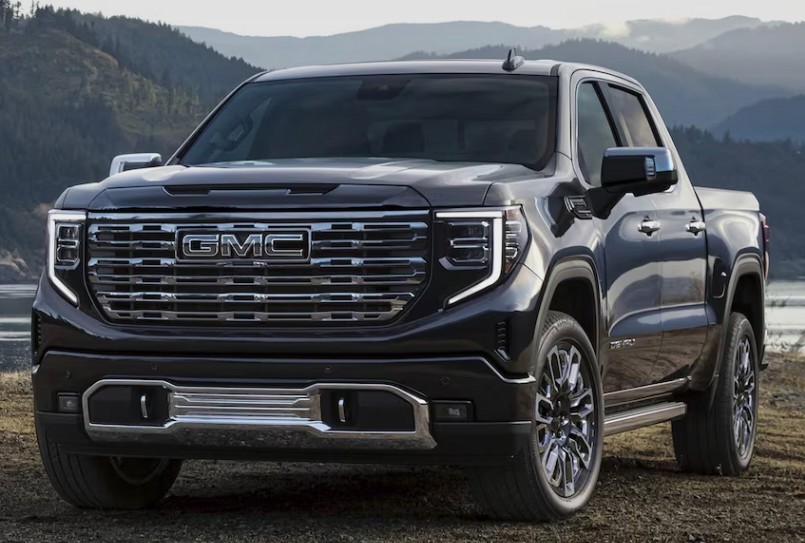
Getting the GMC Sierra tire pressure right may seem like a small maintenance task, but those few pounds of air influence almost everything the truck does. Tire pressure affects steering response, braking, ride comfort, fuel economy, towing stability, tire wear, and even how confidently the Sierra feels when the road turns rough.
Here is the catch: there is no single tire-pressure number that works for every GMC Sierra.
A Sierra 1500 used for commuting may need considerably less pressure than a Sierra 3500HD carrying a heavy payload. Pressure can also vary by model year, tire size, wheel package, axle rating, and whether the truck has single or dual rear wheels. That is why guessing—or copying the number from another Sierra—is like borrowing someone else’s shoes and hoping they fit.
For most owners, the correct answer is surprisingly simple: check the tire-information label on the driver’s door jamb. That label lists the manufacturer’s recommended cold tire pressure for the exact configuration in which the truck left the factory. GMC owner manuals across multiple Sierra generations direct owners to vehicle-specific tire-loading information rather than one universal PSI figure.
In this guide, we will explain how to find the right pressure, why Sierra 1500 and HD pressures differ, how towing and weather affect PSI, and what to do when the tire-pressure warning light refuses to disappear.
Content in this publication
- What Is the Correct GMC Sierra Tire Pressure?
- Where to Find the Recommended Tire Pressure
- What Does “Cold Tire Pressure” Mean?
- Typical GMC Sierra 1500 Tire Pressure
- GMC Sierra 2500HD Tire Pressure
- GMC Sierra 3500HD Tire Pressure
- GMC Sierra Tire Pressure When Towing
- GMC Sierra Tire Pressure With a Heavy Payload
- How Weather Changes Sierra Tire Pressure
- Understanding the GMC Sierra TPMS Light
- How to Check GMC Sierra Tire Pressure Correctly
- Should All Four Sierra Tires Have Equal Pressure?
- Tire Pressure for Aftermarket Wheels and Tires
- Can We Air Down a Sierra for Off-Road Driving?
- Signs Your Sierra Tire Pressure Is Wrong
- Common GMC Sierra Tire-Pressure Mistakes
- Does Correct Tire Pressure Improve Fuel Economy?
- Does Tire Pressure Affect Tread Life?
- GMC Sierra Tire Pressure Troubleshooting
- A Practical Sierra Tire-Pressure Checklist
- Final Thoughts on GMC Sierra Tire Pressure
- Frequently Asked Questions
What Is the Correct GMC Sierra Tire Pressure?
The correct pressure is the cold inflation pressure printed on your Sierra’s Tire and Loading Information label. You will normally find this label on the driver-side door jamb or the rear edge of the driver’s door.
Many Sierra 1500 configurations commonly operate somewhere around the mid-30 PSI range. However, that does not mean every Sierra 1500 should automatically be set to 35 PSI. Some trims, tire packages, and model years may specify different front and rear pressures.
Heavy-duty models can be more complicated. A Sierra 2500HD or 3500HD may use substantially higher pressures, particularly at the rear axle, because its tires are designed to support heavier payloads and trailers. Some configurations may call for roughly 60 PSI at the front and 70 to 80 PSI at the rear, but these figures are examples—not universal settings.
The door label always takes priority over:
- A number found online
- A friend’s recommendation
- A pressure used on another Sierra
- The maximum pressure molded into the tire
- A dealership’s generic suggestion
- An old pressure setting from different tires
Think of the placard as your truck’s tire-pressure birth certificate. It reflects the original tire size, expected axle loads, and engineering requirements of that particular vehicle.
Why One PSI Number Cannot Cover Every Sierra
The GMC Sierra family spans decades, multiple duty classes, numerous cab and bed combinations, several suspension packages, and a broad range of tire sizes.
Two trucks wearing the same Sierra badge may have completely different requirements. Compare a regular-cab Sierra 1500 with a crew-cab Sierra 3500HD dually. One is a light-duty pickup; the other can carry and tow loads that would make the smaller truck wave a white flag.
Pressure can vary because of:
- Model and generation
- 1500, 2500HD, or 3500HD classification
- Two-wheel drive or four-wheel drive
- Standard, all-terrain, or off-road tires
- Passenger-rated or light-truck tires
- Wheel diameter
- Load range
- Front and rear axle ratings
- Single or dual rear wheels
- Factory or aftermarket equipment
That variety is precisely why we should avoid presenting one magic number as though every Sierra rolled out of the same mold.
Where to Find the Recommended Tire Pressure
Finding the correct pressure takes less time than scrolling through a dozen conflicting forum posts.
Open the driver’s door and look for a white-and-yellow information label. It normally shows:
- Original tire size
- Seating capacity
- Maximum combined passenger and cargo weight
- Recommended front tire pressure
- Recommended rear tire pressure
- Spare-tire information, when applicable
The pressure is usually listed in both PSI and kPa.
If the label is missing, damaged, painted over, or unreadable, consult the owner’s manual for your model year or contact a GMC dealer with the vehicle identification number. The VIN can help identify the truck’s original configuration.
Door-Jamb Pressure Versus Tire-Sidewall Pressure
One of the most common tire-pressure mistakes is inflating tires to the maximum number printed on the sidewall.
That sidewall number does not normally represent the recommended everyday pressure for your Sierra. It indicates the pressure associated with the tire’s maximum rated load under specified conditions.
The vehicle placard tells us what the truck manufacturer recommends. The tire sidewall tells us what the tire itself is rated to handle.
Those are related ideas, but they are not interchangeable.
Inflating a Sierra 1500 tire to its maximum sidewall rating simply because the number is visible could make the ride unnecessarily harsh, reduce the size of the tire’s contact patch, and produce irregular center wear. On the other hand, running an HD tire too far below the pressure required for its load can create heat and excessive sidewall flex.
Which Number Should We Follow?
For original-size tires and ordinary road use, follow the cold pressure printed on the truck’s placard.
When a truck has significantly different aftermarket tires, wheels, suspension modifications, or load requirements, the factory placard remains an important baseline. However, an experienced tire professional may need to calculate an appropriate pressure using the new tire’s load-inflation data.
What Does “Cold Tire Pressure” Mean?
Cold pressure does not mean the tires must feel icy. It means the truck has been parked long enough for the tires to reach roughly the same temperature as the surrounding air.
A practical cold-pressure check should be performed:
- Before driving in the morning
- After the truck has been parked for several hours
- Before a long towing trip
- Before carrying a substantial payload
- Before highway travel
Driving heats the tires. As the air inside them warms, pressure rises. Therefore, a reading taken immediately after a long trip may be several PSI higher than the cold reading.
Should We Release Air From Warm Tires?
Usually, no.
Suppose the door label calls for 35 PSI and you measure 39 PSI after an hour on the highway. That increase may simply be normal heat expansion. Releasing air at that moment could leave the tire underinflated once it cools.
Check and adjust the tires when cold unless you are following a specific hot-pressure procedure supplied by a qualified tire manufacturer or commercial fleet specialist.
Typical GMC Sierra 1500 Tire Pressure
A large number of Sierra 1500 configurations use recommended cold pressures near the mid-30 PSI range. Nevertheless, pressures vary, and some trucks may specify different figures depending on the tires and equipment installed at the factory.
The following table is a general orientation tool, not a substitute for the vehicle placard:
| Sierra configuration | Common pressure pattern | What to verify |
|---|---|---|
| Sierra 1500 with standard road tires | Often mid-30s PSI | Driver-door label |
| Sierra 1500 with all-terrain tires | Often mid-30s or slightly different | Tire package and placard |
| Sierra 1500 AT4 or off-road setup | Configuration-dependent | Placard and owner’s manual |
| Sierra 1500 Denali | Wheel-package dependent | Exact front and rear values |
| Sierra 1500 with aftermarket LT tires | Requires load-based review | Placard plus tire load table |
Why not publish a rigid year-by-year list? Because even within one model year, GMC may offer several wheel sizes, tire brands, trims, and load ratings. A neat-looking table could easily give the wrong answer for a particular truck.
Does the Sierra 1500 Need Different Front and Rear PSI?
Some configurations use the same pressure on all four tires. Others may list different front and rear values.
Never assume they should match. The engine, passengers, cargo, hitch weight, and suspension geometry do not distribute weight evenly across the truck.
When the label specifies different pressures, follow the front and rear positions carefully.
GMC Sierra 2500HD Tire Pressure
The Sierra 2500HD is built for heavier work than the Sierra 1500. Its tires may carry higher load ratings and require higher inflation pressures.
Depending on configuration and loading, placard figures may be much higher than those on a half-ton truck. The rear tires often receive a higher recommendation because the rear axle carries cargo and trailer tongue or pin weight.
This does not mean we should automatically pump every 2500HD rear tire to 80 PSI. The correct setting still depends on:
- Tire size
- Tire load range
- Vehicle configuration
- Front and rear axle ratings
- Factory labeling
- Actual load
- Tire manufacturer data
An unloaded HD pickup inflated for maximum rear-axle loading can feel firm, almost as if the truck were rolling on basketballs. Some owners use load-based pressure adjustments to improve unloaded ride quality, but such changes must remain within safe tire and vehicle limits.
Can We Lower HD Tire Pressure When Unloaded?
Possibly, but this deserves more care than casual guesswork.
A lower rear pressure may improve the ride when the bed is empty, but reducing it too much can cause poor handling, heat buildup, unstable cornering, or insufficient load capacity. It may also trigger the TPMS warning because the system evaluates pressure against the manufacturer’s programmed threshold.
The safest approach is to:
- Start with the door-label pressure.
- Confirm the actual axle weights on a certified scale.
- Consult the tire manufacturer’s load-and-inflation table.
- Preserve an appropriate safety margin.
- Reinflate before adding cargo or attaching a heavy trailer.
A qualified commercial-tire specialist can help determine a pressure that supports the measured axle load without relying on guesswork.
GMC Sierra 3500HD Tire Pressure
The Sierra 3500HD sits at the muscular end of the family. It may be configured with single rear wheels or dual rear wheels, and that distinction changes how weight is distributed.
A 3500HD used for fifth-wheel towing, gooseneck towing, slide-in campers, or heavy commercial work demands particular attention to rear-tire inflation.
Single-Rear-Wheel Sierra 3500HD
A single-rear-wheel truck asks each rear tire to carry a larger share of the axle load than a dually. Its recommended pressures may therefore be high, especially when operating near its payload or axle limits.
Before towing, check:
- Cold front pressure
- Cold rear pressure
- Tire load range
- Rear axle load
- Trailer pin or tongue weight
- Tire condition and age
- Valve stems and caps
Dual-Rear-Wheel Sierra 3500HD
A dually spreads the rear-axle load across four tires, but all four still need careful inspection.
The inner rear tires are easy to neglect because reaching their valve stems can be awkward. Yet an underinflated inner dual can force its partner to carry extra load. The two tires may also rotate at slightly different effective circumferences, creating heat and accelerated wear.
Why Dual Tires Need Matching Pressure
Dual tires work like teammates tied together in a three-legged race. When one tire is significantly softer or differently sized, the pair no longer shares the workload evenly.
Check both inner and outer tires with a dependable gauge. Do not rely solely on a quick visual inspection; a loaded radial tire can be underinflated without appearing obviously flat.
GMC Sierra Tire Pressure When Towing
Towing puts additional weight on the truck, particularly at the rear axle. A conventional trailer transfers tongue weight to the hitch, while a fifth-wheel or gooseneck trailer places pin weight over or near the rear axle.
Before towing, we should not simply add an arbitrary 5 or 10 PSI. Instead, confirm that the tires have enough inflation capacity for the actual load.
A sound towing-pressure routine includes:
- Reading the truck’s tire placard
- Checking pressures while cold
- Verifying the truck’s loaded axle weights
- Consulting tire load tables when necessary
- Staying below tire and axle limits
- Checking the trailer tires separately
- Inspecting tires for damage or abnormal wear
Some properly equipped GMC vehicles can also work with trailer tire-pressure sensors, allowing compatible systems to report trailer-tire conditions. GMC states that its compatible trailer sensors can measure pressure and alert the driver when levels become low or high.
Does More Weight Always Mean Maximum PSI?
Not automatically.
The goal is enough pressure to safely support the load—not maximum pressure for its own sake. Maximum inflation may be appropriate when a tire is carrying a load near its rated capacity, but lighter loads may not require it.
This is why scale weights and tire load tables are so valuable for owners who tow frequently. They replace assumptions with measurements.
GMC Sierra Tire Pressure With a Heavy Payload
Payload includes more than whatever sits in the bed. It also includes:
- Driver and passengers
- Tools
- Bed covers and accessories
- Cargo
- Hitch equipment
- Trailer tongue or pin weight
- Aftermarket bumpers
- Auxiliary fuel tanks
- Slide-in campers
All of that weight presses through the tires.
Before hauling a heavy load, set the cold pressure according to the vehicle label and any applicable load guidance. Never exceed the truck’s Gross Vehicle Weight Rating, Gross Axle Weight Ratings, wheel ratings, or tire capacities.
Adding pressure cannot legally or mechanically increase the truck’s payload rating. Air is important, but it is not magic dust.
How Weather Changes Sierra Tire Pressure
Temperature changes influence pressure because the air inside a tire expands as it warms and contracts as it cools.
That is why a Sierra’s TPMS light may appear after the first cold night of autumn. NHTSA explains that a warning may briefly appear on cold mornings when marginal pressure falls below the system’s threshold, then disappear as the tires warm. The agency still advises drivers to inspect the tires and verify pressure rather than ignoring the warning.
Cold-Weather Tire Pressure
When temperatures fall, check the tires cold and bring them back to the placard value. Do not intentionally leave them low because you expect pressure to rise later in the day.
A temperature-related drop may affect all four tires similarly. A single tire losing much more pressure than the others is more likely to have:
- A puncture
- A leaking valve core
- Bead leakage
- Wheel corrosion
- A damaged rim
- A faulty TPMS sensor seal
Hot-Weather Tire Pressure
Pressure naturally rises during hot weather and highway driving. Do not bleed a warm tire down to the cold specification.
However, extreme or uneven pressure increases can signal overloading, internal damage, dragging brakes, or another mechanical problem. If one tire is dramatically hotter than its companions, stop and investigate safely.
Understanding the GMC Sierra TPMS Light
The Tire Pressure Monitoring System watches for pressure that falls significantly below the recommended level. It is a warning system—not a replacement for a good pressure gauge.
Federal TPMS standards are designed to warn drivers when pressure becomes substantially low relative to the manufacturer’s recommended cold inflation pressure. Depending on the applicable rule and vehicle classification, the threshold is commonly discussed around 25% below the recommended level. This means the tire can be meaningfully underinflated before the light appears.
In other words, “the light is off” does not necessarily mean “the pressure is perfect.”
Solid TPMS Warning Light
A solid light usually indicates that one or more monitored tires are low.
Follow these steps:
- Park safely.
- Inspect all tires for visible damage.
- Measure each tire cold.
- Inflate to the door-label values.
- Drive briefly so the system can update.
- Recheck any tire that loses pressure again.
Flashing TPMS Light
A flashing light, often followed by a solid warning, usually suggests a system problem rather than ordinary low pressure.
Potential causes include:
- Dead sensor battery
- Damaged sensor
- Incorrect sensor frequency
- Sensor not programmed
- Wheels changed without relearning
- Communication fault
- Missing sensor
Replacement sensors normally require programming or relearning so the truck can associate each sensor with the correct wheel position. GMC notes that its replacement pressure sensors require programming and recommends professional installation.
How to Check GMC Sierra Tire Pressure Correctly
We do not need a workshop full of equipment. A reliable pressure gauge and a suitable air source are enough.
Step-by-Step Pressure Check
- Let the truck sit for several hours.
- Locate the pressure label on the driver’s door jamb.
- Remove the valve cap from the first tire.
- Press the gauge squarely onto the valve stem.
- Record the reading.
- Add air in short bursts when pressure is low.
- Release small amounts when a cold tire is genuinely overinflated.
- Recheck the measurement.
- Repeat for every road tire.
- Check the spare when applicable.
- Reinstall all valve caps.
A metal or high-quality digital gauge is usually easier to trust than a battered pencil gauge that has lived beneath the seat for ten years.
How Often Should We Check It?
A practical schedule is:
- At least once a month
- Before long highway trips
- Before towing
- Before carrying heavy cargo
- After a major temperature change
- After striking a pothole
- When handling feels different
- Whenever the TPMS warning appears
Tires naturally lose small amounts of air over time. A slow, consistent decline may be normal, but repeated loss from one tire deserves inspection.
Should All Four Sierra Tires Have Equal Pressure?
Only when the door placard specifies equal pressure.
Many light-duty configurations use matching pressures, but some Sierra trucks call for different values from front to rear. HD models are particularly likely to have separate recommendations because their axles experience different loading.
Do not “balance” the numbers simply because equal pressure looks tidier on the dashboard.
The target is not visual symmetry. The target is correct load support.
Tire Pressure for Aftermarket Wheels and Tires
Aftermarket modifications can make pressure selection more complicated.
Common changes include:
- Larger wheels
- Lower-profile tires
- Wider tires
- All-terrain tires
- Mud-terrain tires
- Passenger-to-LT tire conversions
- Different load ranges
- Lift or leveling kits
The pressure molded into the new tire does not automatically become the correct everyday setting.
Passenger Tires Versus LT Tires
A passenger-rated tire and an LT tire may require different pressures to support the same load. An LT tire with stiff construction can feel extremely firm at high pressure, but lowering it casually may leave insufficient load capacity.
For a properly engineered conversion, compare:
- The original tire’s load capacity at the placard pressure.
- The replacement tire’s load-inflation table.
- The truck’s actual axle loads.
- Wheel pressure and load ratings.
- Clearance and handling requirements.
A reputable tire shop should be able to explain the calculation rather than offering a shrug and a round number.
Can We Air Down a Sierra for Off-Road Driving?
Lowering pressure can improve traction and ride comfort on sand, loose rock, and certain trails because it allows the tire to conform more closely to the terrain.
However, airing down introduces risks:
- Bead separation
- Sidewall damage
- Wheel damage
- Excess heat at speed
- Reduced steering precision
- TPMS warnings
Some equipped GMC vehicles include an Air Down Mode within the off-road interface. GMC explains that the feature lets drivers select a target pressure and uses the nearby turn signal to indicate progress while air is manually released.
Reinflate Before Highway Driving
Off-road pressure is not normal highway pressure.
After leaving the trail, reinflate the tires to the correct cold-road setting before sustained higher-speed driving. Carrying a portable compressor is far wiser than hoping the next service station appears before the sidewalls overheat.
Signs Your Sierra Tire Pressure Is Wrong
Incorrect pressure does not always announce itself immediately, but the truck often leaves clues.
Signs of Underinflation
- Heavy or vague steering
- Increased fuel consumption
- Excessive shoulder wear
- Heat buildup
- Soft cornering response
- Vehicle pulling to one side
- TPMS warning
- Tire appearing compressed
Signs of Overinflation
- Harsh ride
- Reduced impact absorption
- Excessive center wear
- Nervous steering response
- Less compliant traction on rough roads
- Greater vulnerability to impact damage
Uneven tread wear can also result from alignment problems, worn suspension components, incorrect rotation, or wheel imbalance, so pressure is not always the sole culprit.
Common GMC Sierra Tire-Pressure Mistakes
Even experienced truck owners sometimes fall into familiar traps.
Using the Tire’s Maximum Pressure
The maximum sidewall figure is not automatically the Sierra’s recommended daily PSI.
Checking Only When the TPMS Light Appears
The system may not warn us until pressure is already substantially low.
Ignoring the Spare Tire
A spare that has sat unnoticed for years may be nearly useless when finally needed.
Reducing Warm Pressure
Warm tires naturally read higher. Bleeding them to the cold target can cause underinflation later.
Guessing for Towing
A random increase does not replace load measurements and manufacturer guidance.
Trusting Appearance Alone
Modern radial tires can look normal while being several PSI low.
Forgetting Inner Dually Tires
Inner duals deserve the same attention as every other tire, even when reaching them requires more effort.
Does Correct Tire Pressure Improve Fuel Economy?
Correct pressure reduces unnecessary rolling resistance and helps the tire maintain the shape intended by its manufacturer.
Underinflated tires flex more as they roll. That flex consumes energy and creates heat. The Sierra’s engine must then work slightly harder, particularly during long highway drives.
Maintaining the specified pressure will not transform a heavy-duty diesel into a tiny economy car, but it prevents avoidable efficiency losses. More importantly, it supports predictable handling and tire durability.
Does Tire Pressure Affect Tread Life?
Absolutely.
Underinflation often accelerates wear along the outer shoulders, while excessive inflation can concentrate wear near the center. Incorrect pressure may also make existing alignment or suspension problems more visible.
Rotating the tires cannot fully compensate for consistently poor inflation. Rotation moves the wear pattern; correct pressure helps prevent it.
A good long-term routine combines:
- Monthly pressure checks
- Regular rotations
- Wheel alignment when needed
- Suspension inspection
- Tread-depth measurements
- Prompt puncture repair
- Load management
GMC Sierra Tire Pressure Troubleshooting
Sometimes the gauge and dashboard seem to tell different stories.
TPMS Light Remains On After Inflation
Possible explanations include:
- One tire is still below specification
- Pressure was adjusted while warm
- The spare is monitored on that configuration
- The system has not updated
- A sensor has failed
- A slow leak is present
- The sensor positions need relearning
Drive the truck for a short period after correcting the cold pressure. If the warning remains, recheck all tires with a reliable gauge.
One Tire Keeps Losing Pressure
Do not keep topping it up indefinitely.
Ask a tire technician to inspect for:
- Nails or screws
- Bead leaks
- Valve-core leaks
- Cracked valve stems
- TPMS seal leakage
- Wheel damage
- Corrosion
- Improper previous repair
A slow leak is still a leak. Treating the air compressor as a permanent repair is like placing a bucket beneath a leaking roof and declaring the house fixed.
Dashboard Reading Differs From the Gauge
A small difference may come from gauge accuracy, temperature, system refresh time, or rounding.
For troubleshooting:
- Use a quality handheld gauge.
- Measure all tires cold.
- Compare readings under identical conditions.
- Try a second gauge if the difference is large.
- Service the TPMS if one sensor remains clearly inaccurate.
A Practical Sierra Tire-Pressure Checklist
Before a normal trip:
- Read the door placard
- Check all tires cold
- Inspect for cuts and bulges
- Confirm valve caps are installed
- Look for uneven tread wear
Before towing or hauling:
- Measure loaded axle weights when possible
- Confirm tire load capacity
- Set pressure before driving
- Inspect the trailer tires
- Check dual rear tires individually
- Reinflate after unloaded off-road use
- Stay within truck, axle, wheel, and tire ratings
After the trip:
- Look for unusual wear or damage
- Investigate any rapid pressure change
- Avoid bleeding normally warmed tires
- Recheck cold pressure the following morning when necessary
Final Thoughts on GMC Sierra Tire Pressure
The best GMC Sierra tire pressure is not a universal number copied from a chart. It is the cold pressure specified for your exact truck, tires, and configuration.
For a Sierra 1500, that often means a pressure somewhere near the mid-30s, but the label remains the authority. For Sierra 2500HD and 3500HD trucks, the required pressures can be much higher and may differ significantly between the front and rear axles.
The smartest habit is also the simplest: check the driver-door placard, measure pressure while the tires are cold, and adjust for towing or unusual loads only with proper load information.
Those few minutes can improve the truck’s handling, protect expensive tires, and prevent a minor pressure problem from growing teeth. A Sierra may be built like a hammer, but even a hammer works better when every part is properly prepared.
Frequently Asked Questions
1. What PSI should GMC Sierra tires have?
The correct PSI is printed on the Tire and Loading Information label inside the driver’s door jamb. Many Sierra 1500 models use pressures around the mid-30s, while Sierra HD trucks may require considerably higher pressures. Always follow the vehicle-specific label.
2. Should GMC Sierra front and rear tires use the same pressure?
Not necessarily. Some Sierra configurations specify equal pressure, while others require different front and rear settings. Follow the separate values shown on the door placard.
3. Why does my Sierra tire-pressure light come on during cold weather?
Cold temperatures cause air pressure to decrease. A tire already near the warning threshold may trigger the TPMS light overnight. Check every tire cold and inflate it to the placard value rather than assuming the warning is harmless.
4. Should I inflate my Sierra tires to the maximum sidewall PSI?
Not for ordinary driving unless that pressure is specifically required for the load and supported by vehicle and tire guidance. The sidewall number generally represents a maximum tire rating, while the door label provides the truck manufacturer’s recommended cold pressure.
5. Can I drive my GMC Sierra with the TPMS light on?
You should stop safely and inspect the tires as soon as practical. The warning may indicate significant underinflation or a puncture. If a tire is visibly damaged, extremely low, or losing air rapidly, do not continue driving on it.
If you want to know other articles similar to GMC Sierra Tire Pressure: The Complete PSI Guide you can visit the category Service and Parts.
Nissan Qashqai Fuel Tank Capacity: Complete Guide

Suzuki Swift Fuel Tank Capacity: Complete Guide
Mazda CX-5 Weight (2013–2026): Complete Guide in Pounds and KG

Kia Sportage Dashboard Symbols and Warning Lights

MINI Cooper Weight (2002–2027): Complete Weight Chart & Guide

Toyota RAV4 Engine Sizes: Complete Guide (1994–2026)
Leave a Reply
More content of your interest