

How Much Does a Chevy Silverado Weigh? Complete Weight Guide

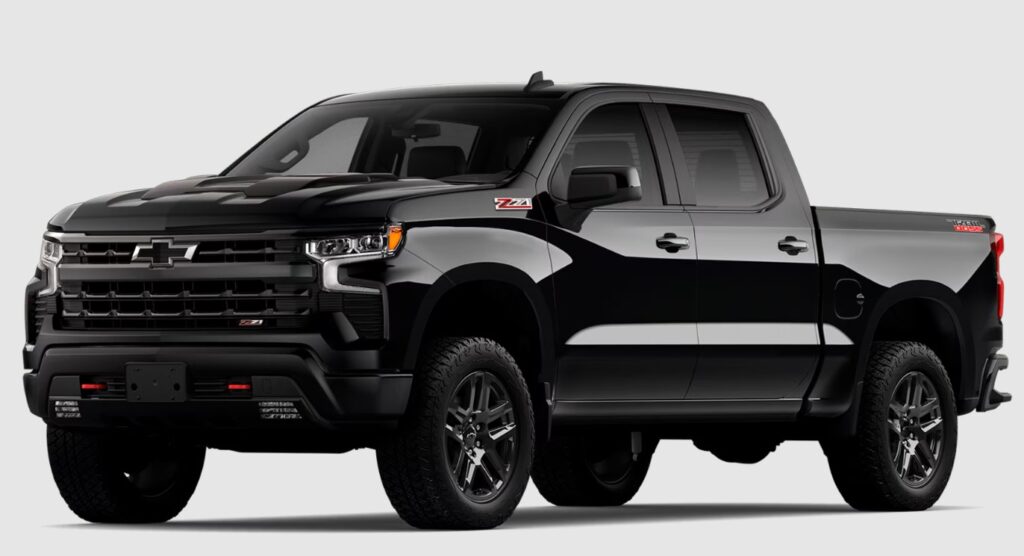
How much does a Chevy Silverado weigh? It sounds like a question that should have one clean, tidy answer. Yet asking for the weight of a Silverado is a little like asking how much a house weighs. Are we talking about a compact bungalow or a three-story home packed with furniture?
A Chevrolet Silverado can weigh anywhere from roughly 4,400 pounds to well over 8,000 pounds, depending on the model, cab, bed, engine, drivetrain, trim, and equipment. Chevrolet lists the unloaded weight range of the 2026 Silverado 1500 at approximately 4,410 to 5,710 pounds. Heavy-duty Silverado models can weigh considerably more, especially when fitted with diesel engines, four-wheel drive, long beds, dual rear wheels, and off-road equipment.
That broad range matters. Truck weight affects fuel consumption, payload, towing, registration requirements, tire selection, braking, trailer matching, and even whether a particular garage floor, lift, ferry, or parking structure can safely accommodate the vehicle.
In this guide, we will untangle the numbers, explain what they actually mean, and examine the weight differences across the Silverado 1500, 2500HD, 3500HD, EV, and commercial lineup.
Content in this publication
- Quick Answer: How Much Does a Silverado Weigh?
- Why There Is No Single Chevy Silverado Weight
- What Does Curb Weight Mean?
- Curb Weight vs GVWR
- How Much Does a Chevy Silverado 1500 Weigh?
- How Much Does a Silverado Trail Boss Weigh?
- How Much Does a Silverado ZR2 Weigh?
- How Much Does a Chevy Silverado 2500HD Weigh?
- How Much Does a Chevy Silverado 3500HD Weigh?
- How Much Does a Silverado 3500HD Chassis Cab Weigh?
- How Much Does a Silverado EV Weigh?
- How Much Do Silverado 4500HD, 5500HD, and 6500HD Trucks Weigh?
- How Cab Size Changes Silverado Weight
- How Bed Length Affects Silverado Weight
- Does Four-Wheel Drive Add Weight?
- How Engines Affect Silverado Weight
- Payload Is Not the Same as Bed Capacity
- How Silverado Weight Affects Towing
- How to Find the Exact Weight of Your Silverado
- Can Accessories Make a Silverado Overweight?
- Why Silverado Weight Matters in Everyday Use
- Chevy Silverado Weight Compared With Other Trucks
- Does a Heavier Silverado Ride Better?
- Does Silverado Weight Reduce Fuel Economy?
- Common Silverado Weight Mistakes to Avoid
- Final Thoughts: How Heavy Is a Chevy Silverado?
- Frequently Asked Questions
Quick Answer: How Much Does a Silverado Weigh?
Most Chevrolet Silverado pickup trucks fall within these approximate unloaded-weight ranges:
| Silverado model | Approximate unloaded weight |
|---|---|
| Silverado 1500 | 4,410–5,710 lb |
| Silverado 2500HD | 6,200–8,100 lb |
| Silverado 3500HD | 6,400–8,500+ lb |
| Silverado EV | Around 8,000–8,500+ lb |
| Silverado 3500HD Chassis Cab | Often 6,600–8,000+ lb |
| Silverado 4500HD–6500HD | Varies substantially by chassis and upfit |
These are broad planning ranges rather than exact specifications. The number printed on the truck’s certification label is more important than a general online chart because two Silverados that look nearly identical can have different ratings and curb weights.
For the current Silverado 1500, Chevrolet officially states an unloaded range of 4,410 to 5,710 pounds. Meanwhile, Chevrolet’s published figures for certain Silverado HD ZR2 configurations range from 7,409 pounds for a gasoline ZR2 to 8,495 pounds for a diesel ZR2 Bison.
Silverado Weight in Kilograms
For readers who use metric measurements, the common Silverado weight ranges translate approximately as follows:
- 4,410 pounds equals about 2,000 kilograms.
- 5,710 pounds equals about 2,590 kilograms.
- 7,000 pounds equals about 3,175 kilograms.
- 8,000 pounds equals about 3,629 kilograms.
- 8,500 pounds equals about 3,856 kilograms.
Therefore, a Silverado 1500 generally weighs around 2.0 to 2.6 metric tonnes, while a heavily equipped Silverado HD may approach or exceed 3.8 tonnes before passengers or cargo are added.
Why There Is No Single Chevy Silverado Weight
The Silverado is not one truck. It is an entire family of trucks wearing the same badge.
Chevrolet sells light-duty pickups, heavy-duty pickups, dual-rear-wheel models, chassis cabs, battery-electric trucks, and medium-duty commercial vehicles under the Silverado name. Within each family, buyers can choose different cabs, beds, engines, drivetrains, trims, suspension packages, and accessories.
Every selection adds or removes weight.
A basic two-wheel-drive work truck with a regular cab is relatively lean. A crew-cab ZR2 Bison with four-wheel drive, skid plates, larger tires, a diesel engine, and off-road hardware is the heavyweight boxer of the range.
The final figure depends on several major variables:
- Silverado series
- Cab configuration
- Bed length
- Two-wheel drive or four-wheel drive
- Gasoline, diesel, or electric power
- Trim level
- Single or dual rear wheels
- Factory packages
- Dealer-installed accessories
- Aftermarket modifications
This is why generic answers should always be treated as estimates.
What Does Curb Weight Mean?
Curb weight is the weight of a road-ready vehicle with its standard equipment and necessary operating fluids. Depending on the manufacturer’s published definition, it normally includes fuel or a defined fuel allowance but does not include passengers, cargo, or a trailer.
Think of curb weight as the truck standing on the scale by itself, dressed and ready to leave, but without anyone sitting inside or anything loaded in the bed.
When someone asks, “How much does my Silverado weigh?” curb weight is usually the figure they are trying to find.
However, curb weight is not the same as the maximum weight the truck may legally or safely carry. That brings us to another number that often causes confusion.
Curb Weight vs GVWR
GVWR stands for Gross Vehicle Weight Rating. It is the maximum allowable loaded weight of the truck, as determined by the manufacturer.
GVWR includes:
- The truck itself
- The driver
- Passengers
- Cargo
- Tools
- Accessories
- Trailer tongue weight or fifth-wheel pin weight
Suppose a Silverado has a curb weight of 5,000 pounds and a GVWR of 7,000 pounds. In a simplified calculation, the truck has approximately 2,000 pounds available for occupants, cargo, accessories, and trailer tongue weight.
The basic relationship is:
GVWR − actual truck weight = remaining carrying capacity
This is only a planning calculation. The payload label on the driver-side door area should be used for the truck’s specific factory configuration.
Why GVWR Is Not the Truck’s Actual Weight
A 7,000-pound GVWR does not mean the truck currently weighs 7,000 pounds. It means the vehicle should not exceed that amount when fully loaded.
Confusing curb weight with GVWR can produce serious errors. It may lead an owner to underestimate payload, overload an axle, choose the wrong trailer, or exceed the limits of a vehicle lift.
The distinction is simple:
- Curb weight: What the empty truck weighs.
- GVWR: The most the loaded truck is allowed to weigh.
- Actual weight: What the truck weighs at this moment.
- Payload: The people and material the truck can carry.
How Much Does a Chevy Silverado 1500 Weigh?
The 2026 Chevrolet Silverado 1500 has an officially published unloaded-weight range of approximately 4,410 to 5,710 pounds.
That makes the Silverado 1500 the lightest traditional pickup in the Silverado family, but “lightest” is relative. Even the leanest Silverado 1500 weighs about as much as two small economy cars.
A basic regular-cab, two-wheel-drive work truck normally sits near the lower end. Crew-cab four-wheel-drive models with larger engines and premium or off-road equipment move toward the upper end.
A practical breakdown looks like this:
| Silverado 1500 configuration | Typical planning range |
| Regular Cab 2WD | 4,400–4,800 lb |
| Regular Cab 4WD | 4,600–5,000 lb |
| Double Cab 2WD | 4,700–5,100 lb |
| Double Cab 4WD | 4,900–5,300 lb |
| Crew Cab 2WD | 4,800–5,300 lb |
| Crew Cab 4WD | 5,000–5,710 lb |
These ranges should not replace the certification information for a particular truck. They simply show how the body and drivetrain choices move the needle.
How Much Does a Regular Cab Silverado Weigh?
A regular-cab Silverado 1500 is commonly one of the lightest configurations. With fewer doors, a shorter passenger compartment, and less interior structure than a crew cab, it avoids several hundred pounds of additional mass.
Depending on the engine, drivetrain, bed, and equipment, a regular-cab Silverado 1500 commonly weighs in the neighborhood of 4,400 to 5,000 pounds.
A long bed may add some weight compared with a shorter cargo box, but cab size and drivetrain usually create the more obvious differences.
How Much Does a Crew Cab Silverado Weigh?
A Silverado 1500 Crew Cab commonly weighs approximately 4,800 to 5,700 pounds.
Crew cabs include:
- Four full-size doors
- A larger rear seating area
- Additional body structure
- More glass
- Longer wiring
- Extra interior trim
- Larger seats and restraints
None of those components seems extremely heavy by itself. Together, however, they build up like coins in a jar.
A four-wheel-drive Crew Cab with a larger engine and an off-road package will usually sit toward the upper end of the Silverado 1500 range.
Does the Short Bed Make a Crew Cab Light?
It makes it lighter than it might otherwise be, but not necessarily light in absolute terms.
The short bed reduces body and frame length compared with a standard or long bed. Still, the Crew Cab’s larger passenger compartment offsets part of that saving. A Crew Cab Short Bed can therefore weigh more than a Regular Cab Long Bed.
Configuration matters more than any one feature viewed alone.
How Much Does a Silverado Trail Boss Weigh?
A Silverado Trail Boss usually weighs more than a comparable conventional trim because it carries additional off-road equipment.
Depending on the exact version, Trail Boss equipment may include:
- Four-wheel drive
- A suspension lift
- Larger all-terrain tires
- Underbody protection
- Off-road dampers
- Recovery equipment
- Heavier wheels
- Additional chassis hardware
A Silverado 1500 Trail Boss commonly falls around 5,000 to 5,600 pounds, although the actual number depends on whether it is a Custom Trail Boss or LT Trail Boss, as well as the cab, engine, and optional equipment.
This extra weight is not dead weight. It supports the truck’s intended use. Nevertheless, it still counts against GVWR and affects the remaining payload.
How Much Does a Silverado ZR2 Weigh?
The Silverado ZR2 sits near the heavier end of the 1500 lineup. Its off-road suspension, protective equipment, four-wheel-drive hardware, large tires, and premium features increase curb weight.
A Silverado 1500 ZR2 can approach the upper end of the official 1500 range, meaning roughly 5,500 to 5,700 pounds, depending on configuration and model year.
The HD version is substantially heavier. Chevrolet has published base curb weights of:
- 7,409 pounds for the Silverado HD ZR2 gasoline model
- 8,113 pounds for the Silverado HD ZR2 diesel
- 7,793 pounds for the Silverado HD ZR2 Bison gasoline model
- 8,495 pounds for the Silverado HD ZR2 Bison diesel model
Those figures illustrate how dramatically a diesel engine and specialized off-road hardware can change the answer.
How Much Does a Chevy Silverado 2500HD Weigh?
A Chevrolet Silverado 2500HD normally weighs approximately 6,200 to just over 8,000 pounds before passengers and cargo.
Published Chevrolet figures for the refreshed Silverado HD showed 2500HD base curb weights ranging from approximately 6,267 pounds for a gasoline, two-wheel-drive Regular Cab to more than 7,500 pounds for certain diesel Crew Cab configurations. Specialized versions can be heavier still.
The 2500HD weighs more than a 1500 because it needs stronger components throughout the vehicle.
These may include:
- A heavier frame
- Larger axles
- Bigger brakes
- Stronger suspension parts
- Heavy-duty wheels and tires
- A more substantial transmission
- Larger cooling systems
- Heavier powertrain components
- Reinforced towing hardware
The HD truck is less like a Silverado 1500 with extra badges and more like a different class of machine designed for sustained heavy work.
Gas vs Diesel Silverado 2500HD Weight
The Duramax diesel engine and its associated hardware generally add considerable weight compared with the gasoline powertrain.
The diesel system may require:
- A heavier engine block
- Turbocharging components
- Additional cooling capacity
- Diesel exhaust-fluid equipment
- Emissions-control hardware
- Heavier transmission components
- Larger batteries or electrical equipment
In some comparable Silverado HD configurations, the diesel powertrain can add several hundred pounds.
This creates an important trade-off. The diesel may increase torque and towing suitability, but its added curb weight can reduce the payload available under a fixed GVWR.
A truck with greater pulling strength does not automatically have a larger payload rating.
How Much Does a Chevy Silverado 3500HD Weigh?
A Silverado 3500HD pickup generally weighs approximately 6,400 to 8,500 pounds or more, depending on its configuration.
The heaviest versions usually combine several weight-adding features:
- Crew Cab
- Four-wheel drive
- Long bed
- Duramax diesel engine
- Dual rear wheels
- Premium trim
- Fifth-wheel or gooseneck preparation
- Additional trailering equipment
A regular-cab gasoline model may sit near the lower end, while a diesel Crew Cab dually can feel like a rolling anvil by comparison.
The 3500HD is engineered to operate at much higher gross vehicle and combination weights than the Silverado 1500. The 2026 Silverado HD lineup offers up to 36,000 pounds of maximum available trailering capacity when properly configured, highlighting the scale of work for which these trucks are designed.
Single-Rear-Wheel vs Dually Weight
A dual-rear-wheel Silverado 3500HD usually weighs more than a comparable single-rear-wheel truck.
The dually adds:
- Two additional tires
- Two additional wheels
- A wider rear axle arrangement
- Wider rear bodywork
- Supporting hardware
- Potentially different suspension components
The weight increase is not enormous relative to the truck’s total mass, but it is meaningful. More importantly, the dually configuration can provide greater rear-axle stability and support higher payload or trailer-pin-weight ratings when properly specified.
A dually is not automatically the best choice for every owner. It is wider, heavier, less convenient in tight spaces, and more expensive to equip with tires. Its advantages emerge when the work demands them.
How Much Does a Silverado 3500HD Chassis Cab Weigh?
A chassis-cab truck is sold without a conventional pickup bed so that a business can install a service body, flatbed, dump body, tow body, or another specialized upfit.
Its empty weight changes drastically after that equipment is fitted.
The 2026 Silverado 3500HD Chassis Cab has a maximum available GVWR of 14,000 pounds. Chevrolet lists maximum payload ranges of 6,047 to 7,329 pounds for Regular Cab versions and 5,704 to 6,777 pounds for Crew Cab versions, depending on configuration.
Using GVWR and maximum payload as a broad guide suggests that some base chassis-cab configurations may weigh roughly 6,600 to 8,300 pounds before a body, cargo, occupants, and additional equipment are added. That is an inference rather than one universal curb-weight specification because chassis-cab build combinations differ.
Once a utility body, crane, compressor, tanks, tools, or recovery equipment is installed, the truck’s actual empty operating weight may rise substantially.
How Much Does a Silverado EV Weigh?
The Silverado EV is significantly heavier than a gasoline Silverado 1500 because of its large high-voltage battery pack.
Depending on the trim, battery, and equipment, a Silverado EV may weigh around 8,000 to 8,500 pounds or more. Exact figures vary by version.
Why so much weight?
A large electric-truck battery is essentially a dense slab of energy storage stretching beneath the passenger compartment. It lowers the center of gravity, but it also adds thousands of pounds.
The Silverado EV’s mass affects:
- Tire wear
- Braking energy
- Suspension tuning
- Road feel
- Payload
- Efficiency
- Crash structure
- Vehicle-lift requirements
Electric motors themselves are relatively compact, but the battery pack makes the EV far heavier than the average Silverado 1500.
The lesson is straightforward: never assume a half-ton-size electric pickup weighs the same as its gasoline counterpart.
How Much Do Silverado 4500HD, 5500HD, and 6500HD Trucks Weigh?
The Silverado medium-duty range moves beyond ordinary pickup territory.
Chevrolet lists GVWR ranges of:
- 14,001–16,500 pounds for the Silverado 4500HD
- 17,500–19,500 pounds for the Silverado 5500HD
- 21,000–23,500 pounds for the Silverado 6500HD
Those figures are ratings, not empty weights.
The actual weight depends heavily on:
- Wheelbase
- Regular or Crew Cab
- Fuel-tank configuration
- Two-wheel drive or four-wheel drive
- Installed body
- Hydraulic equipment
- Tool storage
- Towing or recovery hardware
- Crane or aerial equipment
A bare chassis is only the skeleton. The completed commercial vehicle may gain several thousand pounds during the upfit process.
For a medium-duty Silverado, the completed vehicle should be weighed after the body and permanent equipment are installed.
How Cab Size Changes Silverado Weight
Cab size is one of the clearest predictors of curb weight.
Regular Cab
The Regular Cab is usually the lightest because it has:
- Two main doors
- One seating row
- Less glass
- Less body structure
- Shorter interior wiring
- Fewer seats and restraints
It is often preferred for fleets, work sites, and buyers who prioritize bed space and payload over rear-seat room.
Double Cab
The Double Cab sits in the middle. It offers rear doors and a second seating row but is generally smaller than the Crew Cab.
Its weight also tends to land between regular-cab and crew-cab versions, assuming the powertrain and bed are comparable.
Crew Cab
The Crew Cab is normally the heaviest cab style. It provides adult-friendly rear seating and four full-size doors, but convenience carries mass.
The difference may be a few hundred pounds—enough to matter when calculating payload or choosing a trailer.
How Bed Length Affects Silverado Weight
A longer bed normally adds weight because it requires more:
- Sheet metal
- Bed floor
- Frame length
- Wiring
- Brake-line and fuel-line length
- Driveshaft length
- Structural reinforcement
However, the effect of bed length cannot be isolated completely from cab style. Chevrolet only offers certain cab-and-bed combinations, and the wheelbase changes with them.
The Silverado 1500 generally appears with short, standard, or long cargo-bed configurations, while HD trucks commonly offer standard and long beds.
A long-bed truck may be heavier, but it can also provide advantages for:
- Cargo volume
- Fifth-wheel clearance
- Load distribution
- Construction materials
- Tool storage
- Camper installation
The extra length is not necessarily a disadvantage; it simply needs to be included in the weight calculation.
Does Four-Wheel Drive Add Weight?
Yes. Four-wheel drive usually makes a Silverado heavier than an equivalent two-wheel-drive truck.
A 4WD system adds components such as:
- Transfer case
- Front differential
- Front drive axles
- Additional driveshaft components
- Control hardware
- Protective equipment
Depending on the truck, the difference may be roughly 150 to 300 pounds, although the exact amount varies.
Four-wheel drive may improve traction on snow, mud, loose surfaces, steep job sites, or rough trails. Yet that capability comes with extra purchase cost, complexity, and mass.
This is another reminder that every capability has a weight budget.
How Engines Affect Silverado Weight
Engine choice can move a Silverado’s curb weight more than many buyers expect.
The Silverado 1500 has been offered with several powertrain types, including turbocharged four-cylinder gasoline engines, V8 gasoline engines, and an inline-six Duramax diesel. The current commercial Silverado 1500 continues to advertise four engine choices, including the available 3.0-liter Duramax turbo-diesel.
In broad terms:
- A smaller gasoline engine is usually lighter.
- A V8 often adds some mass.
- A diesel engine and its support systems are generally heavier.
- A large EV battery adds far more weight than an engine change alone.
The engine also affects the transmission, cooling system, exhaust, front-axle load, and suspension calibration. We are not merely swapping one metal box for another.
Payload Is Not the Same as Bed Capacity
A common mistake is to treat the advertised payload rating as the amount that can always be placed in the cargo bed.
Payload includes everything added to the truck after its empty condition:
- Driver
- Passengers
- Luggage
- Tools
- Cargo
- Accessories
- Bed cap
- Running boards
- Replacement bumper
- Trailer tongue weight
- Fifth-wheel pin weight
Imagine a Silverado with a 2,000-pound payload allowance. Add four adults, luggage, a toolbox, a bed cover, and 800 pounds of trailer tongue weight, and the remaining capacity can disappear quickly.
Payload is the truck’s total carrying budget—not a separate allowance reserved exclusively for the bed.
Why Heavier Trims May Carry Less
Premium and off-road trims often include more equipment. Leather seating, power systems, larger wheels, skid plates, suspension hardware, sound insulation, sunroofs, and technology all add weight.
When two trucks share the same GVWR, the heavier truck starts with less available capacity.
That means a simpler work trim may offer a higher payload rating than a luxurious trim, even when the expensive truck has the more powerful engine.
Capability is not always proportional to price.
How Silverado Weight Affects Towing
A heavier truck can feel more planted while towing, but vehicle weight alone does not determine towing capacity.
Towing depends on:
- Engine output
- Transmission
- Axle ratio
- Cooling capacity
- Frame
- Brakes
- Tires
- Hitch rating
- GVWR
- Rear-axle rating
- GCWR
- Trailer configuration
GCWR means Gross Combination Weight Rating. It represents the maximum allowable combined weight of the loaded truck and loaded trailer.
Chevrolet’s trailering guides emphasize that combination weight includes the vehicle, trailer, driver, passengers, equipment, and cargo.
A published “maximum towing” number describes one specially configured truck under defined conditions. It should not be applied automatically to every Silverado wearing the same model badge.
How to Find the Exact Weight of Your Silverado
The most reliable approach is to combine the vehicle labels with a certified scale measurement.
Check the Driver-Side Certification Label
Open the driver’s door and inspect the door edge or pillar area.
The label normally provides important ratings such as:
- GVWR
- Front GAWR
- Rear GAWR
- Tire size
- Recommended tire pressure
GAWR means Gross Axle Weight Rating. It tells us the maximum allowed weight on each axle.
The label may not show curb weight directly, but it provides the limits that matter most.
Read the Payload Label
A separate label commonly states how much the combined weight of occupants and cargo should not exceed.
This figure reflects the way the truck left the factory. However, permanent accessories installed later consume some of that capacity.
For example, a 180-pound bed cap effectively removes about 180 pounds from the remaining payload.
Use a Certified Vehicle Scale
The best way to learn the truck’s real operating weight is to weigh it.
Before visiting a public scale:
- Fill the fuel tank to the level normally used.
- Load the tools and equipment that usually stay in the truck.
- Include the driver and regular passengers when appropriate.
- Weigh the entire vehicle.
- Record front- and rear-axle weights separately.
- Compare the results with GVWR and both axle ratings.
Truck stops, recycling facilities, gravel yards, agricultural suppliers, waste-transfer stations, and commercial inspection facilities may have suitable scales.
A real scale ticket beats an online estimate every time.
Can Accessories Make a Silverado Overweight?
Absolutely.
Accessories are often treated as if they float weightlessly above the truck, but the suspension knows better.
Common weight-adding modifications include:
- Steel bumpers
- Winches
- Bed caps
- Camper shells
- Toolboxes
- Auxiliary fuel tanks
- Larger tires
- Aftermarket wheels
- Snowplows
- Fifth-wheel hitches
- Gooseneck hitches
- Suspension hardware
- Skid plates
- Steps and rock sliders
A replacement bumper and winch can add several hundred pounds to the front axle. A large auxiliary fuel tank adds the weight of the tank plus the fuel inside it. A slide-in camper can consume most or all of a truck’s payload allowance.
Suspension upgrades do not automatically change the manufacturer’s GVWR or axle ratings. They may alter handling or ride height, but they do not rewrite the certification label.
Why Silverado Weight Matters in Everyday Use
Weight is not merely a technical detail buried in a brochure. It affects ordinary ownership.
Parking and Garages
Some parking structures impose weight, height, or length limits. A lifted HD truck or Silverado EV may be unsuitable even when a standard Silverado 1500 fits.
Vehicle Lifts and Jacks
A jack rated for a smaller passenger car may not safely lift a Silverado. The same applies to garage lifts and jack stands.
Capacity should exceed the actual load being supported, and lifting points must follow the owner’s manual.
Tires
The tires must have adequate load ratings for the truck and its intended loaded condition. Larger-looking tires are not automatically stronger.
Shipping and Ferries
Vehicle weight can affect ferry charges, transport costs, toll categories, and shipping arrangements.
Licensing and Registration
Rules vary by jurisdiction. Commercial use, higher GVWRs, trailers, and medium-duty trucks may trigger different registration or licensing requirements.
Owners should check the regulations that apply where the vehicle is registered and operated.
Chevy Silverado Weight Compared With Other Trucks
A Silverado 1500 occupies the same general weight class as other full-size light-duty pickups. Small differences between brands matter less than configuration.
A two-wheel-drive regular-cab truck from one manufacturer may weigh far less than a four-wheel-drive crew-cab off-road truck from the same manufacturer.
Likewise, comparing a Silverado 1500 to a Silverado 2500HD is not an apples-to-apples contest. The HD is built with heavier components because it is designed to tolerate greater loads.
The best comparison uses equivalent:
- Cab styles
- Bed lengths
- Engines
- Drivetrains
- Trim levels
- Model years
Otherwise, we may be comparing hiking boots with steel-toe work boots and wondering why one weighs more.
Does a Heavier Silverado Ride Better?
Not necessarily, although weight can contribute to a planted feel.
Ride quality depends on:
- Suspension tuning
- Spring rates
- Shock absorbers
- Tire construction
- Wheel size
- Tire pressure
- Wheelbase
- Payload
- Road surface
An empty heavy-duty truck may ride more firmly than a Silverado 1500 because its springs are designed to support much greater loads.
Add a moderate load, and the HD suspension may settle into a smoother rhythm. That does not mean an owner should carry unnecessary ballast merely to soften the ride. Any cargo must be secured and kept within all ratings.
Does Silverado Weight Reduce Fuel Economy?
Generally, moving more mass requires more energy. A heavier truck may therefore consume more fuel or electricity, particularly during acceleration and stop-and-go driving.
However, weight is only one factor. Fuel economy also depends on:
- Engine efficiency
- Aerodynamics
- Axle ratio
- Tire choice
- Driving speed
- Terrain
- Temperature
- Load
- Trailer use
- Driving style
A lighter truck towing an oversized trailer may consume more fuel than a heavier truck cruising empty. Real-world operation matters more than curb weight alone.
Common Silverado Weight Mistakes to Avoid
Before loading or towing, watch for these frequent errors:
- Using GVWR as curb weight. GVWR is a limit, not the truck’s empty mass.
- Ignoring passengers. Every occupant counts as payload.
- Forgetting trailer tongue weight. The trailer places weight on the truck.
- Assuming every trim has the same rating. Equipment changes curb weight and capacity.
- Using maximum advertised towing figures blindly. The maximum applies only to specific configurations.
- Ignoring axle limits. A truck can remain below GVWR while overloading one axle.
- Forgetting accessories. Toolboxes, caps, bumpers, and hitches are not weightless.
- Trusting an estimate over a scale ticket. Real measurements reveal the actual situation.
Final Thoughts: How Heavy Is a Chevy Silverado?
So, how much does a Chevy Silverado weigh?
A Silverado 1500 weighs roughly 4,410 to 5,710 pounds unloaded, according to Chevrolet’s current published range. A Silverado 2500HD commonly weighs around 6,200 to more than 8,000 pounds, while a Silverado 3500HD can climb beyond 8,500 pounds in a heavily equipped diesel, dually, or off-road configuration.
Silverado EV and commercial models add another layer to the story. The EV carries a massive battery pack, while chassis-cab and medium-duty trucks change dramatically once specialized bodies and equipment are installed.
The crucial point is that the badge does not tell the whole tale. Cab, bed, engine, drivetrain, trim, accessories, passengers, cargo, and trailer tongue weight all shape the final number.
For casual research, a model range is useful. For towing, hauling, repairs, licensing, or safety decisions, check the truck’s labels and place the loaded vehicle on a certified scale.
Numbers in a brochure provide the map. The scale tells us exactly where the truck is standing.
Frequently Asked Questions
1. How much does a Chevy Silverado 1500 Crew Cab weigh?
A Silverado 1500 Crew Cab generally weighs around 4,800 to 5,700 pounds. Two-wheel-drive models with lighter engines usually sit toward the lower end, while four-wheel-drive off-road trims approach the upper end.
2. Is a Chevy Silverado over 6,000 pounds?
Most Silverado 1500 configurations weigh less than 6,000 pounds when unloaded. Silverado 2500HD, 3500HD, EV, and many commercial versions commonly exceed 6,000 pounds.
3. How much does a Silverado 2500 diesel weigh?
A Silverado 2500HD diesel often weighs approximately 6,900 to more than 8,000 pounds, depending on cab, bed, drivetrain, trim, and equipment. The exact certification and payload labels should be checked for the individual truck.
4. Does Silverado curb weight include passengers?
No. Curb weight generally represents the road-ready truck with standard equipment and required fluids but without passengers or cargo. Passenger weight counts against the available payload.
5. Where can I find my Silverado’s exact weight?
The door-area labels show GVWR, axle ratings, and payload information, but a certified vehicle scale provides the most accurate actual weight. Weigh the truck with its usual fuel, occupants, tools, and permanent equipment.
If you want to know other articles similar to How Much Does a Chevy Silverado Weigh? Complete Weight Guide you can visit the category Service and Parts.
Volvo S90 Engine Oil: Type, Capacity & Change Guide
Volvo S90 Boot Space: Size, Capacity and Practicality
SEO Title: Volvo S90 Oil Capacity: Complete Guide by Engine

Kia Sorento Oil Type: Complete Guide by Year & Engine
Kia Sorento Engine Capacity: Complete Guide by Year
Peugeot 308 Clutch Replacement Cost: Complete UK Guide for 2026
Leave a Reply
More content of your interest