

How to Replace a Toyota Camry Tail Light: Step-by-Step Guide

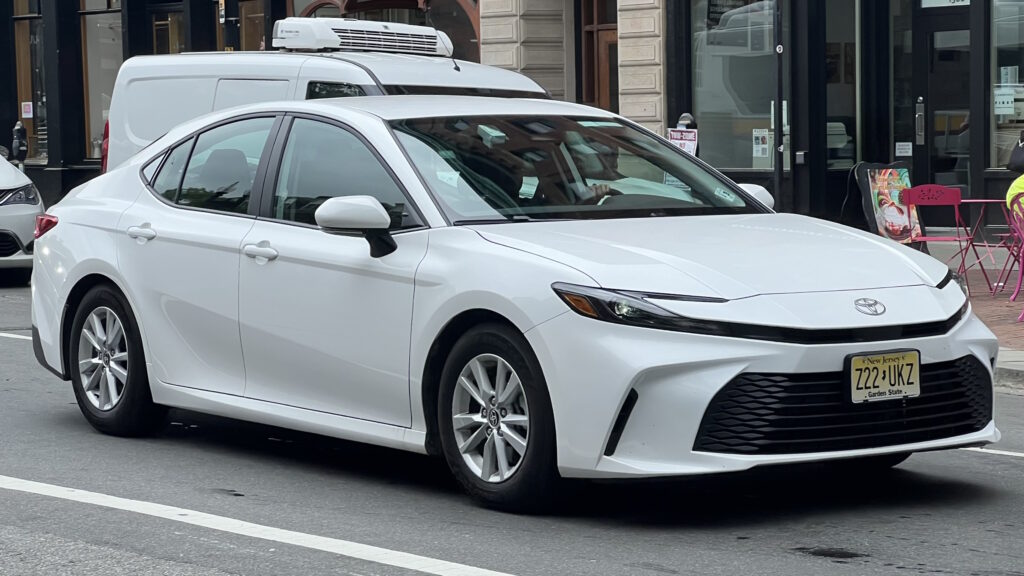
A broken or burned-out tail light on your Toyota Camry is more than a minor inconvenience. It can make your vehicle harder to see at night, increase the risk of a rear-end collision, and potentially lead to a traffic citation.
Fortunately, learning how to replace a Camry tail light is relatively straightforward, especially on models equipped with conventional, replaceable bulbs. In many cases, we can complete the job with basic tools and a little patience.
However, not every Toyota Camry uses the same lighting system. Older models typically feature replaceable bulbs, while newer generations incorporate LED lighting that may require replacement of a larger component or the entire tail light assembly.
In this guide, we'll explain how to identify the correct replacement part, remove a damaged tail light, install a new bulb or assembly, and troubleshoot common problems. We'll also cover important differences between Camry model years.
Content in this publication
- How Do You Know if Your Camry Tail Light Needs Replacing?
- Toyota Camry Tail Light Replacement by Model Year
- Tools Needed to Replace a Camry Tail Light
- How to Replace a Camry Tail Light Bulb
- How to Replace the Entire Toyota Camry Tail Light Assembly
- Toyota Camry Tail Light Replacement: 2007–2011
- Toyota Camry Tail Light Replacement: 2012–2017
- Toyota Camry Tail Light Replacement: 2018–2024
- Toyota Camry Tail Light Replacement: 2025–2026
- How Much Does a Toyota Camry Tail Light Replacement Cost?
- Why Is My Camry Tail Light Still Not Working?
- Can You Replace a Camry Tail Light With an LED Bulb?
- Common Camry Tail Light Replacement Mistakes
- How to Prevent Future Camry Tail Light Problems
- When Should You Replace Both Camry Tail Lights?
- Frequently Asked Questions About Camry Tail Lights
- Conclusion
How Do You Know if Your Camry Tail Light Needs Replacing?
Before removing any parts, we should identify exactly what's wrong with the rear lighting system.
Toyota Camry tail lights perform several functions, and understanding these differences can help prevent unnecessary repairs.
Common Signs of a Faulty Tail Light
A tail light may need attention if we notice any of the following:
- One rear light doesn't illuminate when the parking lights or headlights are switched on.
- The brake light fails to brighten when the brake pedal is pressed.
- One rear turn signal flashes faster than normal.
- The tail light flickers or works intermittently.
- The lens is cracked, broken, or missing.
- Water collects inside the housing.
- An LED section remains dark while the corresponding light on the opposite side works.
A completely dark assembly doesn't necessarily mean every bulb has failed. A damaged connector, blown fuse, wiring problem, or poor electrical ground can produce similar symptoms.
Tail Light vs. Brake Light vs. Turn Signal
These lighting functions are related but not identical.
| Light | Main purpose | When it operates |
|---|---|---|
| Tail light | Makes the vehicle visible from behind | When exterior lights are activated |
| Brake light | Warns drivers that we're slowing down | When the brake pedal is pressed |
| Rear turn signal | Indicates an intended turn or lane change | When signaling or using hazard lights |
| Reverse light | Illuminates the area behind the vehicle | When reverse gear is selected |
| Rear side marker | Indicates the vehicle's position from the side | Usually with the exterior lights |
Some Camry models combine the tail and brake functions in a dual-filament bulb. Others use integrated LED lighting.
Identifying the failed function helps us determine which component actually needs replacing.
Toyota Camry Tail Light Replacement by Model Year
One of the most important steps is identifying the model year and lighting configuration of our Camry.
Toyota has changed the rear lighting design several times, so a procedure that works on a 2012 Camry may not apply to a 2024 or 2025 model.
| Toyota Camry model years | Typical lighting configuration | Replacement considerations |
|---|---|---|
| 2002–2006 | Primarily conventional bulbs | Many bulbs can be accessed from the trunk |
| 2007–2009 | Conventional rear bulbs on many versions | Individual bulbs are generally replaceable |
| 2010–2011 | Combination of bulbs and LED lighting on some versions | Confirm whether the failed light is bulb-operated |
| 2012–2017 | Replaceable rear bulbs on many configurations | Trunk trim provides access to bulb sockets |
| 2018–2024 | Integrated LEDs with replaceable bulbs for certain functions | Some failures require LED component or assembly service |
| 2025–2026 | Predominantly LED rear lighting | Tail and stop lights generally require professional component replacement |
These descriptions primarily concern North American sedan models. Equipment may differ depending on the market, production date, and trim level.
Important: Always check the owner's manual or replacement-part catalog using the vehicle identification number (VIN) before purchasing a bulb or tail light assembly.
Tools Needed to Replace a Camry Tail Light
The tools required depend on whether we're changing a single bulb or removing the complete rear light assembly.
For most conventional tail light replacements, we should have the following items available:
- Replacement bulb or compatible tail light assembly
- Plastic trim removal tool
- 10 mm socket and ratchet, where applicable
- Small flathead screwdriver
- Phillips screwdriver, if required
- Clean microfiber cloth
- Protective gloves
- Small container for screws and clips
- Automotive masking tape
- Flashlight
A ratchet extension can make it easier to reach mounting hardware behind trunk panels.
If we're replacing only an accessible bulb, we may not need any tools at all.
Choosing the Correct Replacement Bulb
Several Camry generations use wedge-base bulbs for certain rear lighting functions.
Examples found on some older models include:
| Bulb designation | Common application on certain Camry models |
|---|---|
| 7443 | Combined brake and tail light |
| 7440 or amber equivalent | Rear turn signal |
| 194 or W5W | Rear side marker |
| 921 | Reverse light |
These are examples, not a universal compatibility chart.
A bulb that fits one Camry may be incorrect for another, even when the two vehicles look similar.
We should verify the original bulb's designation, color, wattage, and electrical compatibility before installation.
How to Replace a Camry Tail Light Bulb
For Camry models equipped with conventional rear bulbs, the replacement process is usually manageable without professional assistance.
The following procedure is particularly relevant to older models and vehicles with accessible rear bulb sockets.
Step 1: Park the Vehicle Safely
Park the Camry on a flat surface, switch off the engine, and apply the parking brake.
Turn off the headlights, hazard lights, and other exterior lighting.
Allow the bulb to cool if it has recently been operating.
We should avoid working on a hot bulb because it may cause burns or break during removal.
Step 2: Open the Trunk
Open the trunk and locate the interior trim panel behind the affected tail light.
Depending on the Camry's model year, access may be provided through:
- A small hinged carpet flap.
- A removable plastic access cover.
- A larger trunk side-liner panel.
- A trim panel attached with plastic retaining clips.
On some older Camry models, we can simply pull back the access flap to reveal the bulb sockets.
Other models require removing clips or luggage hooks before moving the lining.
Step 3: Remove the Trunk Trim
If the bulb socket is not immediately accessible, carefully remove the necessary trim fasteners.
Use a plastic trim tool to lift the retaining clips without damaging them.
Some push-pin clips have a center section that must be released before the fastener can be removed.
Place all clips and screws in a small container so they don't get lost.
Once the fasteners are removed, gently fold the trunk lining away from the rear light housing.
Avoid pulling aggressively because some trim sections remain attached elsewhere.
Step 4: Locate the Faulty Bulb Socket
Look at the rear of the light assembly and identify the socket corresponding to the failed light.
There may be separate sockets for the brake light, tail light, turn signal, and side marker.
On older vehicles, these sockets are usually inserted directly into the rear housing.
Compare their positions with the owner's manual rather than assuming the upper or lower socket serves a particular function.
Step 5: Remove the Old Bulb
On many Camry models, the bulb socket is removed by turning it counterclockwise.
Once unlocked, pull the socket gently out of the housing.
For a wedge-base bulb, hold the socket securely and pull the bulb straight out.
If the bulb is difficult to remove, avoid twisting or squeezing the glass excessively.
Inspect the socket for signs of overheating, melted plastic, corrosion, or damaged terminals.
If the socket is damaged, replacing the bulb alone may not solve the problem.
Step 6: Install the New Bulb
Take the correctly specified replacement bulb and insert it into the socket.
Ensure that it fits securely and sits in the correct position.
We recommend handling the bulb with clean gloves or a cloth to reduce contamination.
For dual-function bulbs, confirm that the new bulb matches the original electrical configuration.
Never force an incompatible bulb into the socket.
Step 7: Reinstall the Bulb Socket
Insert the socket back into the tail light housing.
Align its locking tabs with the corresponding openings.
Rotate the socket clockwise until it locks securely.
Check that the seal is positioned correctly and that the socket sits flush against the housing.
A poorly installed socket may allow moisture to enter the assembly.
Step 8: Test the New Tail Light
Before reinstalling the trunk lining, test the repaired light.
Switch on the parking lights or headlights to check the tail light function.
Then have another person press the brake pedal while we observe the rear of the vehicle.
If we've replaced a turn signal bulb, activate the appropriate indicator.
Confirm that the repaired light operates correctly and matches the opposite side.
Step 9: Reinstall the Trunk Lining
Once we've confirmed that everything works, return the trunk lining to its original position.
Reinstall the clips, hooks, and covers.
Make sure that no wiring is trapped or pinched behind the trim.
Finally, close the trunk and perform one more lighting check.
On many older Camry models, that's all we need to complete a basic tail light bulb replacement.
How to Replace the Entire Toyota Camry Tail Light Assembly
Sometimes replacing a bulb isn't enough.
If the lens is cracked, the housing is damaged, water has entered the unit, or an integrated LED has failed, we may need to replace the complete assembly.
Step 1: Identify the Correct Tail Light Assembly
Toyota Camry sedans may have two separate rear lighting sections on each side:
- The outer light mounted to the rear quarter panel.
- The inner light mounted to the trunk lid.
These components are not interchangeable.
We must also confirm whether the replacement is for the driver's side or passenger's side.
Before ordering, check the model year, trim, original part number, and VIN.
Step 2: Access the Mounting Hardware
Open the trunk and remove the trim covering the affected assembly's mounting points.
Depending on the model, this may involve removing clips, plastic covers, luggage hooks, or portions of the trunk liner.
Locate the screws or nuts holding the housing in position.
Some Camry assemblies have two primary screws, while others use three or more mounting points.
Do not assume that every model uses the same fasteners.
Step 3: Disconnect the Electrical Connector
With the lights switched off, locate the electrical connector attached to the rear housing.
Press its locking tab and carefully disconnect it.
Always pull on the connector body rather than the wires.
Check for signs of corrosion, damaged insulation, or melted plastic.
Step 4: Remove the Old Assembly
Remove the retaining hardware while supporting the light.
Gently pull the assembly away from the vehicle in the direction specified by the repair procedure.
Some assemblies use locating pins or plastic guides that must be disengaged carefully.
Never force the housing outward if it doesn't move. A hidden fastener or retained guide may still be holding it in place.
Certain Camry configurations may require additional bumper-edge access or trim removal.
Step 5: Inspect the Sealing Surface
Before installing the replacement, inspect the surrounding bodywork.
Remove dirt and debris from the mounting area.
Check the condition of the gasket and rubber grommets.
If the manufacturer requires a new gasket, install one instead of reusing the original seal.
A damaged seal can allow water to enter the trunk or light housing.
Step 6: Install the Replacement Assembly
Align the replacement housing with its locating points.
Carefully seat the assembly without trapping wiring or damaging the gasket.
Install the mounting hardware and tighten it according to the vehicle's repair specifications.
Avoid overtightening because plastic housings can crack.
Reconnect the electrical connector until its locking tab engages.
Step 7: Check Alignment and Operation
Before reinstalling all the trim, test the tail lights, brake lights, turn signals, and reverse lights.
Check that the new assembly sits evenly against the bodywork.
Look for unusually large panel gaps or areas where the gasket isn't sealing correctly.
Once everything works properly, reinstall the trunk panels and fasteners.
Toyota Camry Tail Light Replacement: 2007–2011
The 2007–2011 Toyota Camry generation is generally one of the easier versions to service when the problem involves an accessible conventional bulb.
Many models have small access panels behind the rear light assemblies.
We can open the trunk, pull back the corresponding access cover, and reach the bulb socket without removing the entire housing.
However, lighting configurations changed during this generation.
Some later versions incorporate LED brake or tail lighting, meaning not every failed light can be fixed by replacing an ordinary bulb.
For a standard replaceable bulb, the process is straightforward: remove the socket, exchange the bulb, reinstall the socket, and test the light.
If the lens is physically damaged, replacing the entire housing requires additional disassembly.
Toyota Camry Tail Light Replacement: 2012–2017
Many 2012–2017 Camry models have conventional rear bulb sockets accessible from behind the trunk trim.
This generation is particularly convenient for replacing an individual brake/tail bulb or turn signal bulb.
The general process involves:
- Opening the trunk.
- Removing the luggage-trim clips.
- Folding back the liner.
- Locating the correct socket.
- Turning the socket counterclockwise.
- Replacing the defective bulb.
- Reinstalling and testing the light.
On models with the appropriate bulb configuration, there's usually no need to remove the complete outer housing just to replace a bulb.
Full housing replacement can be more involved because additional mounting points or body trim may need to be released.
Toyota Camry Tail Light Replacement: 2018–2024
The eighth-generation Camry introduced more sophisticated rear lighting.
Depending on the trim and production configuration, we may find integrated LED stop/tail lights alongside conventional bulbs for certain other functions.
For an outer rear combination light assembly, the service procedure on many 2018–2024 models involves removing a rear light cover, releasing two retaining screws, and disengaging locating guides.
The inner trunk-mounted rear light uses a different mounting arrangement, which commonly includes three retaining nuts.
Some LED components have separate service procedures, but this doesn't mean they are ordinary plug-in bulbs.
If the main LED tail or stop light has failed, we should confirm the correct repair method before attempting to open the housing.
For this generation, it is especially important to distinguish between replacing a rear turn signal bulb and repairing an integrated LED lighting section.
Toyota Camry Tail Light Replacement: 2025–2026
The redesigned Toyota Camry uses extensive LED technology in its rear lighting system.
On these models, the main tail lights and stop lights are LED-based rather than conventional replaceable filament bulbs.
Toyota directs owners to dealer service for failures involving those LED lights.
However, some configurations still have replaceable rear turn signal or reverse light bulbs.
Therefore, we should identify the failed lighting function before purchasing replacement parts.
For an integrated LED failure, the correct repair may involve replacing a specified LED component or lighting assembly.
On hybrid models, ordinary tail light servicing should be limited to the applicable low-voltage components. Never interfere with orange high-voltage wiring or hybrid-system components.
How Much Does a Toyota Camry Tail Light Replacement Cost?
The cost varies considerably depending on the model year, type of lighting, and whether we're replacing a bulb or the complete assembly.
Here are approximate U.S. price ranges for planning purposes.
| Replacement type | Estimated cost (USD) |
|---|---|
| Conventional replacement bulb | $5–$25 |
| Basic bulb replacement with labor | $25–$85 |
| Aftermarket tail light assembly | $60–$220+ |
| New OEM tail light assembly | $200–$500+ |
| Used OEM tail light assembly | $50–$350+ |
| Assembly installation labor | $50–$150+ |
These are general estimates, not guaranteed prices. Premium LED assemblies may cost more, and prices vary by location, supplier, and trim.
DIY vs. Professional Replacement
Replacing a conventional bulb ourselves is typically the least expensive option.
A straightforward bulb replacement may take approximately 10–30 minutes.
A complete assembly replacement might take 30–90 minutes or longer, depending on access and required trim removal.
Professional installation is worth considering when the repair involves:
- Integrated LED components.
- Damaged electrical wiring.
- Broken mounting brackets.
- Significant water intrusion.
- Difficult-to-access fasteners.
- Persistent lighting failures after bulb replacement.
Why Is My Camry Tail Light Still Not Working?
If we've installed a new bulb or light assembly but the problem remains, the fault may be elsewhere in the electrical system.
Blown Fuse
A blown fuse may interrupt power to part of the lighting system.
Consult the owner's manual to identify the relevant fuse and check it using an appropriate tester.
Always replace a blown fuse with one of the specified rating.
If the new fuse blows again, the underlying electrical fault needs diagnosis.
Corroded Bulb Socket
Moisture can cause corrosion inside a bulb socket.
Corroded contacts may interrupt current or create an unreliable electrical connection.
If the terminals are damaged or badly corroded, replacing the socket or wiring pigtail may be necessary.
Loose Electrical Connector
An electrical connector that isn't fully seated can cause intermittent lighting failures.
Disconnect and inspect the connector with the circuit switched off.
Check for bent terminals, broken locking tabs, or loose wiring.
Faulty LED Module
Integrated LED lights can fail because of internal electronics, damaged components, or power-supply problems.
Unlike a conventional bulb, an LED lighting section may not have a simple replacement socket.
The correct repair depends on the design of the specific assembly.
Damaged Wiring or Poor Ground
Broken wires, damaged insulation, and poor ground connections can prevent a working bulb from illuminating.
If multiple rear lights behave abnormally, an electrical diagnosis may be needed.
A multimeter can help identify missing power or poor continuity, but testing should follow the vehicle's wiring diagram.
Can You Replace a Camry Tail Light With an LED Bulb?
Some owners consider replacing conventional bulbs with LED alternatives.
Although LED bulbs can offer advantages, we shouldn't assume that every aftermarket LED replacement is compatible.
Potential issues include:
- Incorrect bulb fitment.
- Hyperflashing turn signals.
- Uneven light distribution.
- Poor visibility from certain angles.
- Dashboard warnings or electrical incompatibility.
- Noncompliance with local lighting regulations.
For exterior safety lighting, the brightness and distribution of light matter just as much as the ability of the bulb to illuminate.
The safest choice is a replacement that matches the original specifications and applicable road-use requirements.
If we want to upgrade the entire assembly, we should choose a product designed specifically for the Camry's model year and wiring configuration.
Common Camry Tail Light Replacement Mistakes
Even a simple repair can become expensive if we damage the vehicle or install the wrong component.
Buying the Wrong Tail Light
Two Camry vehicles from the same generation may use different rear light designs.
A replacement that looks similar in a photograph may have a different connector or mounting arrangement.
Always verify the exact part number.
Breaking the Mounting Tabs
Plastic mounting tabs can crack if we pull the housing at the wrong angle.
If the assembly doesn't move, inspect it for hidden fasteners before applying additional force.
Overtightening the Fasteners
Tail light assemblies often combine metal fasteners with plastic mounting structures.
Excessive tightening can damage the housing or deform its seal.
Forgetting the Gasket
A missing or damaged gasket can cause leaks.
Always inspect the sealing surface and replace the gasket when required.
Skipping the Final Test
A new light assembly isn't necessarily installed correctly just because it fits.
We should always confirm that every intended lighting function operates before completing the repair.
How to Prevent Future Camry Tail Light Problems
Although tail lights eventually wear out, a few basic maintenance habits can help reduce unnecessary failures.
We recommend inspecting the rear lights periodically, particularly before long journeys.
Keep the lenses clean so the lights remain clearly visible.
After heavy rain or washing the vehicle, check for persistent moisture inside the housings.
Avoid high-pressure water jets directed closely at damaged seals or electrical connections.
When replacing a bulb, choose a quality part with the correct specifications.
Also, repair cracked lenses promptly. Even a small opening can allow water to reach the electrical components.
When Should You Replace Both Camry Tail Lights?
If one conventional bulb burns out, replacing the same bulb on the opposite side can be reasonable, especially when both are the same age.
This can help avoid a second repair shortly afterward.
However, there's usually no need to replace both complete tail light assemblies simply because one has been damaged.
A functioning LED assembly can remain in service unless there is another reason to replace it, such as damage or a deliberate matched upgrade.
Frequently Asked Questions About Camry Tail Lights
1. Can I Replace a Toyota Camry Tail Light Myself?
Yes. On many older Camry models, replacing a conventional tail light bulb is a straightforward DIY task requiring minimal tools.
Replacing a complete housing is more involved but may still be manageable for someone comfortable removing vehicle trim.
Integrated LED failures can require professional service.
2. Do I Need to Remove the Bumper to Replace a Camry Tail Light?
Not always.
Many bulb replacements require only access through the trunk lining. Some complete assembly replacements involve additional bumper-edge access or release of hidden mounting hardware.
The correct procedure depends on the specific model year and housing design.
3. What Bulb Does a Toyota Camry Tail Light Use?
There isn't one universal Toyota Camry tail light bulb.
Some older models use 7443 bulbs for combined brake/tail functions, while other years and trims use different bulbs or integrated LED lighting.
Check the owner's manual or VIN-specific parts catalog before purchasing.
4. How Long Does It Take to Replace a Camry Tail Light?
A simple bulb replacement often takes around 10–30 minutes.
Replacing a complete assembly typically takes longer, especially if the procedure involves removing trunk panels or additional trim.
5. Can I Drive My Toyota Camry With a Broken Tail Light?
We shouldn't continue driving with a defective tail light.
Reduced rear visibility can increase collision risk, particularly at night or during poor weather.
A broken or nonfunctioning tail light may also violate local vehicle lighting requirements. The best option is to repair it before driving.
Conclusion
Learning how to replace a Toyota Camry tail light can save us money and help keep the vehicle safe on the road.
For older Camry models equipped with conventional bulbs, the process is often as simple as opening the trunk, accessing the bulb socket, installing a replacement, and testing the light.
On newer Camry generations, particularly those with integrated LED lighting, the repair can be more complicated and may require replacing a dedicated component or complete assembly.
The key is to identify the model year, determine which rear lighting function has failed, and select the correct replacement part.
By following the appropriate procedure, protecting the mounting components, checking the seals, and testing the lights after installation, we can restore reliable rear illumination without unnecessary repairs.
If you want to know other articles similar to How to Replace a Toyota Camry Tail Light: Step-by-Step Guide you can visit the category Service and Parts.
Suzuki Swift Fuel Tank Capacity: Complete Guide

Mazda CX-5 Weight (2013–2026): Complete Guide in Pounds and KG

Kia Sportage Dashboard Symbols and Warning Lights

MINI Cooper Weight (2002–2027): Complete Weight Chart & Guide

Toyota RAV4 Engine Sizes: Complete Guide (1994–2026)

Toyota RAV4 Weight (2002–2026): Complete Guide by Year and Model
Leave a Reply
More content of your interest