

Hyundai Coupe Engine Size: Complete Guide to Every Engine Option

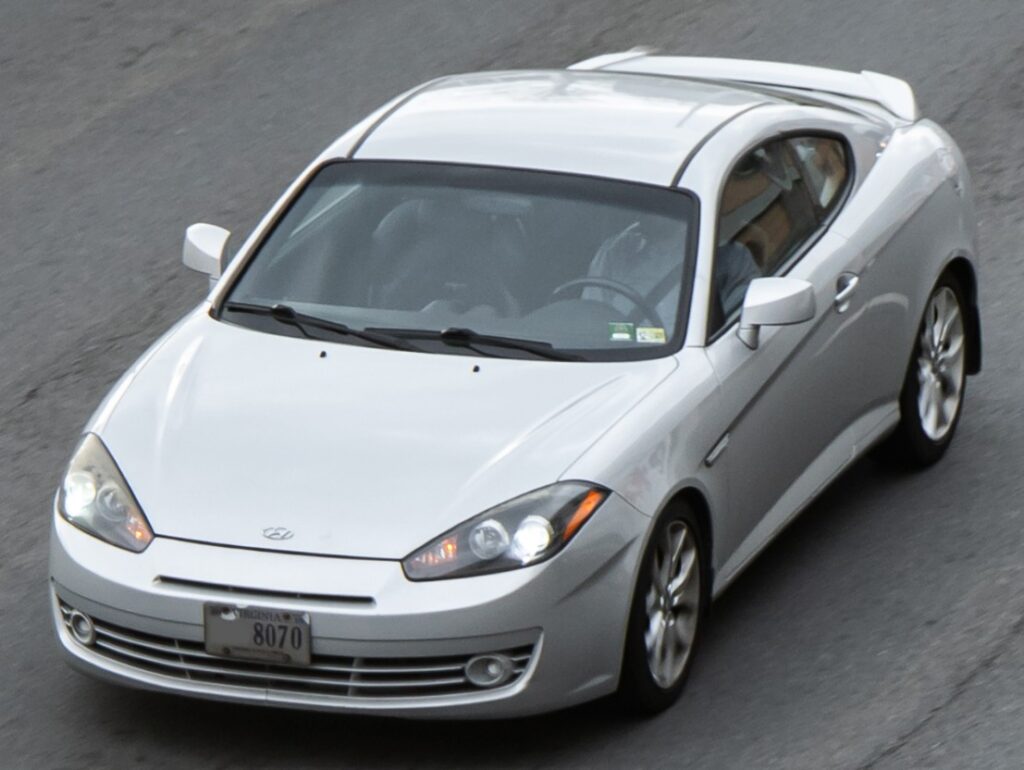
The Hyundai Coupe has always occupied a fascinating corner of the automotive world. It offered sporty styling without the premium price tag, giving drivers the appearance and feel of a performance car while remaining practical enough for everyday use. One of the most important factors that shaped each generation of the Hyundai Coupe was engine size.
Whether you're considering buying a used Hyundai Coupe, restoring a classic model, or simply curious about its mechanical evolution, understanding Hyundai Coupe engine sizes is essential. Engine displacement affects everything from performance and fuel economy to maintenance costs and driving character.
In this comprehensive guide, we'll explore every Hyundai Coupe engine size offered throughout its history, compare performance figures, discuss reliability, and help determine which engine may be the best fit for different driving needs.
Content in this publication
- Understanding Hyundai Coupe Engine Sizes
- The Evolution of Hyundai Coupe Engines
- First Generation Hyundai Coupe Engine Sizes
- Second Generation Hyundai Coupe Engine Sizes
- The Legendary Hyundai Coupe V6 Engine
- Comparing Hyundai Coupe Engine Sizes
- Which Hyundai Coupe Engine Is the Most Reliable?
- Fuel Economy by Engine Size
- Performance Figures Across Engine Sizes
- Engine Technology Used in Hyundai Coupe Models
- Common Problems by Engine Size
- Best Hyundai Coupe Engine for Daily Driving
- Best Hyundai Coupe Engine for Enthusiasts
- Maintenance Costs by Engine Size
- Should You Buy a Hyundai Coupe Based on Engine Size?
- The Future Collectability of Hyundai Coupe Engines
- Conclusion
- Frequently Asked Questions
Understanding Hyundai Coupe Engine Sizes
Before diving into specific models, let's briefly discuss what engine size actually means.
Engine size, also called displacement, refers to the total volume of all cylinders inside the engine. It's usually measured in liters (L) or cubic centimeters (cc).
Generally speaking:
- Smaller engines prioritize fuel economy.
- Larger engines typically produce more power.
- Engine size influences insurance, taxes, and maintenance costs.
- Driving feel changes dramatically between engine options.
The Hyundai Coupe was offered with several engine sizes ranging from economical four-cylinder units to powerful V6 engines.
The Evolution of Hyundai Coupe Engines
The Hyundai Coupe went through multiple generations, each bringing new technology and engine choices.
The main generations include:
- First Generation (1996–2001)
- Second Generation (2001–2008)
- Third Generation/Tiburon (2003–2008 in some markets)
Throughout these generations, Hyundai refined both performance and efficiency.
Why Hyundai Offered Multiple Engine Sizes
Different drivers have different priorities.
Some buyers wanted:
- Lower fuel consumption
- Cheaper insurance
- Reduced ownership costs
Others preferred:
- Faster acceleration
- Better highway performance
- A sportier driving experience
Offering multiple engine sizes allowed Hyundai to appeal to both groups.
First Generation Hyundai Coupe Engine Sizes
The first-generation Hyundai Coupe introduced the model to the world and established its sporty reputation.
1.6-Liter Engine
The entry-level engine was a 1.6-liter four-cylinder unit.
Key Specifications
- Engine Size: 1.6L
- Configuration: Inline-4
- Fuel Type: Petrol
- Power Output: Approximately 114 hp
This engine focused on affordability and economy rather than outright performance.
Driving Experience
The 1.6-liter engine feels light and responsive around town. While it won't deliver neck-snapping acceleration, it provides sufficient power for daily commuting.
1.8-Liter Engine
The next step up was the 1.8-liter four-cylinder engine.
Performance Benefits
Compared with the 1.6-liter:
- Improved acceleration
- Better highway cruising
- More flexible power delivery
Power output generally ranged around 130 hp depending on the market.
2.0-Liter Engine
The largest engine in many first-generation markets was the 2.0-liter four-cylinder.
What Made It Popular?
The 2.0-liter struck an excellent balance between:
- Fuel efficiency
- Reliability
- Performance
Many enthusiasts consider this one of the most versatile Hyundai Coupe engines ever produced.
Second Generation Hyundai Coupe Engine Sizes
The second-generation Coupe brought a more aggressive design and expanded engine options.
1.6-Liter Beta Engine
The updated 1.6-liter engine continued serving as the entry-level choice.
Advantages
- Affordable ownership
- Lower fuel consumption
- Simple maintenance
For younger drivers, this engine often represented the most practical option.
2.0-Liter Beta Engine
The 2.0-liter Beta engine became one of the lineup's stars.
Specifications
- Engine Size: 2.0L
- Configuration: Inline-4
- Power Output: 138–143 hp
This engine delivered significantly stronger performance than the smaller units.
Real-World Driving
The 2.0-liter transforms the Coupe's personality. Overtaking becomes easier, motorway driving feels more relaxed, and overall responsiveness improves noticeably.
The Legendary Hyundai Coupe V6 Engine
Perhaps the most exciting engine ever installed in the Hyundai Coupe was the V6.
2.7-Liter V6 Engine
The 2.7-liter V6 elevated the Coupe from sporty commuter to genuine grand tourer.
Core Specifications
- Engine Size: 2.7L
- Configuration: V6
- Power Output: Around 167–172 hp
- Transmission Options: Manual and Automatic
This engine became the flagship powertrain for many markets.
Why Enthusiasts Love the 2.7 V6
Several factors explain the V6's popularity.
Smoothness
Unlike four-cylinder engines, the V6 delivers power with remarkable refinement.
Sound
The exhaust note is deeper, richer, and more emotional.
Performance
Acceleration feels substantially stronger, especially at higher speeds.
Comparing Hyundai Coupe Engine Sizes
1.6L vs 2.0L
The difference between these engines is immediately noticeable.
| Feature | 1.6L | 2.0L |
|---|---|---|
| Fuel Economy | Better | Good |
| Power | Moderate | Strong |
| Insurance | Lower | Higher |
| Highway Performance | Adequate | Excellent |
| Resale Value | Average | Better |
For most drivers, the 2.0-liter offers the better overall experience.
2.0L vs 2.7L V6
The comparison becomes more interesting here.
| Feature | 2.0L | 2.7L V6 |
|---|---|---|
| Running Costs | Lower | Higher |
| Fuel Economy | Better | Lower |
| Sound | Good | Excellent |
| Performance | Strong | Very Strong |
| Maintenance | Simpler | More Complex |
The V6 wins on excitement, while the 2.0-liter wins on practicality.
Which Hyundai Coupe Engine Is the Most Reliable?
Reliability remains one of the biggest concerns for used-car buyers.
Most Reliable Option: 2.0-Liter
Many owners regard the 2.0-liter Beta engine as the sweet spot.
Reasons include:
- Proven design
- Durable components
- Easier servicing
- Strong parts availability
With proper maintenance, these engines can exceed 200,000 miles.
The Reliability of the 1.6-Liter
The smaller 1.6-liter engine is also dependable.
Its simpler design often results in:
- Lower repair costs
- Fewer performance-related stresses
- Excellent longevity
How Reliable Is the 2.7 V6?
The V6 can be highly reliable when maintained correctly.
However, owners should expect:
- Higher servicing costs
- More spark plugs
- More complex repairs
Reliability remains good, but maintenance becomes more expensive.
Fuel Economy by Engine Size
Fuel consumption varies considerably between engines.
1.6-Liter Economy
The smallest engine offers the best efficiency.
Typical figures:
- 35–40 mpg depending on conditions
2.0-Liter Economy
The middle engine balances power and efficiency.
Typical figures:
- 30–35 mpg
2.7-Liter V6 Economy
The V6 sacrifices efficiency for performance.
Typical figures:
- 24–30 mpg
Performance Figures Across Engine Sizes
Performance helps reveal the true character of each engine.
1.6-Liter Performance
Approximate 0–60 mph:
- 10–11 seconds
Suitable for daily driving rather than spirited performance.
2.0-Liter Performance
Approximate 0–60 mph:
- 8–9 seconds
A significant improvement that enhances driving enjoyment.
2.7-Liter V6 Performance
Approximate 0–60 mph:
- Around 7 seconds
This engine delivers the performance many buyers expect from a sporty coupe.
Engine Technology Used in Hyundai Coupe Models
Over the years, Hyundai introduced numerous improvements.
Multi-Valve Cylinder Heads
These improved:
- Airflow
- Efficiency
- Power output
Electronic Fuel Injection
Fuel injection replaced older systems and offered:
- Better reliability
- Improved economy
- Lower emissions
Advanced Engine Management Systems
Modern electronic controls helped optimize:
- Ignition timing
- Fuel delivery
- Emissions performance
Common Problems by Engine Size
Every engine has potential weaknesses.
1.6-Liter Issues
Typical concerns include:
- Aging sensors
- Oil leaks
- Ignition components
2.0-Liter Issues
Common issues may include:
- Timing belt maintenance
- Idle control valves
- Oxygen sensors
2.7 V6 Issues
Potential concerns include:
- Timing belt replacement
- Higher cooling system demands
- Increased maintenance complexity
Most problems stem from age rather than design flaws.
Best Hyundai Coupe Engine for Daily Driving
For daily use, balance matters.
The 2.0-liter engine excels because it offers:
- Strong performance
- Good fuel economy
- Excellent reliability
- Reasonable ownership costs
Many enthusiasts consider it the perfect compromise.
Best Hyundai Coupe Engine for Enthusiasts
Performance-oriented drivers often gravitate toward the V6.
Why the 2.7 V6 Stands Out
The V6 provides:
- Better acceleration
- Superior engine sound
- More engaging character
- Greater highway confidence
It's the engine that makes the Hyundai Coupe feel genuinely special.
Maintenance Costs by Engine Size
Ownership costs rise as engine size increases.
1.6-Liter Costs
Generally the cheapest to maintain.
2.0-Liter Costs
Moderate maintenance expenses.
2.7-Liter Costs
The most expensive due to:
- Additional cylinders
- More components
- Greater fuel consumption
Nevertheless, many owners consider the extra cost worthwhile.
Should You Buy a Hyundai Coupe Based on Engine Size?
The answer depends entirely on your goals.
Choose the 1.6-Liter If
- Budget is your priority
- You mainly drive in cities
- Insurance costs matter
Choose the 2.0-Liter If
- You want balance
- You value reliability
- You enjoy spirited driving
Choose the 2.7 V6 If
- Performance matters most
- You love engine sound
- Fuel costs are less important
The Future Collectability of Hyundai Coupe Engines
As older sports coupes become rarer, certain versions gain collector interest.
The V6 models are particularly appealing because:
- Production numbers were lower
- Performance remains respectable
- Naturally aspirated V6 engines are becoming uncommon
Meanwhile, well-maintained 2.0-liter examples continue attracting buyers seeking affordable sports-car ownership.
Conclusion
The Hyundai Coupe's engine lineup tells the story of a car designed to satisfy a wide variety of drivers. From the economical 1.6-liter four-cylinder to the muscular 2.7-liter V6, each engine brings its own personality to the table.
If we were choosing a single engine for overall ownership satisfaction, the 2.0-liter stands out as the sweet spot. It blends reliability, efficiency, affordability, and enjoyable performance into one well-rounded package.
However, for those who crave excitement every time they turn the key, the 2.7-liter V6 remains the crown jewel of the Hyundai Coupe range. Its smooth power delivery and distinctive soundtrack transform every drive into something memorable.
Ultimately, the best Hyundai Coupe engine size isn't determined by horsepower alone—it's determined by how well it matches the way we drive, the roads we travel, and the experiences we seek behind the wheel.
Frequently Asked Questions
1. What engine sizes were available in the Hyundai Coupe?
The Hyundai Coupe was offered with 1.6L, 1.8L, 2.0L, and 2.7L V6 engines depending on the generation and market.
2. Which Hyundai Coupe engine is the most reliable?
The 2.0-liter Beta engine is widely considered the most reliable and balanced option.
3. Is the Hyundai Coupe V6 fast?
Yes. The 2.7-liter V6 can reach 60 mph in around seven seconds, making it the fastest factory engine option.
4. Which Hyundai Coupe engine gets the best fuel economy?
The 1.6-liter engine typically delivers the best fuel efficiency.
5. What is the best Hyundai Coupe engine to buy today?
Most buyers find the 2.0-liter engine offers the ideal balance of performance, reliability, fuel economy, and affordability.
If you want to know other articles similar to Hyundai Coupe Engine Size: Complete Guide to Every Engine Option you can visit the category Service and Parts.
Kia Sorento Service Reset: How to Reset the Service Light
Kia Sorento Fuel Tank Capacity: Gallons, Litres and Model Differences
Kia Sorento Tyre Pressure: Recommended PSI, Bar and Complete Guide
Kia Sorento Boot Space: How Much Luggage Space Does It Really Have?
Kia Sorento Towing Capacity: How Much Can a Sorento Tow?

Honda Passport Payload Capacity: How Much Weight Can It Carry?
Leave a Reply
More content of your interest