

Hyundai i30 Warning Lights: The Complete Driver’s Guide

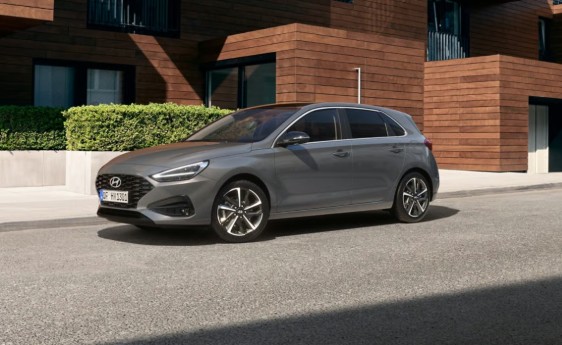
We’ve all been there—driving calmly, maybe humming along to a playlist, when suddenly a mysterious symbol lights up on the dashboard of your Hyundai i30. It’s like your car just whispered, “Hey… we need to talk.”
But what exactly is it trying to say?
In this guide, we’ll decode every major Hyundai i30 warning light, break down what they mean, how serious they are, and what you should do next. Think of this as your personal translator between you and your car.
Content in this publication
- Understanding Dashboard Warning Lights
- Most Common Hyundai i30 Warning Lights Explained
- Advanced Warning Lights You Shouldn’t Ignore
- Less Common but Important Warning Lights
- Warning Lights That Flash vs Stay On
- How to Respond When a Warning Light Appears
- Preventing Warning Lights in Your Hyundai i30
- Common Misinterpretations Drivers Make
- When to Visit a Mechanic Immediately
- DIY vs Professional Diagnosis
- The Role of OBD2 Scanners
- Hyundai i30 Generations and Warning Light Variations
- Are Warning Lights Always Accurate?
- Closing Thoughts: Listen to Your Car Before It Shouts
- FAQs About Hyundai i30 Warning Lights
Understanding Dashboard Warning Lights
Why Do Warning Lights Exist?
Your Hyundai i30 isn’t just a machine—it’s a communicator. Those glowing icons are part of an intelligent onboard diagnostic system designed to alert you before small issues snowball into expensive disasters.
The Three Warning Light Colors
Let’s start simple. The colors matter—a lot.
- Green/Blue Lights
- Informational only
- Example: headlights, cruise control
- Amber/Yellow Lights
- Caution required
- Needs attention soon
- Red Lights
- Immediate action required
- Stop driving if safe
Think of it like traffic lights: green = go, yellow = check, red = stop.
Most Common Hyundai i30 Warning Lights Explained
Engine Management Light (Check Engine Light)
This is the celebrity of warning lights—the one everyone fears.
What It Means
- Engine or emissions system issue
- Could be minor (loose fuel cap) or serious (sensor failure)
What You Should Do
- Check fuel cap first
- If it stays on → diagnostic scan needed
- If flashing → stop driving immediately
Oil Pressure Warning Light
A small oil can icon, but a big deal.
What It Means
- Low oil pressure
- Engine not properly lubricated
Action Steps
- Stop the car immediately
- Check oil level
- Do not continue driving if unresolved
Ignoring this is like running a marathon without water—your engine will suffer fast.
Battery Warning Light
What It Indicates
- Charging system issue
- Faulty alternator, battery, or wiring
What To Do
- Turn off non-essential electronics
- Drive to a mechanic ASAP
Brake Warning Light
Possible Causes
- Parking brake engaged
- Low brake fluid
- Brake system fault
Immediate Action
- Check handbrake
- If still on → stop driving and inspect
Coolant Temperature Warning Light
What It Means
- Engine overheating
What You Should Do
- Pull over safely
- Let engine cool
- Check coolant levels
Overheating is the silent killer of engines.
Advanced Warning Lights You Shouldn’t Ignore
ABS Warning Light (Anti-lock Braking System)
What It Means
- ABS system malfunction
Impact
- Brakes still work, but without ABS safety
ESP / Traction Control Light
What It Indicates
- Stability control is active or faulty
Tip
- Flashing = system working
- Constant = possible fault
Airbag Warning Light
What It Means
- Airbag system malfunction
Why It Matters
- Airbags may not deploy in an accident
DPF Warning Light (Diesel Models)
Meaning
- Diesel particulate filter is clogged
Solution
- Drive at higher speed to regenerate filter
Less Common but Important Warning Lights
Tyre Pressure Monitoring System (TPMS)
What It Means
- Low tyre pressure detected
Quick Fix
- Inflate tyres to recommended PSI
Power Steering Warning Light
What It Indicates
- Steering assistance issue
Effect
- Steering becomes heavier
Fuel Warning Light
We all know this one—but still ignore it sometimes.
Reality Check
- You’ve got about 30–50 km left
Warning Lights That Flash vs Stay On
Flashing Lights
- Immediate danger
- Example: flashing engine light = misfire
Solid Lights
- Ongoing issue
- Needs attention but not urgent
How to Respond When a Warning Light Appears
Step-by-Step Reaction Plan
- Stay Calm
- Check the Color
- Identify the Symbol
- Consult the Manual
- Take Action Accordingly
Preventing Warning Lights in Your Hyundai i30
Regular Maintenance Tips
- Change engine oil regularly
- Check tyre pressure monthly
- Replace worn brake pads
- Keep battery terminals clean
Smart Driving Habits
- Avoid aggressive acceleration
- Don’t ignore small issues
- Use quality fuel
Common Misinterpretations Drivers Make
“It Turned Off, So It’s Fine”
Not always true. Intermittent issues can return worse.
“It’s Just a Sensor”
Sometimes yes—but sometimes it’s the symptom of a bigger issue.
When to Visit a Mechanic Immediately
- Red warning light appears
- Strange noises or smells
- Loss of power or braking
- Multiple warning lights at once
DIY vs Professional Diagnosis
When You Can DIY
- Low tyre pressure
- Loose fuel cap
- Low washer fluid
When You Shouldn’t
- Engine issues
- Brake system faults
- Electrical failures
The Role of OBD2 Scanners
Why They’re Useful
- Read error codes
- Save diagnostic costs
Limitations
- Doesn’t fix the problem
- Requires interpretation
Hyundai i30 Generations and Warning Light Variations
Different versions of the Hyundai i30 (2007–present) may have slight variations in icons, but the core meanings remain consistent.
Are Warning Lights Always Accurate?
Not always.
Sensors can fail, wiring can glitch—but ignoring a warning is still a gamble. It’s better to investigate than assume.
Closing Thoughts: Listen to Your Car Before It Shouts
Your Hyundai i30 doesn’t suddenly break—it whispers first. Warning lights are those whispers.
Ignore them, and they turn into screams… and expensive repair bills.
Stay alert, stay informed, and treat every warning light as a conversation—not a nuisance.
FAQs About Hyundai i30 Warning Lights
1. Can I drive with the engine warning light on?
Yes, if it’s steady—but get it checked soon. If flashing, stop immediately.
2. What is the most serious warning light?
Oil pressure and coolant temperature lights are among the most critical.
3. Why does my warning light turn off by itself?
It could be intermittent—but the issue may still exist.
4. Is it expensive to fix warning light issues?
Depends on the cause—could be cheap (sensor) or costly (engine repair).
5. Do all Hyundai i30 models have the same warning lights?
Mostly yes, but newer models include more advanced indicators.
If you want to know other articles similar to Hyundai i30 Warning Lights: The Complete Driver’s Guide you can visit the category Service and Parts.
Nissan Rogue Oil Change Cost: Prices, Service Options, and What to Expect
Nissan Rogue Key Battery Replacement: Easy Step-by-Step Guide
Nissan Rogue Oil Change Interval: Complete Guide by Model Year
Nissan Rogue Brake Pads and Rotors Cost: Complete 2026 Guide

Kia Sorento Service Reset: How to Reset the Service Light
Kia Sorento Fuel Tank Capacity: Gallons, Litres and Model Differences
Leave a Reply
More content of your interest