

Is Subaru XV Expensive to Maintain? A Real-World Cost Guide

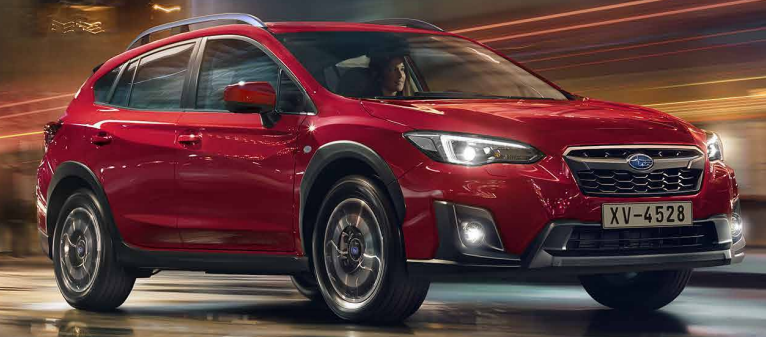
If you are considering a Subaru XV, one question probably keeps circling back: is Subaru XV expensive to maintain? It is a fair concern. The XV—also known as the Crosstrek in some markets—has a reputation for ruggedness, standard all-wheel drive, and go-anywhere versatility, but a sophisticated drivetrain can make us wonder whether ownership costs hide an unpleasant surprise.
The short answer is that a Subaru XV is generally not excessively expensive to maintain, but it may cost slightly more than a basic front-wheel-drive hatchback or small crossover. Its permanent all-wheel-drive system, boxer engine layout, specific fluid requirements, and relatively sensitive tyre setup can add expense as the vehicle ages.
That does not automatically make it a costly car.
A properly serviced XV can be a remarkably sensible ownership proposition. Most of its routine maintenance is predictable, and owners who stay ahead of servicing usually avoid the nastier repair bills associated with neglected examples.
The important distinction is between routine maintenance and unexpected repairs. Oil changes, filters, tyres, brakes, and scheduled fluids are normal. Ignoring those items until the car starts complaining is where an affordable Subaru can suddenly begin eating money like a hungry teenager standing in front of an open fridge.
Let's break down where the money actually goes.
Content in this publication
- How Expensive Is a Subaru XV to Maintain?
- What Makes Subaru XV Maintenance Different?
- Subaru XV Routine Maintenance Costs
- Air Filter Replacement
- Cabin Air Filter Costs
- Are Subaru XV Spark Plugs Expensive to Replace?
- Subaru XV Brake Maintenance
- Tyres Can Be a Major Subaru XV Expense
- Does the Subaru XV CVT Cost a Lot to Maintain?
- Differential Fluid Maintenance
- Battery Replacement Costs
- Suspension Maintenance on the Subaru XV
- Air-Conditioning Maintenance
- Are Subaru XV Parts Expensive?
- Dealer Servicing vs Independent Subaru Specialist
- Is an Older Subaru XV More Expensive to Maintain?
- Subaru XV Petrol vs Hybrid Maintenance Costs
- Common Expenses as a Subaru XV Ages
- How Subaru XV Maintenance Compares With Rivals
- How to Keep Subaru XV Maintenance Costs Low
- Buying a Used Subaru XV: Maintenance Checklist
- Does Subaru XV Reliability Offset Maintenance Costs?
- Is Subaru XV Insurance Expensive?
- Fuel Economy and Overall Ownership Costs
- Can We Maintain a Subaru XV Ourselves?
- What Is the Most Expensive Subaru XV Maintenance Risk?
- Is Subaru XV Expensive to Own Long-Term?
- Is the Subaru XV a Good Choice for Budget-Conscious Owners?
- Final Verdict: Is Subaru XV Expensive to Maintain?
- Frequently Asked Questions
How Expensive Is a Subaru XV to Maintain?
The Subaru XV sits somewhere in the middle of the maintenance-cost spectrum.
It is rarely the cheapest compact crossover to service, but neither does it belong in the premium-car category where an innocent dashboard warning can make our wallet nervous.
Compared with a simple two-wheel-drive economy car, we should expect slightly higher ownership costs because the XV carries additional mechanical hardware.
Key components include:
- Symmetrical all-wheel drive
- A horizontally opposed boxer engine
- CVT automatic transmission on many versions
- Additional drivetrain fluids and components
- Larger crossover tyres
- More sophisticated suspension than some basic hatchbacks
Yet these systems are not inherently unreliable.
The biggest factor is maintenance history.
A well-maintained XV with documented servicing can be dramatically cheaper to own than a supposedly inexpensive vehicle whose previous owner treated oil changes as optional suggestions.
What Makes Subaru XV Maintenance Different?
Subaru does things a little differently from many mainstream manufacturers.
That personality is part of the reason people love these cars. The boxer engine gives the XV a low centre of gravity, while Subaru's symmetrical AWD system provides impressive traction.
Those advantages also introduce a few ownership considerations.
The Boxer Engine Layout
Instead of positioning the cylinders vertically or in a V configuration, Subaru uses horizontally opposed cylinders.
Imagine two boxers punching toward one another—that is essentially where the name comes from.
The design helps keep the engine's centre of gravity low, improving stability and handling.
Routine servicing such as oil and filter changes is usually straightforward. Certain major repairs, however, can involve more labour because access to some engine components is tighter than it would be on a conventional inline engine.
That difference matters more as the car ages.
Symmetrical All-Wheel Drive
AWD is one of the XV's defining features.
It provides excellent confidence in rain, snow, gravel, mud, and slippery conditions, but there are naturally more components involved than in a front-wheel-drive vehicle.
We have:
- Front drivetrain components
- Rear differential components
- Driveshafts
- CV joints
- Differential fluids
- Matching tyre requirements
More parts do not necessarily mean more problems. They simply mean there are more items to inspect and maintain.
The CVT Transmission
Many Subaru XV models use Subaru's Lineartronic continuously variable transmission.
CVTs tend to divide opinion. Some drivers love their smooth operation; others miss the sensation of traditional gear changes.
From a maintenance perspective, fluid condition matters.
Ignoring transmission-fluid recommendations because somebody once said that transmission fluid lasts "forever" is rarely wise. Forever tends to become surprisingly short when repair bills appear.
Subaru XV Routine Maintenance Costs
Routine servicing is where most owners will spend the majority of their maintenance budget.
Exact prices depend heavily on country, labour rates, model year, engine size, whether we use a Subaru dealer or independent specialist, and whether genuine or aftermarket components are fitted.
Instead of obsessing over one universal dollar amount, it is more useful to understand what needs replacing.
Engine Oil and Filter Changes
Oil changes are among the most important maintenance jobs on any Subaru.
The boxer engine depends heavily on proper lubrication. Using the correct oil specification and changing it at sensible intervals helps protect internal engine components and reduces long-term wear.
An oil service normally involves:
- Draining the old engine oil.
- Replacing the oil filter.
- Installing the correct quantity and grade of fresh oil.
- Inspecting for leaks.
- Checking other fluid levels.
This is not usually an expensive service.
Trying to stretch oil intervals excessively to save money, however, can become very expensive indeed.
Think of fresh engine oil as cheap insurance.
Should We Use Genuine Subaru Oil Filters?
We do not necessarily need to use only Subaru-branded filters, but quality matters.
A reputable aftermarket filter meeting the proper specification can work perfectly well. Ultra-cheap, unknown-brand filters are harder to justify when they protect an engine worth thousands.
Saving a tiny amount here makes little sense.
Air Filter Replacement
The engine air filter prevents dirt, dust, insects, and debris from entering the engine.
Replacement is normally inexpensive and straightforward.
Drivers living in dusty environments or regularly travelling on gravel roads may need more frequent changes.
Fortunately, this is one of the least intimidating Subaru maintenance jobs.
Cabin Air Filter Costs
The cabin filter cleans air entering the passenger compartment through the ventilation system.
A dirty filter can reduce airflow and contribute to unpleasant smells.
Again, replacement is generally inexpensive.
Many owners even perform this job themselves.
Are Subaru XV Spark Plugs Expensive to Replace?
Here things get a little more interesting.
Spark plugs themselves are not particularly expensive, but the boxer engine layout can make access more awkward compared with an ordinary inline four-cylinder engine.
That can increase labour charges.
The spark plugs sit toward the sides of the engine rather than conveniently across the top. Mechanics familiar with Subaru vehicles know how to handle the job efficiently, but labour time may still be higher.
This is one example of why finding a good independent Subaru specialist can reduce ownership costs significantly.
Subaru XV Brake Maintenance
Brake servicing is broadly comparable with other compact crossovers.
Common replacement items include:
- Brake pads
- Brake discs or rotors
- Brake fluid
- Caliper hardware
- Occasionally brake calipers or hoses
Driving style plays an enormous role.
A driver who anticipates traffic and brakes smoothly may get considerably more life from brake components than somebody who treats every red light like the finish line of a qualifying lap.
How Long Do Subaru XV Brake Pads Last?
There is no single guaranteed lifespan.
Urban traffic, mountain driving, vehicle load, road conditions, and driving behaviour can change brake wear dramatically.
Rear and front pads may also wear at different rates.
The better approach is to have their remaining thickness inspected during scheduled services rather than replacing them according to an arbitrary mileage figure.
Tyres Can Be a Major Subaru XV Expense
Tyres deserve special attention on an AWD Subaru.
Why?
Because matching tyre circumference is particularly important.
If one tyre is substantially more worn than the others, replacing only that tyre may create differences in rolling circumference. Those differences can place unwanted stress on AWD components.
That means a simple puncture or damaged tyre can occasionally become more expensive than expected.
Do You Need to Replace All Four Subaru XV Tyres Together?
Not automatically.
If the remaining tyres have plenty of tread and a correctly matched replacement can be fitted within Subaru's acceptable circumference tolerance, replacing one tyre may be possible.
But if the existing tyres are significantly worn, replacing a complete set—or sometimes a matched pair depending on technical requirements—may be the safer option.
This is one area where owners should seek advice from a tyre shop or technician familiar with AWD vehicles.
Tyre Rotation Matters More Than Many Owners Realise
Regular rotation encourages even tyre wear.
That helps us:
- Extend tyre life
- Preserve consistent grip
- Maintain similar rolling circumference
- Reduce unnecessary drivetrain stress
- Avoid premature replacement
A simple tyre rotation can therefore save considerably more money than it costs.
Does the Subaru XV CVT Cost a Lot to Maintain?
Under normal conditions, CVT maintenance should not be terrifying.
The concern comes from the cost of major transmission failure.
CVT repairs or replacements can be expensive on almost any modern car, which makes preventive maintenance valuable.
We should pay attention to:
- Fluid condition
- Fluid leaks
- Unusual whining
- Hesitation
- Shuddering
- Delayed engagement
- Dashboard transmission warnings
A healthy CVT should operate smoothly.
Should Subaru XV CVT Fluid Be Changed?
Recommendations can vary by model year, operating conditions, and regional service schedule.
Severe driving conditions can justify more frequent attention.
Towing, extreme temperatures, mountain driving, repeated short journeys, and heavy urban use can all put greater stress on transmission fluid.
The safest approach is to follow the correct service information for the specific vehicle rather than relying on a generic internet rule.
Differential Fluid Maintenance
Because the XV uses all-wheel drive, differential fluids form another part of the maintenance picture.
These fluids lubricate gears operating under significant pressure.
They do not need constant replacement, but they should not be ignored indefinitely.
Fresh differential fluid is relatively affordable.
A damaged differential is not.
That contrast sums up preventive vehicle maintenance rather nicely.
Battery Replacement Costs
The Subaru XV does not normally require an exotic battery on conventional petrol versions, so replacement costs should be similar to other modern compact crossovers.
Vehicles fitted with additional stop-start or hybrid technology may require different battery specifications.
Using the correct battery type is important.
Choosing the cheapest battery available without checking its specification can create starting issues and electrical headaches.
Suspension Maintenance on the Subaru XV
The XV's raised ride height and crossover suspension make it surprisingly capable on rough roads.
Over time, however, components wear.
Potential replacement items include:
- Shock absorbers
- Strut mounts
- Bushings
- Control arms
- Wheel bearings
- Ball joints
- Anti-roll-bar links
Cars driven frequently over potholes, gravel, or damaged roads may naturally experience faster suspension wear.
The good news is that most of these components are conventional mechanical parts rather than mysterious proprietary technology.
Are Subaru XV Wheel Bearings Expensive?
Wheel-bearing replacement can be moderately expensive because the cost includes both the component and labour.
A worn bearing often produces a humming or growling sound that changes with vehicle speed.
Ignoring the noise does not make it disappear.
Unfortunately, cars have never mastered self-healing.
Air-Conditioning Maintenance
Normal air-conditioning servicing is similar to most modern vehicles.
Possible expenses include refrigerant recharge, leak repair, compressor replacement, sensors, or condenser repairs.
Regular use can actually help keep seals lubricated, so switching the system on periodically—even during cooler months—can be beneficial.
Are Subaru XV Parts Expensive?
Parts pricing depends heavily on where we live.
In markets where Subaru has a strong dealer and independent-parts network, components can be reasonably priced.
In regions where Subaru vehicles are relatively uncommon, certain genuine components may cost more or take longer to obtain.
The same applies to almost any imported vehicle.
Genuine vs Aftermarket Subaru Parts
Not every maintenance job requires an original Subaru-branded component.
Good-quality aftermarket parts can reduce servicing costs significantly.
However, we would not automatically choose the cheapest available component for critical systems.
Items where quality matters particularly include:
- Engine filters
- Brake components
- Suspension components
- Wheel bearings
- Sensors
- Transmission fluids
- Ignition parts
Quality aftermarket parts can offer excellent value. Unknown bargain-bin components often provide the opposite.
Dealer Servicing vs Independent Subaru Specialist
This choice can have a major influence on ownership costs.
Advantages of Subaru Dealer Servicing
Dealer servicing may provide:
- Factory-trained technicians
- Genuine Subaru parts
- Access to manufacturer diagnostic systems
- Software updates
- Service campaigns
- Detailed brand-specific knowledge
It can also preserve a strong dealer service history.
The drawback?
Dealer labour rates can be higher.
Advantages of an Independent Subaru Specialist
A good Subaru specialist often represents the sweet spot once a car is outside its manufacturer warranty.
We can benefit from:
- Subaru-specific experience
- Lower labour rates
- Quality aftermarket parts
- More flexible maintenance options
- Familiarity with common model-specific issues
The key word is good.
A cheap mechanic who does not understand Subaru drivetrains can ultimately cost more than an expensive mechanic who does.
Is an Older Subaru XV More Expensive to Maintain?
Usually, yes.
But that is true of almost every vehicle.
Age introduces wear.
Rubber hardens. Bushings deteriorate. Bearings develop play. Shock absorbers weaken. Batteries fail. Sensors age. Seals eventually leak.
A ten-year-old car will generally need more attention than a three-year-old one.
The real question is not simply age—it is how the vehicle has been maintained during those years.
An older XV with meticulous records can be a safer purchase than a younger example that has lived on overdue oil and wishful thinking.
Subaru XV Petrol vs Hybrid Maintenance Costs
Depending on the market, buyers may encounter conventional petrol and hybrid versions.
The petrol model is mechanically simpler.
Hybrid versions introduce components such as:
- Electric motors
- High-voltage battery systems
- Power electronics
- Additional cooling circuits
Hybrid systems can reduce fuel consumption under appropriate conditions, but they also introduce additional components that may eventually require diagnosis or replacement.
That does not make the hybrid unreliable. It simply means prospective buyers should consider both fuel savings and long-term complexity.
Common Expenses as a Subaru XV Ages
Every XV is different, but higher-mileage ownership can eventually involve a mixture of routine and wear-related items.
Typical possibilities include:
- Brake pads and rotors
- Suspension bushes
- Wheel bearings
- Batteries
- Spark plugs
- Drive belts where applicable
- CV joints
- Sensors
- Tyres
- Fluid services
- Shock absorbers
None of these automatically signal a problematic car.
Most are ordinary consequences of mileage.
The Bigger Risk Is Deferred Maintenance
Imagine buying a used XV that needs tyres, brakes, spark plugs, fluids, and suspension work simultaneously.
Suddenly the car feels enormously expensive.
Yet the problem may not be the Subaru itself.
The previous owner simply passed several years of maintenance onto us in one convenient package.
This is why a pre-purchase inspection can be worth every cent.
How Subaru XV Maintenance Compares With Rivals
The XV competes with compact SUVs and crossovers from brands such as Toyota, Mazda, Honda, Nissan, Hyundai, Kia, and Mitsubishi.
Its maintenance profile is slightly unusual because standard AWD plays such a central role.
Subaru XV vs Toyota: Maintenance
Some Toyota compact models may be slightly cheaper to maintain, especially simpler front-wheel-drive versions.
Toyota also benefits from enormous parts availability in many markets.
The XV counters with standard AWD capability and distinctive engineering.
If we never need AWD, paying for its extra complexity may seem unnecessary.
If we regularly drive through snow, loose surfaces, wet rural roads, or challenging terrain, the equation changes considerably.
Subaru XV vs Mazda: Maintenance
Maintenance expenses between comparable Subaru and Mazda crossovers can be relatively close.
A two-wheel-drive Mazda may have fewer drivetrain components, while an AWD model narrows the gap.
Again, exact condition matters more than the badge.
Subaru XV vs Nissan: Maintenance
Some Nissan crossovers can appear cheaper initially, but CVT condition is important on both brands where applicable.
When purchasing used, a documented transmission service history and smooth operation matter more than assumptions about manufacturer reputation.
How to Keep Subaru XV Maintenance Costs Low
Ownership cost is not entirely outside our control.
A handful of habits can make an enormous difference.
1. Follow the Correct Service Schedule
Do not guess.
Use the maintenance schedule applicable to the exact model year, engine, transmission, and market.
2. Check Engine Oil Regularly
Do not wait for a warning light.
Checking the dipstick periodically takes minutes and can reveal consumption or leaks early.
3. Rotate the Tyres
On an AWD Subaru, even tyre wear is particularly valuable.
Rotation is inexpensive preventive maintenance.
4. Maintain Proper Tyre Pressure
Incorrect pressure accelerates tyre wear and can reduce fuel efficiency.
Check pressures when tyres are cold and use the vehicle's recommended figures.
5. Address Strange Noises Quickly
A minor clunk may be a worn link.
Ignore it long enough and additional components could suffer.
A faint wheel-bearing hum is another good example.
Diagnosis is usually cheaper than mechanical dominoes.
6. Use Correct Fluids
Modern cars can be remarkably particular about fluid specifications.
Transmission fluid, engine oil, coolant, brake fluid, and differential lubricant should all meet the correct requirements.
"Almost the same" is not always good enough.
7. Find a Subaru-Savvy Mechanic
This may be the most valuable ownership decision of all.
A mechanic who sees Subarus regularly knows what deserves attention and what does not.
Buying a Used Subaru XV: Maintenance Checklist
Before purchasing a used XV, we should inspect more than paintwork and upholstery.
Ask for service records and check:
- Engine oil condition
- Coolant condition
- Transmission operation
- Differential service history
- Tyre brand and tread depth
- Evenness of tyre wear
- Brake condition
- Suspension noises
- Wheel-bearing noise
- Oil or coolant leaks
- Warning lights
- Battery condition
- Air-conditioning performance
- Evidence of accident repairs
A professional pre-purchase inspection is highly recommended.
Why Matching Tyres Matter When Buying Used
Look closely at all four tyres.
Do they match in brand, model, size, and approximate tread depth?
Four wildly different tyres can suggest cost-cutting maintenance.
It does not necessarily mean the drivetrain is damaged, but it should encourage deeper investigation.
Does Subaru XV Reliability Offset Maintenance Costs?
This is where the bigger ownership picture becomes important.
Maintenance cost by itself tells only half the story.
A vehicle that costs slightly more for scheduled servicing but rarely suffers catastrophic failures can still be economical over several years.
Likewise, an extremely cheap service schedule means little if expensive repairs occur regularly.
The XV's value proposition depends heavily on preventive care.
Its engineering rewards owners who maintain it properly.
Neglect tends to send the bill later—with interest.
Is Subaru XV Insurance Expensive?
Insurance is not technically maintenance, but it affects overall running costs.
Premiums depend on:
- Driver profile
- Location
- Vehicle value
- Model year
- Trim level
- Claims history
- Local repair costs
- Security
- Annual mileage
Therefore, there is no useful universal answer.
Always obtain an insurance quote before buying rather than assuming one crossover will cost the same as another.
Fuel Economy and Overall Ownership Costs
Maintenance is only one expense.
We also have to consider:
- Fuel
- Insurance
- Registration
- Depreciation
- Finance
- Tyres
- Repairs
The XV's permanent AWD system can result in somewhat higher fuel consumption than an equivalent lightweight front-wheel-drive crossover.
On the other hand, owners may consider the traction and all-weather capability worth that penalty.
Cars are rarely about finding the absolute cheapest solution.
They are about deciding which compromises matter to us.
Can We Maintain a Subaru XV Ourselves?
Basic DIY maintenance can reduce costs considerably if we have the tools, space, and knowledge.
Reasonable DIY tasks may include:
- Cabin filter replacement
- Engine air filter replacement
- Wiper blades
- Battery replacement
- Bulb replacement
- Basic fluid checks
- Tyre-pressure checks
More complex tasks involving brakes, transmissions, high-voltage hybrid systems, major engine work, or safety-critical components should be approached carefully.
Saving money is useful.
Discovering halfway through a repair that we have created three additional problems is considerably less useful.
What Is the Most Expensive Subaru XV Maintenance Risk?
Major drivetrain repairs usually represent the biggest potential bills.
That can include serious engine, CVT, or AWD-component problems.
Fortunately, these are not routine maintenance items.
The best defence is straightforward:
Buy carefully and maintain consistently.
A cheap neglected XV can become expensive.
A slightly more expensive XV with complete service records may ultimately be the bargain.
Is Subaru XV Expensive to Own Long-Term?
For most owners, we would describe the XV as moderately priced to maintain rather than genuinely expensive.
Its servicing costs may be higher than the simplest economy vehicles, particularly because of AWD-related considerations, spark-plug accessibility, and the importance of matching tyres.
However, those costs come with benefits.
We get:
- Standard AWD on many versions
- Strong all-weather traction
- Useful ground clearance
- Practical crossover dimensions
- Stable road manners
- A proven boxer-engine concept
- Good everyday versatility
Whether those benefits justify slightly higher maintenance costs depends on how we use the vehicle.
If we only drive short journeys through sunny city streets, the XV's AWD ability may be unnecessary.
If weekends involve mountains, gravel, snow, heavy rain, camping, or rough rural roads, the extra mechanical hardware suddenly starts earning its keep.
Is the Subaru XV a Good Choice for Budget-Conscious Owners?
Yes—with one condition.
We should budget properly.
The XV is not the type of car we should buy and then maintain on the absolute minimum possible budget.
Instead, treat preventive maintenance as part of ownership.
Change fluids when needed. Rotate tyres. Use quality parts. Investigate warning signs early.
Do that, and the Subaru can be pleasantly predictable.
Ignore maintenance, and the AWD system and boxer drivetrain can turn delayed servicing into a far more painful expense.
That distinction is important.
The question should therefore not only be, "Is Subaru XV expensive to maintain?"
A better question might be:
"Is the Subaru XV expensive to maintain properly?"
Usually, no.
"Is a neglected Subaru XV expensive to repair?"
It certainly can be.
Final Verdict: Is Subaru XV Expensive to Maintain?
So, is Subaru XV expensive to maintain?
For most drivers, no—not excessively.
It generally sits in the middle ground. Routine maintenance is manageable, and many common service items cost roughly what we would expect from a modern compact crossover.
Nevertheless, the Subaru XV does have a few characteristics that can raise long-term costs compared with simpler front-wheel-drive vehicles. AWD means tyre matching and drivetrain fluid maintenance deserve extra attention. The boxer engine can increase labour time for certain repairs, and CVT health becomes increasingly important as mileage grows.
None of those issues should automatically scare us away.
A carefully maintained Subaru XV can provide years of reliable everyday service while delivering capabilities many similarly sized rivals cannot match.
The secret is wonderfully boring: regular servicing, good fluids, matched tyres, quality parts, and early diagnosis.
Sometimes boring is exactly what we want from car ownership.
Frequently Asked Questions
1. Is a Subaru XV more expensive to maintain than a Toyota?
It can be slightly more expensive than some comparable Toyota models, particularly simple front-wheel-drive vehicles. Subaru's AWD system introduces additional components and makes tyre maintenance more important. However, the difference can be relatively modest when both vehicles are properly serviced.
2. What is the most expensive part of maintaining a Subaru XV?
Routine servicing is generally affordable. Potentially expensive repairs involve major components such as the CVT, engine, or AWD drivetrain. These are not normal scheduled replacements, though, and good maintenance can reduce the risk of premature failure.
3. Are Subaru XV parts expensive?
Common service parts such as filters, brake pads, spark plugs, and suspension components are generally available at reasonable prices, especially where Subaru is popular. Genuine dealer parts may cost more, while reputable aftermarket alternatives can help reduce expenses.
4. Is a high-mileage Subaru XV expensive to maintain?
Higher-mileage vehicles naturally require more wear-related repairs. Suspension components, wheel bearings, brakes, spark plugs, tyres, batteries, and seals may eventually need attention. A high-mileage XV with strong service records can still be a better purchase than a lower-mileage neglected example.
5. Is buying a used Subaru XV worth it?
It can be. We would prioritise vehicles with complete maintenance records, smooth transmission operation, evenly worn matching tyres, no significant fluid leaks, and no unexplained warning lights. A professional pre-purchase inspection is particularly valuable when buying an older or high-mileage XV.
If you want to know other articles similar to Is Subaru XV Expensive to Maintain? A Real-World Cost Guide you can visit the category Maintenance.
Kia Sorento Service Schedule: Complete Maintenance Guide
Haval Jolion Service Cost: Australia Maintenance Guide

Nissan Rogue Maintenance Schedule: Complete Service Guide

Honda Passport Maintenance Codes: Complete Maintenance Minder Guide
Honda Passport Maintenance Schedule: Complete Service Guide
Nissan Rogue Maintenance Schedule: Complete Service Guide
Leave a Reply
More content of your interest