

Jaecoo 7 Charging Time: Everything We Need to Know Before Plugging In

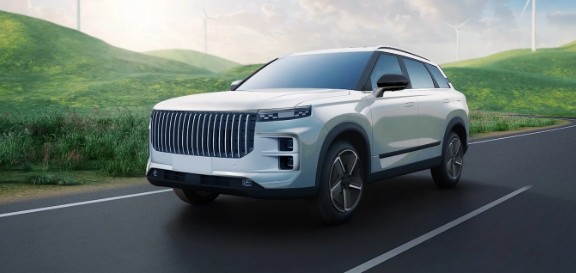
The rise of electrified SUVs has transformed the way we think about driving. Suddenly, charging times matter just as much as horsepower, boot space, or fuel economy. And when it comes to the stylish and increasingly talked-about Jaecoo 7, one question keeps popping up: how long does the Jaecoo 7 take to charge?
It’s a fair question. Nobody wants to stand around waiting for a battery to fill like an old kettle boiling on a cold morning. Charging speed can make or break the ownership experience, especially for drivers switching from traditional petrol SUVs.
The good news? The Jaecoo 7 brings a surprisingly balanced charging setup to the table. Whether we’re using a home wall box, a public AC charger, or a rapid DC station on a motorway stop, the charging experience feels modern, practical, and manageable.
In this complete guide, we’ll explore the real-world Jaecoo 7 charging time, charging speeds, battery technology, charging costs, efficiency, and tips to improve charging performance. We’ll also compare it against rivals and answer the questions drivers are genuinely asking online.
Content in this publication
- Why Jaecoo 7 Charging Time Matters More Than Ever
- Understanding the Jaecoo 7 Powertrain Options
- What Is the Jaecoo 7 Battery Capacity?
- Typical Jaecoo 7 Charging Time Explained
- Charging at Home: The Most Convenient Option
- Why a 7kW Home Wall Box Changes Everything
- Public Charging for the Jaecoo 7
- How Fast Can the Jaecoo 7 Charge on DC Rapid Chargers?
- What Impacts Jaecoo 7 Charging Time?
- AC Charging vs DC Charging
- How Much Does It Cost to Charge the Jaecoo 7?
- Can We Improve Jaecoo 7 Charging Speed?
- How Long Does the Jaecoo 7 Battery Last?
- Real-World Jaecoo 7 Charging Experience
- How the Jaecoo 7 Compares Against Rivals
- Is Overnight Charging Safe?
- Will Frequent Rapid Charging Damage the Battery?
- How Weather Affects Jaecoo 7 Charging Time
- Smart Charging Features We Should Expect
- Best Charging Routine for Everyday Drivers
- The Psychological Shift of Charging Instead of Refuelling
- Is the Jaecoo 7 Charging Time Good Enough for Families?
- Future Charging Improvements Could Make the Jaecoo 7 Even Better
- Should We Worry About Charging Anxiety?
- Final Thoughts on Jaecoo 7 Charging Time
- FAQs About Jaecoo 7 Charging Time
Why Jaecoo 7 Charging Time Matters More Than Ever
Electric and plug-in hybrid vehicles have changed the rhythm of driving life. We no longer simply fill up a fuel tank in five minutes and leave. Instead, we plan charging around our routines.
That’s why charging time matters so much.
A vehicle can look stunning and drive beautifully, but if charging feels painfully slow, frustration creeps in quickly. Thankfully, the Jaecoo 7 appears to understand modern drivers well.
Charging speed affects:
- Daily convenience
- Long-distance travel confidence
- Electricity costs
- Battery health
- Public charging practicality
- Resale appeal
In many ways, charging time has become the “new MPG.”
Understanding the Jaecoo 7 Powertrain Options
Before diving into exact charging times, we first need to understand that the Jaecoo 7 may come in different electrified versions depending on the market.
Petrol Models
Standard petrol versions do not require charging at all. These models rely entirely on combustion engines.
Plug-In Hybrid Variants
The plug-in hybrid (PHEV) versions are where charging becomes important. These combine:
- A petrol engine
- An electric motor
- A rechargeable battery pack
The battery can be charged externally, allowing short electric-only journeys.
Future Fully Electric Possibilities
Some markets may eventually receive a fully electric Jaecoo model, although current focus remains largely on hybrid technology.
For now, most charging discussions revolve around the Jaecoo 7 PHEV.
What Is the Jaecoo 7 Battery Capacity?
Battery size directly impacts charging time.
The Jaecoo 7 plug-in hybrid is expected to use a battery around the mid-to-large PHEV range, helping deliver competitive electric driving capability.
A larger battery usually means:
- Longer EV range
- Fewer charging sessions
- Higher charging times
- Better electric efficiency
Think of the battery like a water tank. A bigger tank holds more energy, but naturally takes longer to fill.
Typical Jaecoo 7 Charging Time Explained
Now let’s get to the question everyone wants answered.
Charging time depends heavily on the charger being used.
Estimated Jaecoo 7 Charging Times
| Charger Type | Estimated Charging Time |
|---|---|
| 3-pin domestic socket | 6–10 hours |
| 7kW home wall box | 2–4 hours |
| 11kW AC charger | Around 2 hours |
| Rapid DC charger | 20–40 minutes (partial fast charge) |
These figures can vary depending on:
- Battery state
- Ambient temperature
- Charging infrastructure
- Battery management systems
- Charging limits
Still, the overall picture looks competitive for a modern plug-in hybrid SUV.
Charging at Home: The Most Convenient Option
Home charging remains the easiest way to own an electrified vehicle.
For most drivers, the Jaecoo 7 will likely charge overnight while parked outside the house. It’s a bit like charging a smartphone while we sleep — effortless and automatic.
Using a Standard Domestic Socket
Technically, we can charge the Jaecoo 7 using a normal household plug.
However, this method is slow.
Advantages
- No installation required
- Useful in emergencies
- Accessible almost anywhere
Disadvantages
- Very slow charging
- Less efficient
- Not ideal for daily use
A full charge overnight is realistic here.
Why a 7kW Home Wall Box Changes Everything
Installing a dedicated wall box dramatically improves the experience.
A 7kW charger is the sweet spot for many homeowners.
Benefits of a Home Wall Charger
- Faster charging
- Better efficiency
- Smart scheduling features
- Lower electricity costs overnight
- Improved safety
With a 7kW wall box, the Jaecoo 7 can recharge in just a few hours, making daily use incredibly simple.
Public Charging for the Jaecoo 7
Public charging networks continue growing rapidly worldwide.
This means Jaecoo 7 owners can top up while:
- Shopping
- Working
- Eating at restaurants
- Taking motorway breaks
The experience is becoming more seamless each year.
How Fast Can the Jaecoo 7 Charge on DC Rapid Chargers?
Rapid charging is where things become interesting.
Unlike slower AC charging, DC fast charging bypasses parts of the onboard charger system and feeds electricity directly into the battery.
This significantly cuts waiting times.
Estimated Rapid Charging Performance
The Jaecoo 7 could potentially achieve:
- 20% to 80% in around 20–40 minutes
- Useful top-ups during long trips
- Faster recovery for electric driving range
That’s enough time for:
- Coffee
- A quick lunch
- Stretching our legs
- Checking messages
By the time we’re ready to continue driving, the battery often is too.
What Impacts Jaecoo 7 Charging Time?
Charging isn’t always identical. Several variables influence real-world performance.
Battery Temperature
Cold batteries charge slower.
In winter, charging speeds may temporarily decrease until the battery warms up.
State of Charge
Charging slows as the battery approaches full capacity.
That’s why many EV drivers charge to 80% rather than 100% on rapid chargers.
Charger Output
Not all public chargers deliver maximum advertised speeds consistently.
Battery Management Software
Modern vehicles carefully protect battery health, which can limit peak charging speeds.
AC Charging vs DC Charging
Many new owners feel confused about AC and DC charging.
Let’s simplify it.
AC Charging
AC charging is slower and usually happens:
- At home
- At workplaces
- On destination chargers
The vehicle converts AC electricity into battery-friendly DC power internally.
DC Charging
DC charging skips the conversion process.
This enables dramatically faster charging speeds.
Think of AC charging as filling a swimming pool with a garden hose, while DC charging feels more like using a fire hose.
How Much Does It Cost to Charge the Jaecoo 7?
Charging costs depend on electricity prices and charging methods.
Home Charging Costs
Home charging is usually cheapest.
Typical full-charge costs may range between:
- £2–£6 in some regions
- Slightly higher in expensive electricity markets
Public Charging Costs
Public chargers vary widely.
Rapid chargers usually cost more due to convenience and infrastructure expenses.
Still, compared to petrol SUVs, the Jaecoo 7 can significantly reduce running costs.
Can We Improve Jaecoo 7 Charging Speed?
Yes, absolutely.
Small habits make a surprisingly large difference.
Tips to Improve Charging Efficiency
- Precondition the battery before charging
- Use smart chargers
- Avoid charging to 100% daily
- Park indoors during winter
- Use rapid chargers strategically
- Charge during off-peak hours
Battery care is a marathon, not a sprint.
How Long Does the Jaecoo 7 Battery Last?
Battery longevity matters just as much as charging time.
Modern EV and PHEV batteries are engineered for durability.
Most are expected to last:
- 8–15 years
- Hundreds of thousands of kilometres
Battery degradation happens gradually rather than suddenly.
In other words, the battery ages more like a human slowly getting grey hair rather than instantly collapsing.
Real-World Jaecoo 7 Charging Experience
Specifications tell only half the story.
The real-world experience matters more.
Owners typically care about:
- Ease of plugging in
- Charging reliability
- App functionality
- Charger availability
- Charging predictability
The Jaecoo 7 aims to deliver a user-friendly charging ecosystem rather than just impressive technical numbers.
That’s increasingly important in today’s crowded SUV market.
How the Jaecoo 7 Compares Against Rivals
The Jaecoo 7 enters a competitive segment filled with electrified SUVs.
Key Rivals Include
- Toyota RAV4 Plug-in Hybrid
- Kia Sportage PHEV
- Hyundai Tucson Plug-in Hybrid
- MG HS Plug-in Hybrid
- BYD Seal U DM-i
Where the Jaecoo 7 Stands Out
The Jaecoo 7 focuses heavily on:
- Stylish design
- Competitive pricing
- Practical charging
- Strong technology features
- Modern cabin layout
Charging times appear aligned with what buyers now expect from contemporary plug-in hybrids.
Is Overnight Charging Safe?
Yes, modern charging systems are designed with extensive safety protections.
The Jaecoo 7 includes safeguards such as:
- Temperature monitoring
- Automatic shutoff
- Battery management systems
- Overcurrent protection
As long as we use approved charging equipment, overnight charging is generally very safe.
Will Frequent Rapid Charging Damage the Battery?
This question appears everywhere online.
Occasional rapid charging is completely normal.
However, constantly using ultra-fast charging may contribute to slightly faster long-term battery degradation compared with slower AC charging.
The best balance usually looks like this:
- Home AC charging for daily use
- Rapid DC charging for trips
That combination keeps convenience and battery health aligned.
How Weather Affects Jaecoo 7 Charging Time
Weather influences all electrified vehicles.
Cold Weather
Cold temperatures can:
- Reduce charging speed
- Lower electric range
- Increase charging times
Hot Weather
Extreme heat may also limit charging speed temporarily to protect the battery.
Modern thermal management systems help minimise these issues.
Still, weather remains one of the hidden variables behind charging performance.
Smart Charging Features We Should Expect
Modern SUVs increasingly include intelligent charging systems.
Potential Jaecoo 7 smart features may include:
- Scheduled charging
- Remote charging control
- Mobile app integration
- Battery monitoring
- Charging statistics
- Energy management settings
These features make ownership feel smoother and more connected.
Best Charging Routine for Everyday Drivers
Most drivers do not need to obsess over charging.
A simple routine works best.
Recommended Daily Charging Habits
- Plug in overnight when possible
- Use off-peak electricity tariffs
- Keep battery between 20% and 80%
- Avoid unnecessary rapid charging
- Precondition during cold weather
That’s really it.
Charging becomes second nature surprisingly quickly.
The Psychological Shift of Charging Instead of Refuelling
One of the biggest changes isn’t technical — it’s mental.
We stop thinking about “fuel stops” and start thinking about “energy opportunities.”
Instead of waiting until empty, we casually top up whenever convenient.
It’s similar to how we treat smartphones today.
Nobody panics because their phone isn’t at 100% every second.
The same mindset gradually applies to electrified vehicles like the Jaecoo 7.
Is the Jaecoo 7 Charging Time Good Enough for Families?
For most families, yes.
Daily commuting rarely exceeds the electric range of modern plug-in hybrids. Overnight charging easily covers school runs, work trips, shopping, and errands.
The ability to recharge at home changes everything.
Rather than visiting fuel stations weekly, we wake up each morning with usable electric range waiting quietly outside.
That convenience feels oddly luxurious after a while.
Future Charging Improvements Could Make the Jaecoo 7 Even Better
Charging infrastructure keeps evolving rapidly.
Over the next few years we’ll likely see:
- Faster public chargers
- Smarter charging software
- Better battery chemistry
- Lower charging costs
- Wider charger availability
That means the Jaecoo 7 ownership experience may improve over time even after purchase.
Few technologies evolve as quickly as electrified mobility.
Should We Worry About Charging Anxiety?
Many first-time electrified vehicle buyers worry unnecessarily.
In reality, most drivers quickly adapt.
Charging anxiety often disappears after:
- Installing a home charger
- Learning local charging locations
- Understanding real-world range
- Developing simple charging routines
The Jaecoo 7’s balanced charging capabilities help reduce this learning curve considerably.
Final Thoughts on Jaecoo 7 Charging Time
The Jaecoo 7 enters the market at a fascinating moment. Drivers want electrification, but they also want simplicity, practicality, and freedom.
Thankfully, the Jaecoo 7 charging time appears well suited to modern lifestyles.
Home charging feels manageable. Public charging offers flexibility. Rapid charging provides reassurance during longer journeys. And overall charging practicality aligns closely with today’s leading plug-in hybrid SUVs.
No vehicle is perfect, of course. Weather, charger quality, and battery conditions all influence real-world results. But taken as a whole, the Jaecoo 7 delivers a charging experience that feels modern rather than experimental.
And perhaps that’s the most important thing of all.
Electrified driving shouldn’t feel complicated.
It should feel natural.
The Jaecoo 7 seems determined to make exactly that happen.
FAQs About Jaecoo 7 Charging Time
How long does the Jaecoo 7 take to charge at home?
Using a standard home wall box, the Jaecoo 7 typically charges in around 2–4 hours depending on battery size and charger output.
Can the Jaecoo 7 use rapid chargers?
Yes, plug-in hybrid versions are expected to support DC rapid charging for quicker top-ups during long journeys.
Is it cheaper to charge the Jaecoo 7 than buying petrol?
In most cases, yes. Home electricity charging is usually significantly cheaper than filling a petrol tank.
Does cold weather affect Jaecoo 7 charging time?
Yes, colder temperatures can temporarily reduce charging speed and overall battery efficiency.
Should we charge the Jaecoo 7 to 100% every day?
For long-term battery health, many experts recommend keeping the battery between 20% and 80% for daily use whenever possible.
If you want to know other articles similar to Jaecoo 7 Charging Time: Everything We Need to Know Before Plugging In you can visit the category Service and Parts.
Nissan Rogue Oil Change Cost: Prices, Service Options, and What to Expect
Nissan Rogue Key Battery Replacement: Easy Step-by-Step Guide
Nissan Rogue Oil Change Interval: Complete Guide by Model Year
Nissan Rogue Brake Pads and Rotors Cost: Complete 2026 Guide

Kia Sorento Service Reset: How to Reset the Service Light
Kia Sorento Fuel Tank Capacity: Gallons, Litres and Model Differences
Leave a Reply
More content of your interest