
Mazda 6 Reliability: Is the Mazda6 a Dependable Used Car?

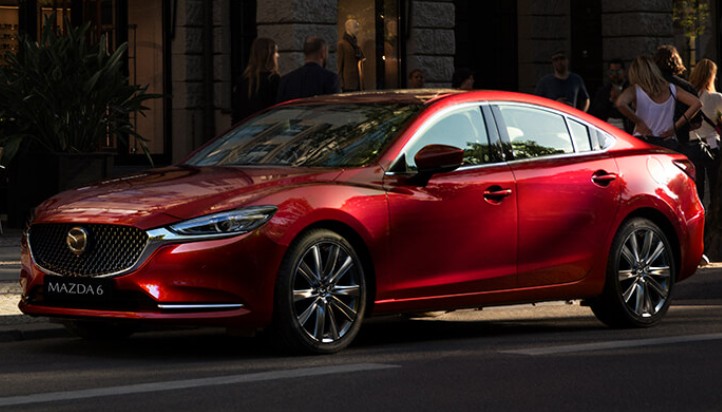
The Mazda 6 reliability story is one of the more interesting ones in the midsize sedan world. The Mazda6 has never built its reputation solely around indestructibility in the way some Toyota or Honda models have. Instead, Mazda tried to make a sensible family sedan feel genuinely enjoyable to drive—and somehow managed to produce a car that can also age remarkably well when properly maintained.
That combination matters. Plenty of reliable cars feel like household appliances on wheels. The Mazda6 has traditionally offered something different: responsive steering, attractive styling, comfortable road manners, and engines that generally avoid excessive mechanical complexity.
So, is a Mazda6 reliable?
For most buyers, yes. A well-maintained Mazda6—particularly later SKYACTIV-generation models—can be a dependable long-term vehicle. However, reliability varies considerably by generation, engine, maintenance history, climate, and previous ownership.
A 70,000-mile Mazda6 with meticulous servicing can be a far safer purchase than a neglected example showing only 40,000 miles.
Let's dig deeper.
Content in this publication
- Mazda 6 Reliability at a Glance
- Why the Mazda6 Has a Good Reliability Reputation
- Which Mazda 6 Generation Is Most Reliable?
- Second-Generation Mazda6: 2009–2013
- Third-Generation Mazda6: 2014–2021
- Mazda 6 Engine Reliability
- Mazda6 Turbo Reliability
- Mazda 6 Transmission Reliability
- Mazda6 Infotainment Problems
- Mazda 6 Suspension Reliability
- Does the Mazda6 Rust?
- Mazda 6 Electrical Reliability
- Mazda 6 Reliability at 100,000 Miles
- How Long Can a Mazda 6 Last?
- Mazda 6 Maintenance and Reliability
- Is the Mazda6 Expensive to Maintain?
- Most Reliable Mazda 6 Years
- Mazda 6 Years to Approach More Carefully
- Mazda6 Reliability vs Toyota Camry
- Mazda6 Reliability vs Honda Accord
- Is a Used Mazda6 a Good First Car?
- What to Check Before Buying a Mazda6
- Is Mazda 6 Reliability Better With Lower Mileage?
- How Can We Make a Mazda6 Last Longer?
- Does the Mazda6 Have Good Safety Along With Reliability?
- Who Should Buy a Mazda6?
- Who Might Want Something Else?
- Final Verdict: How Reliable Is the Mazda 6?
- Frequently Asked Questions About Mazda 6 Reliability
Mazda 6 Reliability at a Glance
If we had to summarize Mazda6 reliability in a few sentences, we'd call it above average overall, especially among naturally aspirated midsize sedans.
The third-generation Mazda6, introduced for the 2014 model year in North America, is particularly important because Mazda's SKYACTIV platform simplified the ownership equation. Many versions use Mazda's naturally aspirated 2.5-liter four-cylinder engine paired with either a conventional six-speed automatic or, depending on year and market, a manual gearbox.
Later models also became increasingly sophisticated.
The 2021 Mazda6, for example, was available with Mazda's naturally aspirated 2.5-liter engine as well as a turbocharged 2.5-liter alternative on certain trims. As a general mechanical principle, the naturally aspirated configuration has fewer forced-induction components to age.
That doesn't automatically make every naturally aspirated Mazda6 trouble-free. It simply gives us fewer expensive pieces of hardware to worry about as mileage climbs.
Our Overall Mazda6 Reliability Verdict
For shoppers considering a used example, we'd roughly characterize Mazda6 ownership like this:
- Engine durability: Generally strong with proper servicing.
- Automatic transmission durability: Usually solid.
- Electrical reliability: Reasonably good, although infotainment problems can occur.
- Suspension and steering: Normal age-related wear rather than an unusually problematic design.
- Rust resistance: Worth inspecting carefully, particularly on older cars from road-salt regions.
- Maintenance costs: Usually manageable compared with European midsize cars.
- High-mileage potential: Good when maintenance has been consistent.
- Best overall bet: A later naturally aspirated SKYACTIV Mazda6 with documented service history.
The important phrase there is documented service history. Reliability is partly engineered at the factory, but after ten years on the road, previous owners become part of the engineering team.
Why the Mazda6 Has a Good Reliability Reputation
Mazda took an interesting route with the Mazda6.
While competitors increasingly moved toward small-displacement turbocharged engines, continuously variable transmissions, and complicated drivetrain strategies, many Mazda6 models retained relatively traditional mechanical ingredients.
That can be excellent news for long-term ownership.
The Naturally Aspirated SKYACTIV Engine Helps
The 2.5-liter SKYACTIV-G engine found in many later Mazda6 models is naturally aspirated.
There is no turbocharger forcing additional air into the engine on these versions. That doesn't mean a turbo is inherently unreliable, but eliminating one means eliminating associated plumbing, heat management, bearings, oil passages, and boost-control hardware.
Think of it like comparing two coffee makers. Both might produce excellent coffee, but the simpler machine has fewer pumps and valves waiting to irritate us on a Monday morning.
For buyers prioritizing long-term simplicity, the naturally aspirated Mazda6 makes a convincing case.
A Conventional Automatic Transmission Is Another Advantage
Mazda also avoided the continuously variable transmission used by numerous competitors.
Instead, the Mazda6's SKYACTIV-Drive automatic is a conventional six-speed unit.
A transmission's design alone doesn't guarantee durability, but the Mazda automatic has become one of the Mazda6's reassuring characteristics. Smooth operation during a test drive is still essential, particularly on an older vehicle.
Delayed engagement, hard shifts, slipping, or abnormal noises deserve investigation.
Which Mazda 6 Generation Is Most Reliable?
The Mazda6 has gone through several generations, and treating every model year as mechanically identical would be misleading.
First-Generation Mazda6: 2003–2008
Early Mazda6 models can still provide dependable transportation, but age is now their biggest enemy.
Even a mechanically healthy 2006 example is approximately two decades old. Rubber seals, suspension bushings, engine mounts, electrical connectors, cooling-system components, and body corrosion can matter more than the original engineering reputation.
Older Mazda6 cars have also been affected by the broader Takata airbag recall issue. NHTSA continues to advise owners of affected vehicles to verify recall status by VIN, and certain older Mazda vehicles with unrepaired Takata inflators have been subject to urgent warnings.
So if we're buying an early Mazda6, a VIN recall check isn't optional homework. It's part of the purchase process.
Should We Buy a First-Generation Mazda6 Today?
Potentially—but only when the price reflects its age and the car has been thoroughly inspected.
At this stage, condition beats reputation.
A beautifully maintained 2007 car may be better than a neglected 2015. Still, anyone wanting low-drama daily transportation will generally find newer Mazda6 generations easier to recommend.
Second-Generation Mazda6: 2009–2013
The second-generation Mazda6 grew larger and became more conventional.
These cars can represent inexpensive used transportation, although they now occupy the awkward middle ground between "cheap enough to be tempting" and "old enough to need attention."
We would focus on:
- fluid leaks,
- cooling-system condition,
- suspension noises,
- wheel bearings,
- steering behavior,
- corrosion underneath,
- transmission operation,
- air-conditioning performance,
- and maintenance documentation.
Again, mileage by itself tells only half the story.
A highway-driven car with 130,000 miles can sometimes be healthier than a 70,000-mile example that spent its life making five-minute journeys and missing oil changes.
Third-Generation Mazda6: 2014–2021
This is the generation most shoppers are likely considering when researching Mazda 6 reliability today.
And for good reason.
The third-generation car brought SKYACTIV engineering, substantial weight optimization, impressive fuel efficiency, sharp handling, and one of the more elegant designs in the mainstream midsize segment.
IIHS notes that the Mazda6 was redesigned for the 2014 model year. Later versions received safety-related changes, and the 2021 Mazda6 earned a Top Safety Pick+ award under the criteria applicable at that time.
Reliability and crash safety are different things, of course, but it illustrates how thoroughly the Mazda6 evolved during its final North American generation.
Is the 2014 Mazda6 Reliable?
Generally, yes, but we'd approach the first model year of the redesign a little more cautiously than later examples.
That's not because every 2014 Mazda6 is troublesome. Far from it.
Rather, when we're shopping used cars and several model years use broadly similar mechanical hardware, later-production vehicles usually give us the benefit of incremental manufacturing improvements and software revisions.
A properly maintained 2014 can still be excellent.
2015–2017 Mazda6 Reliability
These years occupy a particularly appealing part of the used market.
They're old enough to have depreciated significantly yet new enough to offer modern engineering and respectable safety equipment.
The 2016 Mazda6 also earned strong IIHS evaluations for its era. IIHS notes that beginning with 2016 models, changes were made to side curtain airbags and airbag deployment programming to improve occupant protection in small-overlap crashes.
Mechanically, we'd still prioritize service history over choosing one specific year blindly.
2018–2021 Mazda6 Reliability
These later Mazda6 models are arguably the sweet spot if budget allows.
The 2018 model received significant refinement and introduced an available turbocharged 2.5-liter engine in the U.S. market.
Cabin materials improved, road refinement became more premium, and the car felt increasingly like something sitting halfway between mainstream and entry-luxury territory.
The naturally aspirated engine remains our preferred configuration if maximum mechanical simplicity is the goal.
The turbocharged car is significantly stronger and more effortless, however, and we wouldn't automatically avoid one. We would simply be stricter about oil-change history and evidence of careful ownership.
Mazda 6 Engine Reliability
An engine can make or break an aging vehicle.
Fortunately, engine durability is one of the Mazda6's stronger areas.
2.5-Liter SKYACTIV-G Reliability
The naturally aspirated 2.5-liter SKYACTIV-G four-cylinder is perhaps the engine we'd choose when shopping primarily for reliability.
It provides enough performance for normal driving without requiring turbocharging.
Its high compression ratio might sound intimidating to someone accustomed to older engines, but SKYACTIV technology was engineered as an integrated combustion system rather than a conventional engine simply pushed beyond sensible limits.
Maintenance still matters immensely.
Mazda's own maintenance information emphasizes regular engine-oil and filter servicing. The exact schedule depends on year, market, operating conditions, and the vehicle's maintenance monitor, so owners should follow the schedule published for their specific car rather than adopting a generic internet interval.
What Can Hurt Mazda6 Engine Life?
Neglect does more damage than badge reputation.
Repeatedly driving with low oil, stretching oil-change intervals, ignoring overheating, or postponing cooling-system repairs can turn a durable engine into an expensive paperweight.
During a pre-purchase inspection, we'd look for evidence of:
- consistent oil changes,
- clean oil at an appropriate level,
- no obvious coolant loss,
- no significant oil leaks,
- quiet cold starts,
- stable idle,
- normal exhaust,
- and no warning lights.
A cold start is especially revealing.
Ask the seller not to warm the car before you arrive.
Mazda6 Turbo Reliability
From 2018 onward in the U.S., certain Mazda6 trims offered Mazda's turbocharged 2.5-liter engine.
It's the enthusiast's choice.
Torque arrives quickly, overtaking becomes effortless, and the Mazda6 suddenly feels much more muscular.
But if we're comparing two otherwise identical cars purely through a long-term reliability lens, the naturally aspirated engine wins on simplicity.
A turbocharger spins at extraordinary speeds and operates under considerable heat. That makes quality oil and correct maintenance especially important.
Would we avoid the turbo?
No.
Would we pay extra for a turbocharged Mazda6 with an incomplete service history?
Also no.
Mazda 6 Transmission Reliability
The conventional six-speed SKYACTIV automatic generally gives the Mazda6 another point in its favor.
You may be interested in reading Mazda 6 Insurance Group: UK Costs, Ratings and Buying Guide
It isn't trying to simulate gears through a belt-driven CVT arrangement, nor does it use the sort of complicated dual-clutch setup that can become expensive as a vehicle ages.
That makes its character fairly straightforward.
During a test drive, the transmission should engage Drive and Reverse without excessive delay and move through gears smoothly.
Signs of a Mazda6 Transmission Problem
Pay attention if you notice harsh engagement, repeated hesitation, flare between shifts, slipping under acceleration, unusual whining, or a warning light.
One odd shift when the drivetrain is cold doesn't automatically mean the transmission is doomed. Persistent abnormal behavior does justify professional diagnosis.
A pre-purchase inspection is cheaper than discovering after purchase that the "slightly strange shift" wasn't slight at all.
Mazda6 Infotainment Problems
Mechanical reliability gets most of the attention, but electronics can become the pebble in our shoe.
One documented concern on some Mazda vehicles involves the infotainment touchscreen.
Mazda issued technical service information covering certain Mazda6 vehicles relating to symptoms including ghost touch, display surface peeling, and spider cracking. The NHTSA-hosted Mazda service bulletin covers Mazda6 model years within the later generation.
Ghost touch is exactly what it sounds like: the system behaves as though someone is touching the screen even when nobody is.
That can be irritating rather than catastrophic—but irritating problems count when we live with a car every day.
How to Test the Infotainment Before Buying
Spend several minutes using it.
Don't just confirm that the screen turns on.
Move through menus, pair a phone if possible, rotate and press the center controller, test audio, check Bluetooth, and leave the system running long enough to expose random input behavior.
Used-car inspections often concentrate entirely on engines and brakes while a malfunctioning infotainment system waves from the dashboard shouting, "What about me?"
Mazda 6 Suspension Reliability
The Mazda6's sharp handling didn't require outrageously complicated suspension technology.
Still, suspension parts are consumables.
At higher mileages, control-arm bushings, shock absorbers, links, mounts, wheel bearings, and related pieces may eventually need replacement.
This isn't necessarily evidence of poor reliability.
A suspension component wearing out after years of potholes is rather like the sole wearing off a running shoe. Eventually, physics collects its bill.
Listen for These Sounds
On the test drive, turn the radio off.
Drive slowly over broken pavement and listen for knocking, clunking, creaking, or rattling.
Then drive at highway speed and listen for humming that changes with road speed, which can indicate tire or wheel-bearing concerns.
The steering should remain stable and predictable.
Does the Mazda6 Rust?
Rust deserves special attention on older Mazda6 models.
Climate makes an enormous difference.
A vehicle that spent ten winters driving over heavily salted roads faces a different life from one kept in a dry environment.
Inspect:
- rocker panels,
- wheel arches,
- suspension mounting areas,
- subframes,
- brake and fuel lines,
- underside seams,
- and repaired bodywork.
Surface oxidation isn't automatically frightening.
Structural corrosion is.
If we're unfamiliar with evaluating rust, paying a mechanic or body specialist is money well spent.
Mazda 6 Electrical Reliability
The Mazda6 isn't immune to ordinary electrical aging.
Batteries weaken. Sensors fail. Switches wear out. Cameras and driver-assistance components can develop issues.
However, a random dead battery should not immediately be interpreted as evidence that the entire vehicle has an electrical problem.
Modern cars depend heavily on stable voltage.
A weak 12-volt battery can trigger a dashboard Christmas tree of warning messages that looks far more dramatic than the underlying fault.
Check Every Electrical Feature
Before buying, operate everything.
That means windows, mirrors, locks, seats, climate controls, heated seats, cameras, sensors, lights, steering-wheel buttons, infotainment, and driver-assistance functions.
Ten minutes of button pressing can save hundreds of dollars.
Mazda 6 Reliability at 100,000 Miles
Can a Mazda6 remain reliable past 100,000 miles?
Absolutely.
But mileage becomes less useful as a standalone measurement once a car reaches this stage.
At 100,000 miles, we'd want to know what happened during those miles.
Was the oil changed regularly?
Were brakes serviced?
Has the cooling system been inspected?
Were worn suspension components replaced promptly?
Was the car driven mostly on highways or through endless short urban journeys?
The number on the odometer is the headline. The maintenance history is the article.
How Long Can a Mazda 6 Last?
There is no honest mileage at which every Mazda6 suddenly expires.
With good maintenance, well beyond 100,000 miles is entirely realistic, and high-mileage examples can continue operating successfully when wear items are addressed rather than ignored.
Claiming that every Mazda6 will reach 200,000 or 300,000 miles would be misleading because vehicle lifespan depends heavily on climate, maintenance, accidents, driving conditions, and previous repairs.
Instead, ask a better question:
Does this particular Mazda6 look capable of another 50,000 miles?
That's something a service history and inspection can actually help us answer.
Mazda 6 Maintenance and Reliability
Preventive maintenance is where reliability stops being a statistic and becomes a choice.
Mazda publishes model-specific maintenance schedules for owners. For example, its 2021 Mazda6 documentation separates maintenance requirements according to market and operating conditions, while earlier U.S./Canada schedules specify oil-service requirements and inspections at defined intervals.
Severe operating conditions can require different attention.
Repeated short trips, dusty environments, extensive idling, rough roads, and corrosive environments can all change how a vehicle should be maintained. Mazda explicitly identifies such conditions in its maintenance guidance.
Maintenance Items We Would Never Ignore
Our priorities would include engine oil and filter changes, coolant condition, brakes, tires, battery health, belts and hoses, spark plugs at the appropriate interval, transmission behavior, suspension inspections, and fluid leaks.
Mazda's published schedules are the authority for the exact interval applicable to a specific model year and market.
In other words, don't maintain a 2019 Mazda6 based on somebody's maintenance routine for a 2005 model found on a forum.
Is the Mazda6 Expensive to Maintain?
Usually, not excessively.
That's one reason the Mazda6 remains attractive on the used market.
It delivers some of the driving character we associate with premium European sedans without automatically bringing premium-car complexity everywhere underneath.
Routine consumables such as filters, spark plugs, brakes, tires, and fluids are normal mainstream-car items.
Repair costs can obviously increase as vehicles age, particularly if electronic modules, turbocharger-related hardware, air-conditioning systems, or infotainment equipment require attention.
But there is a major distinction between maintenance cost and unreliability.
A car needing brakes at 80,000 miles isn't unreliable.
Brakes are designed to wear.
Most Reliable Mazda 6 Years
If we're shopping the third generation, later naturally aspirated examples are especially compelling.
Models from roughly the middle and latter portion of the 2014–2021 generation benefit from years of production development while retaining the basic SKYACTIV formula.
We wouldn't choose a used Mazda6 solely because somebody labeled a particular year "the best."
Condition can completely reverse the ranking.
A meticulously serviced 2016 with one careful owner may be preferable to a badly neglected 2020 that has bounced between owners and repair shops.
Our Preferred Used Mazda6 Formula
If maximum dependability is the priority, we'd look for:
A later third-generation Mazda6 with the naturally aspirated 2.5-liter engine, clean service records, no serious accident history, smooth automatic transmission operation, functioning electronics, and a clean pre-purchase inspection.
You may be interested in readingMazda 6 Insurance Group: UK Costs, Ratings and Buying GuideYou may be interested in reading
 Toyota Sequoia Depreciation: How Well Does It Hold Its Value?
That combination is difficult to dislike.
Mazda 6 Years to Approach More Carefully
"Years to avoid" lists sound wonderfully simple.
Reality isn't.
We'd exercise additional caution around the earliest model year after a major redesign simply because later production usually benefits from accumulated refinements. Very old first-generation vehicles also deserve more scrutiny because age itself creates reliability concerns irrespective of original build quality.
Rather than automatically rejecting a year, investigate the individual VIN.
NHTSA specifically provides VIN-based recall lookup tools because recall applicability can vary between otherwise similar vehicles.
That VIN check matters more than reading a generic online list claiming every vehicle from one year is "bad."
Mazda6 Reliability vs Toyota Camry
The Toyota Camry is the elephant in almost every midsize reliability conversation.
If absolute reputation for conservative, low-drama transportation is the priority, a well-maintained Camry remains extremely difficult to argue against.
But the Mazda6 often delivers a more engaging driving experience.
The steering feels deliberate, the chassis is responsive, and the cabin design on later versions carries a restrained sophistication.
We might think of the Camry as the dependable pair of walking shoes and the Mazda6 as shoes we can comfortably wear all day but still wouldn't mind taking onto the dance floor.
Mazda6 Reliability vs Honda Accord
The Accord is another formidable rival.
Both cars can be excellent long-term purchases.
The comparison becomes more nuanced because Accord powertrains changed significantly over time, while Mazda retained the naturally aspirated 2.5-liter option through the final Mazda6 model year in the United States.
When buying used, we'd compare individual cars rather than assume the badge decides the winner.
Service history always gets a vote.
Is a Used Mazda6 a Good First Car?
It can be.
The Mazda6 offers predictable handling, usable interior space, conventional controls, and strong safety performance in later versions.
For context, IIHS gave the 2021 Mazda6 its Top Safety Pick+ designation under that year's criteria, while the 2018 version earned strong crashworthiness ratings as well.
Insurance, however, varies enormously by driver, location, age, trim, and insurer.
A first-time buyer should obtain a quote before purchasing.
The cheapest car to buy isn't necessarily the cheapest car to own.
What to Check Before Buying a Mazda6
A thorough inspection matters more than memorizing online reliability scores.
When we inspect a used Mazda6, we'd focus on the following:
- Start the engine completely cold. Listen for abnormal knocking, rattling, or prolonged hesitation.
- Check the oil and coolant. Low levels or obvious contamination deserve investigation.
- Test the automatic transmission thoroughly. Drive in city traffic and at highway speed.
- Use every infotainment function. Watch for ghost inputs or malfunctioning controls.
- Inspect the underside. Look for corrosion, leaks, and impact damage.
- Check tire wear. Uneven wear can reveal alignment or suspension problems.
- Test the air conditioning. HVAC repairs can become surprisingly expensive.
- Verify the service history. Receipts beat verbal promises.
- Run the VIN through an official recall database. NHTSA recommends VIN-based recall checks for U.S. vehicles.
- Pay for a pre-purchase inspection. This is probably the best money we'll spend during the entire buying process.
Why a Pre-Purchase Inspection Matters So Much
A mechanic can spot things an enthusiastic buyer misses.
We may be admiring the leather seats while the technician notices a coolant stain, worn lower control-arm bushings, mismatched tires, and evidence of accident repair.
Love makes us optimistic.
A lift and flashlight are less emotional.
Is Mazda 6 Reliability Better With Lower Mileage?
Not necessarily.
Low mileage is appealing, but extremely low mileage on an older vehicle raises its own questions.
Cars dislike sitting unused for years.
Batteries deteriorate, seals age, tires develop issues, brakes corrode, fuel gets stale, and short infrequent journeys can be hard on engines.
A regularly driven 80,000-mile Mazda6 with comprehensive maintenance records may be a safer bet than a mysterious 35,000-mile car that spent years outdoors barely moving.
Buy condition.
Then mileage.
How Can We Make a Mazda6 Last Longer?
Reliability isn't something we merely receive from Mazda. We participate in it.
Regular maintenance sounds boring because it is boring.
That's exactly why it works.
Change fluids when required. Investigate warning lights instead of covering them with tape. Don't ignore a rising temperature gauge. Fix small leaks before they become large ones. Keep tires correctly inflated. Listen when the suspension starts talking.
Most catastrophic mechanical failures don't arrive like lightning from a clear sky.
The car often whispers first.
Preventive Maintenance Beats Emergency Repairs
A small coolant leak today can become an overheating engine tomorrow.
A worn tire today can become an alignment and safety problem next month.
A weak battery today can leave us staring at a dashboard full of confusing warning messages on Monday morning.
Reliability rewards attentiveness.
Don't Forget the Owner's Manual
Mazda maintains official owner resources containing maintenance schedules and manuals for different model years. Checking the documentation for the exact car is more reliable than following generalized advice.
The manual isn't glamorous.
Neither is being stranded.
Does the Mazda6 Have Good Safety Along With Reliability?
Later Mazda6 models combined their generally reassuring mechanical package with strong crash-test performance for their era.
The 2021 model received IIHS Top Safety Pick+ recognition, and IIHS reported Good ratings in the major crashworthiness categories used for that award.
The 2018 model also earned Good crashworthiness ratings in driver-side small overlap, passenger-side small overlap, moderate overlap, side, roof-strength, and head-restraint evaluations shown by IIHS.
Safety technology varies by trim and model year, so we shouldn't assume every used Mazda6 has identical equipment.
Check the actual vehicle.
Who Should Buy a Mazda6?
The Mazda6 makes particular sense for someone who wants reliability without surrendering personality.
It's ideal if we want a sedan that feels tidy and responsive through corners yet remains comfortable enough for commuting and longer journeys.
It also suits buyers who dislike the idea of owning something unnecessarily complicated.
Naturally aspirated SKYACTIV versions strike an especially attractive balance.
Who Might Want Something Else?
Buyers needing maximum rear-seat space, all-wheel drive, SUV-like cargo flexibility, or the absolute broadest availability of inexpensive used examples may prefer another vehicle.
Someone seeking enormous horsepower may also find the standard 2.5-liter Mazda6 too restrained.
And if our only objective is to buy the car with the strongest possible reputation for surviving neglect, there are rivals with longer-standing reputations in that specific department.
But buying a vehicle because it tolerates neglect is a strange plan.
We'd rather maintain a good car properly.
Final Verdict: How Reliable Is the Mazda 6?
The Mazda 6 is generally a reliable midsize sedan, and its later naturally aspirated SKYACTIV models make particularly compelling used-car choices.
Its strongest attributes are fairly straightforward engines, a conventional automatic transmission, sensible running costs, enjoyable road manners, and strong safety performance in several later model years.
It isn't flawless.
Infotainment issues can appear, suspension components eventually wear, older examples deserve careful corrosion inspections, and turbocharged cars introduce additional mechanical complexity.
Yet none of that fundamentally undermines the Mazda6's appeal.
The biggest reliability variable is the example sitting in front of us.
A Mazda6 with clean oil, documented servicing, smooth transmission behavior, functioning electronics, good tires, no significant corrosion, and a clean professional inspection is the kind of used car we'd happily consider.
That's perhaps the best thing we can say about Mazda6 reliability: we don't have to sacrifice an enjoyable drive just to buy something sensible.
The Mazda6 manages to wear both hats.
Frequently Asked Questions About Mazda 6 Reliability
1. Is the Mazda 6 a reliable car?
Yes. The Mazda6 is generally considered a dependable midsize car when properly maintained, particularly third-generation SKYACTIV models. Naturally aspirated 2.5-liter versions are especially appealing for buyers who value mechanical simplicity. Individual condition and maintenance history remain more important than reputation alone.
2. How many miles will a Mazda 6 last?
There is no guaranteed lifespan, but a properly maintained Mazda6 can comfortably continue beyond 100,000 miles, and substantially higher mileage is possible. Oil changes, cooling-system care, driving conditions, climate, accident history, and previous-owner maintenance all influence longevity.
3. What is the most reliable Mazda 6 engine?
For buyers prioritizing simplicity, the naturally aspirated 2.5-liter SKYACTIV-G engine is an attractive choice. It eliminates the turbocharger hardware found on higher-performance versions while still providing adequate everyday performance.
4. What problems should we check for on a used Mazda6?
Check for infotainment malfunctions, suspension noises, uneven tire wear, corrosion, fluid leaks, weak batteries, cooling-system problems, abnormal engine noises, and poor transmission behavior. Certain Mazda6 vehicles have also been covered by manufacturer service information addressing infotainment ghost-touch and display concerns. Always check the specific VIN for unresolved recalls.
5. Is a Mazda6 worth buying used?
Yes, particularly if we find a later third-generation car with a strong maintenance history. A naturally aspirated Mazda6 can offer a desirable mixture of reliability, fuel efficiency, comfort, attractive styling, and engaging handling. Have any used example professionally inspected before committing to the purchase.
You may be interested in readingMazda 6 Insurance Group: UK Costs, Ratings and Buying GuideYou may be interested in reading
Toyota Sequoia Depreciation: How Well Does It Hold Its Value?You may be interested in reading
Toyota Sequoia Pros and Cons: Is This Full-Size SUV Worth It?If you want to know other articles similar to Mazda 6 Reliability: Is the Mazda6 a Dependable Used Car? you can visit the category Blog.
How to Reset the Oil Light on a Kia Sportage

Volvo S90 Reliability: Problems, Costs & Best Years
Is Haval Jolion a Good Car? Honest Review, Reliability, Pros and Cons
How to Start Haval Jolion With Spare Key: Complete Guide
How to Calculate Per Diem on an Auto Loan

How to Calculate the Residual Value of a Car
Leave a Reply
More content of your interest