
Mitsubishi Colt Tyre Size: Complete Guide to Choosing the Right Tyres

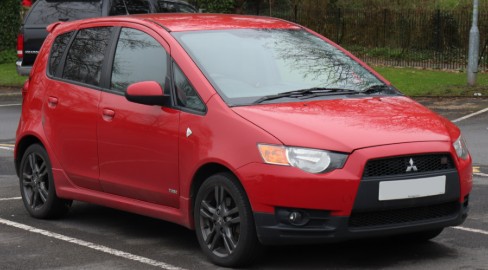
When it comes to keeping your Mitsubishi Colt safe, efficient, and enjoyable to drive, few things matter as much as selecting the correct tyre size. Tyres are the only part of the vehicle that actually touches the road, acting as the bridge between engineering and real-world performance. Yet many owners overlook tyre specifications until replacement time arrives.
In this comprehensive guide, we'll explore everything you need to know about Mitsubishi Colt tyre sizes, including factory specifications, how to read tyre markings, the best replacement options, seasonal considerations, and common mistakes to avoid.
Content in this publication
- Why Mitsubishi Colt Tyre Size Matters
- Understanding Mitsubishi Colt Generations
- Factory Mitsubishi Colt Tyre Sizes
- How to Read a Mitsubishi Colt Tyre Size
- Most Common Mitsubishi Colt Tyre Sizes
- Which Tyre Size Is Best for Daily Driving?
- Can You Upsize Mitsubishi Colt Tyres?
- Can You Downsize Mitsubishi Colt Tyres?
- Best Summer Tyres for Mitsubishi Colt
- Best Winter Tyres for Mitsubishi Colt
- All-Season Tyres for Mitsubishi Colt
- How Tyre Size Affects Fuel Economy
- How Tyre Size Affects Handling
- Tyre Pressure and Mitsubishi Colt Performance
- Signs Your Mitsubishi Colt Needs New Tyres
- How Long Do Mitsubishi Colt Tyres Last?
- Choosing the Right Load Index and Speed Rating
- Common Mitsubishi Colt Tyre Size Mistakes
- How to Find Your Exact Mitsubishi Colt Tyre Size
- Why Quality Tyres Are Worth the Investment
- Conclusion
- Frequently Asked Questions
Why Mitsubishi Colt Tyre Size Matters
The tyre size fitted to your Mitsubishi Colt isn't just a random set of numbers. It affects:
- Handling and cornering performance
- Fuel economy
- Ride comfort
- Braking distance
- Speedometer accuracy
- Overall safety
Think of your tyres as the shoes your car wears. A runner wouldn't compete in oversized hiking boots, and your Colt performs best when equipped with properly sized tyres.
Understanding Mitsubishi Colt Generations
Before choosing tyres, we need to identify which Colt generation we own.
Early Mitsubishi Colt Models
Older Colt generations often featured smaller wheels and narrower tyres designed primarily for efficiency and comfort.
Common sizes included:
- 145/80 R13
- 155/70 R13
- 165/65 R14
Modern Mitsubishi Colt Models
Later versions introduced wider tyres and larger wheel diameters.
Typical sizes include:
- 175/65 R14
- 185/55 R15
- 195/50 R15
- 205/45 R16
The exact size depends on the trim level, engine specification, and market region.
Factory Mitsubishi Colt Tyre Sizes
The following table outlines common factory tyre sizes found across Mitsubishi Colt variants.
| Wheel Size | Tyre Size |
|---|---|
| 13-inch | 145/80 R13 |
| 13-inch | 155/70 R13 |
| 14-inch | 165/65 R14 |
| 14-inch | 175/65 R14 |
| 15-inch | 185/55 R15 |
| 15-inch | 195/50 R15 |
| 16-inch | 205/45 R16 |
Always verify your specific model using:
- Driver's door sticker
- Owner's manual
- Original tyre sidewall
How to Read a Mitsubishi Colt Tyre Size
Let's decode a typical tyre marking.
Example: 185/55 R15
Each number tells a story.
185
This is the tyre width in millimeters.
55
This is the aspect ratio, meaning the tyre height equals 55% of its width.
R
The "R" indicates radial construction.
15
This represents wheel diameter in inches.
Together, these measurements determine how the tyre fits and performs.
Most Common Mitsubishi Colt Tyre Sizes
Across various markets, several sizes appear more frequently than others.
175/65 R14
Popular on entry-level models.
Benefits include:
- Excellent fuel economy
- Comfortable ride
- Affordable replacement cost
185/55 R15
Common on mid-range trims.
Advantages include:
- Improved grip
- Better steering response
- Sportier appearance
205/45 R16
Typically fitted to sport-oriented variants.
Key strengths:
- Enhanced cornering
- Aggressive styling
- Greater road contact
Which Tyre Size Is Best for Daily Driving?
For most Colt owners, the factory specification remains the ideal choice.
Why?
Engineers spent thousands of hours testing suspension geometry, braking systems, and steering calibration around those dimensions.
Changing tyre sizes dramatically can create unintended consequences such as:
- Increased fuel consumption
- Harsher ride quality
- Reduced steering precision
- Speedometer inaccuracies
Sticking close to factory specifications is usually the smartest move.
Can You Upsize Mitsubishi Colt Tyres?
Many enthusiasts consider upsizing their wheels and tyres.
Benefits of Upsizing
Potential advantages include:
- Sportier aesthetics
- Better dry-road grip
- Sharper steering feel
Potential Drawbacks
However, larger tyres can introduce:
- Higher replacement costs
- Reduced comfort
- Increased road noise
- Greater risk of pothole damage
Balance is crucial.
Can You Downsize Mitsubishi Colt Tyres?
Downsizing is less common but still possible.
Drivers may choose smaller wheels for:
- Winter tyre setups
- Lower tyre costs
- Improved ride comfort
The overall rolling diameter should remain close to the original specification to maintain proper vehicle operation.
Best Summer Tyres for Mitsubishi Colt
Summer tyres shine when temperatures rise.
Popular characteristics include:
- Maximum grip
- Responsive steering
- Strong wet-weather braking
Ideal for drivers prioritizing performance during warmer months.
Features to Look For
When shopping for summer tyres, consider:
- Wet grip rating
- Fuel efficiency score
- Noise level
- Tread pattern design
Best Winter Tyres for Mitsubishi Colt
Winter tyres transform cold-weather driving.
Unlike summer compounds, winter tyres remain flexible at low temperatures.
Benefits include:
- Better snow traction
- Improved braking
- Enhanced icy-road control
For regions experiencing harsh winters, winter tyres can feel like a completely different vehicle.
All-Season Tyres for Mitsubishi Colt
Many Colt owners choose all-season tyres for convenience.
Advantages
- Year-round usability
- Lower overall costs
- Good balance of performance
Disadvantages
- Not as capable as dedicated summer tyres
- Not as effective as true winter tyres
They represent a practical middle ground.
How Tyre Size Affects Fuel Economy
Tyres influence fuel consumption more than many drivers realize.
Narrower Tyres
Narrower tyres generally provide:
- Less rolling resistance
- Better fuel efficiency
- Lower operating costs
Wider Tyres
Wider tyres typically offer:
- Increased grip
- Better stability
- Higher fuel consumption
It's a trade-off between efficiency and performance.
How Tyre Size Affects Handling
Handling characteristics change dramatically with tyre dimensions.
Wider Tyres
Advantages:
- More cornering grip
- Improved stability
- Better high-speed confidence
Narrower Tyres
Advantages:
- Lighter steering
- Better fuel economy
- Reduced aquaplaning risk
Choosing the right balance depends on your driving style.
Tyre Pressure and Mitsubishi Colt Performance
Even perfect tyre sizes won't perform correctly if pressure levels are wrong.
Underinflated Tyres
Problems include:
- Uneven wear
- Poor fuel economy
- Increased heat buildup
Overinflated Tyres
Potential issues include:
- Reduced traction
- Harsh ride
- Center tread wear
Check tyre pressures monthly for optimal results.
Signs Your Mitsubishi Colt Needs New Tyres
Tyres don't last forever.
Watch for these warning signs:
Low Tread Depth
Replace tyres when tread approaches legal limits.
Cracks in the Sidewall
Rubber deterioration can compromise safety.
Bulges and Blisters
These indicate structural damage.
Vibration While Driving
Excessive vibration may signal tyre issues.
Ignoring these symptoms is like ignoring a leaking roof—small problems can quickly become expensive ones.
How Long Do Mitsubishi Colt Tyres Last?
Tyre lifespan varies depending on:
- Driving habits
- Road conditions
- Climate
- Maintenance
Most quality tyres last between:
- 25,000 and 50,000 miles
- 40,000 and 80,000 kilometers
Regular rotations can significantly extend tyre life.
Tips to Maximize Longevity
- Maintain proper inflation
- Rotate tyres regularly
- Check wheel alignment
- Avoid aggressive driving
Small habits often create substantial savings.
Choosing the Right Load Index and Speed Rating
Tyre size isn't the only specification that matters.
Load Index
The load index determines maximum weight capacity.
Speed Rating
The speed rating indicates the maximum safe operating speed.
Always match or exceed manufacturer recommendations.
Common Mitsubishi Colt Tyre Size Mistakes
Many owners make avoidable tyre-selection errors.
Buying Based Solely on Price
Cheap tyres can compromise safety.
Ignoring Speed Ratings
Incorrect ratings may affect performance.
Mixing Different Sizes
Different tyre sizes can negatively impact handling and stability.
Skipping Alignment Checks
Misalignment destroys tyres faster than almost anything else.
Avoiding these mistakes helps maximize value and safety.
How to Find Your Exact Mitsubishi Colt Tyre Size
If you're unsure which tyres your Colt requires, check:
- Driver-side door jamb label
- Fuel filler flap sticker
- Owner's handbook
- Existing tyre sidewall
- Dealership records
These sources provide the most accurate information for your specific model.
Why Quality Tyres Are Worth the Investment
Tyres may seem like a simple maintenance item, but they influence nearly every aspect of driving.
High-quality tyres provide:
- Better braking performance
- Improved wet-weather safety
- Longer lifespan
- Enhanced comfort
- Lower noise levels
When viewed over thousands of miles, premium tyres often deliver greater value than budget alternatives.
Conclusion
Choosing the correct Mitsubishi Colt tyre size is about much more than fitting rubber onto a wheel. The right tyre affects safety, comfort, fuel economy, handling, and long-term ownership costs. Whether your Colt uses 175/65 R14, 185/55 R15, 195/50 R15, or 205/45 R16 tyres, sticking close to manufacturer specifications remains the best strategy for most drivers.
Think of tyres as the foundation of your driving experience. A strong foundation supports everything above it, while a poor one can undermine even the best vehicle. By understanding tyre sizes, maintaining proper pressures, and investing in quality replacements, we can keep our Mitsubishi Colt performing at its best for years to come.
Frequently Asked Questions
1. What is the most common Mitsubishi Colt tyre size?
The most common Mitsubishi Colt tyre sizes are 175/65 R14 and 185/55 R15, though specifications vary by model year and trim level.
2. Can I fit larger tyres on my Mitsubishi Colt?
Yes, but the overall rolling diameter should remain close to the original specification to avoid speedometer and handling issues.
3. How do I find my Mitsubishi Colt tyre size?
Check the driver's door sticker, owner's manual, or the markings on your current tyres.
4. What tyre pressure should a Mitsubishi Colt use?
Tyre pressure varies by model and tyre size. Refer to the manufacturer's sticker inside the driver's door for exact specifications.
5. How often should I replace Mitsubishi Colt tyres?
Most tyres last between 25,000 and 50,000 miles, depending on driving conditions, maintenance, and tyre quality.
If you want to know other articles similar to Mitsubishi Colt Tyre Size: Complete Guide to Choosing the Right Tyres you can visit the category Service and Parts.
Vauxhall Mokka Tyre Pressure Reset: Complete Guide
How to Reset the Tire Pressure System on Your Hyundai Tucson

Hyundai Kona Tire Pressure: Complete PSI Guide
Vauxhall Corsa Timing Belt Replacement Cost UK 2026
Mazda CX-5 Tire Size Chart: 2013–2026 Guide
How to Reset a Honda Civic: Complete Step-by-Step Guide
Leave a Reply
More content of your interest