
Mitsubishi Outlander Cargo Space: Dimensions, Capacity, and Real-World Practicality

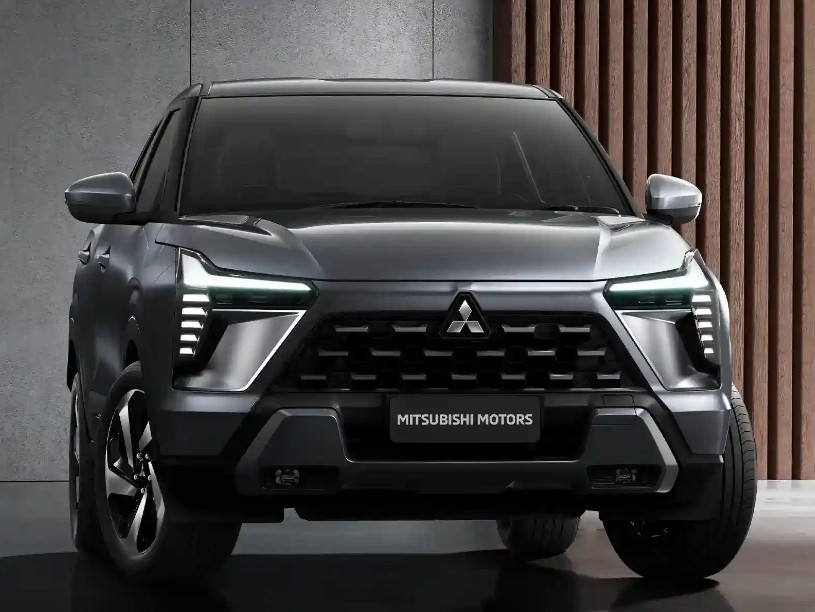
The Mitsubishi Outlander cargo space is one of the vehicle’s strongest selling points, especially for families who need an SUV that can switch between passenger duty and luggage hauling without creating a daily puzzle.
At first glance, the Outlander appears to follow the familiar compact-SUV recipe: a practical tailgate, folding rear seats, and enough room for groceries or weekend bags. Look closer, though, and its layout becomes more interesting. Unlike most vehicles in its class, the current Outlander offers three rows and seating for up to seven people.
That extra row creates flexibility, but it also raises an obvious question: how much cargo room remains when every seat is occupied?
The answer depends heavily on how the cabin is configured. With the third row upright, the luggage area is relatively small. Fold those seats into the floor and the Outlander becomes a far more useful family hauler. Lower the second row as well, and the rear cabin opens into a long, mostly flat loading area suitable for furniture, sports equipment, camping gear, and bulky shopping trips.
In this guide, we’ll explore the official figures, explain what they mean in daily life, compare the gasoline and plug-in hybrid versions, and help you decide whether the Outlander has enough room for your lifestyle.
Content in this publication
- How Much Cargo Space Does the Mitsubishi Outlander Have?
- Mitsubishi Outlander Cargo Space Chart
- Cargo Space Behind the Third Row
- Cargo Space Behind the Second Row
- Maximum Mitsubishi Outlander Cargo Capacity
- How the Folding Seats Improve Versatility
- Mitsubishi Outlander PHEV Cargo Space
- Is the Third Row Useful or Just a Marketing Feature?
- Cargo Floor and Loading Height
- Power Tailgate Convenience
- Interior Storage Beyond the Cargo Area
- Can the Outlander Carry a Stroller?
- Can the Outlander Carry Golf Clubs?
- Can You Fit a Bicycle Inside?
- How Practical Is the Outlander for Dogs?
- How to Maximize Mitsubishi Outlander Cargo Space
- Mitsubishi Outlander vs Outlander Sport Cargo Space
- How the Outlander Cargo Area Feels in Daily Use
- Who Will Find the Cargo Space Sufficient?
- Who Might Need More Space?
- Tips Before Buying an Outlander for Cargo Use
- Conclusion: Is the Mitsubishi Outlander Cargo Space Good?
- Frequently Asked Questions
How Much Cargo Space Does the Mitsubishi Outlander Have?
The 2026 Mitsubishi Outlander provides the following North American cargo capacities:
- 10.9 cubic feet behind the third row
- 30.6 cubic feet behind the second row
- 64.3 cubic feet behind the front seats
In metric measurements, those figures equal approximately:
- 308 litres behind the third row
- 866 litres behind the second row
- 1,822 litres behind the front seats
These measurements apply to the current North American gasoline Outlander. Official Mitsubishi specifications list the model with seven-passenger seating across the lineup.
The numbers reveal something important: the Outlander is not designed to carry seven adults and a mountain of luggage at the same time. Its real strength lies in configuration rather than maximum room with every seat occupied.
Think of it as a folding pocketknife. It may look compact when everything is closed, but once you start adjusting the components, it becomes much more capable.
Mitsubishi Outlander Cargo Space Chart
| Seating configuration | Cargo space in cubic feet | Cargo space in litres |
|---|---|---|
| Behind third row | 10.9 cu. ft. | 308 L |
| Behind second row | 30.6 cu. ft. | 866 L |
| Behind front seats | 64.3 cu. ft. | 1,822 L |
These figures make the different personalities of the Outlander easy to understand. With seven seats in use, it works primarily as a passenger vehicle. In a five-seat configuration, it becomes a practical everyday SUV. With only the front seats upright, it transforms into a capable cargo carrier.
Why Cargo Figures Can Differ Between Countries
You may find noticeably different Outlander cargo measurements on Australian, European, Canadian, and American websites. That does not necessarily mean one source is wrong.
Cargo space can be calculated using different measurement standards. Some markets measure usable volume up to the parcel shelf, while others calculate space up to the roof. Specifications may also change according to:
- Five-seat or seven-seat configuration
- Gasoline or plug-in hybrid powertrain
- Model year
- Spare-wheel arrangement
- Sunroof installation
- Seat position
- Local measuring standards
For example, Mitsubishi Australia advertises up to 1,473 litres with the rear seats folded on current Outlander pages, while Canadian specifications list up to 1,822 litres under their measurement method. These figures should not be compared directly without considering the standard used.
When comparing the Outlander with another SUV, always use figures from the same country and the same testing system. Otherwise, we may be comparing measuring cups with buckets.
Cargo Space Behind the Third Row
With all three rows upright, the Mitsubishi Outlander offers 10.9 cubic feet or 308 litres of cargo capacity in the North American gasoline model.
That is the most restrictive configuration.
The remaining space resembles a deep shelf behind the third-row seatbacks. It can handle ordinary items, but it is not generous enough for a full family’s vacation luggage.
What Fits Behind the Third Row?
The area can generally accommodate items such as:
- Several grocery bags
- A few school backpacks
- A compact folded stroller
- One or two carry-on bags
- A small cooler
- Emergency equipment
- A laptop bag and personal belongings
Packing soft-sided bags is usually easier than loading rigid suitcases because flexible luggage can squeeze around the cargo area’s contours.
A large stroller may consume nearly all the available floor space. Likewise, tall suitcases may interfere with rear visibility or prevent the tailgate from closing properly.
Is It Enough for Seven Passengers?
For short trips, perhaps. For a long holiday, probably not.
Seven people create a surprising amount of baggage. Even if everyone brings only one small bag, the Outlander can run out of room quickly. Families regularly travelling with six or seven occupants may need:
- A roof-mounted cargo box
- A hitch-mounted carrier where legally permitted
- A small trailer within the vehicle’s towing limits
- More compact luggage
- One side of the third row folded
The third row is best treated as occasional seating rather than a permanent replacement for the luggage compartment.
Cargo Space Behind the Second Row
Fold the third row into the floor and the Outlander’s cargo capacity expands to 30.6 cubic feet or 866 litres.
This is where the vehicle becomes genuinely useful.
The five-seat configuration gives families a conventional compact-SUV cargo area while keeping the second row available for passengers. Mitsubishi specifically describes the current Outlander as providing 866 litres behind the second row.
What Fits With the Third Row Folded?
In this configuration, we can realistically carry:
- A weekly grocery order
- Multiple medium suitcases
- A full-size stroller
- Children’s sports equipment
- Camping supplies for a weekend
- Several duffel bags
- Pet crates
- Folding chairs
- Beach equipment
- Small household appliances
The squared-off rear opening also helps make the published capacity more usable. An SUV may advertise an impressive number, but steeply sloped glass or intrusive wheel arches can turn that theoretical volume into awkward empty corners.
The Outlander’s practical shape means we can use more of the available room without playing cargo Tetris every time the family leaves home.
The Best Everyday Configuration
For many owners, the best setup is simple:
- Keep the third row folded most of the time.
- Use the Outlander as a spacious five-seat SUV.
- Raise one or both third-row seats only when extra passengers need a ride.
This approach preserves useful luggage capacity during normal driving while keeping seven-seat flexibility available.
It is one of the Outlander’s biggest advantages. We do not have to drive a physically enormous SUV every day just because we occasionally need two extra seats.
Maximum Mitsubishi Outlander Cargo Capacity
With the second and third rows folded, the gasoline Outlander provides up to 64.3 cubic feet or 1,822 litres of cargo space under North American measurements.
That is enough room for significantly larger objects.
The space behind the front seats becomes long and broad, making it useful for:
- Flat-packed furniture
- Bicycles with a wheel removed
- Large boxes
- Moving-day supplies
- Garden equipment
- Musical instruments
- Camping mattresses
- Photography equipment
- Hardware-store purchases
- Multiple large suitcases
Can You Sleep in a Mitsubishi Outlander?
It may be possible for one or two adults to sleep inside an Outlander after folding the rear rows, particularly with a fitted camping mattress.
However, comfort depends on height, sleeping position, and how flat the folded seatbacks become. The cargo area was designed primarily for carrying belongings, not as a purpose-built bed.
For a more comfortable setup, we would recommend:
- Moving the front seats forward
- Filling any floor gaps with firm cushions
- Using a mattress cut to the cargo-area shape
- Protecting interior trim from condensation
- Keeping ventilation slightly open
- Securing loose objects before sleeping
- Never running the engine in an enclosed area
The Outlander can work as a simple overnight shelter, but taller users should test the available length before planning a long camping trip.
How the Folding Seats Improve Versatility
Cargo capacity is not just about the largest published number. The way the seats move matters just as much.
The Outlander uses a split-folding second row that allows us to carry long objects while retaining passenger seating. Depending on the market and specification, Mitsubishi describes a sliding 40:20:40 second-row arrangement, allowing multiple passenger-and-cargo combinations.
Useful Seat Configurations
Common layouts include:
- Seven seats: Maximum passenger capacity and minimum cargo room
- Six seats: One third-row seat folded for extra luggage
- Five seats: Entire third row folded
- Four seats: One section of the second row folded
- Two seats: Both rear rows folded for maximum capacity
The ability to fold only part of a row is especially useful for skis, fishing rods, flat-packed shelves, or other long objects.
Instead of choosing between passengers and cargo, we can often keep both.
Why the Sliding Second Row Matters
The second row can slide to balance passenger comfort and rear space.
Moving it forward can provide extra access or legroom for third-row passengers. Sliding it rearward improves comfort for those in the middle row when the third row is not occupied.
This adjustability makes the Outlander more adaptable than a fixed-seat SUV, although every gain comes with a trade-off. More passenger legroom means less space somewhere else.
Mitsubishi Outlander PHEV Cargo Space
The plug-in hybrid Outlander is surprisingly close to the gasoline model in overall cargo capacity.
Official Canadian specifications for the 2026 Outlander PHEV list:
- 12.8 cubic feet or 362 litres behind the third row
- 30.8 cubic feet or 872 litres behind the second row
- 64.7 cubic feet or 1,832 litres behind the front seats
These figures are slightly higher than those listed for the Canadian gasoline version.
Gasoline Outlander vs Outlander PHEV Cargo Space
| Configuration | Gasoline Outlander | Outlander PHEV |
| Behind third row | 10.9 cu. ft. | 12.8 cu. ft. |
| Behind second row | 30.6 cu. ft. | 30.8 cu. ft. |
| Maximum capacity | 64.3 cu. ft. | 64.7 cu. ft. |
These numbers demonstrate how well Mitsubishi has packaged the plug-in hybrid hardware. Batteries and electric components often steal room from an electrified vehicle’s cabin or boot, yet the current Outlander PHEV retains three-row seating and competitive cargo capacity.
That said, specifications can vary by year and country. Always check the exact brochure for the vehicle you plan to buy.
Does the PHEV Battery Reduce Practicality?
Not dramatically in the current generation.
The battery is positioned to preserve the main passenger and luggage areas. Earlier electrified SUVs sometimes had raised floors, awkward steps, or missing spare-wheel storage because engineers had to squeeze battery modules into an existing platform.
The current Outlander PHEV feels more integrated. Its electrified components are not simply stuffed into the cargo area like luggage packed at the last minute.
Is the Third Row Useful or Just a Marketing Feature?
The third row is real, but expectations matter.
Its limited legroom makes it better suited to children, smaller teenagers, or adults travelling short distances. Official 2025 U.S. specifications list only 18.7 inches of third-row legroom, which illustrates how compact the area is.
That does not make the row pointless. It simply defines its role.
When the Third Row Makes Sense
It is useful for:
- Taking children and their friends to school
- Carrying relatives across town
- Handling an unexpected extra passenger
- Short family outings
- Avoiding the need for a much larger SUV
When a Larger Vehicle May Be Better
A minivan or larger three-row SUV may suit you better when:
- Seven seats are occupied every day
- Adults regularly use the third row
- You need luggage room with all seats raised
- You carry large child seats in multiple rows
- Long-distance passenger comfort is a priority
The Outlander’s third row works like an emergency chair stored in a cupboard. It is extremely useful when needed, but we may not want to sit in it throughout a cross-country journey.
Cargo Floor and Loading Height
A generous cargo figure means little if loading heavy objects feels like lifting them onto a kitchen counter.
The Outlander’s SUV ride height creates a higher floor than we would find in a traditional estate car or minivan. That makes the cabin feel commanding from the driver’s seat, but heavier cargo may require more effort to lift over the rear threshold.
Still, the tailgate opening is broad and relatively upright, which helps when loading:
- Large suitcases
- Pet crates
- Pushchairs
- Storage bins
- Boxes
- Mobility equipment
The wide rear doors can also make it easier to load children’s gear or place bags on the second-row floor.
Power Tailgate Convenience
Depending on trim and market, the Outlander may include a power or hands-free tailgate.
This can feel like a luxury until we approach the vehicle carrying grocery bags in both hands. At that moment, it becomes one of the most practical features on the car.
A powered tailgate can help when:
- Carrying a sleeping child
- Loading shopping in the rain
- Handling sports equipment
- Approaching with luggage
- Opening the boot in a tight parking area
Some systems also allow the opening height to be adjusted. That feature is useful in low garages, where a fully raised tailgate could strike the ceiling or garage door.
Interior Storage Beyond the Cargo Area
The boot is only part of the storage story.
Everyday practicality also depends on where we place phones, bottles, charging cables, sunglasses, snacks, keys, and the collection of mysterious objects that appears whenever children enter a vehicle.
The Outlander includes a range of smaller storage areas, which may include:
- Door pockets
- Cupholders
- Centre-console storage
- Glove compartment
- Front-seatback pockets
- Underfloor cargo compartments
- Small-item trays
- Luggage hooks
Not every compartment is enormous, but together they keep loose items from rolling around the main cargo floor like marbles in a metal box.
Underfloor Storage
Underfloor compartments can be especially helpful for items we want to keep hidden or separated, including:
- Charging cables
- Emergency tools
- Cleaning products
- Reusable shopping bags
- Work equipment
- First-aid supplies
- Small valuables
Availability and size may differ between gasoline and plug-in hybrid versions, as well as between trims and countries.
Can the Outlander Carry a Stroller?
Yes, but the seating arrangement determines how comfortably it fits.
With the Third Row Folded
Most ordinary single strollers should fit without serious difficulty. Many larger travel systems can also fit alongside groceries, changing bags, or smaller luggage.
With the Third Row Upright
Space becomes much tighter. A compact umbrella stroller may fit, but a large stroller could consume nearly the entire cargo area.
Families should take their actual stroller to the dealership. Brochure measurements are helpful, but real objects have wheels, handles, awkward hinges, and a remarkable talent for being slightly larger than expected.
Can the Outlander Carry Golf Clubs?
Most golf bags should fit with the third row folded. Depending on bag length and the position of the second-row seats, clubs may need to be placed diagonally.
Carrying several golf bags may require stacking or folding part of the second row. Removing longer drivers can also simplify loading.
The broad rear opening is helpful, but golfers should test their own equipment if they regularly travel with multiple players.
Can You Fit a Bicycle Inside?
A bicycle can fit inside the Outlander with the rear seats folded, particularly after removing the front wheel.
Smaller bikes may fit without wheel removal, while large mountain bikes could require:
- Lowering the saddle
- Turning the handlebars
- Removing one or both wheels
- Using a protective floor liner
Always secure the bicycle. A loose bike can damage interior trim and become dangerous during sudden braking.
How Practical Is the Outlander for Dogs?
With the third row folded, the Outlander offers a useful space for medium or large dogs.
The upright body shape provides reasonable headroom, while the large tailgate simplifies entry. Older dogs may still need a ramp because of the loading height.
We should also consider:
- A washable cargo liner
- A secure pet barrier
- Harness attachment points
- Window shades
- Water storage
- Ventilation
- Protection for the rear bumper
Never rely on the tailgate alone to contain an excited dog when it opens. A proper barrier or travel crate is safer for both the animal and passengers.
How to Maximize Mitsubishi Outlander Cargo Space
Even a spacious vehicle can feel cramped when loaded carelessly. Smart packing often creates more usable capacity than buying another few cubic feet.
1. Fold Only the Seats You Need
Partial folding allows us to preserve passenger room while creating space for long items.
2. Use Soft Luggage
Duffel bags fit around wheel arches and irregular corners more effectively than rigid suitcases.
3. Pack Heavy Items Low
Heavy objects should sit close to the floor and, where possible, ahead of the rear axle. This improves stability and reduces the chance of cargo moving dangerously.
4. Use Vertical Space Carefully
Stacking can increase capacity, but items should not obstruct rearward visibility or fall forward during braking.
5. Secure Everything
Use tie-down points, straps, nets, or organisers. Even a small bottle can become a projectile during a sudden stop.
6. Remove Unnecessary Items
Emergency equipment should remain, but forgotten boxes, sports gear, and unused accessories quietly consume valuable room.
7. Consider a Roof Box
A roof box can carry light, bulky equipment when all seats are occupied. Remember that roof loads can affect fuel consumption, wind noise, handling, and vehicle height.
Do Not Exceed the Payload Limit
Cargo volume and payload are different.
A vehicle may have enough physical room for a load but not enough weight capacity to carry it safely. Passengers, luggage, accessories, and the tongue weight of a trailer all contribute to the total load.
Always check the tyre-information label and owner’s manual for the payload limit of your specific Outlander.
Mitsubishi Outlander vs Outlander Sport Cargo Space
The Mitsubishi Outlander Sport is a different and smaller vehicle, despite the similar name.
The 2026 Outlander Sport provides:
- 21.7 cubic feet behind the second row
- 49.5 cubic feet behind the front seats
Unlike the full Outlander, it does not offer the same seven-seat layout.
The Outlander Sport may provide more cargo room behind its rear seats than the full Outlander offers behind its third row, but that comparison is misleading. Once the full Outlander’s third row is folded, it offers substantially more capacity.
Choose the Outlander Sport for a smaller footprint. Choose the full Outlander for passenger flexibility and higher maximum cargo volume.
How the Outlander Cargo Area Feels in Daily Use
On paper, the Outlander sits between two worlds. It is not a full-size cargo giant, yet it offers more configuration flexibility than many conventional five-seat crossovers.
In ordinary use, its strengths are clear:
- The third row disappears when not needed.
- The second row folds for larger purchases.
- The tailgate opening is family-friendly.
- The PHEV sacrifices little cargo capacity.
- Seven-seat capability does not require a huge body.
Its main limitation is equally clear: luggage space behind the third row is modest.
This is not a flaw hidden in the small print. It is simply the physical compromise created by placing three rows inside a compact exterior.
Who Will Find the Cargo Space Sufficient?
The Outlander should provide enough room for:
- Families of four or five
- Parents who occasionally need seven seats
- Couples who travel with outdoor equipment
- Dog owners
- Commuters who make frequent large purchases
- Drivers who want a PHEV without losing much luggage room
- Small families needing flexible seating
Who Might Need More Space?
A larger vehicle may be preferable for:
- Families travelling with seven people regularly
- Owners of multiple large strollers
- Tradespeople carrying tools every day
- Drivers transporting wheelchairs or large mobility devices
- Frequent long-distance travellers with many passengers
- Anyone needing adult-friendly third-row seating
The key question is not simply, “How large is the Outlander’s boot?”
A better question is, “Which seats will we normally use?”
That answer changes everything.
Tips Before Buying an Outlander for Cargo Use
Before signing a contract, perform a practical cargo test.
Bring the objects that matter most, such as:
- Your stroller
- A large suitcase
- A pet crate
- Golf clubs
- A folding wheelchair
- Storage containers
- A child seat
Then test the vehicle in the configuration you expect to use.
Check whether:
- The tailgate closes easily.
- The second row remains comfortable.
- Rear visibility stays clear.
- Cargo can be secured.
- The floor height is manageable.
- The third row can still be accessed.
- Frequently used objects are easy to reach.
A five-minute loading test can tell us more than an hour spent comparing specification tables.
Conclusion: Is the Mitsubishi Outlander Cargo Space Good?
The Mitsubishi Outlander cargo space is good for a compact three-row SUV, but its usefulness depends on how we configure the seats.
With all seven seats upright, the 10.9-cubic-foot luggage compartment is best for groceries, backpacks, or a few compact bags. Fold the third row, and capacity increases to a much more practical 30.6 cubic feet. Lower both rear rows, and the gasoline Outlander offers up to 64.3 cubic feet under North American measurements.
The Outlander PHEV is similarly capable, offering up to 64.7 cubic feet, which means buyers can choose plug-in hybrid efficiency without accepting a major cargo-space penalty.
Its biggest strength is flexibility. The Outlander can act like a seven-seat family shuttle in the morning, a five-seat crossover during the week, and a small moving van on Saturday afternoon.
It will not replace a minivan for families who carry seven people and their luggage every day. However, for drivers who need occasional third-row seating and a genuinely useful cargo area the rest of the time, the Outlander strikes an appealing balance.
Frequently Asked Questions
1. How much cargo space does a Mitsubishi Outlander have?
The current North American gasoline Outlander offers approximately 10.9 cubic feet behind the third row, 30.6 cubic feet behind the second row, and 64.3 cubic feet behind the front seats.
2. Can the Mitsubishi Outlander fit seven passengers and luggage?
It can carry seven passengers, but only 10.9 cubic feet of cargo space remains behind the third row. That is suitable for a few small bags rather than a full family’s vacation luggage.
3. Is the Outlander PHEV cargo area smaller?
Not according to current Canadian specifications. The 2026 Outlander PHEV provides up to 64.7 cubic feet, compared with 64.3 cubic feet in the gasoline version. Figures can vary by market and measurement method.
4. Do the Mitsubishi Outlander rear seats fold flat?
The third row folds into the cargo floor, and the split-folding second row can be lowered to create an expanded, mostly flat loading area. The exact seat design may vary by model year and country.
5. Can a stroller fit behind the Outlander’s third row?
A compact folding stroller may fit, but larger travel systems could occupy most or all of the available space. With the third row folded, the Outlander can accommodate a stroller much more comfortably.
If you want to know other articles similar to Mitsubishi Outlander Cargo Space: Dimensions, Capacity, and Real-World Practicality you can visit the category Service and Parts.
Volvo S90 Engine Oil: Type, Capacity & Change Guide
Volvo S90 Boot Space: Size, Capacity and Practicality
SEO Title: Volvo S90 Oil Capacity: Complete Guide by Engine

Kia Sorento Oil Type: Complete Guide by Year & Engine
Kia Sorento Engine Capacity: Complete Guide by Year
Peugeot 308 Clutch Replacement Cost: Complete UK Guide for 2026
Leave a Reply
More content of your interest