

Nissan Altima Lights on Dash: Complete Guide to Dashboard Warning Lights and Their Meanings

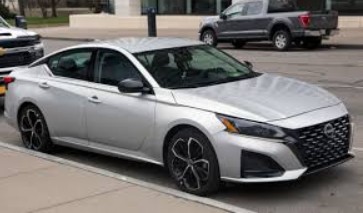
Dashboard lights are the language your Nissan Altima uses to communicate with you. Sometimes it's a friendly reminder, like a low fuel warning. Other times, it's a flashing signal that demands immediate attention. Understanding Nissan Altima lights on dash can save us from costly repairs, improve safety, and prevent unexpected breakdowns.
Whether we drive a brand-new Altima or an older model, those glowing symbols behind the steering wheel can seem mysterious. Some appear briefly during startup and disappear. Others stay illuminated, leaving us wondering if we should keep driving or head straight to a mechanic.
In this complete guide, we'll explore every major dashboard warning light found in a Nissan Altima, what each symbol means, and what actions we should take when they appear.
Content in this publication
- Why Dashboard Lights Matter
- Understanding Dashboard Light Colors
- Check Engine Light
- Oil Pressure Warning Light
- Battery Warning Light
- Brake Warning Light
- ABS Warning Light
- Tire Pressure Monitoring System Light
- Engine Temperature Warning Light
- Traction Control Light
- Airbag Warning Light
- Power Steering Warning Light
- Security Indicator Light
- Master Warning Light
- Lane Departure Warning Light
- Forward Collision Warning Light
- Eco Mode Indicator
- Cruise Control Indicator
- Low Fuel Warning Light
- Common Dashboard Lights by Nissan Altima Generation
- When Should We Stop Driving Immediately?
- Preventing Dashboard Warning Lights
- How Diagnostic Scanners Help
- The Relationship Between Warning Lights and Vehicle Safety
- Conclusion
- Frequently Asked Questions
Why Dashboard Lights Matter
Modern vehicles are packed with sensors and electronic systems. The dashboard acts as a central communication hub between the car and the driver.
When a warning light appears, the vehicle is essentially saying:
- Something requires attention
- A system may be malfunctioning
- Maintenance could be due
- Safety features may be affected
Ignoring warning lights is like ignoring smoke coming from a kitchen. Sometimes it's just burnt toast, but occasionally it's a much bigger problem.
Understanding Dashboard Light Colors
Red Dashboard Lights
Red lights indicate serious issues requiring immediate attention.
Examples include:
- Brake warning light
- Oil pressure warning light
- Battery charging warning light
- Engine temperature warning light
Think of red lights as stop signs. They usually demand quick action.
Yellow or Amber Dashboard Lights
Yellow lights serve as caution indicators.
Common examples:
- Check engine light
- ABS warning light
- Tire pressure warning light
- Traction control warning light
These warnings typically allow continued driving, but they should not be ignored.
Green Dashboard Lights
Green lights usually indicate systems that are functioning correctly.
Examples include:
- Cruise control
- Turn signals
- Eco mode
Blue Dashboard Lights
Blue indicators typically relate to lighting systems.
Most commonly:
- High beam indicator
Check Engine Light
What the Check Engine Light Means
The check engine light is one of the most common Nissan Altima lights on dash.
The symbol resembles an engine outline and can illuminate for hundreds of reasons.
Common causes include:
- Loose gas cap
- Oxygen sensor failure
- Catalytic converter problems
- Spark plug issues
- Mass airflow sensor malfunction
Solid vs Flashing Check Engine Light
Solid Light
A solid check engine light usually indicates a non-emergency issue.
Flashing Light
A flashing check engine light is much more serious.
This often signals:
- Engine misfires
- Potential catalytic converter damage
- Severe engine problems
If flashing, reduce speed and seek professional assistance immediately.
Oil Pressure Warning Light
What It Looks Like
The symbol resembles an oil can.
What It Means
This warning indicates low oil pressure within the engine.
Possible causes include:
- Low oil level
- Oil pump failure
- Clogged oil passages
- Internal engine wear
What We Should Do
If this light appears:
- Pull over safely.
- Turn off the engine.
- Check the oil level.
- Add oil if necessary.
Driving with low oil pressure can destroy an engine surprisingly fast.
Battery Warning Light
Understanding the Battery Symbol
This light looks like a small battery with positive and negative terminals.
Potential Causes
The issue may involve:
- Alternator failure
- Weak battery
- Damaged wiring
- Loose battery connections
Can We Keep Driving?
Sometimes yes—but not for long.
Once the alternator stops charging, the vehicle relies solely on battery power. Eventually, the engine may stall completely.
Brake Warning Light
What the Brake Light Indicates
This warning may appear due to:
- Parking brake engaged
- Low brake fluid
- Brake system malfunction
When It's Dangerous
If the brake warning light remains illuminated after releasing the parking brake, immediate inspection is recommended.
Brakes are not an area where we want to gamble.
ABS Warning Light
What Is ABS?
ABS stands for Anti-Lock Braking System.
The system prevents wheel lockup during emergency braking.
What Happens When the ABS Light Appears?
The standard braking system generally still works.
However:
- ABS functionality may be disabled
- Emergency stopping performance can be reduced
- Wet-road traction may suffer
Tire Pressure Monitoring System Light
Understanding the TPMS Symbol
The icon resembles a horseshoe with an exclamation mark.
Common Reasons It Appears
- Low tire pressure
- Sudden temperature changes
- Tire puncture
- Faulty TPMS sensor
Why Tire Pressure Matters
Proper tire pressure improves:
- Fuel economy
- Tire life
- Handling
- Safety
Even slightly underinflated tires can negatively affect performance.
Engine Temperature Warning Light
What the Symbol Means
This light often displays a thermometer floating above waves.
Possible Causes
- Coolant leaks
- Failed thermostat
- Broken radiator fan
- Low coolant level
Immediate Action Required
An overheating engine can suffer catastrophic damage.
If the temperature warning appears:
- Turn off air conditioning
- Pull over safely
- Shut down the engine
- Allow cooling before inspection
Traction Control Light
What Is Traction Control?
Traction control helps maintain grip during slippery conditions.
When the Light Flashes
A flashing traction control light often indicates the system is actively working.
This is generally normal.
When the Light Stays On
A constant light may indicate:
- Sensor issues
- Wheel speed sensor failure
- Stability control problems
Airbag Warning Light
Why This Light Is Important
The airbag warning light often resembles a seated passenger with a circular airbag.
Potential Problems
- Faulty crash sensors
- Damaged wiring
- Airbag module malfunction
- Seatbelt sensor issues
Safety Concerns
If illuminated, airbags may not deploy correctly during a collision.
Prompt diagnosis is recommended.
Power Steering Warning Light
Symptoms of Steering Problems
The steering wheel icon may illuminate when:
- Electronic power steering malfunctions
- Voltage issues occur
- Steering sensors fail
What We Might Notice
- Heavier steering
- Reduced maneuverability
- Increased effort while parking
Security Indicator Light
Understanding the Key Symbol
Many Nissan Altima owners encounter a yellow key light.
This warning often relates to:
- Intelligent Key battery issues
- Key recognition problems
- Immobilizer system faults
Simple Fixes
Frequently, replacing the key fob battery resolves the issue.
Master Warning Light
What Is the Triangle Warning Light?
The master warning light often appears as a triangle with an exclamation point.
Think of it as the vehicle's way of saying:
"Something needs your attention."
Associated Issues
Possible triggers include:
- Low fuel
- Open door
- Low washer fluid
- Intelligent Key alerts
Checking the vehicle information display usually reveals additional details.
Lane Departure Warning Light
Purpose of the System
Lane departure systems help prevent unintentional drifting.
Reasons the Light Appears
- Camera obstruction
- Sensor malfunction
- Poor road markings
- System disabled
Modern Altimas use advanced driver-assistance technology that relies heavily on cameras and sensors.
Forward Collision Warning Light
How It Works
The system monitors traffic ahead and warns drivers of potential collisions.
Why the Warning Appears
Common causes include:
- Dirty sensors
- Camera blockage
- Radar malfunction
- System calibration issues
A dirty sensor can sometimes trigger warnings surprisingly easily.
Eco Mode Indicator
What the Green Eco Light Means
This light is generally positive.
It indicates:
- Fuel-efficient driving
- Optimized throttle response
- Reduced fuel consumption
No action is required.
Cruise Control Indicator
Normal Operation
The cruise control light illuminates when:
- Cruise control is activated
- Adaptive cruise systems engage
Potential Problems
If flashing unexpectedly, a system malfunction may exist.
Low Fuel Warning Light
What Happens When It Appears
The fuel pump symbol illuminates when fuel reaches a low threshold.
How Much Fuel Is Left?
Depending on model year, many Altimas still have enough fuel for several miles of driving.
However, refueling promptly is wise.
Common Dashboard Lights by Nissan Altima Generation
2007–2012 Models
Frequently encountered warnings:
- Check engine light
- TPMS light
- ABS light
- Airbag light
2013–2018 Models
Additional technology introduces:
- Forward collision warnings
- Blind spot monitoring alerts
- Lane departure indicators
2019–Present Models
Modern Altimas include:
- Intelligent cruise control
- Rear automatic braking alerts
- Advanced driver assistance warnings
More technology means more dashboard communication.
When Should We Stop Driving Immediately?
Certain Nissan Altima lights on dash should never be ignored.
These include:
- Oil pressure warning
- Engine temperature warning
- Flashing check engine light
- Brake system warning
- Battery charging warning combined with electrical issues
Continuing to drive could cause severe damage or compromise safety.
Preventing Dashboard Warning Lights
Routine Maintenance Checklist
To minimize warning lights:
- Change oil on schedule
- Inspect tires monthly
- Replace worn batteries
- Check coolant levels
- Service brakes regularly
- Scan diagnostic codes periodically
Preventive maintenance is like brushing our teeth. It takes a little effort now but saves significant pain later.
How Diagnostic Scanners Help
Reading Trouble Codes
Modern OBD-II scanners can identify fault codes stored by the vehicle.
Benefits include:
- Faster troubleshooting
- Reduced repair costs
- Better understanding of problems
Even inexpensive scanners can provide valuable insights before visiting a repair shop.
The Relationship Between Warning Lights and Vehicle Safety
Dashboard warnings are more than glowing symbols.
They represent real systems affecting:
- Braking performance
- Engine reliability
- Steering control
- Fuel efficiency
- Occupant protection
Understanding these lights transforms us from passive drivers into informed vehicle owners.
Conclusion
Nissan Altima lights on dash serve as an early warning system designed to protect both the vehicle and its occupants. While some indicators simply provide information, others signal urgent mechanical or safety concerns. Learning the meaning behind each dashboard light helps us respond appropriately, avoid costly repairs, and maintain confidence behind the wheel.
The next time a warning symbol appears, instead of guessing, we'll know exactly what it means and what steps to take. A dashboard light is not just a glowing icon—it is the car's voice, quietly telling us what it needs before a small issue becomes a major headache.
Frequently Asked Questions
1. What is the most common dashboard light on a Nissan Altima?
The check engine light is typically the most common warning light. It can be triggered by anything from a loose gas cap to engine-related problems.
2. Can I drive with the Nissan Altima check engine light on?
If the light is solid, short-term driving is usually possible. If it is flashing, driving should be minimized and professional diagnosis sought immediately.
3. Why is my Nissan Altima showing a yellow key light?
The yellow key light often indicates a weak key fob battery, key recognition issue, or Intelligent Key system problem.
4. What does the triangle warning light mean on a Nissan Altima?
The master warning light signals that the vehicle has detected an issue requiring attention. The information display usually provides additional details.
5. Which dashboard lights require immediate action?
The oil pressure, engine temperature, brake system, battery charging, and flashing check engine lights generally require immediate attention.
If you want to know other articles similar to Nissan Altima Lights on Dash: Complete Guide to Dashboard Warning Lights and Their Meanings you can visit the category Service and Parts.
Volvo S90 Engine Oil: Type, Capacity & Change Guide
Volvo S90 Boot Space: Size, Capacity and Practicality
SEO Title: Volvo S90 Oil Capacity: Complete Guide by Engine

Kia Sorento Oil Type: Complete Guide by Year & Engine
Kia Sorento Engine Capacity: Complete Guide by Year
Peugeot 308 Clutch Replacement Cost: Complete UK Guide for 2026
Leave a Reply
More content of your interest