

Nissan Frontier Life Expectancy: How Many Miles Can It Last?

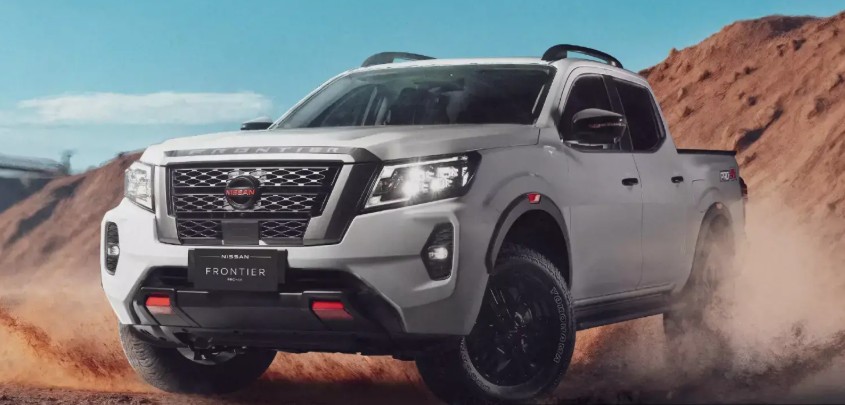
When we buy a pickup truck, horsepower, towing numbers, and flashy technology naturally grab our attention. But years later, one question matters more than almost anything else: how long will the truck actually last?
That brings us to Nissan Frontier life expectancy.
The Frontier has spent decades building a reputation as a relatively straightforward midsize pickup. It isn't always the newest, quickest, or most sophisticated truck in its class, but that simplicity can become a major advantage once the odometer starts spinning toward six figures.
So, can a Nissan Frontier reach 200,000 miles? What about 250,000 or even 300,000 miles? In many cases, yes. A properly maintained Frontier can remain useful well beyond the point where some owners expect to replace it.
However, mileage alone doesn't tell the entire story. Maintenance history, driving conditions, rust, transmission care, engine choice, previous ownership, and even where the truck spent most of its life can matter enormously.
Let's dig into how long a Nissan Frontier can realistically last, what tends to shorten its lifespan, and how we can squeeze as many reliable years as possible out of one.
Content in this publication
- What Is the Average Nissan Frontier Life Expectancy?
- Can a Nissan Frontier Last 200,000 Miles?
- What Determines Nissan Frontier Longevity?
- Nissan Frontier Engine Life Expectancy
- Nissan Frontier Transmission Life Expectancy
- How Reliable Is the Nissan Frontier at High Mileage?
- Nissan Frontier Life Expectancy by Mileage
- How Long Can a Nissan Frontier Last With Proper Maintenance?
- Does Towing Reduce Nissan Frontier Life Expectancy?
- Does Off-Road Driving Shorten Frontier Life?
- Can Regular Maintenance Really Add 100,000 Miles?
- Should You Buy a Nissan Frontier With 150,000 Miles?
- Is a 200,000-Mile Frontier Worth Buying?
- Nissan Frontier vs Toyota Tacoma Life Expectancy
- Nissan Frontier vs Chevrolet Colorado Longevity
- Nissan Frontier vs Ford Ranger Life Expectancy
- Signs Your Nissan Frontier May Still Have Plenty of Life Left
- Signs a Frontier May Be Nearing the End of Its Economical Life
- How to Make Your Nissan Frontier Last Longer
- Is the Nissan Frontier a Good Long-Term Truck?
- How Much Mileage Is Too Much for a Used Nissan Frontier?
- What Is More Important: Age or Mileage?
- When Should You Replace a High-Mileage Nissan Frontier?
- Final Thoughts on Nissan Frontier Life Expectancy
- Frequently Asked Questions
What Is the Average Nissan Frontier Life Expectancy?
A reasonable Nissan Frontier life expectancy for a well-maintained truck is roughly 200,000 to 250,000 miles.
Some examples can travel significantly farther.
A carefully maintained Frontier that has avoided major accidents, excessive rust, severe overheating, and neglected fluid changes may reach 300,000 miles or more. On the other hand, a neglected truck could become expensive to keep running before 150,000 miles.
Think of vehicle lifespan like human fitness. Genetics matter, but habits often decide the outcome.
For a Frontier, those "habits" include regular oil changes, proper cooling-system maintenance, transmission servicing, suspension repairs, and early attention to leaks or unusual noises.
How Many Years Does a Nissan Frontier Last?
Mileage tells only half the story.
If we assume an owner drives around 12,000 to 15,000 miles annually, a Frontier reaching 200,000 miles could remain on the road for approximately 13 to 17 years.
A truck reaching 250,000 miles might provide 17 to 20 years of service, depending on annual usage.
Low-mileage owners could potentially keep one considerably longer.
Age introduces its own problems, though. Rubber seals harden. Plastic becomes brittle. Wiring connectors corrode. Suspension bushings deteriorate. Rust can attack the chassis even when the engine itself remains healthy.
That means a 20-year-old Frontier with 120,000 miles isn't automatically better than a 10-year-old truck showing 180,000 miles.
Condition beats odometer numbers surprisingly often.
Can a Nissan Frontier Last 200,000 Miles?
Yes. Reaching 200,000 miles is entirely realistic for a Nissan Frontier that has received proper care.
At that mileage, however, we shouldn't expect the truck to behave like something fresh off a dealership lot. Wear items will probably have been replaced along the way.
A 200,000-mile Frontier may have already needed work involving:
- Alternators or starters
- Suspension components
- Wheel bearings
- Engine mounts
- Cooling-system parts
- Belts and hoses
- Sensors
- Spark plugs
- Seals and gaskets
- Transmission or driveline components
None of those repairs automatically mean the truck has reached the end of its useful life.
Mechanical longevity doesn't mean "nothing ever breaks." It means the major structure, engine, and drivetrain remain viable enough that repairing normal aging components still makes financial sense.
Can a Nissan Frontier Reach 300,000 Miles?
Some can.
But once we talk about 300,000 miles, maintenance becomes much more important than the Nissan badge sitting on the grille.
A Frontier reaching that mileage has probably benefited from an owner who corrected minor problems before they became expensive disasters.
High-mileage trucks don't usually survive because nothing went wrong. They survive because owners kept fixing things.
There's an important distinction.
What a 300,000-Mile Frontier Usually Requires
Expect a truck approaching 300,000 miles to have received significant maintenance during its life.
Depending on model year and usage, that might include cooling-system repairs, suspension work, transmission servicing, drivetrain maintenance, gasket replacement, sensors, wheel bearings, engine mounts, and numerous smaller components.
The engine may still be original.
So may the transmission.
But the truck surrounding them probably won't be untouched.
What Determines Nissan Frontier Longevity?
No single mileage number can predict exactly when a Frontier will wear out.
Several factors influence longevity.
1. Maintenance History
Maintenance history is arguably the biggest factor.
A truck receiving routine oil changes and timely repairs can age gracefully. Another Frontier of the exact same year and mileage may become a money pit because previous owners ignored warning signs.
Regular maintenance protects expensive components from accelerated wear.
Oil becomes contaminated.
Coolant deteriorates.
Transmission fluid ages.
Differential lubricant breaks down.
Ignoring those fluids is like asking an athlete to run a marathon without drinking water. The machine might survive for a while, but we're shortening its odds.
2. Driving Conditions
Highway mileage is generally easier on a truck than constant stop-and-go driving.
Why?
Highway cruising allows the engine and transmission to operate at stable temperatures with fewer gear changes, braking events, and cold starts.
City driving introduces considerably more mechanical cycling.
Short trips can also prevent the engine from reaching normal operating temperature for long enough to evaporate moisture properly.
Then we have genuinely severe use.
Frequent towing, off-roading, dusty environments, extreme heat, freezing winters, and heavy payloads all increase wear.
The Frontier is built to work, but work still creates wear.
3. Rust and Corrosion
Sometimes the engine isn't what kills an old pickup.
Rust does.
A perfectly functioning powertrain doesn't help much if corrosion seriously compromises the frame, brake lines, body mounting points, suspension attachment areas, or other structural components.
Trucks operated in areas where winter road salt is common deserve careful underside inspections.
Rust prevention can dramatically influence usable vehicle lifespan.
4. Previous Owners
Buying a used Frontier means we're buying somebody else's maintenance habits.
That can be wonderful.
Or terrifying.
A clean interior doesn't necessarily mean the previous owner changed transmission fluid, checked coolant, maintained differential oil, or repaired leaks promptly.
Service records are gold.
Without records, a pre-purchase inspection becomes even more important.
Nissan Frontier Engine Life Expectancy
Engines are often the first thing buyers worry about when evaluating a high-mileage truck.
Fortunately, Frontier engines generally have the potential for substantial mileage when maintained correctly.
Older Frontier Engines
Older Frontiers were offered with several engine configurations depending on generation, market, and model year.
These engines can accumulate impressive mileage, especially when owners stay disciplined about:
- Engine oil
- Cooling-system health
- Spark plugs
- Air filtration
- Belt inspection
- Leak prevention
- Correcting warning lights
Overheating deserves special attention.
One serious overheating event can damage an engine far faster than years of normal mileage.
The 4.0-Liter V6 Frontier
For many shoppers researching used Frontiers, the familiar 4.0-liter V6 is probably the engine that comes to mind.
It offered the kind of characteristics truck buyers often appreciate: uncomplicated naturally aspirated power, decent performance, and enough torque for everyday pickup duties.
With consistent maintenance, high mileage is possible.
Fuel economy may not impress anyone, but durability matters more when we're discussing life expectancy.
Newer 3.8-Liter V6 Frontier Models
Later Frontiers moved to a newer 3.8-liter V6 paired with a nine-speed automatic transmission.
These trucks are more modern, more refined, and more technologically sophisticated than their predecessors.
Long-term longevity ultimately depends on maintenance and real-world aging, but there's no reason owners shouldn't aim for the same 200,000-mile territory if the truck is properly cared for.
Nissan Frontier Transmission Life Expectancy
An engine receiving all the attention while the transmission gets ignored is an unfortunately common story.
Transmission maintenance matters.
A healthy automatic transmission can last for hundreds of thousands of miles, but heat and old fluid are relentless enemies.
Does Transmission Fluid Really Matter?
Absolutely.
Transmission fluid doesn't last magically forever under every driving condition.
Towing, heavy loads, heat, stop-and-go traffic, and difficult terrain can accelerate degradation.
Fresh fluid helps lubricate internal components and manage heat.
We should follow the maintenance guidance appropriate for the truck's exact model year and driving conditions rather than adopting a one-size-fits-all schedule.
You may be interested in reading Nissan Frontier Quality: Is This Midsize Truck Actually Built to Last?
Watch for Transmission Warning Signs
Potential trouble may appear as:
- Delayed engagement
- Harsh shifting
- Slipping
- Shuddering
- Unusual whining
- Transmission-fluid leaks
- RPM flare during shifts
Early diagnosis can sometimes turn a manageable repair into exactly that—a manageable repair.
Ignoring symptoms can transform it into a transmission replacement.
How Reliable Is the Nissan Frontier at High Mileage?
Reliability at 50,000 miles and reliability at 200,000 miles are two completely different conversations.
At high mileage, nearly every vehicle requires repairs.
The important question becomes whether those repairs are predictable and economically reasonable.
A high-mileage Frontier can still be dependable if the major mechanical systems remain healthy.
We simply need realistic expectations.
A 180,000-mile pickup might need suspension work this year, a sensor next year, and an alternator sometime afterward.
That's normal aging.
The bigger concern is when multiple expensive systems begin failing simultaneously.
Nissan Frontier Life Expectancy by Mileage
Let's put the ownership journey into practical stages.
Under 100,000 Miles
A properly maintained Frontier below 100,000 miles could still have a tremendous amount of useful life remaining.
This is typically where buyers focus on maintenance history and accident history rather than worrying primarily about age-related mechanical failure.
100,000 to 150,000 Miles
Now inspection becomes increasingly important.
At this mileage, we should look carefully at suspension wear, fluid leaks, cooling-system condition, driveline noises, transmission behavior, and service history.
A healthy truck in this range can still represent excellent value.
150,000 to 200,000 Miles
This is where condition becomes more important than mileage.
One 175,000-mile Frontier might feel tight and mechanically solid.
Another could feel exhausted.
Maintenance records tell the story.
200,000 to 250,000 Miles
At this level, we're firmly in high-mileage territory.
A well-maintained Frontier can continue serving reliably, but repairs should be expected periodically.
The purchase price needs to reflect that reality.
Beyond 250,000 Miles
Once we cross 250,000 miles, every truck deserves individual evaluation.
Mileage alone becomes almost meaningless.
Service history, rust, engine compression, transmission behavior, frame condition, leaks, and drivetrain health become the real indicators of remaining life.
How Long Can a Nissan Frontier Last With Proper Maintenance?
Proper maintenance can mean the difference between retiring a truck at 140,000 miles and driving it beyond 250,000.
That's not exaggeration.
Machines punish neglect quietly at first.
By the time symptoms become obvious, expensive damage may already exist.
Essential Maintenance for Maximum Frontier Life
If longevity is our goal, several habits deserve priority.
Change engine oil at appropriate intervals and use the correct specification.
Maintain coolant properly.
Inspect transmission and differential fluids.
Replace filters when required.
Watch tire pressure.
Repair leaks.
Listen to unusual noises.
Don't ignore warning lights.
Check suspension and steering components regularly.
Maintain brakes before they're completely worn out.
Inspect belts and hoses as the truck ages.
Simple habits compound over time.
Much like saving money, the biggest benefits often arrive years later.
Does Towing Reduce Nissan Frontier Life Expectancy?
Towing doesn't automatically destroy a Frontier.
Pickup trucks exist partly because owners need them to work.
However, frequent heavy towing increases strain on several systems, particularly the transmission, cooling system, brakes, suspension, and drivetrain.
The closer we operate to maximum capacity, the more important maintenance becomes.
Heavy Towing Requires More Attention
If a Frontier regularly pulls trailers, consider severe-service maintenance recommendations where applicable.
Monitor transmission behavior.
Watch engine temperature.
Inspect brakes.
Keep tires properly inflated.
Check drivetrain fluids.
A truck frequently towing 4,000 pounds lives a different mechanical life than one carrying groceries to the supermarket.
Does Off-Road Driving Shorten Frontier Life?
It can.
Frontiers—particularly off-road-focused variants—are capable of handling terrain that ordinary cars wouldn't dare approach.
Still, every muddy trail leaves a mechanical receipt somewhere.
Off-road driving can accelerate wear on:
- Shocks
- Bushings
- Wheel bearings
- Tires
- Steering components
- Underbody protection
- Driveline components
Water crossings, mud, rocks, and impacts also introduce additional risks.
After serious off-road use, inspection becomes part of responsible ownership.
Can Regular Maintenance Really Add 100,000 Miles?
Potentially, yes.
We're not saying maintenance guarantees a precise mileage number. Mechanical failures can happen even to carefully maintained vehicles.
But preventive maintenance dramatically changes the odds.
Consider cooling-system neglect.
A small hose leak causes coolant loss.
The owner keeps driving.
The engine overheats.
A relatively inexpensive hose issue has now become possible cylinder-head or engine damage.
That chain reaction is exactly how avoidable problems shorten vehicle life.
Fix small issues while they're small.
Should You Buy a Nissan Frontier With 150,000 Miles?
Possibly.
Mileage shouldn't automatically scare us away.
A well-maintained 150,000-mile Frontier can sometimes be a smarter purchase than a neglected 90,000-mile truck.
Before buying, examine:
- Maintenance documentation
- Rust underneath
- Engine leaks
- Cooling-system condition
- Transmission operation
- Suspension noise
- Steering feel
- Tire wear
- Warning lights
- Accident history
And get a professional pre-purchase inspection whenever possible.
That small expense could prevent a very large mistake.
Is a 200,000-Mile Frontier Worth Buying?
This becomes more situational.
A 200,000-mile truck needs to be priced appropriately.
At this mileage, we'd rather buy a mechanically healthy truck with extensive service records than a suspiciously shiny example with no history whatsoever.
Cosmetics are nice.
Maintenance is nicer.
You may be interested in readingNissan Frontier Quality: Is This Midsize Truck Actually Built to Last?You may be interested in reading
 Is Toyota Estima Hybrid a Good Car? Complete Buyer’s Guide
What Matters Most at 200,000 Miles?
Focus on structural integrity and the major drivetrain systems.
Ask whether the engine runs smoothly.
Does the transmission shift correctly?
Is the frame solid?
Are there severe leaks?
Does the cooling system hold pressure?
Are expensive repairs immediately approaching?
If the fundamentals are strong, high mileage alone isn't necessarily a reason to walk away.
Nissan Frontier vs Toyota Tacoma Life Expectancy
The Toyota Tacoma often dominates discussions about midsize truck longevity, and its reputation is deservedly strong.
That doesn't mean the Frontier should be dismissed.
Used Frontiers have historically appealed to buyers seeking a simpler truck without paying the premium sometimes associated with Tacoma resale values.
A properly maintained example of either truck can accumulate substantial mileage.
The badge matters.
Condition matters more.
Nissan Frontier vs Chevrolet Colorado Longevity
The Frontier and Chevrolet Colorado have followed different mechanical paths over the years, so comparisons vary considerably by generation.
Rather than declaring one universally superior, we'd focus on specific model year, engine, transmission, maintenance history, and previous use.
Used-truck buying is rarely as simple as choosing the supposedly "best" badge.
Nissan Frontier vs Ford Ranger Life Expectancy
The Ranger is another natural rival.
Again, both can deliver long service lives.
The better used truck is frequently the one that has lived the easier life.
A beautifully maintained Frontier with 140,000 miles could be a safer purchase than an abused Ranger with 80,000—or vice versa.
Maintenance history is the invisible specification buyers often overlook.
Signs Your Nissan Frontier May Still Have Plenty of Life Left
Mileage shouldn't be evaluated in isolation.
A high-mileage Frontier may still have years remaining when:
- The engine starts easily cold
- Idle remains smooth
- Oil consumption is reasonable
- Transmission shifts normally
- Coolant stays clean and stable
- No significant frame rust exists
- Steering feels controlled
- Suspension isn't excessively loose
- Maintenance records are available
- Warning lights remain absent
- Tires wear evenly
- The truck doesn't produce unexplained noises
A solid old pickup has a certain feel.
Everything doesn't need to look new.
It simply needs to work together without drama.
Signs a Frontier May Be Nearing the End of Its Economical Life
Eventually, every vehicle reaches a point where repairs stop making financial sense.
That doesn't necessarily mean the engine suddenly dies.
Sometimes the truck simply accumulates too many problems.
Warning signs include severe structural rust, repeated overheating, significant transmission failure, excessive oil consumption, persistent electrical faults, major engine damage, or several expensive repairs arriving simultaneously.
The phrase economical life matters here.
A truck can technically be repaired forever if we keep throwing enough money at it.
That doesn't mean we should.
How to Make Your Nissan Frontier Last Longer
Want to chase 250,000 miles?
Treat maintenance as an investment rather than an inconvenience.
Follow These Longevity Habits
- Change the oil consistently.
Dirty or depleted oil accelerates internal engine wear. - Never ignore overheating.
Shut the engine down before a minor cooling problem becomes major engine damage. - Maintain drivetrain fluids.
Transmission, differential, and transfer-case fluids deserve attention. - Repair leaks quickly.
Small leaks rarely become smaller by themselves. - Use quality replacement parts.
Cheap components sometimes create repeat repairs. - Inspect rust annually.
Especially in wet climates or regions using road salt. - Avoid unnecessary abuse.
Trucks are tough, not immortal. - Warm the engine through normal driving.
There's no need to idle forever, but avoid aggressive driving immediately after cold startup. - Watch tire pressure and alignment.
Poor alignment strains suspension components and destroys tires. - Respond to new noises immediately.
Vehicles whisper before they scream.
That last point may be the most valuable.
A new vibration, squeak, clunk, or whine is information.
Listen to it.
Is the Nissan Frontier a Good Long-Term Truck?
For owners who value straightforward pickup-truck utility, the Frontier can make a compelling long-term vehicle.
It offers something increasingly rare: a midsize truck lineage built around relatively conventional mechanical ingredients.
That doesn't make every Frontier bulletproof.
No vehicle is.
But it does mean properly maintained examples have the potential to remain useful long after the loan has disappeared.
And isn't that what we're really hoping for?
A truck that keeps showing up.
How Much Mileage Is Too Much for a Used Nissan Frontier?
There's no universal cutoff.
For some buyers, 100,000 miles feels high.
For experienced truck owners, 180,000 miles on a well-maintained vehicle may not seem frightening at all.
Instead of asking, "How many miles does it have?" ask:
What happened during those miles?
That's a much better question.
A 120,000-mile truck used for constant towing on rough terrain may have experienced more wear than a 180,000-mile Frontier that spent most of its life cruising highways.
Mileage provides context.
History provides meaning.
What Is More Important: Age or Mileage?
Neither wins automatically.
Age damages rubber, seals, electronics, paint, wiring, plastics, and metal.
Mileage wears bearings, suspension components, driveline parts, engines, and transmissions.
The ideal used truck balances both.
Low mileage plus good maintenance sounds perfect, but don't assume extremely low mileage guarantees trouble-free ownership.
A vehicle sitting unused for years can develop its own issues.
Machines like movement.
When Should You Replace a High-Mileage Nissan Frontier?
There isn't a magic odometer reading telling us when to sell.
Keep the truck while it remains safe, reliable enough for your needs, and financially sensible to repair.
Replace it when those conditions change.
For example, spending $1,200 maintaining a paid-off truck might be completely reasonable.
Spending $8,000 repeatedly repairing major systems on a heavily rusted truck probably isn't.
Context matters.
So does personal tolerance for downtime.
Someone commuting five miles locally can tolerate an aging truck differently than someone driving 1,000 miles every week for work.
Final Thoughts on Nissan Frontier Life Expectancy
The Nissan Frontier life expectancy is encouraging for anyone hoping to keep a midsize pickup for the long haul.
A properly maintained Frontier can reasonably aim for 200,000 to 250,000 miles, while exceptional examples may travel beyond 300,000 miles.
But those numbers aren't promises.
They're possibilities.
Maintenance creates those possibilities.
The strongest Frontier isn't necessarily the one with the fewest miles. It's the one that has been maintained consistently, driven responsibly, protected from severe corrosion, and repaired before small issues grew teeth.
If we're shopping used, service history should matter almost as much as price.
If we already own one, maintenance today becomes longevity tomorrow.
Treat the truck well, and there's a good chance it will return the favor for many years.
Frequently Asked Questions
1. How many miles can a Nissan Frontier usually last?
A well-maintained Nissan Frontier can commonly reach around 200,000 to 250,000 miles. Some exceptionally maintained trucks can exceed 300,000 miles, although repairs naturally become more frequent as mileage increases.
2. Is 150,000 miles too much for a Nissan Frontier?
Not necessarily. A Frontier with 150,000 miles and strong service records may still have considerable life remaining. Maintenance history, rust, transmission condition, cooling-system health, and previous usage are more important than mileage alone.
3. Can a Nissan Frontier last 20 years?
Yes. A Frontier driven moderate annual mileage and maintained correctly can potentially remain usable for 20 years or longer. However, age-related corrosion, rubber deterioration, electrical problems, and suspension wear become increasingly important.
4. Are Nissan Frontiers reliable after 200,000 miles?
They can be, but owners should expect normal high-mileage repairs. Reliability at this stage depends heavily on previous maintenance, driving conditions, rust exposure, and the health of major components such as the engine and transmission.
You may be interested in readingNissan Frontier Quality: Is This Midsize Truck Actually Built to Last?You may be interested in reading
Is Toyota Estima Hybrid a Good Car? Complete Buyer’s GuideYou may be interested in reading
 Volvo XC90 Reliability: Is This Luxury SUV Built to Last?
5. What is the best way to extend Nissan Frontier life expectancy?
Regular oil changes, cooling-system maintenance, transmission and differential servicing, immediate leak repairs, rust prevention, sensible towing practices, and prompt attention to warning signs offer the best chance of maximizing Frontier longevity.
If you want to know other articles similar to Nissan Frontier Life Expectancy: How Many Miles Can It Last? you can visit the category Blog.
Volvo S90 Reliability: Problems, Costs & Best Years
Is Haval Jolion a Good Car? Honest Review, Reliability, Pros and Cons
How to Start Haval Jolion With Spare Key: Complete Guide
How to Calculate Per Diem on an Auto Loan

How to Calculate the Residual Value of a Car

Is the Honda Passport Selling Well? Sales Numbers Tell the Story
Leave a Reply
More content of your interest