
Nissan Frontier Generation Years: Complete Guide From 1998 to 2026

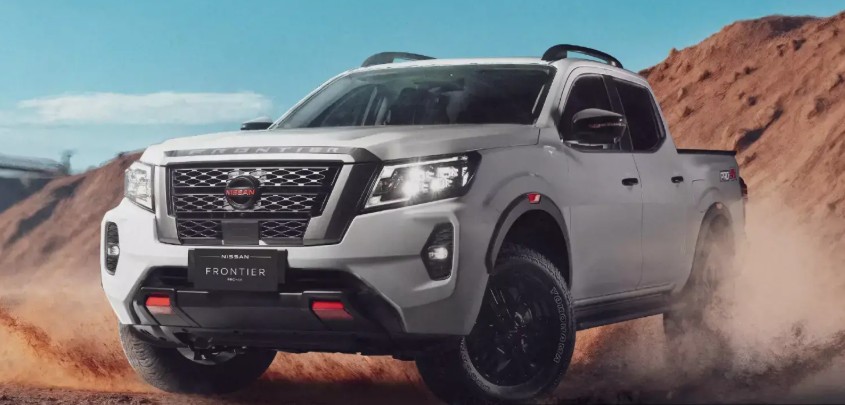
The Nissan Frontier generation years tell one of the more interesting stories in the midsize pickup world. Some trucks reinvent themselves every few years, chasing technology and trends like a dog chasing its tail. The Frontier took a different route. It changed slowly, deliberately, and in the case of its second generation, almost stubbornly.
That unusual history is exactly why figuring out Nissan Frontier generations can feel confusing.
For the North American market, though, the basic timeline is surprisingly simple. The first-generation Nissan Frontier ran from 1998 through 2004, the extraordinarily long-lived second generation covered 2005 through 2021, and the third generation arrived for the 2022 model year and continues today.
But those dates tell only half the story.
A 1998 Frontier and a 2004 Frontier belong to the same broad generation, yet they don't necessarily feel identical. Likewise, a 2005 Frontier and a 2021 Frontier technically share a generation, even though Nissan changed engines, transmissions, styling, equipment, and safety technology during that remarkable 17-model-year stretch.
So, instead of simply throwing dates at the wall, we're going to break down every Nissan Frontier generation, explain the important changes, and show what each era means if we're shopping for one today.
Content in this publication
- Nissan Frontier Generations at a Glance
- First-Generation Nissan Frontier: 1998–2004
- First-Generation Frontier Years: 1998–2004 Summary
- Second-Generation Nissan Frontier: 2005–2021
- 2005 Nissan Frontier: A Major Redesign
- 2005–2009 Frontier: Early Second-Generation Models
- 2010–2019 Frontier: The Mature D40 Years
- 2020 Nissan Frontier: The Strange Transition Year
- 2021 Nissan Frontier: End of an Era
- Second-Generation Frontier Years: 2005–2021 Summary
- Third-Generation Nissan Frontier: 2022–Present
- 2022 Nissan Frontier: The Modern Era Begins
- 2023 Nissan Frontier
- 2024 Nissan Frontier and the Hardbody Edition
- 2025 Nissan Frontier Refresh
- 2026 Nissan Frontier
- Third-Generation Frontier Years Summary
- Nissan Frontier Generation Years Chart
- What Came Before the Nissan Frontier?
- Are Nissan Frontier Generations the Same Worldwide?
- Which Nissan Frontier Generation Is the Most Old-School?
- Which Frontier Generation Offers the Best Balance?
- Which Nissan Frontier Generation Is the Most Modern?
- Best Frontier Generation for a Used-Truck Buyer
- Important Frontier Years Within Generations
- How Long Does a Nissan Frontier Generation Last?
- How to Identify Which Frontier Generation You Own
- Does a Facelift Mean a New Frontier Generation?
- Nissan Frontier Generations vs Toyota Tacoma Generations
- Why the Second Generation Lasted So Long
- Is the Third-Generation Frontier Really Better?
- Which Nissan Frontier Generation Should We Buy?
- Final Thoughts on Nissan Frontier Generation Years
- FAQs About Nissan Frontier Generation Years
Nissan Frontier Generations at a Glance
For North American models, the Nissan Frontier generation timeline looks like this:
| Generation | Model Years | Chassis/Platform Era | General Character |
|---|---|---|---|
| First generation | 1998–2004 | D22 | Compact, simple, old-school |
| Second generation | 2005–2021 | D40 | Larger, stronger, extremely long-lived |
| Third generation | 2022–present | Current North American Frontier | Modern styling, V6 power, improved technology |
The Frontier name itself arrived in North America for the 1998 model year, replacing Nissan's previous Hardbody pickup. Nissan later launched a substantially larger second-generation truck for 2005. The third-generation Frontier debuted for 2022. That makes the Frontier's history unusually easy to divide into three major chapters.
First-Generation Nissan Frontier: 1998–2004
The first-generation Frontier is where the name began.
Introduced for the 1998 model year, it replaced the Nissan Hardbody and continued Nissan's long tradition of relatively compact, straightforward pickups.
Compared with today's midsize trucks, early Frontiers feel refreshingly small. They weren't trying to imitate full-size pickups. They were narrow, practical workhorses designed for people who needed a truck without needing a rolling apartment building.
1998 Nissan Frontier: The Beginning
The 1998 model officially introduced the Frontier name to North American buyers.
Nissan offered Regular Cab and King Cab configurations along with two- and four-wheel-drive layouts. The initial trucks emphasized utility more than luxury.
That seems obvious now, but remember where pickup trucks were in the late 1990s. Touchscreens weren't a consideration. Massive center consoles weren't a selling point. A truck was expected to carry tools, haul equipment, survive dusty roads, and get muddy without anyone panicking.
The early Frontier fit that philosophy beautifully.
1999–2000: The Frontier Family Expands
The Frontier became more versatile almost immediately.
One particularly important milestone came with the introduction of the Frontier Crew Cab, which gave buyers four conventional doors and substantially improved passenger usability.
This helped transform the Frontier from a traditional compact pickup into something families could realistically use every day.
That shift foreshadowed the entire pickup market.
Modern midsize trucks are frequently family vehicles first and work trucks second. The late-1990s Frontier helped push the segment toward that formula.
2001 Frontier Facelift
Around the beginning of the new millennium, Nissan gave the Frontier a much more aggressive appearance.
Earlier trucks had relatively conservative styling. Updated models became bolder, with a more muscular front end and distinctive exterior details.
Depending on configuration and model year, buyers could find four-cylinder and V6 powertrains, while sportier and more adventurous variants broadened the Frontier's appeal.
Why the First-Generation Frontier Still Matters
The D22-era Frontier represents something increasingly difficult to find: a genuinely compact, mechanically straightforward pickup.
For enthusiasts who prefer analog vehicles, an older Frontier can feel like a pocketknife compared with today's Swiss Army toolbox of computers, sensors, screens, cameras, and driver-assistance systems.
That's part of its charm.
First-Generation Frontier Years: 1998–2004 Summary
When we encounter a North American Frontier from any of these model years, we're looking at the first generation:
- 1998
- 1999
- 2000
- 2001
- 2002
- 2003
- 2004
The generation ended after 2004 as Nissan prepared a substantially larger and more capable replacement.
Second-Generation Nissan Frontier: 2005–2021
Now we arrive at the generation that made the Frontier famous for longevity.
Calling the 2005–2021 Frontier long-lived almost feels inadequate. Seventeen model years is an eternity in the modern automobile industry.
Cars can go through two complete redesigns in that amount of time.
The D40 Frontier simply kept going.
And going.
And going.
Rather than replacing it quickly, Nissan continued updating an underlying design that remained fundamentally recognizable for well over a decade.
2005 Nissan Frontier: A Major Redesign
The 2005 Frontier wasn't merely a facelift.
It represented a substantial step forward in size, strength, refinement, and capability. The truck became a true midsize pickup rather than simply an evolution of Nissan's smaller compact-truck formula.
The redesign introduced a tougher stance and stronger resemblance to Nissan's larger trucks.
A powerful 4.0-liter V6 became one of the defining engines of this era, giving the Frontier competitive performance and making it useful for towing, off-road driving, and traditional truck duties.
King Cab and Crew Cab Configurations
During the second-generation years, the Frontier was commonly available in two major cab configurations.
The King Cab appealed to buyers who prioritized cargo-box usefulness and occasional rear seating, while the Crew Cab delivered four conventional doors and a genuinely usable rear passenger compartment.
This became an important distinction for used buyers.
Need an inexpensive work truck?
A King Cab may make sense.
Need to carry children or adult passengers regularly?
The Crew Cab is usually the more practical choice.
2005–2009 Frontier: Early Second-Generation Models
Early D40 Frontiers established the core formula that would survive for many years.
They offered stronger engines, greater towing capability, improved road manners, and a more substantial cabin than the outgoing truck.
Yet these early examples should be evaluated carefully when we're shopping used.
Age alone matters now. Even a perfectly maintained 2005 truck is more than two decades removed from its original design period. Rubber components, suspension parts, seals, electronics, cooling-system pieces, and previous repair quality become just as important as odometer mileage.
2009 Frontier Refresh
The Frontier received styling and equipment updates during its second-generation run rather than a complete redesign.
These incremental revisions became Nissan's strategy.
Instead of tearing up the blueprint, Nissan kept renovating the same house.
New trim details appeared. Technology improved gradually. Equipment packages changed. Styling evolved.
But underneath, the familiar Frontier remained.
2010–2019 Frontier: The Mature D40 Years
By the 2010s, the second-generation Frontier had settled comfortably into its identity.
This wasn't necessarily the newest midsize truck on the market. In fact, competitors increasingly offered fresher interiors, additional transmissions, more sophisticated electronics, and updated powertrains.
Yet the Frontier's age became an advantage for certain buyers.
Why?
Because familiarity can be valuable.
Mechanics knew the platform. Parts were widely available. Owners had accumulated years of experience discussing common repairs and maintenance procedures. The truck had fewer surprises than an entirely new design.
For someone seeking a relatively traditional pickup, that mattered.
The Frontier's Old-School Appeal
By the late 2010s, sitting in a Frontier could feel like stepping through a small time portal.
Buttons were buttons.
Controls generally made sense.
The cabin wasn't attempting to become a smartphone on wheels.
Some reviewers viewed this as outdated. Plenty of owners saw it differently.
What one driver calls old-fashioned, another calls uncomplicated.
That distinction explains why the Frontier remained relevant even as its architecture aged.
2020 Nissan Frontier: The Strange Transition Year
The 2020 Nissan Frontier deserves special attention because it became a bridge between generations.
The body and chassis still belonged to the second-generation truck, but Nissan installed the powertrain that would help define the next Frontier.
Instead of continuing with the familiar 4.0-liter V6 setup, Nissan introduced a 3.8-liter V6 paired with a nine-speed automatic transmission.
This makes 2020 especially interesting in Frontier history.
Imagine putting a new heart inside an old body.
That's essentially what Nissan did.
Why 2020 and 2021 Are Unique Frontier Years
The 2020 and 2021 trucks gave buyers the older D40 body architecture combined with the newer 3.8-liter V6 and nine-speed automatic.
That makes these two years unusual used-truck propositions.
Someone who likes the proven second-generation platform but wants the newer powertrain may find them particularly attractive.
They are effectively transitional Frontiers—a handshake between the old generation and the new one.
2021 Nissan Frontier: End of an Era
The 2021 model year marked the final chapter for the D40 Frontier in North America.
You may be interested in reading Volvo XC90 Models: Complete Guide to Trims, Engines, and Generations
Think about that for a moment.
The same broad generation that entered the market for 2005 remained through 2021.
That's a remarkable run.
By the time production ended, smartphones had gone from novelty gadgets to everyday necessities, streaming had transformed entertainment, and much of the automotive industry had reinvented itself.
The Frontier had changed too, but its basic structure had endured.
Second-Generation Frontier Years: 2005–2021 Summary
The second-generation Nissan Frontier includes:
- 2005
- 2006
- 2007
- 2008
- 2009
- 2010
- 2011
- 2012
- 2013
- 2014
- 2015
- 2016
- 2017
- 2018
- 2019
- 2020
- 2021
This enormous span is why we shouldn't judge every second-generation Frontier as though it were the same truck.
A 2005 and a 2021 share ancestry, not identical ownership experiences.
Third-Generation Nissan Frontier: 2022–Present
After years of waiting, Nissan finally delivered the redesigned Frontier for the 2022 model year.
Visually, the change was dramatic.
The rounded, familiar styling of the outgoing truck disappeared. In its place came a square-jawed design with a taller grille, sharper lighting, stronger body lines, and a much more contemporary cabin.
Suddenly, the Frontier didn't look like the oldest student in class.
It looked ready to start the lesson.
2022 Nissan Frontier: The Modern Era Begins
The 2022 Frontier introduced the current North American generation.
Its 3.8-liter V6 and nine-speed automatic transmission carried over conceptually from the 2020–2021 transition trucks, but the surrounding vehicle was substantially renewed.
The redesigned interior represented one of the biggest improvements.
Drivers received more modern infotainment, improved displays, updated safety technology, better storage solutions, and an overall environment that felt far more competitive with contemporary midsize pickups.
Was the 2022 Frontier Completely New?
This question produces some debate because the third-generation Frontier continued using an evolved version of the previous truck's underlying body-on-frame architecture rather than abandoning every component and starting from a blank computer screen.
But in market and model-generation terms, 2022 marks the third-generation Frontier.
That's the useful distinction when we're organizing Frontier model years.
2023 Nissan Frontier
The 2023 Frontier continued the redesigned formula without radically changing it.
By this point, Nissan could focus more on trims, packages, and equipment rather than introducing an entirely new truck.
That makes 2023 an interesting year for shoppers who want a current-generation Frontier while potentially avoiding the first model year of the redesign.
Of course, condition, maintenance history, configuration, and price should still matter more than simply picking a year number.
2024 Nissan Frontier and the Hardbody Edition
The Frontier's past came back into focus for 2024 with the retro-inspired Hardbody Edition.
That name wasn't accidental.
Nissan deliberately referenced the beloved Hardbody pickup that preceded the Frontier nameplate.
Retro wheels, graphics, and styling details gave the modern truck a nostalgic personality without returning us to 1990s safety equipment and cabin technology.
It was nostalgia done sensibly: yesterday's attitude with today's truck underneath.
2025 Nissan Frontier Refresh
The third-generation Frontier received a meaningful refresh for the 2025 model year.
Nissan updated exterior styling and equipment while expanding certain configuration possibilities.
The front-end treatment became more distinctive, cabin technology improved, and towing capability increased for properly configured trucks.
The significance is worth understanding.
A facelift does not automatically create a new generation.
So even though the 2025 Frontier looks somewhat different from a 2022 truck, both belong to the same third generation.
2025 Is a Refresh, Not a Fourth Generation
This is where generation guides often become messy.
Manufacturers commonly update headlights, bumpers, grilles, infotainment systems, wheels, trims, and equipment halfway through a model cycle.
Those changes can make a truck look dramatically newer.
But unless the vehicle undergoes a true generational redesign, it normally remains part of the existing generation.
Therefore:
2022–2024 = early third generation
2025 onward = refreshed third generation
That's a much more useful way to understand the timeline.
2026 Nissan Frontier
For 2026, the Frontier remains part of the third generation.
Its fundamental recipe continues to center around a 3.8-liter V6 and nine-speed automatic transmission, with King Cab and Crew Cab configurations available in the North American lineup.
Nissan has continued developing special versions and equipment rather than moving to an entirely new generation.
So anyone asking whether the 2026 Nissan Frontier is a fourth-generation truck can keep the answer simple:
No.
It remains part of the generation introduced for 2022.
Third-Generation Frontier Years Summary
As of the 2026 model year, the third-generation North American Frontier includes:
- 2022
- 2023
- 2024
- 2025
- 2026
Future model years may eventually extend this generation further, but they shouldn't be assumed until Nissan officially introduces them.
Nissan Frontier Generation Years Chart
Here's the complete North American sequence in one place:
| Model Years | Frontier Generation |
| 1998–2004 | First generation |
| 2005–2021 | Second generation |
| 2022–present | Third generation |
If we're trying to memorize the timeline, those are the three numbers worth remembering:
1998. 2005. 2022.
Each marks the beginning of a new major Frontier chapter.
What Came Before the Nissan Frontier?
Before the Frontier name arrived, Nissan sold compact pickups in North America under other names and designations.
The most famous immediate predecessor is the Nissan Hardbody, commonly associated with the D21 platform.
The Frontier replaced that truck for the 1998 model year.
That's why retro references such as the newer Hardbody Edition resonate with longtime Nissan truck fans. The Hardbody isn't another Frontier generation—it belongs to the lineage that came before the Frontier name.
Are Nissan Frontier Generations the Same Worldwide?
No, and this point is crucial.
The Frontier name has been used differently outside the United States and Canada.
In several international markets, Frontier branding overlaps with Nissan Navara and NP300 products. Those vehicles don't always follow the same model-year timeline, platforms, engines, or generation breaks as the North American Frontier.
For example, a truck called Frontier in Latin America may belong to a different product family than a U.S.-spec Frontier of the same year.
So when researching parts, specifications, engines, towing capacities, recalls, or repair procedures, we should always identify:
Country
Was the vehicle sold in the U.S., Canada, Mexico, Australia, South America, or another market?
Model year
A calendar year alone isn't always enough because manufacturing year and model year can differ.
Chassis or platform code
Terms such as D22 and D40 can help distinguish related trucks.
Engine
Different markets frequently receive different engines.
That extra minute of identification can save hours of confusion.
Which Nissan Frontier Generation Is the Most Old-School?
The first generation wins this contest easily.
A 1998–2004 Frontier delivers the closest experience to the compact pickups many of us remember from the 1990s.
They're smaller, simpler, and more mechanical.
That's appealing if we're buying a recreational project or inexpensive utility truck, but age needs to be respected.
A 25-year-old pickup isn't magically reliable just because its design is simple.
Rust, deferred maintenance, modifications, accident repairs, aging wiring, worn suspension pieces, and neglected cooling systems can turn an inexpensive truck into a hungry piggy bank.
Which Frontier Generation Offers the Best Balance?
For many used buyers, the second generation occupies an interesting middle ground.
It has enough capability to function as a serious midsize truck yet remains relatively conventional compared with newer vehicles.
Later examples particularly benefit from years of gradual refinement.
The catch?
The generation lasted so long that saying “buy a second-generation Frontier” is almost useless without narrowing down the year.
You may be interested in readingVolvo XC90 Models: Complete Guide to Trims, Engines, and GenerationsYou may be interested in reading
 Alfa Romeo MiTo Models: Complete Guide to Trims, Engines and Versions
A 2006 and a 2020 may appear related, but their age, powertrain combinations, equipment, market value, and ownership considerations differ significantly.
Which Nissan Frontier Generation Is the Most Modern?
That's unquestionably the third generation.
Beginning with 2022, the Frontier gained the styling and technology buyers expect from a contemporary midsize pickup.
The cabin alone can make the older D40 feel dramatically dated.
We also get more contemporary driver-assistance features, infotainment, connectivity, improved refinement, and a far more modern visual identity.
For everyday commuting, family use, and road trips, that modernization matters.
Best Frontier Generation for a Used-Truck Buyer
There's no single answer because our priorities change the equation.
If we want maximum simplicity and don't mind an aging vehicle, the first generation has undeniable appeal.
If we want a proven midsize truck and are comfortable with an older platform, a carefully selected second-generation Frontier may represent strong value.
If we want current technology, newer safety features, stronger resale appeal, and a modern cabin, the third generation makes more sense.
Price ultimately becomes the referee.
A pristine late-second-generation Frontier can be smarter than a neglected third-generation truck. Likewise, buying the cheapest first-generation example simply because it looks affordable can backfire if decades of deferred maintenance are hiding underneath.
Important Frontier Years Within Generations
Generation boundaries aren't the only dates worth knowing.
Several individual years matter because they represent important turning points:
1998
First Frontier model year in North America.
2005
Second generation begins with a substantially redesigned midsize truck.
2020
The second-generation body receives the newer 3.8-liter V6 and nine-speed automatic.
2021
Final model year of the extremely long-running second generation.
2022
Third-generation Frontier arrives.
2024
Retro-inspired Hardbody Edition becomes a notable addition.
2025
Third generation receives an important refresh rather than a complete redesign.
These dates give us a more nuanced understanding than simply memorizing generation labels.
How Long Does a Nissan Frontier Generation Last?
Frontier generations have varied wildly in length.
The first lasted about seven model years.
The second survived an extraordinary 17 model years.
The third generation remains active.
That tells us something interesting about Nissan's strategy.
The company hasn't historically treated the Frontier like a fashion product requiring constant reinvention. Nissan has tended to extract a great deal of life from each major platform.
Whether we consider that admirable consistency or frustrating conservatism depends on what we value in a pickup.
How to Identify Which Frontier Generation You Own
Usually, the model year gives us the answer immediately:
1998–2004: first generation.
2005–2021: second generation.
2022 onward: third generation.
But if there's uncertainty, check the VIN, registration paperwork, manufacturing label, engine configuration, body shape, and market in which the truck was originally sold.
This becomes especially important with imported vehicles because international Frontier and Navara naming can overlap.
Does a Facelift Mean a New Frontier Generation?
No.
This misunderstanding appears constantly in automotive discussions.
A manufacturer can change:
- Grilles
- Headlights
- Taillights
- Wheels
- Bumpers
- Infotainment systems
- Dashboard features
- Trim names
- Safety equipment
- Engines or transmissions
…and the vehicle can still belong to the same basic generation.
A generation change normally represents a broader redesign of the vehicle's architecture, structure, engineering, styling, and overall product identity.
That's why 2025 remains third generation despite its visible revisions.
Nissan Frontier Generations vs Toyota Tacoma Generations
The Frontier often gets compared with the Toyota Tacoma because both occupy the midsize pickup segment.
Yet their redesign schedules haven't always lined up neatly.
The Frontier's unusually long 2005–2021 generation is particularly notable because rival trucks evolved more substantially while Nissan continued refining the same broad architecture.
That helped create the Frontier's reputation as the “old-school choice.”
Sometimes that was criticism.
Sometimes it was exactly why people bought one.
Why the Second Generation Lasted So Long
Why would Nissan keep one Frontier generation alive for 17 model years?
Because replacing a vehicle costs enormous amounts of money.
Engineering, crash testing, manufacturing equipment, regulatory compliance, suppliers, electronics, tooling, and development all require substantial investment.
If a truck remains competitive enough, reliable enough, and profitable enough, extending its life can make financial sense.
The Frontier also occupied an unusual position in the market during parts of this period when midsize pickup competition was less intense than it is today.
Eventually, however, expectations changed.
Modern buyers wanted newer interiors, more technology, updated safety systems, and contemporary styling.
By 2022, the Frontier needed more than another coat of paint.
Is the Third-Generation Frontier Really Better?
“Better” depends on what we're measuring.
For technology, cabin design, styling, connectivity, and everyday refinement, the third generation is considerably more modern.
But complexity grows alongside sophistication.
Someone who wants a relatively inexpensive, straightforward work truck may not care about large displays or the latest connectivity features.
That's why older Frontiers haven't suddenly become irrelevant.
A hammer doesn't stop working because someone invents a smarter hammer.
Which Nissan Frontier Generation Should We Buy?
Let's make the decision practical.
Choose the first generation if:
We want a compact, simple, older-school Nissan pickup and understand that vehicle age may require restoration or ongoing maintenance.
Choose the second generation if:
We prioritize proven mechanical design, traditional truck character, broad used-market availability, and potentially lower purchase prices.
Choose the third generation if:
We want modern technology, newer safety features, contemporary styling, a more refined cabin, and a truck that feels current rather than nostalgic.
Don't Shop by Generation Alone
A generation is a useful starting point—not a substitute for inspection.
Before purchasing any used Frontier, we should evaluate maintenance records, corrosion, accident history, tire wear, drivetrain operation, fluid condition, suspension condition, electronics, modifications, and evidence of towing or off-road abuse.
A well-maintained truck from a supposedly less desirable year can be a much better purchase than an abused example from the “best” generation.
Final Thoughts on Nissan Frontier Generation Years
The Nissan Frontier generation years are easier to understand once we separate major redesigns from ordinary refreshes.
For North America, the story has three clear chapters.
The 1998–2004 first generation established the Frontier name with a compact, straightforward pickup that carried Nissan's small-truck heritage into a new era.
The 2005–2021 second generation transformed the Frontier into a larger midsize truck and then proceeded to stick around for an almost unbelievable 17 model years. It became familiar, rugged, and wonderfully old-school as the rest of the industry moved forward around it.
Then came the 2022-present third generation, bringing modern styling, a much fresher interior, updated technology, and the contemporary character buyers had been waiting for.
If we're comparing used Frontiers, generation matters—but year, condition, configuration, maintenance history, and price matter even more.
The badge may say Frontier on every tailgate, but the experience behind the steering wheel can change dramatically depending on whether we're driving a 1999 workhorse, a 2015 survivor, a transitional 2020 model, or a refreshed 2025 truck.
That's what makes the Frontier timeline fascinating. It isn't simply a parade of redesigns.
It's three very different interpretations of the same idea: build a practical Nissan pickup, make it useful, and don't change it merely for the sake of change.
FAQs About Nissan Frontier Generation Years
1. What are the Nissan Frontier generation years?
For the North American market, the first-generation Nissan Frontier covers 1998–2004, the second generation covers 2005–2021, and the third generation begins with 2022 and continues through the current model lineup.
2. What year did the second-generation Nissan Frontier start?
The second-generation Frontier started with the 2005 model year. It represented a major redesign and remained in production through 2021, making it one of the longest-running generations in its segment.
3. Is the 2021 Nissan Frontier second or third generation?
The 2021 Frontier is second generation. Although it uses the newer 3.8-liter V6 and nine-speed automatic transmission introduced for 2020, it retains the older D40-era body and underlying generation. The third generation officially begins with 2022.
You may be interested in readingVolvo XC90 Models: Complete Guide to Trims, Engines, and GenerationsYou may be interested in reading
Alfa Romeo MiTo Models: Complete Guide to Trims, Engines and VersionsYou may be interested in reading
 What Year Nissan Frontier Is Best? The Smart Buyer’s Guide
4. Is the 2025 Nissan Frontier a new generation?
No. The 2025 Frontier received an important refresh, but it remains part of the third generation introduced for 2022. Updated styling or equipment doesn't necessarily mean a completely new vehicle generation.
5. Are Nissan Frontier generations the same in every country?
No. Nissan has used the Frontier name for different Navara- and NP300-related pickups in international markets. Therefore, generation dates and specifications outside the United States and Canada may differ from the North American 1998–2004, 2005–2021, and 2022-present timeline.
If you want to know other articles similar to Nissan Frontier Generation Years: Complete Guide From 1998 to 2026 you can visit the category Models.
Volkswagen T-Cross vs Volkswagen T-Roc: Which Is Better?
Hyundai Tucson Weight: Complete Guide to Curb, Gross, and Payload Specs

Honda Passport vs Toyota 4Runner: Which SUV Is Better?
Honda Passport vs Ford Bronco: Which SUV Is Better?
Honda Passport vs Ford Explorer: Which SUV Is Better?
Honda Passport or Pilot: Which SUV Is Better?
Leave a Reply
More content of your interest