
Volvo XC90 Models: Complete Guide to Trims, Engines, and Generations

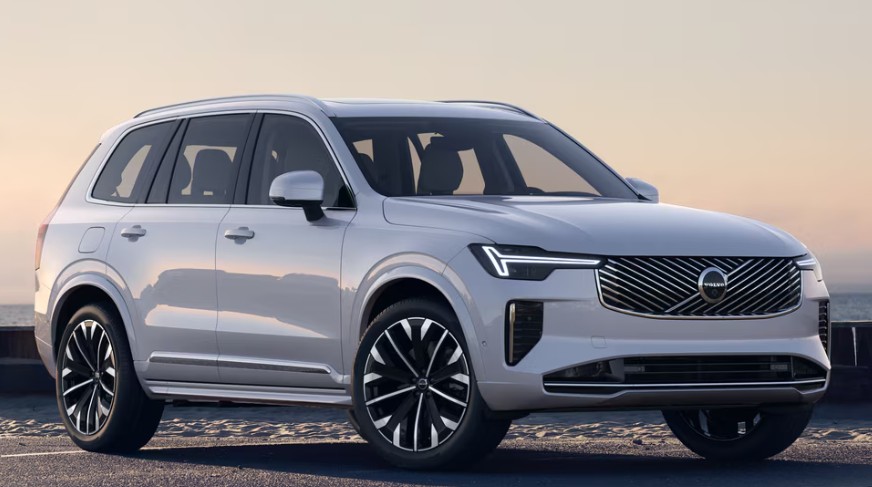
The Volvo XC90 has never been the sort of SUV that needs to shout for attention. While some luxury SUVs arrive covered in oversized grilles, aggressive bodywork, and enough chrome to signal passing aircraft, the XC90 takes a quieter approach. It looks sophisticated, feels carefully considered, and focuses heavily on comfort, safety, practicality, and understated Scandinavian style.
But once we decide that an XC90 might belong on our driveway, another question appears: which Volvo XC90 model should we choose?
That question is more complicated than it initially sounds.
The XC90 has been sold across multiple generations, with different engines, equipment levels, seating configurations, mild-hybrid systems, plug-in hybrids, and trim names depending on the year and market. A badge that made sense five years ago may no longer appear on a new model today.
For the current 2026 U.S. lineup, Volvo organizes the XC90 primarily into Core, Plus, and Ultra equipment levels. Buyers can also choose between a mild-hybrid XC90 and the more powerful XC90 Plug-in Hybrid.
So rather than throwing a confusing pile of model names at the wall, we are going to untangle the XC90 range properly.
Content in this publication
- Understanding the Volvo XC90 Model Range
- Current Volvo XC90 Models at a Glance
- Volvo XC90 Core: Is the Base Model Enough?
- Volvo XC90 Plus: The Sweet Spot of the Range
- Volvo XC90 Ultra: The Luxury-Focused Model
- XC90 Mild Hybrid Models Explained
- XC90 Plug-in Hybrid Models Explained
- Volvo XC90 Seating Models: Six or Seven Seats?
- Volvo XC90 Generations Explained
- First-Generation Volvo XC90
- Second-Generation Volvo XC90
- Old Volvo XC90 Trim Names: Momentum, Inscription, and R-Design
- Which Volvo XC90 Model Is the Most Luxurious?
- Which Volvo XC90 Model Is Best for Families?
- Which XC90 Model Is Best for Long-Distance Driving?
- Which Volvo XC90 Model Is Best Used?
- Volvo XC90 Models by Market
- Core vs Plus vs Ultra: Which XC90 Should We Buy?
- What to Consider Before Choosing an XC90 Model
- Are Higher XC90 Models Worth the Extra Money?
- Why the Volvo XC90 Remains Different
- Conclusion: Finding the Best Volvo XC90 Model
- Frequently Asked Questions About Volvo XC90 Models
Understanding the Volvo XC90 Model Range
Think of the XC90 lineup as a restaurant menu.
The basic ingredients remain similar: three rows of available seating, premium materials, all-wheel-drive availability or standard fitment depending on specification, strong safety technology, and Volvo's restrained design philosophy.
The difference comes from what gets added on top.
Equipment levels determine how luxurious the cabin becomes, which convenience systems we receive, what wheels are fitted, which cameras and parking aids are available, and how elaborate the audio and upholstery become.
Powertrain choices then determine how the XC90 behaves mechanically.
In the current U.S. range, Volvo offers the gasoline XC90 with mild-hybrid technology and a separate T8 AWD plug-in-hybrid version. The 2026 mild-hybrid specifications list AWD and six- or seven-seat configurations.
That means choosing an XC90 is really two decisions rolled into one: which equipment level do we want, and which powertrain suits our life?
Current Volvo XC90 Models at a Glance
For 2026 in the United States, the main equipment levels are straightforward:
- XC90 Core – the entry point, but still generously equipped for a luxury SUV.
- XC90 Plus – the middle model, adding useful convenience and parking technology.
- XC90 Ultra – the luxury-focused version with more sophisticated interior equipment.
- XC90 Plug-in Hybrid Core, Plus, and Ultra – similar equipment hierarchy paired with Volvo's T8 plug-in-hybrid powertrain.
The current U.S. XC90 range starts with the Core, progresses through Plus, and tops out with Ultra. Volvo uses the same basic three-tier structure for the 2026 XC90 Plug-in Hybrid.
Simple enough, right?
Mostly.
Where things become interesting is discovering what each level actually gives us.
Volvo XC90 Core: Is the Base Model Enough?
The word "Core" might make the entry XC90 sound stripped down. In reality, we are still talking about a premium three-row SUV.
The current U.S. XC90 Core includes features such as a panoramic roof, wireless phone charging, and high-level interior illumination. Volvo also equips the latest XC90 with its modern infotainment environment centered around an 11.2-inch center display, while a 12.3-inch driver display provides information directly in front of the driver.
This makes Core interesting because it doesn't feel like the version we buy merely because we couldn't stretch to the next trim.
It can genuinely be the sensible choice.
Who Should Buy an XC90 Core?
We would look closely at Core if our priorities are comfort, space, technology, and the fundamental XC90 experience rather than luxury extras.
For families, that equation makes plenty of sense. Kids are unlikely to complain because the speakers aren't the fanciest available, and the panoramic roof arguably contributes more to everyday cabin atmosphere than an elaborate wheel design ever will.
Core also gives us an important advantage: fewer expensive options that we may never actually use.
Sometimes luxury isn't getting everything.
Sometimes luxury is paying only for what matters.
Volvo XC90 Plus: The Sweet Spot of the Range
For many buyers, the XC90 Plus is likely to be the model that makes the most sense.
Why?
Because it adds equipment that we can appreciate almost every day rather than features that simply look impressive on a specification sheet.
For the current 2026 U.S. model, Plus adds equipment over Core including a 360-degree camera, front/rear/side Park Assist, and 21-inch wheels.
On a large SUV, the 360-degree camera alone can become surprisingly valuable.
We might think we don't need one until we're trying to place a sizable seven-seat SUV between two concrete pillars in an underground parking garage. Suddenly that bird's-eye view feels less like a gimmick and more like a trusted co-pilot.
Why XC90 Plus Makes So Much Sense
Plus represents a comfortable middle ground.
We're not paying for every luxury feature available, but we're moving beyond the fundamentals into equipment that makes a big SUV easier and more pleasant to live with.
This is particularly attractive for people who regularly drive in cities, use tight parking spaces, carry children, or simply want an XC90 that feels noticeably more sophisticated than the entry model.
Is Plus Better Value Than Ultra?
From a purely rational perspective, often yes.
Ultra is unquestionably more luxurious, but Plus already captures much of what makes the XC90 appealing in the first place.
If we value practical technology above premium upholstery and higher-end sound equipment, Plus deserves serious attention.
It is a bit like booking premium economy instead of business class. We still get a considerably nicer experience without paying for every possible indulgence.
Volvo XC90 Ultra: The Luxury-Focused Model
Ultra sits at the upper end of the standard current XC90 trim hierarchy.
This is the model for buyers who don't merely want an XC90. They want the full premium XC90 experience.
The 2026 U.S. XC90 Ultra builds on Plus with features including a Harman Kardon premium sound system, head-up display, and ventilated Nappa leather upholstery.
Those upgrades change the character of the cabin.
The head-up display keeps important driving information within our natural sight line. Ventilated seats can make a considerable difference in hot climates. Better audio matters if our daily commute involves more playlists and podcasts than peaceful country roads.
When Does the XC90 Ultra Make Sense?
Ultra becomes easier to justify when the XC90 is going to serve as our primary vehicle for several years.
Imagine spending two hours a day in the driver's seat.
Premium sound, better upholstery, ventilation, and additional comfort features stop looking frivolous pretty quickly.
On the other hand, someone who drives relatively little may struggle to extract enough value from those extras to justify the additional cost.
That's why the "best" XC90 model is deeply personal.
Luxury depends on how we use it.
XC90 Mild Hybrid Models Explained
The modern XC90 has evolved significantly from the purely gasoline-powered SUVs of earlier years.
Current U.S. mild-hybrid XC90 specifications identify the B5 AWD powertrain, combining gasoline propulsion with mild-hybrid assistance. Volvo lists AWD and an automatic transmission for this configuration.
A mild hybrid shouldn't be confused with a full hybrid or plug-in hybrid.
We don't plug it into the wall.
The electrical system assists the combustion engine and improves the overall operation of the powertrain, but it isn't designed around meaningful electric-only commuting in the way a plug-in model is.
Who Should Choose the Mild-Hybrid XC90?
The mild hybrid is the easier option for buyers who don't want to think about charging.
We get in, fill the fuel tank when necessary, and carry on.
For long-distance drivers, apartment residents without charging access, or families frequently undertaking road trips, that simplicity can be extremely attractive.
There's no need to reorganize our daily routine around electricity.
XC90 Plug-in Hybrid Models Explained
The XC90 Plug-in Hybrid takes a different approach.
For the 2026 U.S. model, Volvo identifies the plug-in-hybrid platform as the T8 AWD Plug-in Hybrid. Like the mild-hybrid lineup, the plug-in version is available across Core, Plus, and Ultra equipment levels.
The idea is compelling.
Use electricity for shorter everyday journeys when conditions allow, while retaining a gasoline engine for longer trips.
It gives us one foot in the EV world without demanding that we completely abandon conventional fuel.
XC90 Plug-in Hybrid vs Mild Hybrid
Choosing between them should revolve around our driving pattern rather than whichever badge sounds more advanced.
If we have reliable home charging and most weekday journeys are relatively short, the plug-in hybrid becomes much more compelling.
You may be interested in reading Alfa Romeo MiTo Models: Complete Guide to Trims, Engines and Versions
If we regularly drive hundreds of miles, live somewhere without easy charging, or simply dislike plugging in vehicles, the mild hybrid may fit our life better.
The wrong powertrain can make a brilliant car irritating.
The right one should disappear into our routine.
Volvo XC90 Seating Models: Six or Seven Seats?
One of the XC90's defining characteristics is its ability to function as a true family SUV.
Current U.S. XC90 mild-hybrid specifications list configurations with six or seven seats, depending on setup.
The seven-seat layout gives us the traditional arrangement with a second-row bench.
That's the obvious choice when maximum passenger capacity matters.
A six-seat version typically changes the second-row experience by using separate seating, creating easier movement through the cabin and a more individual environment for passengers.
Seven Seats for Maximum Flexibility
Seven seats make sense if we regularly transport children, relatives, friends, or teammates.
Even when we rarely use every seat, having the possibility can be invaluable.
Today's school run can become tomorrow's airport trip involving grandparents and luggage.
That flexibility is one reason large SUVs remain so popular.
Six Seats for Comfort and Access
Six-seat configurations sacrifice one passenger position but can make the second and third rows easier to navigate.
Families whose children frequently occupy the third row may appreciate the difference.
Rather than climbing and folding seats like we're solving a mechanical puzzle, passengers can often move around more naturally.
Volvo XC90 Generations Explained
Understanding XC90 models becomes much easier when we separate them by generation.
The XC90 has lived through two major eras, with substantial updates occurring within each.
The first-generation XC90 established the formula: a practical premium SUV with a strong focus on safety and family use.
The second generation transformed that formula into something far more modern, introducing Volvo's contemporary Scandinavian design language, more sophisticated electronics, downsized powertrains, electrification, and increasingly advanced infotainment.
First-Generation Volvo XC90
The original XC90 arrived in the early 2000s and remained in production for an unusually long period.
That longevity tells us something.
Volvo got the fundamental recipe right.
The first-generation model feels more traditional than today's XC90. Its dashboard has more physical controls, its powertrains come from an earlier engineering era, and its design is visibly older.
Yet well-maintained examples continue to appeal to used-car shoppers who value space, comfort, and a solid SUV feel.
Why Buy an Older First-Generation XC90?
Price is the obvious attraction.
An older XC90 can provide substantial space and premium-brand appeal for a fraction of the cost of a new luxury SUV.
However, age matters enormously.
Suspension, cooling systems, electronics, transmissions, turbocharged components, AWD hardware, and interior equipment can all become expensive when neglected.
A cheap luxury SUV can behave like a cheap printer: buying it is the easy part; keeping it running is where the story begins.
Second-Generation Volvo XC90
The second-generation XC90 represented a huge leap forward.
Instead of gently modernizing the original formula, Volvo essentially reinvented its flagship SUV.
The exterior became cleaner and sharper. The cabin embraced minimalist Scandinavian styling. Touchscreen-based controls became central to the user experience. Four-cylinder turbocharged and electrified powertrains took over from the larger engines associated with older XC90s.
This generation also became the foundation for the XC90 we recognize today.
Early Second-Generation XC90 Models
Earlier second-generation examples often carried badges such as T5, T6, and T8.
Those names primarily helped distinguish powertrain configurations.
The T5 generally occupied the lower-output position, while T6 versions delivered more performance. T8 identified the plug-in-hybrid end of the range.
When shopping used, these badges matter because two XC90s that look virtually identical can have substantially different mechanical layouts and performance characteristics.
Later XC90 Models and the Shift to B-Series Names
As Volvo expanded electrification, names such as B5 and B6 became increasingly prominent for mild-hybrid models in various markets.
This created yet another layer for second-hand buyers to decode.
The important lesson is simple: never judge an XC90 purely by trim name.
Look at the model year, engine designation, drivetrain, equipment specification, and market where the vehicle was originally sold.
Old Volvo XC90 Trim Names: Momentum, Inscription, and R-Design
Used XC90 listings often feature trim names that no longer match the latest Core-Plus-Ultra structure.
Three names commonly associated with earlier second-generation XC90s are Momentum, Inscription, and R-Design.
XC90 Momentum
Momentum traditionally served as a more accessible entry into XC90 ownership.
It offered the core design, safety, comfort, and practicality of the XC90 without necessarily including the most luxurious cabin treatments.
In today's terminology, we can loosely think of its market position as resembling the role occupied by Core, although equipment varies too much by year and country for a direct one-to-one comparison.
XC90 Inscription
Inscription leaned toward traditional luxury.
Think sophisticated upholstery, elegant detailing, and an emphasis on refinement rather than aggression.
For used buyers who want an XC90 primarily because of its serene, upscale personality, a well-specified Inscription can still be especially appealing.
XC90 R-Design
R-Design went in another direction.
It targeted buyers who liked the XC90 concept but wanted sportier styling and a more assertive personality.
That usually meant distinctive exterior treatments, wheels, seats, trim elements, and visual details.
Don't confuse sporty appearance with sports-car behavior, though.
The XC90 remains a large family SUV. Dressing a living room in running shoes doesn't turn it into an Olympic sprinter.
Which Volvo XC90 Model Is the Most Luxurious?
Among the current mainstream U.S. XC90 equipment levels, Ultra occupies the top position above Core and Plus. Its premium audio, head-up display, and ventilated Nappa leather reinforce its luxury-first role.
But specification deserves more attention than the badge alone.
Options, packages, model-year changes, and market differences mean one highly equipped older XC90 may contain features missing from a newer but lower-trim example.
When shopping used, compare individual vehicles.
The badge opens the conversation; the equipment list finishes it.
Which Volvo XC90 Model Is Best for Families?
For most families, we'd start with the XC90 Plus or an equivalent mid-range model from the relevant model year.
Why not automatically choose Ultra?
Because families usually benefit more from practical features than decorative luxury.
Parking cameras, driver-assistance systems, flexible seating, climate control, useful storage, comfortable seats, and sensible wheel sizes tend to matter more after three years of ownership than impressive showroom details.
The latest XC90 also continues to emphasize its premium family-SUV mission, and Volvo describes the interior around comfort, upscale materials, atmospheric lighting, and customizable climate functions.
The Best XC90 Isn't Necessarily the Most Expensive
This point deserves repeating.
We shouldn't shop by hierarchy alone.
An XC90 Core with the right seating arrangement and powertrain can be a better family vehicle than an Ultra configured in a way that doesn't suit our routine.
You may be interested in readingAlfa Romeo MiTo Models: Complete Guide to Trims, Engines and VersionsYou may be interested in reading
 What Year Nissan Frontier Is Best? The Smart Buyer’s Guide
The smartest purchase is the one whose equipment solves actual problems.
Which XC90 Model Is Best for Long-Distance Driving?
Long highway journeys shift our priorities.
Seat comfort becomes crucial. Cabin refinement matters. Driver-assistance features become more valuable. A comfortable suspension can matter more than oversized wheels.
For drivers covering substantial distances without regular charging opportunities, a mild-hybrid XC90 may also be easier to live with than a plug-in hybrid.
Conversely, someone commuting electrically during the week but occasionally making long road trips could find the T8 plug-in hybrid almost tailor-made for that mixed routine.
There is no universal answer.
Usage determines the winner.
Which Volvo XC90 Model Is Best Used?
Used XC90 shopping is where things become really interesting.
Our preferred strategy is to buy condition and history before trim level.
A meticulously maintained mid-range XC90 with comprehensive service records is usually more appealing than a neglected flagship version wearing larger wheels and prettier leather.
Luxury features don't compensate for poor maintenance.
Before buying, we should investigate the service history, warning lights, infotainment operation, charging system on plug-in hybrids, suspension behavior, tire wear, braking performance, climate-control functions, recalls or campaigns relevant to the vehicle, and evidence of accident repairs.
Why Model Year Matters More Than Many Buyers Realize
Manufacturers continuously revise vehicles during a generation.
Software changes.
Infotainment improves.
Powertrains evolve.
Standard equipment moves between trims.
Minor mechanical updates occur.
As a result, saying "the XC90 Plus has feature X" without mentioning the year can sometimes be misleading.
Always compare specifications for the exact vehicle we're considering.
Volvo XC90 Models by Market
One of the easiest ways to become confused while researching the XC90 online is to mix specifications from different countries.
Volvo does not necessarily sell identical equipment structures everywhere.
For example, while the current U.S. range prominently uses Core, Plus, and Ultra, Volvo's UK material can show additional designations such as Plus Pro and Ultra Pro depending on model and model year.
That explains why two perfectly legitimate Volvo websites can appear to contradict each other.
They may simply be describing different markets.
Always verify the local configurator or specification sheet before making a purchase decision.
Core vs Plus vs Ultra: Which XC90 Should We Buy?
If we want the simplest answer, here's how we'd approach it.
Choose Core when value matters and we mainly want the fundamental XC90 qualities: comfort, premium design, useful technology, family space, and safety-focused engineering.
Choose Plus when we want the best balance. Its additional parking and convenience technology makes everyday ownership easier without automatically pushing us toward the highest price tier.
Choose Ultra when cabin luxury matters strongly and we're willing to spend more for features such as premium sound, a head-up display, ventilated Nappa leather, and the richer overall specification.
Choose the Plug-in Hybrid version when we can charge regularly and our driving pattern allows us to make meaningful use of electrification.
That's really the heart of it.
What to Consider Before Choosing an XC90 Model
Before signing anything, we'd ask ourselves five practical questions.
How many people do we genuinely carry?
Can we conveniently charge a plug-in hybrid?
Do we regularly park in tight spaces?
How much do premium upholstery and high-end audio actually matter to us?
And finally, are we buying features because we'll use them—or because they looked impressive during a 20-minute dealership visit?
That last question can save thousands.
Luxury SUVs are brilliant at making optional equipment feel essential.
A week later, some of those buttons may never be touched again.
Are Higher XC90 Models Worth the Extra Money?
Sometimes.
The key is distinguishing functional luxury from cosmetic luxury.
A 360-degree camera on a large SUV is functional.
Ventilated seats in a hot climate can be functional.
A head-up display can make long-distance driving more relaxing.
Premium audio may be worthwhile if music is genuinely important to us.
But a larger wheel purely because it looks better?
That's personal. Larger wheels can alter ride comfort and typically mean more expensive tires, so appearances should be weighed against everyday running costs.
Spend where the upgrade improves our life.
Why the Volvo XC90 Remains Different
The XC90 occupies an unusual corner of the premium SUV world.
It doesn't try particularly hard to look intimidating.
Its identity revolves around calmness.
The interior is generally cleaner and less theatrical than many rivals. The exterior is elegant without being anonymous. Family practicality hasn't been treated as an embarrassing compromise.
That's perhaps the model's greatest strength.
The XC90 feels like a luxury SUV designed by people who actually expect owners to use the third row, carry groceries, transport children, drive through winter, and occasionally spill coffee somewhere inconvenient.
It's premium without pretending family life doesn't exist.
Conclusion: Finding the Best Volvo XC90 Model
Choosing between Volvo XC90 models becomes much easier once we stop asking which version is "best" and start asking which version fits our lifestyle.
For today's range, Core provides the essential XC90 experience. Plus adds useful convenience features and arguably sits in the sweet spot. Ultra delivers the richer luxury experience. Meanwhile, the T8 plug-in hybrid gives buyers who can charge regularly an electrified alternative to the mild-hybrid XC90.
Used shoppers have even more choices, including earlier Momentum, Inscription, R-Design, T5, T6, T8, B5, and other market-dependent combinations.
That sounds complicated, but the formula for choosing well isn't.
Match the powertrain to our journeys. Match the seating to our family. Match the equipment to features we'll actually use. Then find the best-maintained example our budget allows.
Do that, and the XC90's complicated model range suddenly feels much less mysterious.
Frequently Asked Questions About Volvo XC90 Models
1. What are the current Volvo XC90 models?
For the 2026 U.S. market, the primary XC90 equipment levels are Core, Plus, and Ultra. Volvo also offers the XC90 Plug-in Hybrid using the same general trim hierarchy. Exact names and specifications can differ between countries.
2. Which Volvo XC90 model is the best?
For many buyers, the mid-range XC90 Plus offers the strongest balance of equipment and value. Buyers prioritizing affordability can choose Core, while those wanting maximum luxury should consider Ultra.
3. What is the difference between Volvo XC90 Core, Plus, and Ultra?
Core provides the main XC90 equipment package. Plus adds features such as the 360-degree camera and enhanced Park Assist on the current U.S. model. Ultra adds premium equipment including Harman Kardon audio, a head-up display, and ventilated Nappa leather.
4. Is the Volvo XC90 available as a hybrid?
Yes. The current XC90 is offered with mild-hybrid technology, while the XC90 Plug-in Hybrid uses Volvo's T8 AWD plug-in-hybrid powertrain in the U.S. market.
You may be interested in readingAlfa Romeo MiTo Models: Complete Guide to Trims, Engines and VersionsYou may be interested in reading
What Year Nissan Frontier Is Best? The Smart Buyer’s GuideYou may be interested in reading
 Toyota Estima vs Vellfire: Which Toyota MPV Is Better?
5. What do Momentum, Inscription, and R-Design mean on an XC90?
These are trim names found on earlier XC90 model years. Momentum generally represented the more accessible specification, Inscription emphasized traditional luxury, and R-Design offered sportier styling. Equipment differs substantially by model year and market, so individual vehicle specifications should always be checked.
If you want to know other articles similar to Volvo XC90 Models: Complete Guide to Trims, Engines, and Generations you can visit the category Models.
Volkswagen T-Cross vs Volkswagen T-Roc: Which Is Better?
Hyundai Tucson Weight: Complete Guide to Curb, Gross, and Payload Specs

Honda Passport vs Toyota 4Runner: Which SUV Is Better?
Honda Passport vs Ford Bronco: Which SUV Is Better?
Honda Passport vs Ford Explorer: Which SUV Is Better?
Honda Passport or Pilot: Which SUV Is Better?
Leave a Reply
More content of your interest