

Oil for Honda Accord: The Complete Guide to Choosing the Right Engine Oil

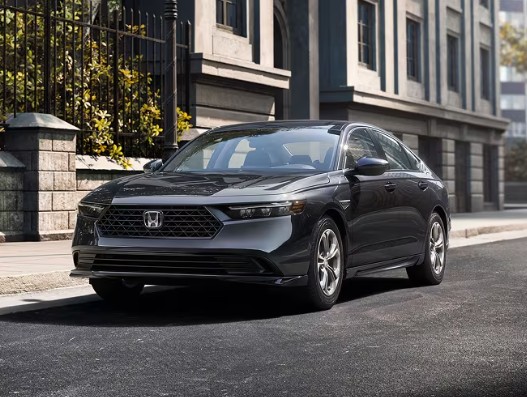
When it comes to keeping a Honda Accord running smoothly, few maintenance tasks matter more than choosing the right engine oil. Think of oil as the lifeblood of your Accord. Just as our bodies depend on healthy blood circulation, your engine relies on clean, high-quality oil to lubricate moving parts, reduce friction, control temperature, and prevent premature wear.
Yet many Honda Accord owners still ask the same questions: Which oil should I use? Is synthetic oil necessary? Does oil viscosity really matter? How often should I change it?
In this comprehensive guide, we'll explore everything you need to know about oil for Honda Accord models, from older generations to the newest versions. Whether you drive a daily commuter or a high-mileage Accord that's seen thousands of road trips, this guide will help you make the right choice.
Content in this publication
- Why Engine Oil Matters for Your Honda Accord
- Understanding Honda Accord Oil Requirements
- Recommended Oil for Different Honda Accord Generations
- Synthetic vs Conventional Oil for Honda Accord
- Best Oil Brands for Honda Accord
- How Much Oil Does a Honda Accord Need?
- How Often Should You Change Honda Accord Oil?
- Signs Your Honda Accord Needs an Oil Change
- Can You Use 5W-30 Instead of 0W-20?
- Oil for High-Mileage Honda Accord Models
- Oil Filters Matter Too
- Common Oil Mistakes Honda Accord Owners Make
- Seasonal Oil Considerations
- How Oil Affects Fuel Economy
- DIY Honda Accord Oil Change Guide
- The Long-Term Impact of Using the Right Oil
- Conclusion
- Frequently Asked Questions
Why Engine Oil Matters for Your Honda Accord
Engine oil performs several critical functions inside your Accord's engine:
- Lubricates internal components
- Reduces friction and wear
- Helps cool engine parts
- Prevents sludge buildup
- Protects against corrosion
- Improves fuel efficiency
- Extends engine lifespan
Without proper lubrication, metal components would grind against each other like sandpaper, causing catastrophic damage in a surprisingly short period.
Honda engines are renowned for reliability, but even the most dependable powerplant needs the right oil to achieve its full potential.
Understanding Honda Accord Oil Requirements
Honda engineers design engines with specific tolerances. These tolerances determine the ideal oil viscosity and formulation.
Using the wrong oil is like wearing shoes two sizes too big. It might work temporarily, but performance and efficiency suffer.
Most modern Honda Accord models recommend:
- SAE 0W-20 Full Synthetic Oil
- API-certified oil
- Manufacturer-approved formulations
However, oil recommendations can vary depending on the generation and engine type.
What Does Oil Viscosity Mean?
Viscosity refers to how thick or thin an oil is under different temperatures.
For example:
- 0W-20
- 5W-20
- 5W-30
The first number represents cold-weather performance.
The second number indicates oil thickness at operating temperature.
Lower numbers generally flow more easily during cold starts, which is especially important because most engine wear occurs during startup.
Why Honda Prefers 0W-20 Oil
Honda adopted 0W-20 oil across many Accord models because it offers:
- Faster cold-weather lubrication
- Better fuel economy
- Reduced internal resistance
- Enhanced engine protection
- Lower emissions
Modern Accord engines are engineered around this thinner oil specification.
Recommended Oil for Different Honda Accord Generations
Not every Accord generation uses identical oil specifications.
Honda Accord 2023-Present
Recommended oil:
- SAE 0W-20 Full Synthetic
Common engines:
- 1.5L Turbo
- Hybrid powertrains
Honda strongly recommends synthetic oil for these modern engines.
Honda Accord 2018-2022
Recommended oil:
- SAE 0W-20 Full Synthetic
Benefits include:
- Improved turbocharger protection
- Better fuel economy
- Enhanced engine cleanliness
Honda Accord 2013-2017
Recommended oil:
- SAE 0W-20 Synthetic
Some owners also use:
- 5W-20 in certain climates
However, 0W-20 remains the preferred option.
Honda Accord 2008-2012
Recommended oil:
- SAE 5W-20
Many owners have successfully upgraded to synthetic 0W-20 or synthetic 5W-20 for additional protection.
Honda Accord 2003-2007
Recommended oil:
- SAE 5W-20
Popular engines include:
- 2.4L K24
- 3.0L V6
These engines often benefit from high-quality synthetic blends.
Honda Accord 1998-2002
Recommended oil:
- SAE 5W-30
- SAE 10W-30 (in warmer climates)
Always consult your owner's manual for confirmation.
Synthetic vs Conventional Oil for Honda Accord
One of the biggest debates among Accord owners involves synthetic versus conventional oil.
Benefits of Synthetic Oil
Synthetic oil offers:
- Better temperature stability
- Superior wear protection
- Longer service intervals
- Reduced sludge formation
- Enhanced fuel economy
- Improved cold-weather performance
It's essentially the premium fuel of the lubrication world.
Benefits of Conventional Oil
Conventional oil may:
- Cost less initially
- Work adequately in older engines
- Be easier to find in some locations
However, modern Accords benefit significantly from synthetic formulations.
Which One Should You Choose?
For most Honda Accord owners, full synthetic oil is the clear winner.
The slightly higher cost is often offset by:
- Longer oil change intervals
- Better engine protection
- Improved fuel efficiency
Best Oil Brands for Honda Accord
The market offers countless oil brands, but some consistently stand out.
Honda Genuine Motor Oil
Honda's factory-approved oil is specifically formulated for Honda engines.
Advantages:
- Manufacturer-approved
- Excellent compatibility
- Reliable performance
Mobil 1 Advanced Fuel Economy
Popular among Accord enthusiasts because of:
- Outstanding wear protection
- Excellent synthetic formulation
- Strong reputation
Castrol EDGE
Known for:
- Titanium-enhanced technology
- High-temperature stability
- Superior engine cleanliness
Valvoline Advanced Full Synthetic
Benefits include:
- Great value
- Strong anti-wear additives
- Excellent protection
Pennzoil Platinum
Produced from natural gas technology, offering:
- Cleaner engine operation
- Reduced deposits
- Excellent cold-start performance
How Much Oil Does a Honda Accord Need?
Oil capacity depends on engine size.
Approximate Oil Capacities
| Engine | Oil Capacity |
|---|---|
| 1.5L Turbo | 3.7-4.0 quarts |
| 2.0L Turbo | 5.0 quarts |
| 2.4L 4-Cylinder | 4.4 quarts |
| 3.5L V6 | 4.5-5.0 quarts |
| Hybrid Models | Varies by generation |
Always verify the exact capacity for your model year.
Why Overfilling Is Dangerous
Too much oil can cause:
- Foaming
- Reduced lubrication
- Increased oil pressure
- Seal damage
- Catalytic converter issues
More oil isn't better. Correct oil levels are what matter.
How Often Should You Change Honda Accord Oil?
Oil change intervals have evolved significantly.
Traditional Recommendation
Older guidance suggested:
- Every 3,000 miles
While once necessary, this interval is often excessive for modern synthetic oils.
Modern Honda Recommendation
Many Honda Accord models can safely go:
- 7,500 to 10,000 miles
Depending on:
- Driving habits
- Climate
- Engine condition
- Maintenance Minder system
The Honda Maintenance Minder System
Most modern Accords include a Maintenance Minder.
This intelligent system monitors:
- Engine load
- Driving conditions
- Temperature
- Mileage
Rather than guessing, it calculates when service is actually required.
Signs Your Honda Accord Needs an Oil Change
Your Accord may tell you it's time for fresh oil.
Watch for:
- Oil life warning message
- Dark, dirty oil
- Increased engine noise
- Reduced fuel economy
- Rough engine operation
- Burning oil smell
- Check engine light
Ignoring these symptoms can shorten engine life dramatically.
Visual Oil Inspection Tips
Check your oil monthly.
Here's how:
- Park on level ground.
- Turn off the engine.
- Wait several minutes.
- Remove the dipstick.
- Wipe it clean.
- Reinsert and remove again.
- Check oil level and color.
Healthy oil should appear relatively clean and amber-colored.
Can You Use 5W-30 Instead of 0W-20?
This question appears frequently among Honda Accord owners.
The short answer:
Yes, in some situations.
However, it's not ideal for long-term use if Honda specifically recommends 0W-20.
Potential Downsides
Using thicker oil may:
- Reduce fuel economy
- Increase engine resistance
- Affect cold-start performance
In emergency situations, 5W-30 can often be used temporarily, but returning to the recommended viscosity is advisable.
Oil for High-Mileage Honda Accord Models
Many Accords easily exceed 200,000 miles.
When mileage climbs, oil needs may change.
Benefits of High-Mileage Oil
Specialized high-mileage oils contain:
- Seal conditioners
- Enhanced detergents
- Additional anti-wear additives
These formulations help older engines stay healthy longer.
When to Switch to High-Mileage Oil
Consider high-mileage oil when:
- Your Accord exceeds 75,000 miles
- Minor oil leaks develop
- Oil consumption increases
It's a proactive approach to preserving engine health.
Oil Filters Matter Too
Choosing premium oil while installing a poor-quality filter is like buying expensive coffee and brewing it through a dirty sock.
A quality oil filter:
- Removes contaminants
- Maintains oil pressure
- Protects engine components
- Improves overall efficiency
Popular choices include:
- Honda OEM filters
- Mobil 1 filters
- Bosch Premium filters
- Fram Ultra filters
Common Oil Mistakes Honda Accord Owners Make
Even experienced owners occasionally make mistakes.
Using the Wrong Viscosity
Always verify manufacturer recommendations.
Skipping Oil Changes
Fresh oil costs far less than engine repairs.
Ignoring Oil Consumption
Some engines naturally consume oil over time.
Monitor levels regularly.
Buying Low-Quality Oil
Not all oils are created equal.
Premium formulations typically provide superior protection.
Seasonal Oil Considerations
Climate influences oil performance.
Cold Weather Driving
Benefits of 0W-20 include:
- Faster lubrication
- Easier starts
- Reduced wear
Hot Weather Driving
Quality synthetic oils maintain viscosity under extreme heat.
This helps protect engines during:
- Summer road trips
- Stop-and-go traffic
- Towing situations
How Oil Affects Fuel Economy
Oil doesn't just protect your engine.
It influences fuel efficiency too.
Modern low-viscosity oils reduce internal friction, allowing the engine to operate more efficiently.
The result?
Small fuel economy improvements that add up over thousands of miles.
Think of it as running a marathon in lightweight athletic shoes instead of heavy boots.
DIY Honda Accord Oil Change Guide
Changing your own oil can save money and provide peace of mind.
Tools You'll Need
- Correct engine oil
- Oil filter
- Drain pan
- Funnel
- Socket wrench
- Gloves
Basic Steps
- Warm the engine slightly.
- Lift the vehicle safely.
- Remove the drain plug.
- Drain old oil.
- Replace oil filter.
- Install drain plug.
- Add fresh oil.
- Check oil level.
- Reset maintenance reminder.
Always dispose of used oil responsibly.
The Long-Term Impact of Using the Right Oil
What happens when we consistently use the proper oil?
The rewards can be substantial:
- Longer engine life
- Better fuel economy
- Reduced repair costs
- Improved reliability
- Higher resale value
Honda Accords are famous for lasting hundreds of thousands of miles. Proper lubrication plays a major role in achieving that longevity.
Conclusion
Choosing the right oil for a Honda Accord isn't complicated once we understand the basics. Most modern Accord models perform best with SAE 0W-20 full synthetic oil, while older generations may require 5W-20 or 5W-30 depending on the model year.
The key is following Honda's recommendations, changing oil at appropriate intervals, using quality filters, and monitoring oil levels regularly. Engine oil may seem simple, but it acts as a protective shield that keeps every moving component working together in harmony.
Investing in the right oil today can help your Honda Accord deliver years—or even decades—of dependable performance. After all, a well-lubricated engine is like a well-rehearsed orchestra: every part works together smoothly, efficiently, and beautifully.
Frequently Asked Questions
What oil does a Honda Accord use?
Most modern Honda Accord models use SAE 0W-20 full synthetic oil. Older models may require 5W-20 or 5W-30 depending on the year and engine.
Can I use synthetic oil in an older Honda Accord?
Yes. Synthetic oil can often provide better protection, cleaner operation, and improved performance in older Accord engines.
How often should I change the oil in my Honda Accord?
Most modern Accords using synthetic oil require changes every 7,500 to 10,000 miles, or according to the Maintenance Minder system.
What happens if I use the wrong oil viscosity?
Using the wrong viscosity can reduce fuel economy, affect lubrication performance, and potentially increase engine wear over time.
Is high-mileage oil good for a Honda Accord?
Yes. High-mileage oil can help reduce leaks, protect seals, and improve engine protection in Accords with over 75,000 miles.
If you want to know other articles similar to Oil for Honda Accord: The Complete Guide to Choosing the Right Engine Oil you can visit the category Service and Parts.
Volvo S90 Engine Oil: Type, Capacity & Change Guide
Volvo S90 Boot Space: Size, Capacity and Practicality
SEO Title: Volvo S90 Oil Capacity: Complete Guide by Engine

Kia Sorento Oil Type: Complete Guide by Year & Engine
Kia Sorento Engine Capacity: Complete Guide by Year

Peugeot 308 Clutch Replacement Cost: Complete UK Guide for 2026
Leave a Reply
More content of your interest