

Renault Koleos Troubleshooting Guide: Common Problems and Fixes

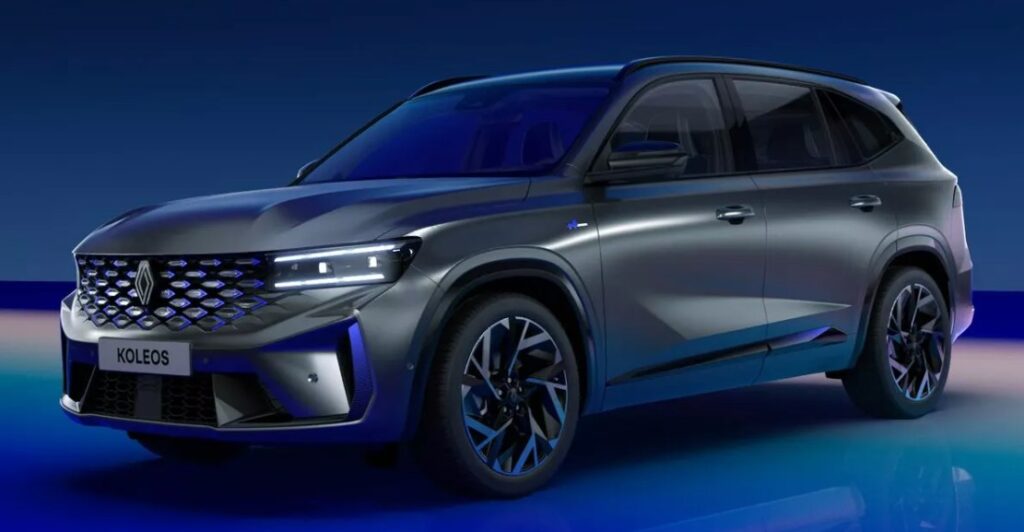
The Renault Koleos is a comfortable and practical SUV, but like any vehicle, it can develop mechanical, electrical, and electronic problems over time. Whether we're dealing with an engine that refuses to start, a dashboard warning light, a malfunctioning transmission, or an unresponsive infotainment screen, identifying the cause is the first step toward a reliable repair.
In this comprehensive Renault Koleos troubleshooting guide, we'll explore common symptoms, possible causes, diagnostic procedures, and practical solutions.
Our goal is to help owners understand what might be wrong, determine which problems can be checked at home, and recognise when professional assistance is necessary.
This guide covers older and newer Renault Koleos models, including petrol and diesel variants, manual and automatic transmissions, and vehicles equipped with continuously variable transmissions (CVTs).
Because specifications differ between generations and markets, we should always check the owner's manual for our particular model before carrying out repairs.
Content in this publication
- 1. Renault Koleos Common Problems at a Glance
- 2. How to Troubleshoot a Renault Koleos
- 3. Renault Koleos Not Starting
- 4. Renault Koleos Key Card Not Detected
- 5. Renault Koleos Engine Losing Power
- 6. Renault Koleos Jerking During Acceleration
- 7. Renault Koleos Check Engine Light
- 8. Renault Koleos Warning Lights and Messages
- 9. Renault Koleos CVT Transmission Problems
- 10. Renault Koleos Automatic Gearbox Not Engaging
- 11. Renault Koleos Diesel Engine Problems
- 12. Renault Koleos Engine Overheating
- 13. Renault Koleos Battery and Charging Problems
- 14. Renault Koleos Stop & Start Not Working
- 15. Renault Koleos Electrical Problems
- 16. Renault Koleos R-LINK 2 Screen Problems
- 17. Renault Koleos Bluetooth Not Connecting
- 18. Renault Koleos Air Conditioning Not Cooling
- 19. Renault Koleos Heater Not Working
- 20. Renault Koleos Tyre Pressure Warning
- 21. Renault Koleos Steering and Suspension Problems
- 22. Renault Koleos Brake Problems
- 23. Renault Koleos Electronic Parking Brake Problems
- 24. Renault Koleos 4WD System Problems
- 25. Renault Koleos Poor Fuel Economy
- 26. Renault Koleos Strange Noises
- 27. How to Diagnose Renault Koleos Fault Codes
- 28. Preventing Renault Koleos Problems
- 29. When Should We Visit a Renault Mechanic?
- 30. Is the Renault Koleos Expensive to Repair?
- Frequently Asked Questions
- Conclusion
1. Renault Koleos Common Problems at a Glance
Before examining individual systems, let's look at the symptoms owners may encounter.
| Problem | Possible Cause | Recommended Action |
|---|---|---|
| Engine won't start | Weak battery, key card, starter circuit | Check battery and starting conditions |
| Engine loses power | Sensor fault, ignition issue, fuel delivery | Scan engine fault codes |
| Check engine light | Engine or emissions system fault | Diagnose with an OBD scanner |
| CVT jerking or shuddering | Transmission fault, fluid problem | Arrange transmission diagnosis |
| Gearbox overheating warning | Excessive transmission temperature | Stop safely and follow the warning instructions |
| R-LINK screen frozen | Software or system fault | Restart multimedia system |
| Stop & Start unavailable | Battery charge or operating conditions | Check operating conditions and battery |
| Air conditioning not cooling | Refrigerant, compressor, electrical fault | Inspect system professionally |
| Tyre pressure warning | Low pressure or sensor issue | Check tyres and reset monitoring system |
| Electrical equipment not working | Fuse, wiring, battery problem | Check the relevant circuit |
| Steering vibration | Tyres, wheel balance, suspension | Inspect wheels and steering components |
| Diesel warning message | DPF, emissions or fuel system issue | Diagnose the relevant system |
These are possible explanations rather than confirmed diagnoses. Several different faults can produce similar symptoms.
2. How to Troubleshoot a Renault Koleos
A systematic approach can save time and prevent unnecessary repairs.
Instead of replacing components immediately, we should identify the symptoms and establish when the problem occurs.
Step 1: Identify the Symptoms
Start by asking a few simple questions:
- Does the problem occur when starting the engine?
- Does it appear only when the engine is warm?
- Is the issue noticeable during acceleration?
- Does it happen while braking or turning?
- Is a warning message displayed?
- Does the problem disappear after restarting the vehicle?
- Did the issue begin after maintenance or a battery replacement?
These observations can help narrow down the possible causes.
Step 2: Check the Dashboard
The Renault Koleos uses dashboard indicators and warning messages to communicate faults.
We should note the exact wording of any message rather than assuming two similarly named alerts mean the same thing.
Some messages indicate maintenance or a fault requiring attention, while others demand an immediate stop.
Step 3: Inspect Basic Vehicle Conditions
Before conducting advanced diagnostics, check:
- Battery condition and visible terminal corrosion.
- Engine oil level.
- Coolant level when the engine is cold.
- Tyre condition and pressure.
- Visible fluid leaks.
- Loose electrical connectors that can be inspected safely.
- Recent maintenance history.
Never open a hot cooling system or work near moving engine components.
Step 4: Read Diagnostic Trouble Codes
An OBD-II scanner can provide valuable information about engine and emissions-related faults.
However, a basic scanner may not access every Renault-specific system. Transmission, ABS, airbag, and body-control faults may require a more capable diagnostic tool.
We should record the stored codes and freeze-frame information before clearing anything.
3. Renault Koleos Not Starting
Starting problems are among the most frustrating issues because they can leave us stranded without warning.
Fortunately, the symptoms often provide useful clues.
The Engine Does Not Crank
If we press the start button or turn the key and nothing happens, possible causes include:
- Discharged 12-volt battery.
- Poor battery connections.
- Faulty starter motor.
- Starter relay or electrical circuit failure.
- Brake or clutch pedal switch issue.
- Key card recognition problem.
- Incorrect starting procedure.
What to do:
- Check whether the dashboard lights illuminate normally.
- Make sure the transmission is in Park or Neutral, as applicable.
- Press the brake or clutch pedal fully.
- Inspect the battery connections if accessible.
- Test the battery using suitable equipment.
- Try the backup key-card starting procedure described in the owner's manual.
If a jump-start is required, follow the correct Renault procedure and connection points.
A vehicle that repeatedly needs jump-starting may have a failing battery, charging-system problem, or abnormal electrical drain.
The Engine Cranks but Won't Start
When the starter turns the engine but combustion does not begin, we need to investigate different systems.
Possible causes include:
- Fuel delivery problems.
- Crankshaft position sensor fault.
- Ignition system malfunction.
- Engine management fault.
- Fuel contamination.
- Immobiliser or electronic control issue.
On petrol models, ignition coils and spark plugs may also contribute to starting problems.
On diesel models, fuel pressure, glow-plug operation, and injection-system faults may require investigation.
Repeatedly cranking the engine can drain the battery and make diagnosis more difficult.
If the vehicle consistently fails to start, a professional scan and electrical or fuel-system testing are preferable to replacing parts at random.
4. Renault Koleos Key Card Not Detected
Some Renault Koleos models use a hands-free key card instead of a conventional ignition key.
When the vehicle displays a key detection warning, the problem may be relatively simple.
Possible Causes
A weak key-card battery is one possibility. Other causes include interference from nearby electronic devices, a discharged vehicle battery, or a fault in the card recognition system.
How to Fix It
First, try the spare key card if available.
If the spare works, the original card may need a battery replacement or further inspection.
Next, follow the emergency card-detection procedure for the exact Koleos model.
Some versions allow the card to be placed in a designated detection area near the start control.
We should avoid repeatedly attempting to start the vehicle without checking the instructions, especially when an immobiliser warning is displayed.
5. Renault Koleos Engine Losing Power
A noticeable reduction in engine power can be caused by several mechanical or electronic problems.
Possible symptoms include:
- Sluggish acceleration.
- Poor throttle response.
- Engine hesitation.
- Limited engine speed.
- Increased fuel consumption.
- An illuminated engine warning light.
Common Possible Causes
Engine management faults may involve airflow measurements, fuel pressure, ignition performance, turbocharger control on applicable engines, or emissions-system components.
Some faults cause the engine control system to restrict performance to protect the vehicle.
What We Should Check
Begin with basic maintenance items such as the air filter and service history.
Next, use a suitable diagnostic scanner to identify stored faults.
If the vehicle is misfiring severely, overheating, producing abnormal smoke, or displaying a serious stop warning, do not continue driving.
A loss of power by itself does not establish which component has failed.
6. Renault Koleos Jerking During Acceleration
Jerking or hesitation during acceleration can feel like a transmission problem, but it may also originate in the engine.
On petrol models, worn spark plugs, faulty ignition coils, incorrect air-fuel measurements, or fuel delivery issues may produce hesitation.
On diesel models, problems involving fuel injection, boost control, or exhaust-gas recirculation can produce similar symptoms.
Some vehicles equipped with automatic or CVT transmissions may experience shuddering, delayed response, or abnormal changes in power delivery.
These symptoms require careful diagnosis because normal CVT operation can feel different from a conventional stepped automatic transmission.
We should record whether the jerking happens at constant speed, during acceleration, when pulling away, or only after the vehicle warms up.
This information helps distinguish engine performance problems from transmission faults.
7. Renault Koleos Check Engine Light
The check engine light indicates that the engine management or emissions system has detected an issue.
It does not automatically mean the engine needs a major repair.
Possible triggers include:
- Ignition misfires.
- Oxygen sensor problems.
- Airflow sensor faults.
- Fuel-system issues.
- Exhaust emissions faults.
- Catalytic converter efficiency problems.
- Other engine management malfunctions.
What to Do When the Light Appears
If the warning remains steady and the vehicle otherwise operates normally, arrange a diagnostic inspection promptly.
If it flashes, or the engine shakes, loses significant power, or behaves abnormally, stop safely and seek assistance rather than continuing to drive.
A flashing engine warning can indicate a misfire capable of damaging emissions components.
Common OBD-II Fault Codes
Here are examples of generic codes that may help explain a diagnosis.
| Code | General Meaning | Possible Area to Inspect |
|---|---|---|
| P0300 | Random or multiple-cylinder misfire | Ignition or fuel system |
| P0301 | Cylinder 1 misfire | Spark plug, coil, injector, compression |
| P0101 | Mass airflow sensor range/performance | Intake and airflow measurement |
| P0420 | Catalyst efficiency below threshold | Exhaust or emissions system |
| P0700 | Transmission control system malfunction request | Transmission control diagnostics |
These are generic code definitions, not a list of faults specific to every Koleos engine. Actual support and interpretation depend on the vehicle.
8. Renault Koleos Warning Lights and Messages
The Renault Koleos can display a variety of fault messages depending on its model year and equipment.
The most important distinction is between a warning that permits cautious travel to a repairer and one that requires immediate attention.
| Warning Message | What It May Indicate | Action |
|---|---|---|
| Engine failure hazard | Serious engine, injection or overheating problem | Stop safely, switch off engine and seek assistance |
| Electric failure DANGER | Serious charging-system fault | Stop safely and seek assistance |
| Braking system fault | Brake system malfunction | Stop safely and do not continue driving |
| Check injection | Engine or injection management fault | Diagnose promptly; follow any associated STOP warning |
| Check anti-pollution system | Emissions-system malfunction | Arrange diagnosis |
| Check ESC | Stability-control problem | Have system inspected |
| Check auto gearbox | Transmission fault | Arrange prompt professional inspection |
| Check airbag | Restraint-system malfunction | Seek professional diagnosis |
| Check Stop & Start | Stop-start system malfunction | Inspect battery and relevant system |
The wording and available messages vary by generation.
What Does the Red STOP Warning Mean?
The red STOP warning is one of the most important indicators.
If it illuminates with a serious fault message, we must stop as soon as traffic conditions safely permit, switch off the engine, and follow the vehicle's instructions.
Do not restart the engine when Renault specifically instructs against doing so.
Potentially serious causes include overheating, engine failure, braking problems, and electrical charging faults.
Ignoring these warnings may increase mechanical damage or compromise safety.
9. Renault Koleos CVT Transmission Problems
Certain Renault Koleos models use an X-Tronic continuously variable transmission.
Unlike a conventional automatic gearbox, a CVT varies its transmission ratio continuously rather than shifting through a fixed set of gears.
This can produce a different engine-speed response during acceleration.
However, excessive shuddering, unusual noises, or persistent transmission warnings should never be dismissed as normal.
Symptoms of Possible CVT Problems
We may notice:
- Delayed response when accelerating.
- Shuddering when pulling away.
- Abnormal whining noises.
- Unusual vibration under load.
- Transmission overheating messages.
- Loss of drive.
- Persistent gearbox warning messages.
How to Troubleshoot the CVT
First, determine when the problem occurs and whether any warning is displayed.
Avoid aggressive acceleration while the transmission is behaving abnormally.
A qualified technician may need to inspect transmission fault codes, operating temperatures, fluid condition, and mechanical performance.
You may be interested in reading Toyota Corolla AE86 Engine Swap – The Ultimate Guide
Transmission-fluid specifications and service procedures vary. We should never add universal CVT fluid or use an unspecified replacement product.
Renault Koleos Gearbox Overheating
If the vehicle displays an automatic gearbox overheating warning, stop safely and follow the exact instructions for the model.
Older Renault Koleos documentation describes selecting Neutral when an overheating message appears and contacting an approved repairer.
Do not assume the transmission is safe to continue using merely because the warning disappears.
Towing procedures also depend on transmission type and drivetrain configuration. A suitable recovery vehicle may be necessary.
10. Renault Koleos Automatic Gearbox Not Engaging
A vehicle that refuses to move when a drive position is selected may have a selector, electronic, hydraulic, or internal transmission problem.
Possible causes include:
- Faulty gear selector.
- Electrical control malfunction.
- Brake pedal switch fault.
- Transmission control fault.
- Internal transmission damage.
If the selector is stuck in Park, check that the brake pedal is pressed correctly and that the vehicle battery has sufficient power.
Some vehicles have an emergency selector-release procedure, but this should only be used according to the owner's manual and with the vehicle secured against rolling.
If a gear engages but the vehicle will not move, avoid repeatedly increasing engine speed.
Professional diagnosis and recovery are the safer options.
11. Renault Koleos Diesel Engine Problems
Diesel-powered Koleos models introduce additional components that are not present on petrol versions.
Depending on the engine and emissions system, these may include a diesel particulate filter, turbocharger, exhaust-gas recirculation system, and high-pressure fuel injection components.
Diesel Particulate Filter Problems
The diesel particulate filter, or DPF, captures soot from the exhaust.
Over time, the filter requires regeneration to burn off accumulated soot.
Frequent short journeys can make regeneration more difficult under some operating conditions.
Possible symptoms include:
- DPF or anti-pollution warnings.
- Reduced engine performance.
- Increased fuel consumption.
- Frequent regeneration attempts.
- Restricted engine operation.
What We Can Do
First, identify the exact warning and consult the relevant manual.
Some vehicles support a normal driving regeneration procedure under specific conditions.
However, forced regeneration should not be attempted without proper diagnostic equipment and suitable safety precautions.
If the filter is heavily restricted or an engine warning accompanies it, professional diagnosis is necessary.
Diesel Fuel and Injection Faults
Poor fuel quality, fuel-filter restrictions, pressure control problems, or injector faults can contribute to difficult starting and poor performance.
Because common-rail diesel systems operate at extremely high pressures, we should never loosen fuel lines or attempt improvised high-pressure injection repairs.
12. Renault Koleos Engine Overheating
An overheating engine requires immediate attention because serious damage can occur quickly.
Common Causes
Possible causes include:
- Low coolant level.
- Cooling system leaks.
- Thermostat malfunction.
- Cooling fan failure.
- Water pump problems.
- Restricted radiator airflow.
- Internal engine problems.
What to Do
If an overheating warning appears, stop safely, switch off the engine, and allow the vehicle to cool.
Never open the coolant expansion tank while the engine is hot.
Once the system is completely cool, we can check the coolant level and look for visible leaks.
If the coolant is missing, there is steam, or the overheating warning returns, arrange professional assistance.
Repeated overheating should never be treated simply by adding coolant without investigating the underlying cause.
13. Renault Koleos Battery and Charging Problems
A weak 12-volt battery can cause more than starting difficulties.
Modern vehicles rely on stable electrical power for their electronic modules and control systems.
Signs of Battery Problems
Common symptoms include:
- Slow engine cranking.
- Clicking when attempting to start.
- Dim dashboard illumination.
- Intermittent electrical faults.
- Stop & Start unavailable.
- Repeated low-battery messages.
How to Diagnose Battery Problems
We can begin with a visual inspection of the battery terminals and connections.
Next, use a suitable battery tester to assess its condition.
A charging-system test can help determine whether the alternator and associated components are working correctly.
If the battery repeatedly becomes discharged despite apparently normal driving, the issue might involve abnormal current draw or inadequate charging.
Some Koleos versions require specific battery types or battery-management procedures during replacement.
Always select a compatible battery.
14. Renault Koleos Stop & Start Not Working
The automatic Stop & Start system is designed to switch off the engine during certain stationary driving conditions and restart it when necessary.
However, the feature does not activate under every circumstance.
Possible reasons include:
- Insufficient battery charge.
- Engine temperature outside the required range.
- Extremely hot or cold weather.
- High air-conditioning demand.
- Driver's door or seatbelt conditions.
- Active demisting functions.
- Certain parking or drivetrain conditions.
- System malfunction.
These conditions are not necessarily faults.
How to Fix the Problem
Check whether the dashboard displays an actual Stop & Start fault message.
If the system is simply unavailable, we should confirm whether its normal operating conditions have been met.
If the warning persists, battery condition and electronic fault codes should be investigated.
Replacing the battery without diagnosis is not always the solution.
15. Renault Koleos Electrical Problems
Electrical problems can affect several different vehicle functions.
Some owners may experience intermittent operation of windows, lighting, central locking, sensors, or dashboard displays.
Common Areas to Inspect
Start with:
- Battery condition.
- Fuse integrity.
- Wiring and connectors.
- Ground connections.
- Switch operation.
- Moisture intrusion.
- Electronic control modules.
A blown fuse may explain a failed electrical component, but replacing it is not a complete repair if the underlying fault remains.
What If a Fuse Keeps Blowing?
A repeatedly blown fuse can indicate excessive electrical current or a short circuit.
Never replace a fuse with one rated for a higher current than specified.
If the replacement fails again, the circuit needs professional inspection.
16. Renault Koleos R-LINK 2 Screen Problems
Some Renault Koleos models feature the R-LINK 2 multimedia system, which controls navigation, audio, phone connectivity, and other functions.
Like many infotainment systems, it can occasionally freeze or stop responding.
Symptoms
Possible issues include:
- Frozen touchscreen.
- Black display.
- Bluetooth connection failures.
- Navigation inaccuracies.
- Audio not working.
- Slow system response.
How to Restart R-LINK 2
If the screen is frozen, Renault's guidance allows a system restart using the multimedia power button.
- Park the vehicle safely.
- Locate the multimedia system's on/off control.
- Press and hold the button until the system restarts.
- Allow the screen to reload.
- Check whether the issue has disappeared.
This restart is different from a factory reset, which can remove saved personal settings and data.
What If the Screen Is Black?
Before assuming the display is defective, check whether the system is in standby mode.
Also inspect whether other multimedia functions are operating.
If the display remains blank, further electrical and software diagnosis may be required.
17. Renault Koleos Bluetooth Not Connecting
Bluetooth problems may originate from either the vehicle or the mobile phone.
Troubleshooting Steps
- Confirm Bluetooth is enabled on the phone.
- Verify that the correct device is selected in the vehicle.
- Remove an obsolete pairing if necessary.
- Restart the phone.
- Restart the multimedia system.
- Pair the devices again.
- Check available software updates.
If phone calls work but audio streaming does not, inspect the selected audio source and Bluetooth permissions.
Compatibility can vary according to the phone's operating system and the vehicle's software version.
18. Renault Koleos Air Conditioning Not Cooling
A malfunctioning air-conditioning system can be particularly uncomfortable in hot weather.
Possible Causes
Common possibilities include:
- Low refrigerant charge caused by leakage.
- Compressor malfunction.
- Cooling fan issue.
- Electrical control problem.
- Blocked or contaminated cabin filter.
- Temperature sensor malfunction.
What We Should Check
First, confirm that the climate-control settings are correct.
Make sure the system is not operating in a mode that prevents the desired cooling.
Next, check whether airflow from the vents is normal.
Weak airflow could indicate a blocked cabin filter or ventilation issue.
If airflow is strong but the air remains warm, professional refrigerant-system diagnostics may be necessary.
Refrigerant should not be added blindly. A proper repair involves checking for leaks and charging the system to the specified amount.
19. Renault Koleos Heater Not Working
Heating problems can involve the climate-control system or the engine's cooling circuit.
Possible symptoms include:
- Cold air when heating is requested.
- Weak airflow.
- Inconsistent cabin temperature.
- One side warmer than the other.
- Unusual noises from the dashboard.
Potential causes include heater-control faults, blend-door problems, coolant circulation issues, or blower motor defects.
If the engine also overheats or loses coolant, investigate the cooling system before continuing to drive.
A heater problem and an engine overheating problem can sometimes share a common underlying cause.
You may be interested in readingToyota Corolla AE86 Engine Swap – The Ultimate GuideYou may be interested in reading
 Does the Toyota Camry Have CVT Transmission?
20. Renault Koleos Tyre Pressure Warning
The tyre pressure monitoring system helps alert us when tyre inflation is insufficient or when the monitoring system detects a problem.
Depending on the vehicle, the system may use pressure sensors or a tyre-pressure-loss detection function.
How to Reset the Tyre Pressure System
The procedure varies by model.
A typical approach on equipped vehicles is:
- Park safely on level ground.
- Check the pressures of all four tyres when cold.
- Inflate them according to the vehicle's pressure label.
- Switch on the ignition.
- Access the tyre pressure menu through the instrument cluster or multimedia system.
- Select the reset or initialisation function.
- Follow the displayed instructions.
- Drive as required for the system to complete its learning process.
Never reset the warning without checking the actual tyre pressures first.
Why Does the Warning Return?
Possible explanations include a slow puncture, incorrect inflation, a damaged valve, a faulty wheel sensor, or a monitoring-system malfunction.
A recurring tyre pressure warning should be investigated rather than repeatedly cleared.
21. Renault Koleos Steering and Suspension Problems
Unusual steering behaviour or suspension noises can indicate wear or damage.
Steering Wheel Vibration
If the steering wheel vibrates at certain speeds, possible causes include:
- Wheel imbalance.
- Tyre deformation.
- Incorrect tyre pressure.
- Worn suspension components.
- Wheel or alignment problems.
Vibration during braking may point toward a different issue, including brake component irregularities.
Knocking Over Bumps
Knocking or rattling noises can originate from:
- Suspension bushings.
- Stabiliser links.
- Ball joints.
- Strut mounts.
- Loose components.
A proper inspection is needed before replacing anything.
Heavy Steering
If the steering suddenly becomes difficult, it may indicate a steering-assistance malfunction or another mechanical problem.
A power steering fault warning must be taken seriously.
Stop safely and follow the instructions associated with the warning message.
22. Renault Koleos Brake Problems
Brake problems deserve immediate attention because they directly affect vehicle safety.
Potential symptoms include:
- Squealing or grinding.
- Brake pedal vibration.
- Reduced braking performance.
- Vehicle pulling while braking.
- Electronic parking brake warning.
- ABS or ESC warning indicators.
Brake Noise
Light surface rust can sometimes produce temporary noise after a vehicle has been parked.
Persistent grinding, however, may indicate worn or damaged components requiring inspection.
ABS and ESC Warnings
Anti-lock braking and stability-control faults may involve wheel-speed sensors, wiring, electronic modules, or related systems.
A vehicle may retain basic braking under some fault conditions, but this must not be assumed when a serious braking-system warning appears.
If the dashboard displays a red STOP warning or a braking system fault requiring immediate action, do not continue driving.
23. Renault Koleos Electronic Parking Brake Problems
Where fitted, the electronic parking brake uses electrical controls and actuators.
Possible symptoms include a parking brake fault message, failure to release, or failure to apply.
What Could Cause It?
Potential reasons include:
- Low battery voltage.
- Switch malfunction.
- Electrical wiring faults.
- Parking brake actuator problems.
- Control module faults.
We should not attempt to force the mechanism to release.
If the parking brake cannot secure the vehicle, avoid parking on a slope and arrange appropriate assistance.
If it cannot be released, follow the manufacturer-approved recovery procedure.
24. Renault Koleos 4WD System Problems
Some Renault Koleos models offer four-wheel-drive capability.
The available operating modes and control systems vary by generation.
Possible 4WD Symptoms
- Four-wheel-drive warning message.
- Unusual drivetrain noises.
- Reduced traction assistance.
- Vibration during turns.
- Drivetrain-related fault codes.
Potential causes include sensor faults, electronic control problems, or mechanical drivetrain issues.
On applicable systems, tyre size and rolling circumference differences can also affect drivetrain operation.
What to Do
Check that the tyres are compatible and correctly inflated.
Next, identify whether the vehicle displays a specific 4WD fault warning.
If the warning remains active, arrange a drivetrain diagnostic inspection.
Avoid using a locked four-wheel-drive mode on surfaces where the manufacturer prohibits it.
25. Renault Koleos Poor Fuel Economy
A sudden increase in fuel consumption can indicate a maintenance issue or a change in driving conditions.
Common Causes
Possible factors include:
- Underinflated tyres.
- Congested driving conditions.
- Frequent short journeys.
- Excessive idling.
- Incorrect engine sensor readings.
- Worn ignition components on petrol engines.
- Diesel regeneration activity.
- Brake drag.
- Extra vehicle weight.
How to Improve Fuel Economy
We can start by checking tyre pressure, servicing the engine according to schedule, and reducing unnecessary vehicle loads.
Avoid harsh acceleration and prolonged idling where practical.
If fuel consumption rises abruptly without an obvious explanation, a diagnostic inspection is more useful than assuming the problem is normal vehicle ageing.
26. Renault Koleos Strange Noises
Unusual vehicle noises often provide clues about the affected system.
| Noise | Possible Cause | Suggested Action |
|---|---|---|
| Clicking during starting | Low battery or starter circuit | Test battery and starter system |
| Whining during acceleration | Transmission or accessory components | Inspect source of noise |
| Grinding while braking | Brake component wear or damage | Inspect brakes promptly |
| Knocking over bumps | Suspension component wear | Check suspension |
| Squealing under the bonnet | Belt or pulley issue | Inspect accessory drive |
| Humming that increases with speed | Tyres or wheel bearing | Inspect wheels and bearings |
| Hissing from engine bay | Air or fluid leak | Identify leak safely |
A noise alone cannot confirm a diagnosis.
We should consider when it occurs, whether engine speed or road speed affects it, and whether other symptoms are present.
27. How to Diagnose Renault Koleos Fault Codes
Diagnostic trouble codes can make troubleshooting more efficient, but they must be interpreted correctly.
Basic Diagnostic Procedure
- Use an OBD-II scanner compatible with the vehicle.
- Connect it to the diagnostic port.
- Follow the scanner's ignition instructions.
- Read stored, pending, and available historic codes.
- Record freeze-frame data where supported.
- Investigate the systems indicated by the codes.
- Repair the verified fault.
- Clear codes only when appropriate.
- Test the vehicle to confirm the problem has been resolved.
Why We Should Not Clear Codes Immediately
Clearing codes before diagnosis can remove useful evidence.
It can also reset emissions readiness monitors and temporarily hide symptoms without repairing the underlying problem.
For ABS, transmission, airbag, or other manufacturer-specific faults, we may need Renault-compatible diagnostic equipment.
28. Preventing Renault Koleos Problems
Preventive maintenance is one of the best ways to reduce unexpected repairs.
While not every component failure can be prevented, routine inspections make it easier to identify developing problems.
Regular Maintenance Checklist
| Component | What to Check |
|---|---|
| Engine oil | Correct level, condition and service interval |
| Coolant | Level and evidence of leakage |
| Battery | Condition, connections and charging |
| Tyres | Pressure, tread and uneven wear |
| Brakes | Wear, operation and fluid condition |
| Suspension | Noises, damage and excessive movement |
| Transmission | Abnormal operation and scheduled servicing |
| Air filter | Condition and replacement schedule |
| Cabin filter | Airflow restriction and service requirements |
| Software | Applicable manufacturer updates |
Maintenance intervals depend on engine, model year, driving conditions, and market.
For this reason, we should follow the service schedule supplied for the exact vehicle rather than rely on a universal mileage recommendation.
29. When Should We Visit a Renault Mechanic?
Not every problem requires an immediate workshop visit, but certain symptoms should never be ignored.
Problems Requiring Urgent Assistance
Stop driving and seek appropriate assistance if we encounter:
- Red STOP warning accompanied by a serious fault.
- Engine overheating.
- Engine oil pressure warning.
- Serious braking-system malfunction.
- Sudden loss of steering assistance or control.
- Heavy smoke or a burning smell.
- Significant fuel leakage.
- Severe mechanical knocking.
- A puncture or tyre damage affecting safe operation.
Other faults, such as a persistent check engine light, intermittent electronic problems, and abnormal transmission behaviour, should also be diagnosed promptly.
The appropriate action depends on the precise warning and how the vehicle is behaving.
30. Is the Renault Koleos Expensive to Repair?
Repair costs vary considerably depending on the fault, country, model year, and availability of replacement parts.
Routine maintenance items are generally less complex than major engine, gearbox, or electronic module repairs.
For example, replacing a worn filter is a very different operation from repairing an internal transmission defect.
Before authorising an expensive repair, ask for:
- A clear explanation of the confirmed fault.
- Diagnostic test results.
- An itemised repair estimate.
- The origin and specification of replacement parts.
- Labour and warranty information.
- Confirmation of any required software programming.
Accurate diagnosis is especially important when symptoms could originate from multiple components.
Replacing expensive parts without identifying the cause can increase costs without solving the problem.
Frequently Asked Questions
1. What are the most common Renault Koleos problems?
Problems that owners may encounter include starting difficulties, electrical faults, dashboard warning messages, infotainment glitches, suspension noises, and transmission-related symptoms.
The likelihood of each issue varies by generation, engine, transmission, mileage, and maintenance history. Not every Koleos experiences these faults.
2. Why is my Renault Koleos not starting?
A Renault Koleos may fail to start because of a weak battery, poor electrical connections, a key-card detection issue, a starter circuit fault, or a problem with the engine management or fuel system.
If the engine does not crank, start with battery and electrical checks. If it cranks normally but fails to fire, engine diagnostics are usually necessary.
3. How do I reset a Renault Koleos warning light?
The correct procedure depends on the warning.
Some maintenance reminders can be reset after the required service, while tyre pressure alerts have a separate initialisation procedure.
Engine, braking, transmission, and other fault warnings should not be cleared until the underlying issue has been investigated and resolved.
4. Why is my Renault Koleos jerking when accelerating?
Jerking can result from ignition problems, fuel delivery issues, engine sensor faults, or transmission malfunctions.
On CVT-equipped models, abnormal shuddering may require specialist transmission diagnosis.
A diagnostic scan and a careful description of when the problem occurs can help identify the responsible system.
5. Can I troubleshoot Renault Koleos problems myself?
Yes. We can safely perform several basic checks, including inspecting tyre pressures, checking fluid levels under the correct conditions, reviewing warning messages, testing the 12-volt battery with suitable equipment, and restarting a frozen multimedia system.
However, major engine, transmission, braking, high-pressure fuel-system, and advanced electronic repairs should be handled by qualified technicians.
Conclusion
The Renault Koleos can provide comfortable and dependable transportation, but understanding how to diagnose problems is essential for keeping it in good condition.
Throughout this Renault Koleos troubleshooting guide, we've covered starting problems, engine performance issues, warning lights, CVT transmission concerns, diesel system faults, battery problems, infotainment failures, and other common symptoms.
The key to effective troubleshooting is to work systematically.
We should begin with simple inspections, record warning messages, read diagnostic codes where appropriate, and avoid replacing components without evidence.
You may be interested in readingToyota Corolla AE86 Engine Swap – The Ultimate GuideYou may be interested in reading
Does the Toyota Camry Have CVT Transmission?You may be interested in reading
 Toyota Camry Trim Levels 2014: A Detailed Guide to Choosing the Best
Most importantly, we must distinguish minor inconveniences from faults that could compromise engine reliability or vehicle safety.
With consistent maintenance, careful observation, and timely professional repairs, we can reduce unexpected breakdowns and keep our Renault Koleos operating at its best.
If you want to know other articles similar to Renault Koleos Troubleshooting Guide: Common Problems and Fixes you can visit the category Blog.
Volkswagen Passat Years to Avoid: Complete Reliability Guide

Ford Fiesta Reliability: Best Years & Common Problems

How to Reset the Oil Light on a Kia Sportage

Volvo S90 Reliability: Problems, Costs & Best Years
Is Haval Jolion a Good Car? Honest Review, Reliability, Pros and Cons
How to Start Haval Jolion With Spare Key: Complete Guide
Leave a Reply
More content of your interest